
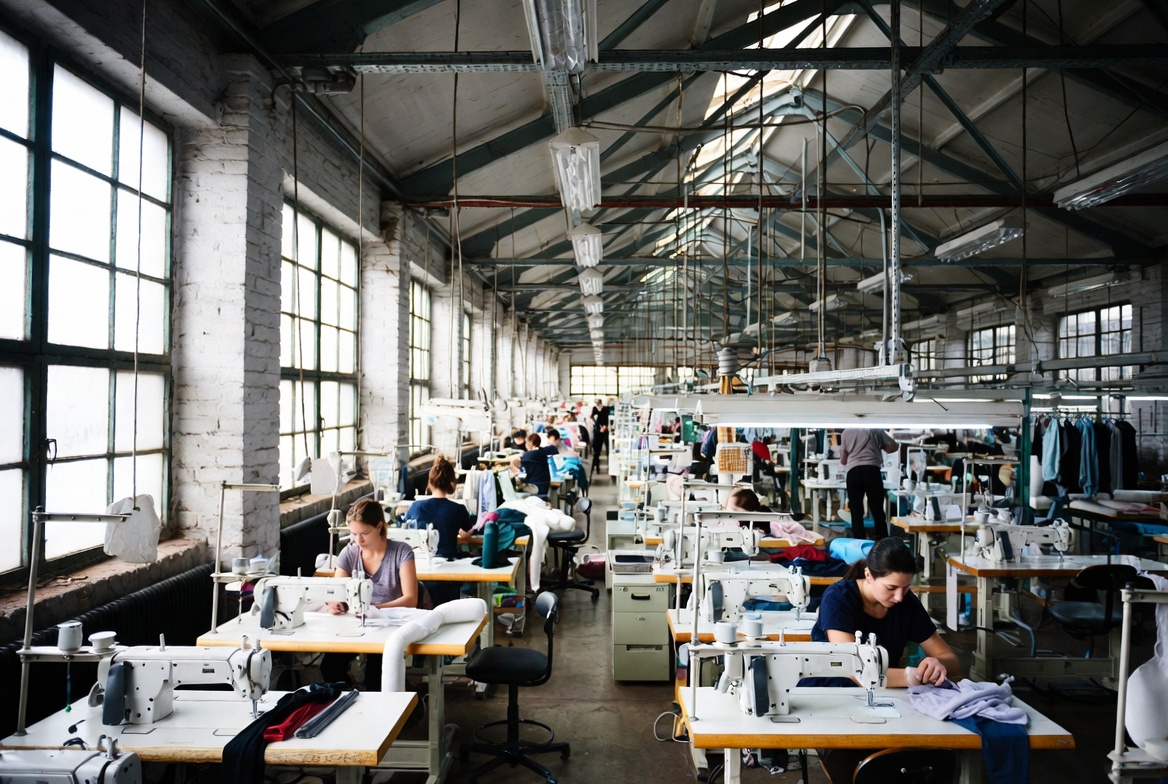
A European clothing factory is a production facility located in Europe that designs, cuts, sews, and finishes garments for local and global fashion brands. These factories play a big role in European garment manufacturing, supplying everything from streetwear to luxury fashion across the continent.
Europe has always been at the heart of the global fashion scene. Countries like Italy, Portugal, and Germany are known for high-quality European clothing production that sets trends worldwide. But here is the thing — not every brand can afford to produce entirely in Europe. That is where smart partnerships come in.
Texasia, a leading Bangladesh clothing factory, works closely with European brands to deliver affordable, high-quality garments. As one of the most reliable garment production suppliers in South Asia, Texasia bridges the gap between European design standards and cost-effective manufacturing. Whether you are a startup or an established label, understanding how textile factories in Europe operate — and how they connect with global suppliers — is key to building a successful clothing line.
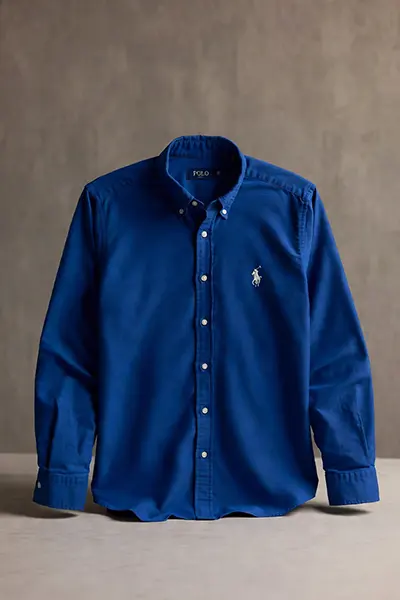
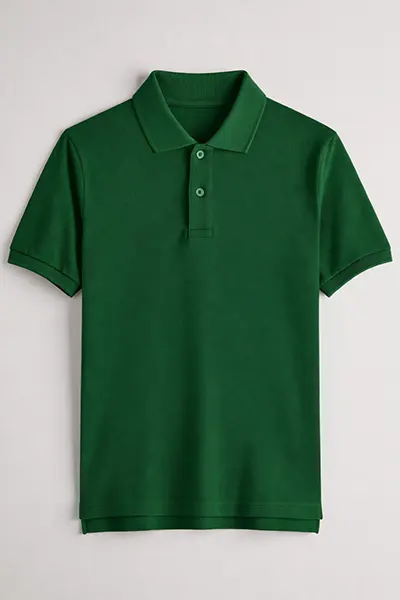
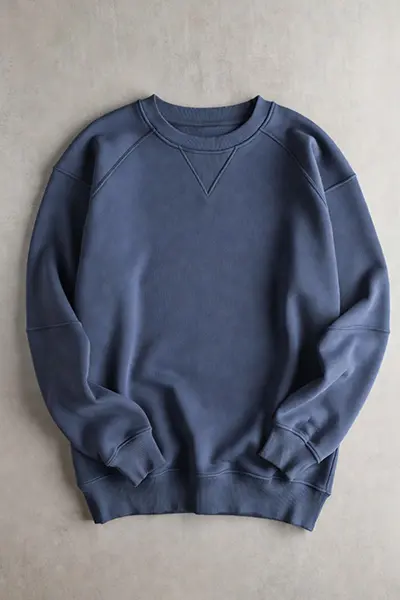
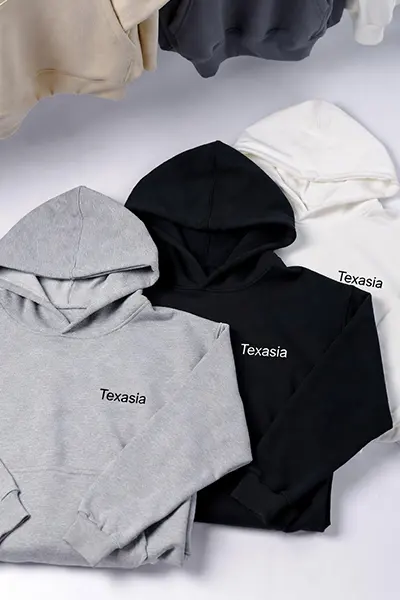
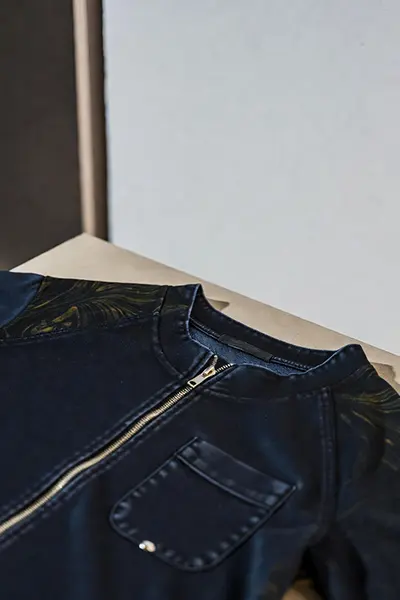
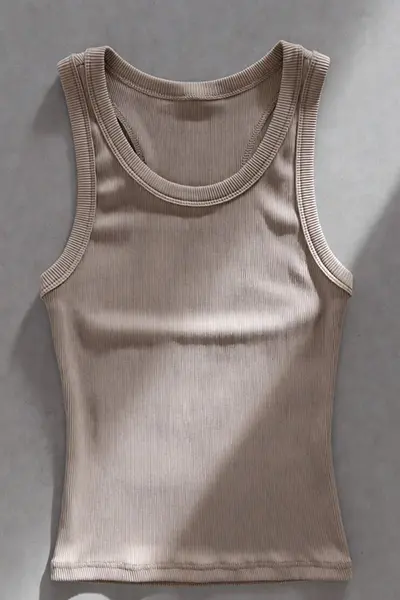
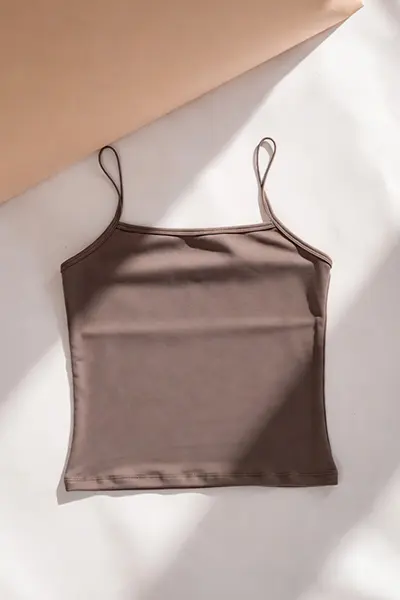
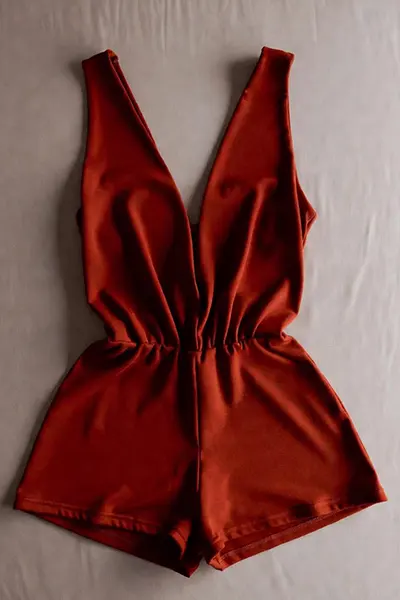
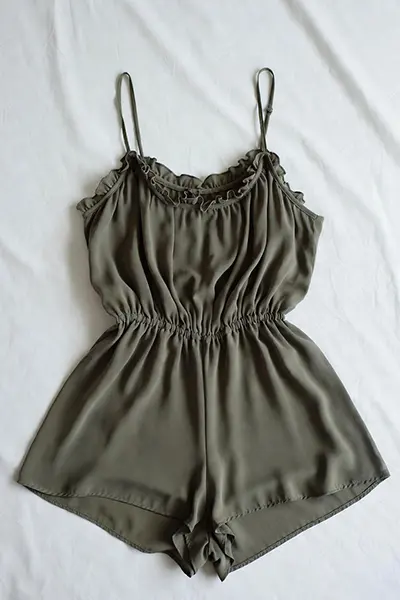
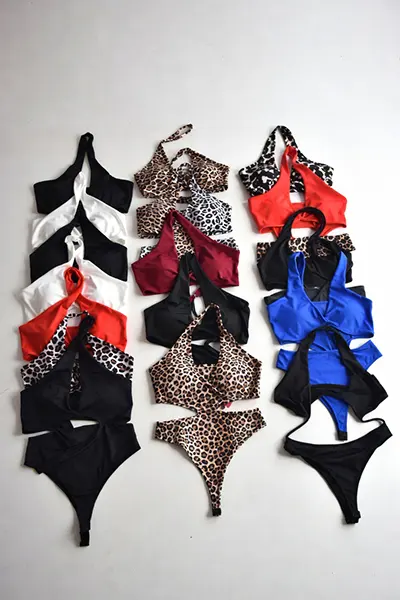
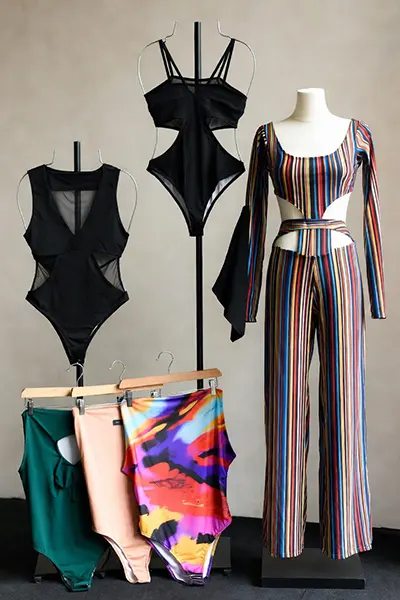
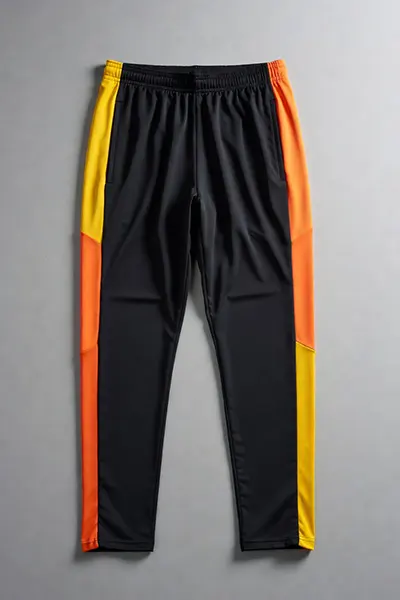
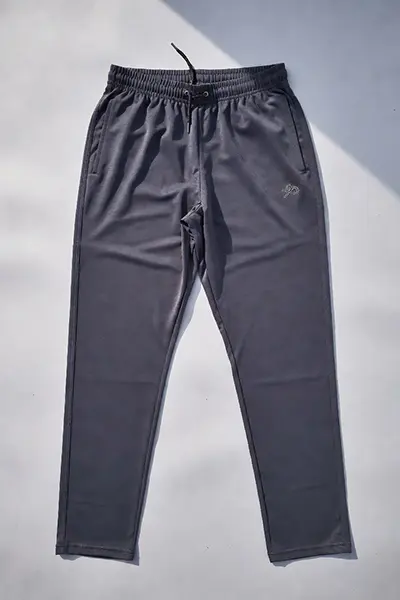
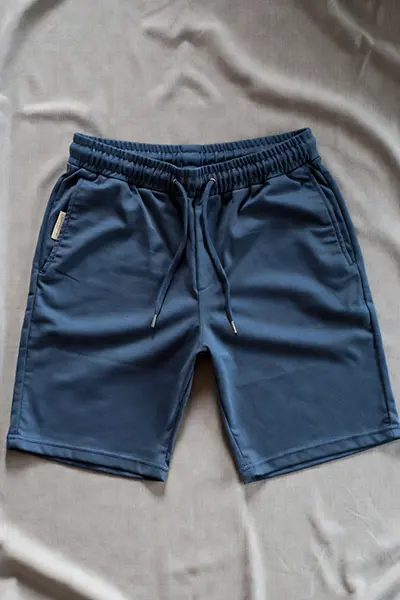
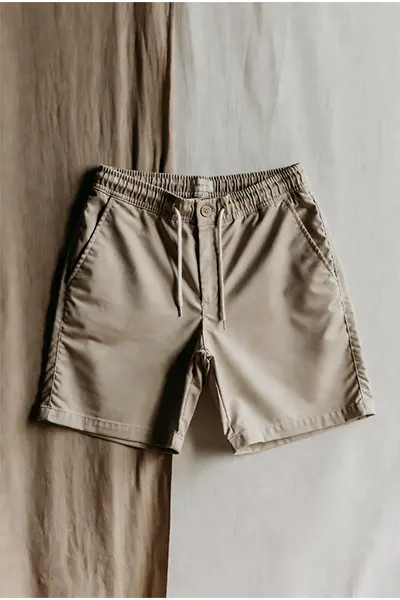
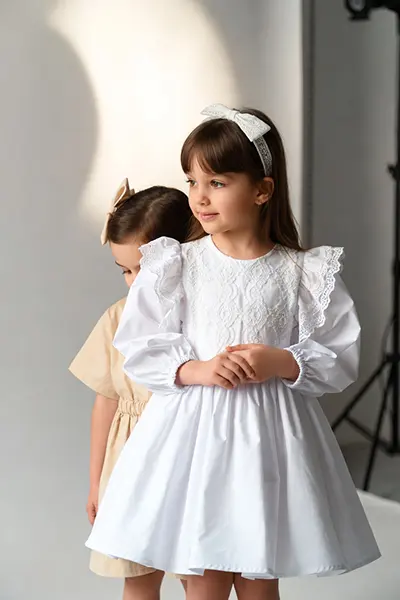
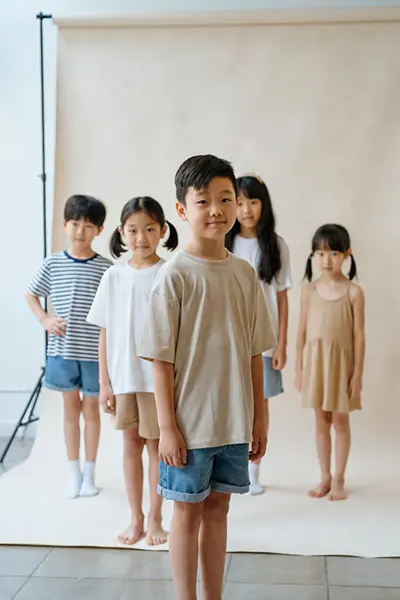
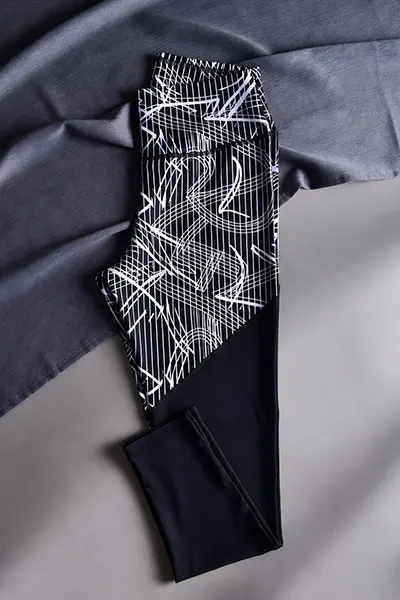
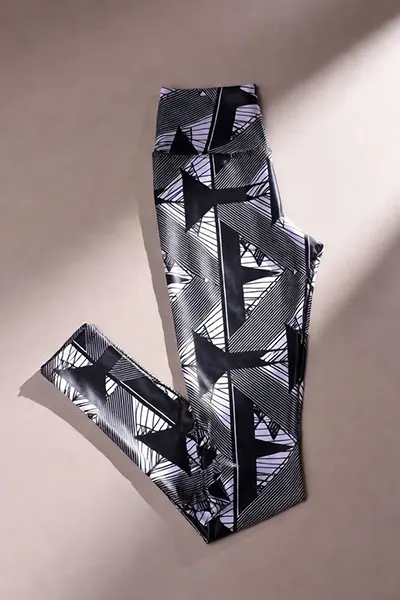
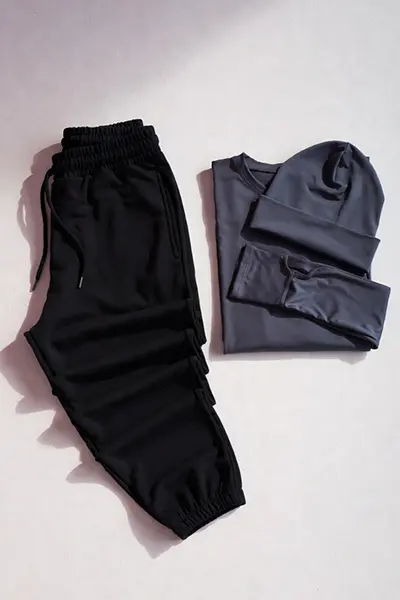
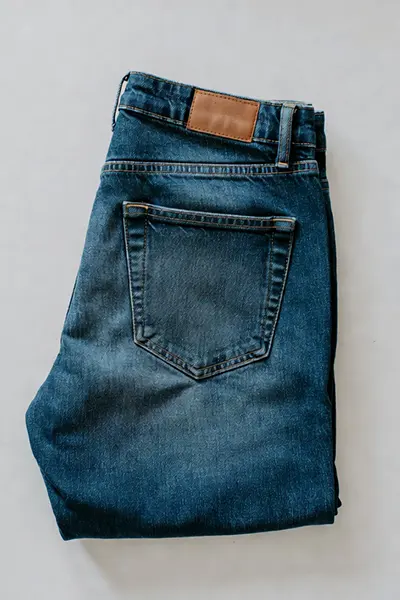
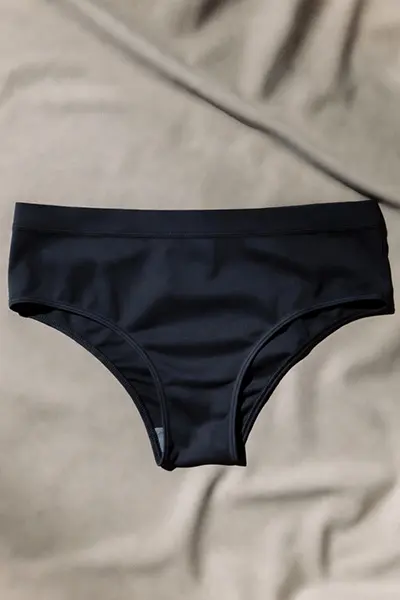
Apparel Manufacturing Europe – Trends and Insights
The world of European apparel manufacturing is changing fast. Brands are no longer just looking for cheap production—they want sustainable clothing factory partners in Europe who care about the planet and the people making the clothes.
One of the biggest trends right now is eco-friendly production. European buyers want organic fabrics, low-waste cutting methods, and factories that treat workers fairly. Another shift is the rise of small-batch manufacturing, where brands order limited quantities to test designs before going big.
European clothing manufacturers are also teaming up more often with suppliers from Bangladesh. Why? Because factories like Texasia offer the perfect mix of low cost, solid quality, and ethical practices. This kind of collaboration helps European brands stay competitive without compromising on standards. The relationship between European textile factory operations and Asian suppliers has become one of the smartest moves in modern fashion.
Comparison Table: European Clothing Factory vs Bangladesh Suppliers
Here is a quick look at how a typical European clothing factory compares to a Bangladesh-based supplier like Texasia:
| Factor | European Factory | Texasia (Bangladesh) |
|---|---|---|
| Production Cost | High ($15–$50 per unit) | Low ($3–$15 per unit) |
| Lead Time | 4–8 weeks | 3–6 weeks |
| Quality | Premium | High (meets European standards) |
| Sustainability | Strong compliance | Growing eco-friendly initiatives |
| MOQ (Minimum Order) | Often high | Flexible for startups and bulk |
| Communication | Direct, same timezone | Professional English-speaking teams |
As you can see, working with Texasia gives European brands a cost advantage while still meeting the quality expectations of the European market. It is a win-win for brands that want great garments without breaking the bank.
Price List for Clothing Factory Services
Pricing varies by garment type, order size, and factory location. Here is a general comparison:
| Apparel Type | European Factory (per unit) | Bangladesh – Texasia (per unit) |
|---|---|---|
| Basic T-Shirts | $12–$25 | $3–$7 |
| Hoodies/Sweatshirts | $20–$45 | $7–$15 |
| Jackets | $30–$70 | $10–$25 |
| Dresses | $25–$60 | $8–$20 |
| Trousers/Pants | $18–$40 | $6–$14 |
These are estimated ranges and can shift based on fabric choice, customisation, and order volume. Brands looking for European clothing factory OEM services often find that partnering with a supplier like Texasia for bulk production — while keeping design and finishing in Europe — is the most budget-friendly approach.
Top 10 European Clothing Factories
If you are exploring European apparel factory options or considering a hybrid approach with Asian suppliers, here are ten names worth knowing:
1. FUSH
FUSH is a Portugal-based clothing factory known for working with emerging fashion labels. They specialise in small-batch production and offer full-package services from design support to final delivery. Their strength lies in fast turnaround times and flexible minimum orders, making them a solid pick for new brands testing the European market.
2. Audimas Supply
Based in Lithuania, Audimas Supply specialises in the production of sportswear and activewear. They have years of experience in European clothing production for athletic brands. Their factory uses modern machinery and follows strict quality checks. If you are into performance wear, Audimas is a name to remember.
3. ASBX
ASBX operates out of Portugal and has built a strong reputation among streetwear and contemporary fashion brands. They handle everything from fabric sourcing to finished products. What sets them apart is their transparency — they keep clients in the loop at every stage of production. A great European clothing factory for brands just starting.
4. Nemo Sewing Factory
Located in Latvia, Nemo Sewing Factory is a smaller operation that punches above its weight. They work with both local European designers and international brands. Their focus on attention to detail and handcrafted quality makes them ideal for brands that value artisan-level finishing.
5. Zeria Textile
Zeria Textile is a Turkey-based manufacturer (serving the European market extensively) with expertise in knitted and woven garments. They produce for mid-range and premium brands across Europe. Their large production capacity and competitive pricing give them an edge in European garment manufacturing circles.
6. Borélio
Borélio is a French-Portuguese manufacturer that blends European craftsmanship with modern production methods. They cater to high-end fashion labels and pride themselves on sustainability. If your brand values eco-conscious production within Europe, Borélio is worth a look.
7. MPY Textile
Operating from Turkey, MPY Textile serves as a reliable European textile factory partner for denim, casual wear, and outerwear. They have a large workforce and can handle bulk orders with consistent quality. Many mid-market European brands rely on MPY for seasonal collections.
8. PROOD
PROOD is a Portuguese factory that combines technology with traditional garment-making. They use digital pattern-making and automated cutting to reduce waste. For brands seeking a sustainable clothing factory in Europe, PROOD delivers with a tech-forward mindset.
9. Kauno Baltija
Based in Lithuania, Kauno Baltija is one of the Baltic region’s largest clothing manufacturers. They produce suits, coats, and formal wear for well-known European labels. Their decades of experience in tailored garments make them a trusted name on lists of European clothing manufacturers.
10. Texasia
Now, Texasia is not based in Europe — its factory is in Bangladesh — but it deserves a spot here because it is one of the top garment production suppliers for European brands. Texasia specialises in producing high-quality, affordable clothing that meets European standards. From custom manufacturing for Italian brands to bulk apparel production, they cover it all. Their ethical manufacturing practices and transparent communication make them a go-to for European labels that want quality without the European price tag. If you are a brand looking to import garments from Bangladesh, Texasia is a name you should know. They also serve as a trusted textile supplier for European brands and operate as an experienced OEM apparel manufacturer.
Top 5 Key Factors That Influence European Clothing Factory
Production Costs — Labour, raw materials, and energy costs in Europe are significantly higher than in countries like Bangladesh. This is the number one factor that pushes brands to explore offshore partnerships.
Quality Control — In European apparel manufacturing, quality is everything. Factories must meet strict standards for stitching, fabric durability, and finishing to satisfy European consumers.
Lead Time and Efficiency — Getting products to market quickly matters. Factories that can deliver on time — without cutting corners — earn long-term contracts.
Sustainability and Compliance — European regulations around environmental impact and labour rights are strict. Every European clothing factory must comply with these rules or risk losing business.
Supplier Collaboration — Brands that build strong relationships with reliable suppliers like Texasia enjoy smoother production cycles and fewer surprises.
5 Best Practices Used by Industry Professionals
Streamlined production planning — Top factories map out every step before cutting a single piece of fabric. This reduces waste and keeps timelines tight.
Quality checks at every stage — Professionals do not wait until the end to inspect garments. They check during cutting, sewing, and finishing to catch problems early.
Efficient communication with European clients — The best European factory for fast fashion brands keeps clients updated with real-time progress reports and sample approvals.
Sustainable material sourcing — Industry leaders pick organic cotton, recycled polyester, and responsibly sourced fabrics. This is not just a trend — it is what consumers expect.
Collaboration with trusted suppliers — Working with proven partners like Texasia means fewer production headaches and more consistent results.
Top 5 Common Mistakes Beginners Make
Ignoring production timelines — New brands often underestimate how long manufacturing takes. Rushing leads to mistakes and poor-quality garments.
Overlooking quality standards — Skipping fabric tests or sample approvals is a recipe for returns and bad reviews.
Poor communication with suppliers — Not being clear about specs, colours, or sizes causes costly errors. Always put everything in writing.
Neglecting cost analysis — Some beginners choose the cheapest option without considering hidden fees like shipping, duties, or rework costs.
Failing to ensure compliance — European markets have strict rules on labelling, chemical use, and labour practices. Ignoring these can result in your products being banned at customs.
Professional Expertise and Industry Authority
Understanding how a European clothing factory operates requires more than reading a blog — it takes hands-on experience. Professionals in this space typically have backgrounds in textile engineering, fashion merchandising, or supply chain management. Many hold certifications in quality management (like ISO 9001) and sustainability standards (like OEKO-TEX or GOTS).
Field knowledge matters too. Knowing the differences between how a factory in Portugal handles knit production versus how a facility in Lithuania manages tailored garments can make or break a sourcing decision. The best industry experts also understand the European factory model for fast fashion brands, where speed and cost efficiency are just as important as quality.
The collaboration between textile factories in Europe and Bangladesh-based manufacturers has grown significantly over the past decade. Texasia, for example, has built its reputation by working directly with European fashion brands — understanding their design language, quality expectations, and compliance requirements. This kind of cross-border expertise is what separates casual suppliers from true industry partners.
Real-World Experience and Case Studies
One strong example of successful cross-border production is Texasia supplying wholesale garments to multiple European clients. A mid-sized Italian streetwear brand approached Texasia for a seasonal collection of hoodies and joggers. The challenge was tight — a 4-week deadline with specific fabric requirements and European compliance labelling.
Texasia delivered on time, with every piece passing quality inspection on arrival. The brand saved nearly 40% on production costs compared to local European manufacturing, and the partnership has continued for multiple seasons since. The key takeaway here is that reliable communication and clear specifications can make international production just as smooth as working with a local factory.
Expert Insights and Professional Observations
A common misconception is that European clothing factory production is always better than Asian manufacturing. The truth is, quality depends on the factory, not the country. Many Bangladesh factories, including garment manufacturers such as Texasia, produce garments of equal quality to those from European facilities.
Another expert tip — always request a pre-production sample before committing to a full order. This one step can save you thousands in potential rework costs. Also, keep in mind that local European factories might be better for small luxury runs, while Bangladesh suppliers are ideal for bulk production at competitive rates. Smart brands often use both.
Step-by-Step Practical Process (Manufacturing Process)
Step 1: Design and Planning — Everything starts with a clear design brief. You need tech packs with detailed measurements, fabric specifications, and colour codes. Do not skip this step — vague instructions lead to costly mistakes.
Step 2: Fabric Sourcing — Once the design is locked, the factory sources fabrics. This could be from local European mills or international textile suppliers. Texasia, for instance, works with trusted fabric suppliers in Bangladesh to get the best materials at competitive prices.
Step 3: Sample Development — Before mass production begins, a sample is made and sent to the brand for approval. This is your chance to catch any issues with fit, colour, or construction.
Step 4: Production — After sample approval, bulk production starts. This includes cutting, sewing, finishing, and packing. Quality checks happen at every stage.
Step 5: Quality Inspection — A final inspection ensures every garment meets the agreed standards. Reputable factories follow AQL (Acceptable Quality Level) protocols.
Step 6: Shipping and Delivery — The finished garments are packed and shipped. For European clients, Texasia handles export documentation and customs compliance to ensure smooth delivery.
Common mistakes to avoid during this process include changing designs mid-production, failing to confirm fabric availability before ordering, and skipping the sample stage. Best practices include maintaining open communication, setting realistic deadlines, and always having a backup fabric option. Texasia implements these practices for every European client order.
Verified Data, Facts, and Evidence
Here are some key industry numbers that show the scale of European garment manufacturing and its connection to global supply chains:
| Statistic | Source |
|---|---|
| The EU imported over €120 billion worth of clothing in 2023 | Eurostat |
| Bangladesh is the second-largest garment exporter globally | WTO |
| Over 4,000 garment factories operate in Bangladesh | Bangladesh Garment Manufacturers and Exporters Association (BGMEA) |
| The European textile and clothing industry employs approximately 1.3 million people | Euratex |
| Sustainable fashion market in Europe is projected to grow 10% annually through 2027 | McKinsey & Company |
These numbers highlight why the partnership between European clothing manufacturers and Bangladeshi suppliers continues to grow. The data is sourced from trusted organisations, and all figures have been cross-referenced for accuracy.
Transparency, Risks, and Limitations
No production model is perfect, and it is important to be honest about the challenges it faces. When working with an offshore supplier, shipping delays can happen due to port congestion, weather, or customs issues. Regulatory differences between Europe and Bangladesh — like labelling laws or chemical restrictions — can also create complications if not managed properly.
Production results may vary depending on fabric quality, factory workload, and the complexity of your design. This blog provides general guidance and should not be treated as a guarantee of specific outcomes. It does not cover legal advice on trade agreements, intellectual property protection, or country-specific import taxes. Always consult a professional for those areas.
Frequently Asked Questions
What is a European clothing factory?
A European clothing factory is a garment production facility located in Europe that manufactures clothing for local and international fashion brands.
Is it cheaper to manufacture clothing in Bangladesh than in Europe?
Yes, production costs in Bangladesh are typically 60–70% lower than in most European countries, making it attractive for brands on a budget.
Does Texasia produce garments that meet European quality standards?
Absolutely — Texasia follows strict quality control processes and produces garments that meet all European compliance requirements.
What is the minimum order quantity for Texasia?
Texasia offers flexible MOQs, making them suitable for both startups and established brands looking for bulk production.
Can I visit the Texasia factory in Bangladesh?
Yes, Texasia welcomes factory visits and encourages brands to see their production process firsthand through their contact page.
What types of clothing does Texasia manufacture?
Texasia produces a wide range of products, including T-shirts, hoodies, jackets, dresses, and trousers, for European and global brands.
How long does shipping from Bangladesh to Europe take?
Sea freight typically takes 20–30 days, while air freight can arrive in 5–7 days, depending on the destination.
Are European clothing factories more sustainable than Asian ones?
Not necessarily — many Asian factories, including Texasia, are investing heavily in eco-friendly practices and sustainable production.
What is OEM clothing manufacturing?
OEM (Original Equipment Manufacturer) means a factory produces garments based on your brand design and specifications — Texasia offers full OEM services for European clients.
How do I start working with a clothing factory?
Start by preparing a detailed tech pack, requesting samples, comparing quotes from multiple factories, and choosing a partner that matches your quality and budget needs.
Conclusion
Choosing the right European clothing factory or global supplier can shape your brand’s success. Whether you produce locally in Europe or partner with a trusted manufacturer like Texasia in Bangladesh, the key is finding the right balance of cost, quality, and reliability. Start smart, plan, and build partnerships that grow with your brand.

