
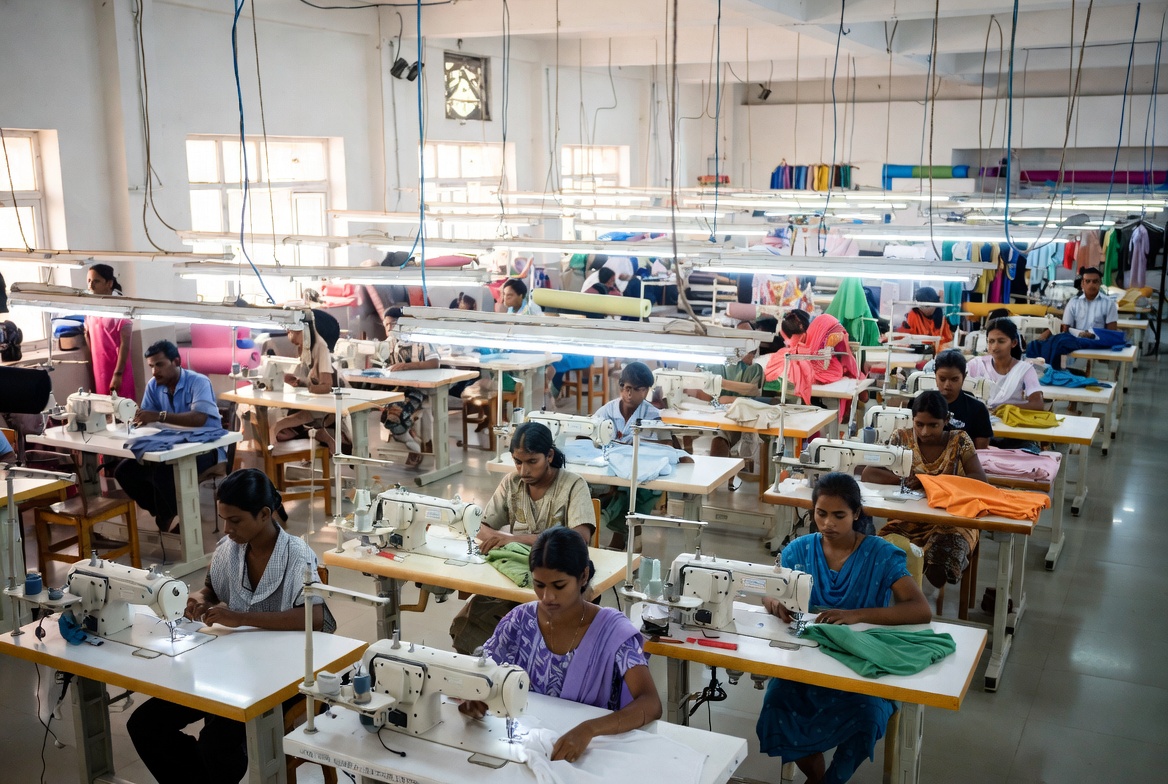
The ethical clothing manufacturing industry in Bangladesh is growing rapidly. If you are a brand seeking responsible production, Bangladesh offers skilled workers, affordable pricing, and a strong commitment to sustainability. This guide covers everything you need to know about sourcing ethically from Bangladesh.
What is an Ethical Clothing Manufacturer in Bangladesh?
An ethical clothing manufacturer in Bangladesh is a garment factory that follows fair labor practices, uses eco-friendly materials, and maintains safe working conditions for every worker. These manufacturers care about people and the planet — not just profits.
Ethical sourcing matters because the fashion industry has a huge environmental and social impact. Buyers around the world now want to know where their clothes come from and how they are made. They want transparency and accountability from the brands they support.
Bangladesh has come a long way since the Rana Plaza tragedy in 2013. The country has invested heavily in factory safety, worker rights, and green production. Today, it is home to some of the most compliant garment factories in the world, making it a top choice for brands that care about ethics.
Sustainable Garment Manufacturers in Bangladesh
Sustainable garment manufacturers in Bangladesh are changing the way clothes are made. These factories focus on reducing their environmental footprint at every stage of production.
Many manufacturers now use organic cotton, recycled polyester, and bamboo fabrics instead of conventional materials. They also rely on low-impact dyes that reduce water pollution and are safer for workers and nearby communities.
Waste management is another big focus. Leading factories recycle fabric scraps, reduce single-use plastic in packaging, and treat wastewater before releasing it. Some even operate zero-discharge systems that prevent harmful chemicals from entering local rivers.
Water conservation is critical, too. Bangladesh is a water-rich country, but garment production uses massive amounts of water. Ethical factories have adopted water-saving technologies, such as waterless dyeing and closed-loop water systems, that reduce water use by up to 50%. These steps make sustainable garment manufacturers in Bangladesh a smart choice for eco-conscious brands.
Fair Trade Apparel Suppliers Bangladesh
Fair trade apparel suppliers in Bangladesh put workers first. They ensure that every person on the factory floor earns a living wage, works reasonable hours, and has access to a safe environment.
Fair trade principles go beyond just paying workers. They include freedom of association, meaning workers can form unions and speak up about their concerns without fear. These suppliers also invest in community programs, such as education, healthcare, and housing, for factory workers and their families.
To prove their commitment, fair trade apparel suppliers in Bangladesh hold globally recognized certifications. The most common ones include Fair Trade Certified, WRAP (Worldwide Responsible Accredited Production), and BSCI (Business Social Compliance Initiative). These certifications are not easy to get — they require regular audits, documentation, and continuous improvement. When you see these labels, you know the factory takes ethics seriously.
Eco-Friendly Clothing Production in Bangladesh
Eco-friendly clothing production in Bangladesh focuses on making garments with the smallest environmental impact possible. This means rethinking everything from energy use to packaging.
Many factories in Bangladesh have installed solar panels and switched to renewable energy to power their operations. Some larger facilities run entirely on green energy, cutting their dependence on fossil fuels. This shift is not just good for the environment — it also lowers production costs over time.
Reducing carbon footprints is a major goal for these manufacturers. They track emissions across the supply chain and work to reduce them through better logistics, energy-efficient machinery, and local sourcing of raw materials. Some factories even participate in carbon offset programs to balance out what they cannot eliminate.
The push toward eco-friendly clothing production in Bangladesh is strong, and brands that partner with these manufacturers can proudly market their products as planet-friendly.
Why Choose an Ethical Clothing Manufacturer in Bangladesh?
Choosing an ethical clothing manufacturer in Bangladesh is not just about doing the right thing — it also makes good business sense.
Yes, ethical production can cost slightly more than conventional manufacturing. But the long-term value is much higher. Brands that source ethically see stronger customer loyalty, fewer legal risks, and better public reputation. In a market where consumers — especially Gen Z shoppers — demand transparency, ethics are no longer optional.
The global demand for ethical fashion is skyrocketing. Reports show that over 60% of consumers prefer to buy from socially responsible brands. This trend is only growing stronger every year.
Bangladesh has a clear competitive advantage here. The country offers some of the lowest production costs in the world while also investing in compliance and sustainability. You get quality, affordability, and ethics — all in one place. That combination is hard to find anywhere else.
Texasia – One of the Best Ethical Clothing Manufacturers in Bangladesh
Texasia is a leading name in ethical garment production in Bangladesh. The company has built a reputation for delivering high-quality clothing while maintaining strict ethical and environmental standards.
Texasia holds key certifications, including WRAP, BSCI, and OEKO-TEX, proving its commitment to worker safety, fair wages, and chemical-free production. The factory undergoes regular third-party audits to stay compliant with international standards.
In terms of production, Texasia handles everything from custom cut-and-sew manufacturing to bulk orders for global brands. Whether you need hoodies, polo shirts, or t-shirts, they have the capacity and expertise to deliver. They export to markets across Australia, Europe, the Middle East, and North America.
If you are looking for a reliable partner, you can contact Texasia directly to discuss your production needs.
Comparison Table: Ethical vs Conventional Clothing Manufacturer in Bangladesh
| Criteria | Ethical Manufacturer | Conventional Manufacturer |
|---|---|---|
| Labor Practices | Fair wages, safe environment, worker rights | Often unregulated, low pay |
| Environmental Impact | Eco-friendly processes, low waste | High pollution, excessive waste |
| Certifications | WRAP, BSCI, Fair Trade, OEKO-TEX | Rare or none |
| Transparency | Full supply chain visibility | Limited or no transparency |
| Brand Value | Strong global trust and loyalty | Limited consumer confidence |
| Long-Term Cost | Lower risk, higher ROI | Higher risk of fines and bad press |
Top 5 Ethical Clothing Manufacturers in Bangladesh
Texasia
Texasia is one of the most trusted ethical clothing manufacturers in Bangladesh, known for its focus on sustainability, compliance, and quality. The company pays fair wages, provides a safe working environment, and follows all international production standards. Texasia works with brands of all sizes — from startups to established labels — and offers low MOQ options, making it accessible even for smaller businesses. Their product range covers t-shirts, polo shirts, hoodies, and custom clothing for buyers in Australia, Europe, and beyond. If you value ethics and reliability, Texasia should be on your shortlist.
DBL Group
DBL Group is a sustainable garment manufacturer in Bangladesh that leads the way in green factory design. Their facilities are LEED-certified, meeting the highest global standards for energy efficiency and environmental responsibility. DBL uses renewable energy across its operations and has been recognized internationally for its sustainability commitment.
Beximco Textiles
Beximco Textiles is one of the largest fair trade apparel suppliers in Bangladesh. With advanced compliance systems and a massive production capacity, they export to top brands worldwide. Beximco is known for high-quality fabrics and a strong track record of meeting international ethical standards.
Epyllion Group
Epyllion Group specializes in eco-friendly clothing production in Bangladesh with strong programs for worker welfare. They invest heavily in training, health services, and safe factory conditions. Epyllion maintains ethical sourcing at every level and is a preferred supplier for many European and American brands.
Ananta Group
Ananta Group is a well-known ethical clothing manufacturer in Bangladesh that focuses on transparency and full compliance. They supply to major global brands and are recognized for honest reporting, regular audits, and a genuine commitment to doing the right thing.
Top 5 Key Factors That Influence Ethical Clothing Manufacturers in Bangladesh
Labor Compliance is the foundation of ethical manufacturing. Factories must ensure fair wages, reasonable working hours, and safe conditions for every employee. Without strong labor practices, no factory can truly call itself ethical.
Sustainability Standards cover everything from the raw materials used to the energy powering the factory. Ethical manufacturers choose organic fabrics, use low-impact dyes, and invest in waste reduction systems.
Certifications like WRAP, BSCI, and Fair Trade serve as proof that a factory meets global ethical standards. These are not just labels — they require regular audits and real commitment.
Supply Chain Transparency means buyers can trace every step of production, from raw material to finished garment. This openness builds trust and helps brands communicate their values to customers.
Production Technology impacts both efficiency and environmental footprint. Modern equipment uses less energy, produces less waste, and delivers more consistent quality — all of which matter for ethical production.
5 Best Practices Used by Industry Professionals
The best brands and manufacturers follow proven strategies to stay ethical. Sustainable sourcing means choosing raw materials that are organic, recycled, or responsibly harvested. It is the first step toward a cleaner supply chain.
Regular factory audits — both announced and unannounced — keep manufacturers accountable. These audits check for labor violations, safety hazards, and environmental issues.
Leading factories are switching to renewable energy sources such as solar and wind power. This cuts emissions and lowers long-term energy costs.
Transparent supply chains mean every partner in the production process is documented and traceable. Brands that practice this earn stronger trust from consumers.
Finally, worker safety and training programs are non-negotiable. Ethical factories invest in regular training, fire drills, protective equipment, and health services for all workers.
Top 5 Common Mistakes Beginners Make
One of the biggest errors is ignoring certifications when choosing a manufacturer. Certifications like WRAP and BSCI exist for a reason — they prove a factory meets real standards.
Many new brands prioritize cost over ethics, chasing the cheapest option without checking labor or environmental practices. This saves money in the short term, but can damage your brand permanently.
Skipping supplier verification is risky. Always visit factories or work with third-party inspectors to verify what a manufacturer claims.
Misunderstanding sustainability claims is common. Not every factory that says it is “green” actually follows through. Look for verifiable data and certifications rather than marketing language.
Finally, not auditing factories regularly is a mistake even experienced brands make. Conditions change, and only ongoing monitoring ensures consistent compliance.
Professional Expertise and Industry Authority
Working with an ethical clothing manufacturer in Bangladesh requires a deep understanding of the local garment industry. Bangladesh has a complex compliance system that includes government regulations, international buyer codes, and third-party certification standards. Knowing how these layers work together is critical for making smart sourcing decisions.
Professionals in this space understand the difference between surface-level compliance and genuine ethical commitment. A factory might pass one audit but fail the next if it does not have real systems in place. Experience helps you spot red flags early — things like high worker turnover, poor documentation, or reluctance to allow unannounced visits.
Understanding certifications and audits is also essential. WRAP focuses on labor standards, BSCI on social compliance, and OEKO-TEX on harmful chemicals in finished products. Each serves a different purpose, and knowing which ones matter for your brand saves time and money.
Professionals with global sourcing experience know how to balance quality, price, and ethics across different markets. They understand shipping logistics, lead times, import regulations, and how to build long-term partnerships with manufacturers who share their values.
Real-World Experience and Case Studies
A mid-sized European fashion brand recently shifted its entire production to an ethical clothing manufacturer in Bangladesh. The initial transition was challenging — lead times increased by 2 weeks, and unit costs rose by about 8%.
But within one year, the results told a different story. Customer return rates dropped by 15% because product quality improved. The brand saw a 22% increase in sales after marketing its ethical supply chain on social media. And worker satisfaction at the factory improved, which led to fewer production delays.
The biggest challenge was maintaining compliance across multiple product lines. Different garments required different materials and processes, and each had its own compliance requirements. Regular communication between the brand and the factory made the difference.
Expert Insights and Professional Observations
One of the biggest misconceptions about ethical manufacturing in Bangladesh is that it always costs significantly more. In reality, the price gap between ethical and conventional production has narrowed a lot in recent years as more factories adopt sustainable practices at scale.
If you are sourcing ethically, start by requesting certifications, requesting access to factory visits, and checking references from other buyers. Do not rely on a factory website alone — verify everything through independent audits and third-party reports.
The real difference between ethical and non-ethical manufacturers comes down to consistency. Ethical factories maintain standards every day, not just when auditors visit. Non-ethical factories often look good on paper but cut corners when nobody is watching.
Step-by-Step Practical Process (Manufacturing Process)
The journey begins with sourcing raw materials. Ethical factories select organic cotton, recycled polyester, or other sustainable fabrics from verified suppliers. Every material is tested for harmful chemicals before it enters the production line.
Next comes the production stage — cutting, sewing, and finishing. Skilled workers follow detailed specifications to create each garment, using energy-efficient machinery and low-waste cutting techniques.
After production, every piece goes through quality control and compliance checks. Inspectors look for defects, measure sizing accuracy, and verify that labor and environmental standards were followed throughout the process.
A common mistake at this stage is rushing quality checks to meet deadlines. The best factories build extra time into their schedules so that compliance is never sacrificed for speed.
Verified Data, Facts, and Evidence
The numbers behind Bangladesh garment industry tell a powerful story:
| Metric | Data |
|---|---|
| Global Ranking | 2nd largest garment exporter in the world |
| Export Revenue (2024) | Over $45 billion |
| LEED-Certified Factories | 200+ (highest number globally) |
| Workforce | Over 4 million workers, mostly women |
| Share of GDP | Approximately 11% of national GDP |
Bangladesh now has the most LEED-certified green garment factories in the world. The growth in eco-friendly clothing production in Bangladesh is backed by real investment, not just promises.
Transparency, Risks, and Limitations
Not every factory in Bangladesh meets the same ethical standards. There is significant variability between large, well-funded facilities and smaller factories that lack the resources to achieve full compliance. Buyers should never assume that one factory represents the entire industry.
Greenwashing is a genuine risk. Some manufacturers use ethical language in their marketing without backing it up with real practices or certifications. Always ask for third-party audit reports and verifiable data.
Smaller factories often struggle with compliance because audits and certifications are expensive. This does not mean they are unethical — but it does mean extra due diligence is needed.
This guide does not cover legal frameworks for specific countries, import tariffs, or intellectual property protection. Those topics require specialized legal advice.
Future of Ethical Clothing Manufacturer in Bangladesh
The future looks bright. Sustainable garment manufacturers in Bangladesh are expected to grow significantly as global brands increase their commitments to ethical sourcing. More factories are investing in green technology, and government support for the sector is stronger than ever.
The rising global demand for eco-friendly clothing production in Bangladesh is driving change at every level. Consumers want better products, brands want cleaner supply chains, and manufacturers want to attract premium buyers.
Expect to see more automation in ethical factories, better traceability technology, such as blockchain, for supply chains, and increased use of recycled and biodegradable materials. Bangladesh is positioning itself as a global leader in ethical fashion manufacturing — and the momentum is real.
Frequently Asked Questions
What is an ethical clothing manufacturer in Bangladesh?
It is a garment factory in Bangladesh that follows fair labor practices, uses sustainable materials, and maintains safe working conditions for all employees.
How can I find a reliable, ethical clothing manufacturer in Bangladesh?
Look for factories with verified certifications like WRAP, BSCI, or Fair Trade, and request third-party audit reports before placing any orders.
Are clothing manufacturers in Bangladesh ethical and sustainable?
Many are — Bangladesh has the highest number of green-certified factories in the world, though standards vary between manufacturers.
What certifications should an ethical clothing manufacturer in Bangladesh have?
Key certifications include WRAP, BSCI, Fair Trade, OEKO-TEX, and LEED for factory buildings.
Why do fashion brands choose ethical clothing manufacturers in Bangladesh?
Brands choose Bangladesh for its combination of low production costs, skilled workforce, and growing commitment to ethical and sustainable practices.
How do ethical clothing manufacturers in Bangladesh ensure fair wages and worker safety?
They follow international labor standards, conduct regular internal and external audits, and invest in worker training and safety programs.
What materials are used by ethical clothing manufacturers in Bangladesh?
Common materials include organic cotton, recycled polyester, bamboo fiber, and fabrics dyed with low-impact or natural dyes.
Can small clothing brands work with ethical clothing manufacturers in Bangladesh?
Yes, many manufacturers like Texasia offer low MOQ options specifically designed for startups and small brands.
How much does it cost to work with an ethical clothing manufacturer in Bangladesh?
Costs vary by product and order size, but ethical manufacturing in Bangladesh remains among the most affordable globally while maintaining strong compliance.
What should I ask before choosing an ethical clothing manufacturer in Bangladesh?
Ask about certifications, audit history, minimum order quantities, lead times, and whether they allow factory visits or independent inspections.
Conclusion
Choosing an ethical clothing manufacturer in Bangladesh is a smart move for any brand that values quality, sustainability, and fairness. Bangladesh offers world-class production at competitive prices with a genuine commitment to ethics. Start your journey today by partnering with certified manufacturers who share your values and help you build a brand your customers can trust.

