
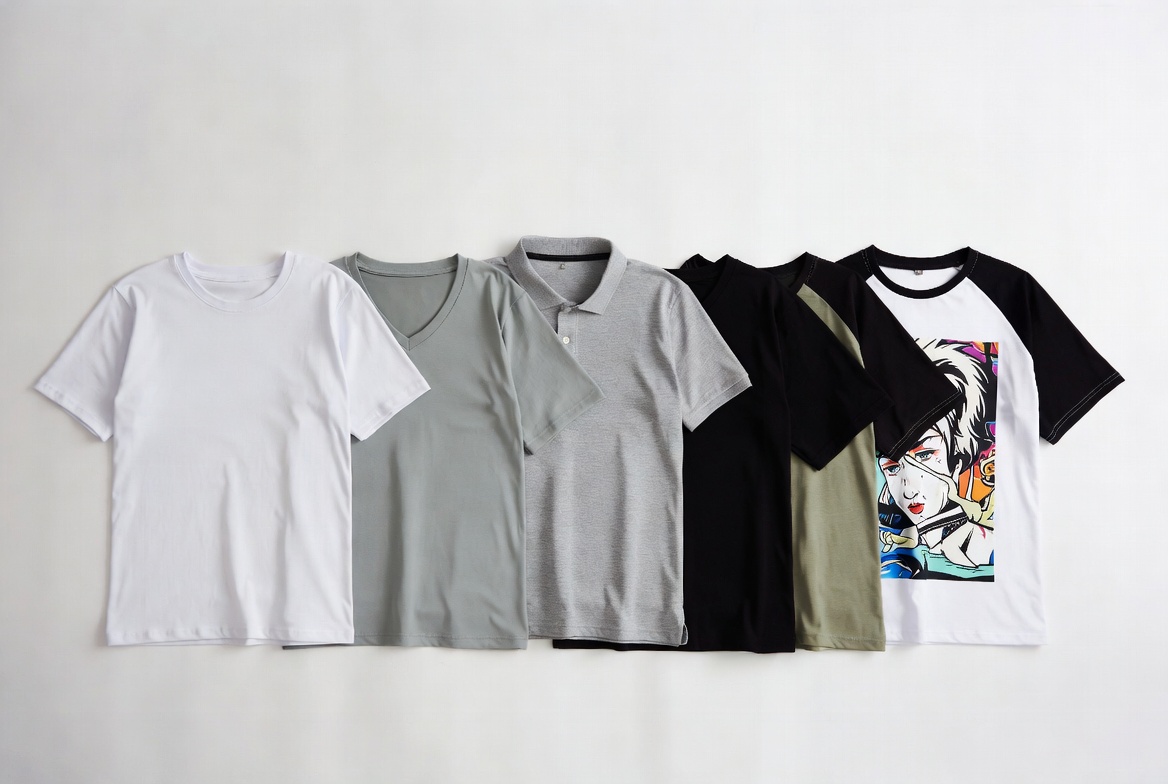
Bangladesh is one of the biggest names in global fashion. When it comes to garment production, this country plays a major role in keeping the world clothed. The types of T shirts produced in Bangladesh range from basic everyday wear to high-performance sportswear.
At the centre of this industry is Texasia Bangladesh, a leading T-shirt manufacturer serving buyers worldwide. Bangladesh exports billions of T-shirts every year, making it a top choice for global fashion brands, retailers, and startups.
There are 6 main types of T-shirts produced in Bangladesh, each serving different needs, markets, and buyer preferences.
How Many Types of T-Shirts Are Made in Bangladesh
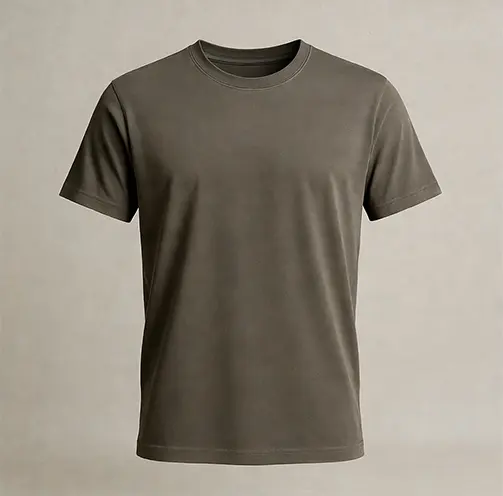
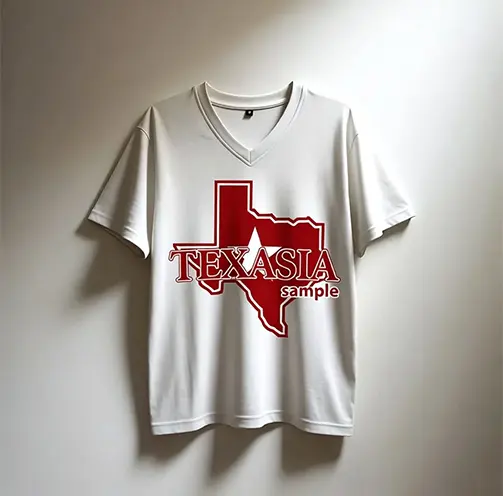
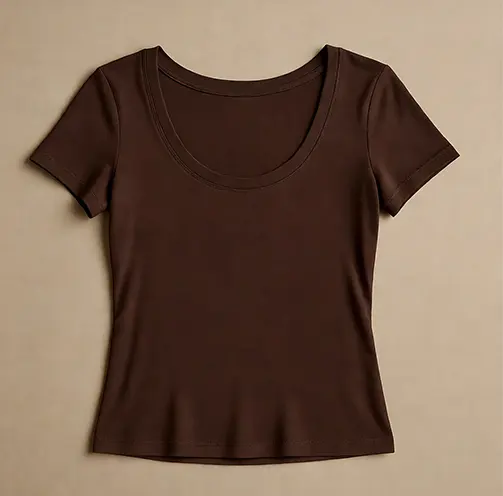
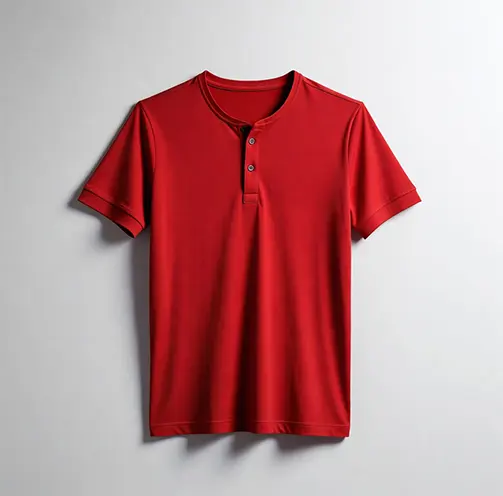
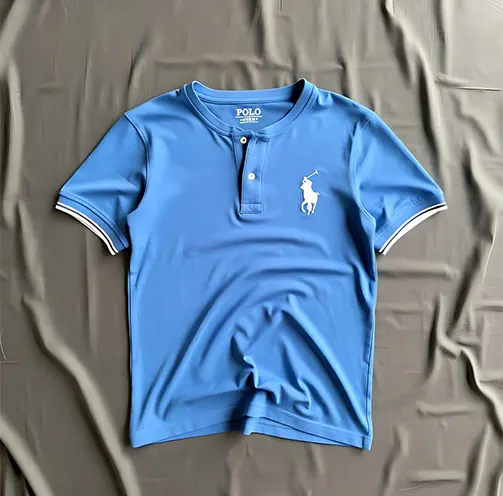
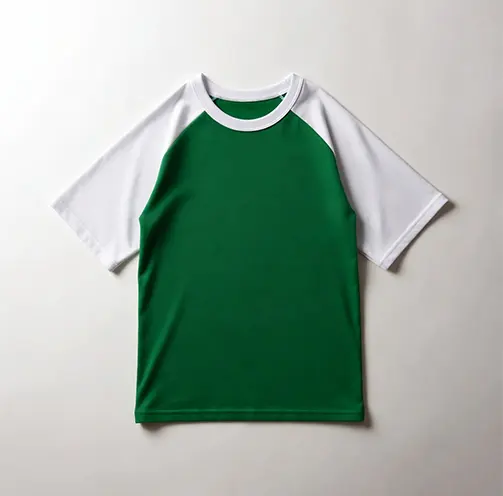
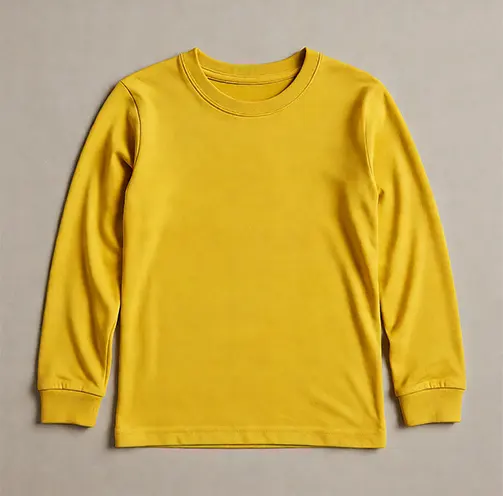
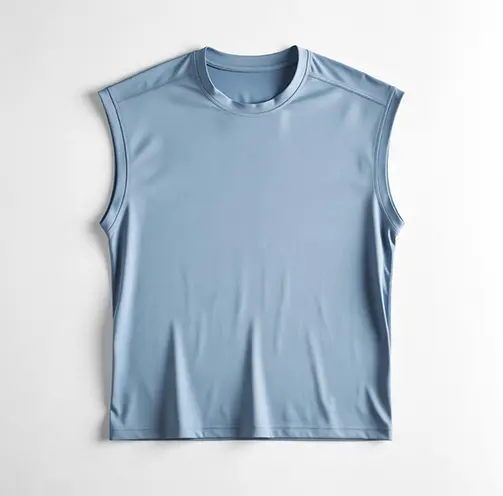
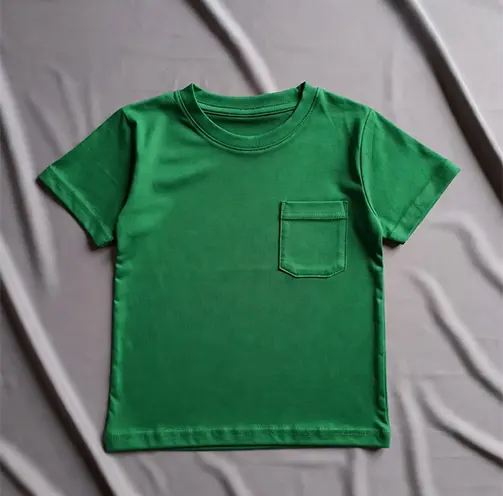
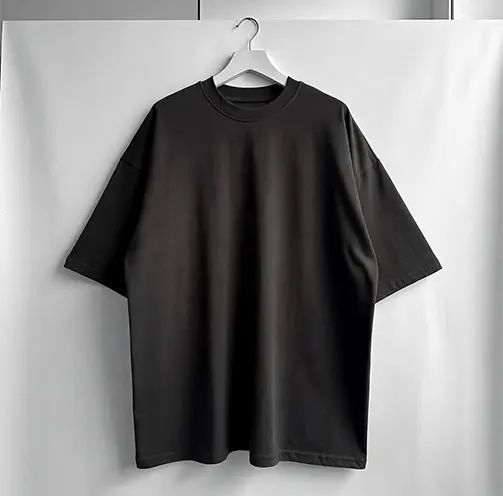
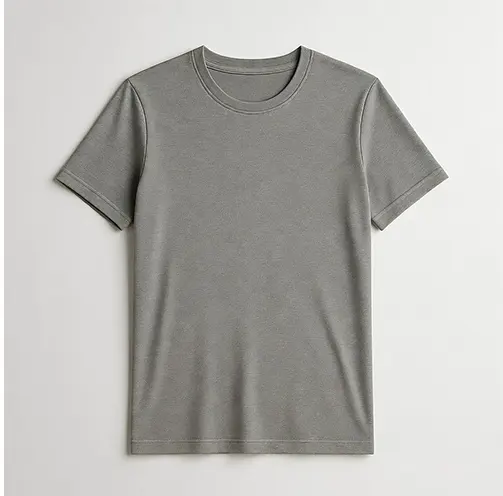
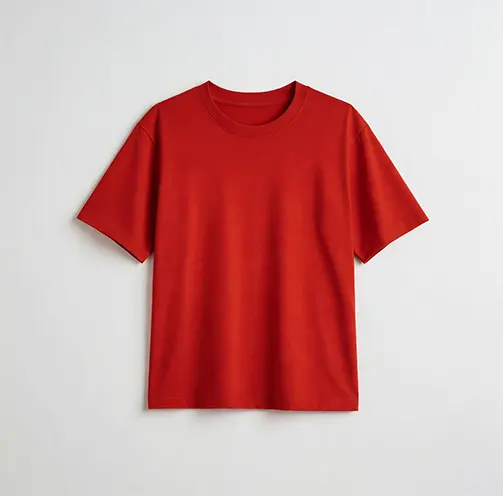
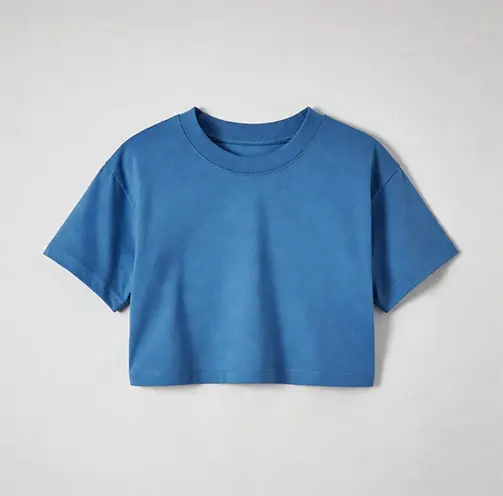
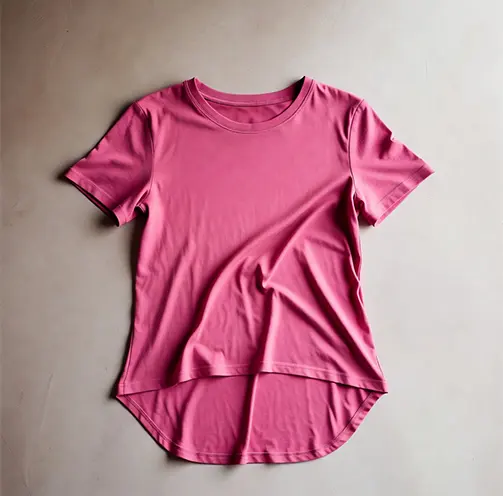
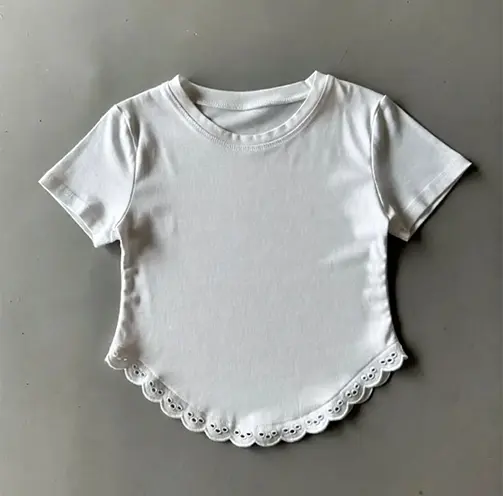
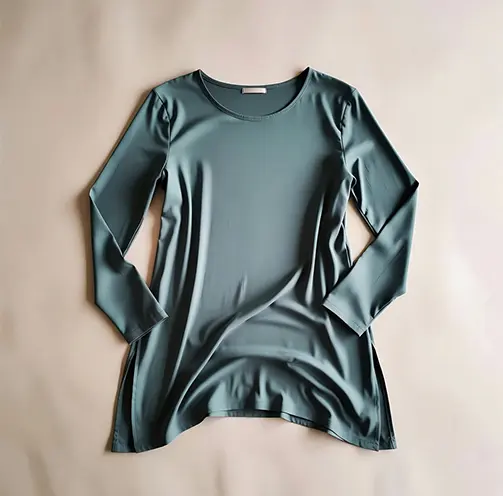
Bangladesh produces 6 main types of T-shirts that dominate both local and international markets. These are not just basic cuts — each type comes in multiple styles and fits.
Texasia produces all 6 key types:
| T-Shirt Type | Common Variations |
|---|---|
| Crew Neck | Short sleeve, long sleeve, oversized, slim fit |
| V-Neck | Relaxed fit, fitted, deep V, athletic |
| Polo | Classic, slim, performance polo |
| Graphic/Printed | Screen print, DTG, sublimation |
| Organic Cotton | Eco-friendly, GOTS certified, soft-wash |
| Polyester/Blended | Moisture-wicking, tri-blend, dry fit |
When buyers look at the types of T-shirts produced they quickly see why this country is a preferred sourcing destination. Each type can be customised for sleeve length, fit, fabric weight, collar style, and purpose — whether for streetwear, corporate gifting, athletic use, or retail fashion.
This variety gives buyers massive flexibility, all under one roof, with competitive pricing that is hard to match anywhere else in the world.
Materials Used in T-Shirts Produced in Bangladesh
The quality of a T-shirt starts with the fabric. T-shirts produced in Bangladesh are made using several key materials, each chosen for specific performance needs and buyer expectations.
The most common fabrics include:
- 100% Cotton — soft, breathable, and widely preferred
- Organic Cotton — chemical-free and skin-friendly
- Polyester — durable and moisture-resistant
- Cotton-Polyester Blends — combines comfort with strength
- Tri-Blends — Cotton, polyester, and rayon for a premium feel
Bangladesh focuses heavily on high-quality cotton T-shirts because Cotton remains the global bestseller. The country has strong access to quality yarn and a well-developed spinning sector that maintains high fabric standards.
On the eco side, many factories in Bangladesh have shifted toward sustainable apparel manufacturing—using less water, reducing chemical waste, and sourcing certified organic inputs. These efforts are not just good for the planet — they also meet the growing demands of global buyers who want cleaner supply chains.
Eco-friendly production certifications like GOTS, OEKO-TEX, and BLUESIGN are now common in leading Bangladeshi factories. This makes Bangladesh a sourcing destination that ticks both the quality and responsibility boxes.
Cotton T-Shirts Produced in Bangladesh
Cotton T-shirts produced in Bangladesh are the most popular category both locally and in export markets. Cotton has always been a go-to fabric because it feels great on the skin, allows airflow, and holds up well after many washes.
Key features of cotton T-shirts from Bangladesh:
- Soft texture that gets even better after washing
- Breathable weave that keeps the wearer cool
- Durable construction suitable for everyday wear
- Available in ring-spun, carded, and combed cotton varieties
Bangladesh specialises in the production of cotton T-shirts at scale, making it easy for brands to order large volumes while maintaining consistent quality. Whether it is a basic white tee or a premium fashion cut, Cotton from Bangladesh delivers every time.
Organic Cotton T-Shirts Produced in Bangladesh
Organic cotton T-shirts produced in Bangladesh are growing fast in demand. Consumers — especially younger ones — care a lot about where their clothes come from and how they are made.
Benefits of organic cotton T-shirts:
- No harmful chemicals are used in farming or processing
- Gentler on sensitive skin — great for children and allergy-prone wearers
- Lower environmental impact compared to conventional Cotton
- Increasingly required by EU and US retail buyers
Bangladesh is well-positioned in this space. Many factories now carry GOTS (Global Organic Textile Standard) certification, giving buyers confidence in the entire supply chain. Market demand for organic tees has grown by more than 20% year-on-year in key export markets, and Bangladeshi manufacturers are keeping pace with this shift.
Polyester and Blended T-Shirts Produced in Bangladesh
Polyester T-shirts produced in Bangladesh serve a different but equally strong market — sportswear, activewear, and budget-friendly fashion lines.
Key advantages of polyester and blended T-shirts:
- Moisture-wicking — keeps sweat away from the body
- Lightweight and durable — great for athletic use
- Wrinkle-resistant — easy care for everyday buyers
- Cost-effective — lower price point than pure Cotton
Common blends include 65% polyester / 35% cotton for all-day comfort, and tri-blend (Cotton, polyester, rayon) for a soft, premium feel. These blends are widely used in fashion-forward streetwear and performance tees that target active lifestyles.
Styles of T-Shirts Produced in Bangladesh
Bangladesh is not a one-style market. The country produces a full range of T-shirt styles for fashion brands, athletic labels, corporate clients, and independent designers worldwide.
The types of T-shirts produced in Bangladesh span minimalist basics to bold, graphic-heavy designs. This range makes Bangladesh an attractive sourcing hub for buyers who want variety without switching suppliers.
Here is a quick look at style demand by market:
| Style | Primary Market |
|---|---|
| Crew Neck | Mass retail, basics, fashion |
| V-Neck | Fashion, casual wear |
| Polo | Corporate, sports, premium |
| Graphic/Printed | Youth fashion, streetwear |
| Organic Cotton | Eco-conscious brands |
| Polyester/Blended | Activewear, sports, budget retail |
Each of the 6 main types can be further adapted with different fits — slim, regular, or oversized — and sleeve lengths — sleeveless, short, three-quarter, or long. This level of customisation is why major global brands trust Bangladesh for their T-shirt lines.
Crew Neck T-Shirts Produced in Bangladesh
Crew neck T-shirts produced in Bangladesh are the most widely manufactured style in the country. The classic round-neck silhouette works for almost every use case — casual wear, layering, branded merchandise, and more.
These T-shirts are available in a wide range of fabric weights, from lightweight 140 GSM summer tees to heavy 280 GSM premium basics. Bangladeshi factories produce crew-neck tees in bulk, with consistent stitching and clean finishes that meet global retail standards.
V-Neck T-Shirts Produced in Bangladesh
V-neck T-shirts produced in Bangladesh are a popular choice for fashion-forward buyers. The V-cut neckline gives a more styled look without extra effort, making it a favourite in casual and semi-formal wardrobes.
Bangladeshi factories produce V-necks in fitted, relaxed, and athletic cuts, with options for a deep V or a subtle V, depending on buyer preference. These tees are frequently exported to European and North American fashion markets, where V-neck styles have strong seasonal demand.
Polo T-Shirts Produced in Bangladesh
Polo T-shirts produced in Bangladesh serve corporate clients, sports brands, and premium casual wear buyers. The polo collar, buttoned placket, and structured look make this style a step above basic tees in terms of perception and price.
Bangladeshi factories produce custom-embroidered polo T-shirts for corporate branding and sports teams. These are available in pique fabric, interlock, and performance polyester, and can carry embroidery, woven labels, and custom branding details.
Graphic and Printed T-Shirts Produced in Bangladesh
Graphic T-shirts produced in Bangladesh are a booming category, especially for youth fashion and streetwear brands. Bangladesh has strong in-house printing capabilities, including screen printing, direct-to-garment (DTG), heat transfer, and sublimation.
These tees are often ordered in lower MOQ runs by independent brands and pop culture labels. Bangladesh factories support this with flexible production setups that efficiently handle both small and large graphic print runs.
Organic Cotton T-Shirts Produced in Bangladesh
Organic cotton T-shirts produced in Bangladesh are now a mainstream product, not just a niche one. Buyers from Scandinavia, Germany, and the US in particular are placing more organic cotton orders with Bangladeshi suppliers.
These T-shirts carry certifications that prove the fabric is free from synthetic pesticides and harmful dyes. For buyers building an eco-conscious brand, sourcing organic tees from Bangladesh offers both the ethical label and the competitive price that makes retail viable.
Polyester/Blended T-Shirts Produced in Bangladesh
Polyester T-shirts made in Bangladesh are a smart choice for buyers seeking performance fabrics at a great price. Whether it is a dry-fit gym tee or a poly-cotton blend for budget retail, Bangladesh has the infrastructure to deliver.
These blended tees often feature flatlock stitching, raglan sleeves, and mesh panels for a sportswear aesthetic. Major athletic brands and private label buyers regularly source blended performance tees from Bangladeshi factories.
7 Steps Manufacturing Process of T-Shirts in Bangladesh
The T-shirts produced in Bangladesh go through a well-structured manufacturing process that ensures quality at every stage. Here is how it works from start to finish:
Step 1 — Fabric Sourcing: Yarn is sourced from local spinning mills or imported, depending on the buyer’s specifications. Bangladesh has a strong local textile base that reduces lead times.
Step 2 — Fabric Knitting and Dyeing Fabric is knitted (jersey, pique, rib, etc.) and then dyed to the required colour using reactive, pigment, or eco-friendly dyes.
Step 3 — Cutting Fabric rolls are spread on large cutting tables and cut using patterns. Modern factories use CAD-assisted cutting to reduce waste.
Step 4 — Sewing and Assembly: Cut panels are stitched together on industrial sewing lines. This includes attaching sleeves, collars, and any special features, such as pockets or zippers.
Step 5 — Printing and Embroidery (if required) Graphic tees are printed via screen printing or DTG printing. Polo tees and premium styles are embroidered on embroidery machines.
Step 6 — Quality Control Each piece is checked for measurements, stitching, colour consistency, and print quality before it moves to finishing.
Step 7 — Finishing and Packing: T-shirts are washed, ironed, tagged, and packed as per buyer requirements—folded, hung, or bagged.
Check out the full T-shirt manufacturing process in Bangladesh to understand how factories maintain quality from fibre to finished product.
Leading Texasia Manufacturers of T-Shirts Produced in Bangladesh
When it comes to T-shirts produced in Bangladesh, Texasia is one of the most trusted names in manufacturing. Here is what makes Texasia a preferred partner for global buyers:
| Feature | Texasia Advantage |
|---|---|
| MOQ Flexibility | Low minimum order quantities available |
| Product Range | All 6 T-shirt types in one factory |
| Certifications | GOTS, OEKO-TEX, BSCI compliant |
| Turnaround Time | Competitive lead times for all order sizes |
| Custom Options | Private label, custom printing, embroidery |
| Export Experience | Ships to EU, USA, Australia, Canada |
Texasia works with fashion startups, established brands, and corporate buyers. Whether a buyer needs a small order from a T-shirt manufacturer in Bangladesh or a large-volume supplier, Texasia handles both ends of the spectrum.
The factory also supports private-label T-shirt manufacturing in Bangladesh, giving brands full control over design, labels, packaging, and presentation.
Export Markets and Global Demand for T-Shirts Produced in Bangladesh
The global demand for the types of T-shirts produced in Bangladesh has never been stronger. Bangladesh is the second-largest garment exporter in the world, and T-shirts account for a significant share of its exports.
Here is a look at key export destinations and their T-shirt import volumes:
| Country/Region | T-Shirt Demand Focus |
|---|---|
| European Union | Organic, sustainable, fashion basics |
| United States | Graphic tees, basics, activewear |
| United Kingdom | Premium cotton, polo, fashion |
| Canada | Basics, sustainable, blended |
| Australia | Activewear, casual basics |
| Japan | High-quality cotton, slim fits |
Bangladesh exported garments worth over $38 billion in 2023, and T-shirts remain one of the top product categories driving this number. Buyers choose Bangladesh for its competitive T-shirt manufacturing costs, large production capacity, and improved quality standards.
The garment supply chain traceability systems in Bangladesh are also becoming stronger, with more factories adopting digital tracking tools that let buyers monitor production in real time.
Sustainable Practices in T-Shirt Production in Bangladesh
Sustainability is no longer optional. The T-shirts produced in Bangladesh are increasingly made with a lower environmental footprint, which is a key reason global buyers continue to prefer Bangladesh.
Key sustainable practices in Bangladeshi T-shirt factories include:
- Water recycling systems that reduce consumption by up to 40%
- Solar panel installations across major factory rooftops
- GOTS-certified organic cotton sourcing
- Effluent Treatment Plants (ETPs) to clean wastewater before release
- Packaging shifts from plastic to recycled or biodegradable materials
The push toward circular fashion and textile recycling in Bangladesh is also gaining momentum. Some factories now accept fabric offcuts for recycling, significantly reducing landfill waste.
Brands that source from Bangladesh can now confidently market their products as responsibly made — backed by certifications, audit reports, and verified factory practices.
Real Case Study: Why Texasia Is the Best T-Shirt Supplier in Bangladesh
A mid-sized fashion brand from Germany was struggling to find a reliable T-shirt supplier who could handle small orders with fast turnaround and organic cotton options — all at once.
They reached out to Texasia, and within two weeks, they had samples of four T-shirt styles in organic Cotton with custom-printed labels. The production run of 500 units per style was delivered in 35 days — ahead of schedule.
The brand noted that Texasia stood up on communication, fabric quality, and packaging standards. They have since grown their order to 5,000 units per season and now source all 6 T-shirt types exclusively from Texasia.
This is not a rare story — it is the kind of result Texasia delivers consistently to buyers of all sizes.
Contact Texasia today to start your sourcing journey.
Frequently Asked Questions
What are the main types of T-shirts produced in Bangladesh?
Bangladesh produces 6 main types — crew neck, V-neck, polo, graphic/printed, organic Cotton, and polyester/blended T-shirts — covering a wide range of markets and buyer needs.
Is Bangladesh good for bulk T-shirt orders?
Yes, Bangladesh is one of the top destinations globally for bulk T-shirt supply, offering competitive pricing, large production capacity, and reliable delivery timelines.
Can I order T-shirts with a low minimum quantity from Bangladesh?
Absolutely — factories like Texasia offer low MOQ T-shirt manufacturing options that are perfect for startups and small brands testing new designs.
Are T-shirts from Bangladesh eco-friendly?
Many Bangladeshi factories now use organic Cotton, GOTS-certified fabrics, and eco-friendly dyes, making them a solid choice for brands focused on sustainability.
Can Bangladesh produce private-label T-shirts?
Yes, leading manufacturers like Texasia specialise in private-label T-shirt production, offering full customisation from design to packaging.
Are T-shirts from Bangladesh affordable?
Bangladesh offers some of the most competitive pricing in the world — you can explore cheap wholesale T-shirts from Bangladesh without compromising on quality.
What fabrics are commonly used in T-shirts made in Bangladesh?
The most common fabrics are 100% cotton, organic Cotton, polyester, and cotton-polyester blends — each suited for different end uses and market segments.
Conclusion
Bangladesh remains a world leader in T-shirt production, offering buyers quality, variety, and value across all 6 major T-shirt types. From organic basics to performance activewear, the country delivers on every front — making it the go-to sourcing destination for fashion brands worldwide.

