
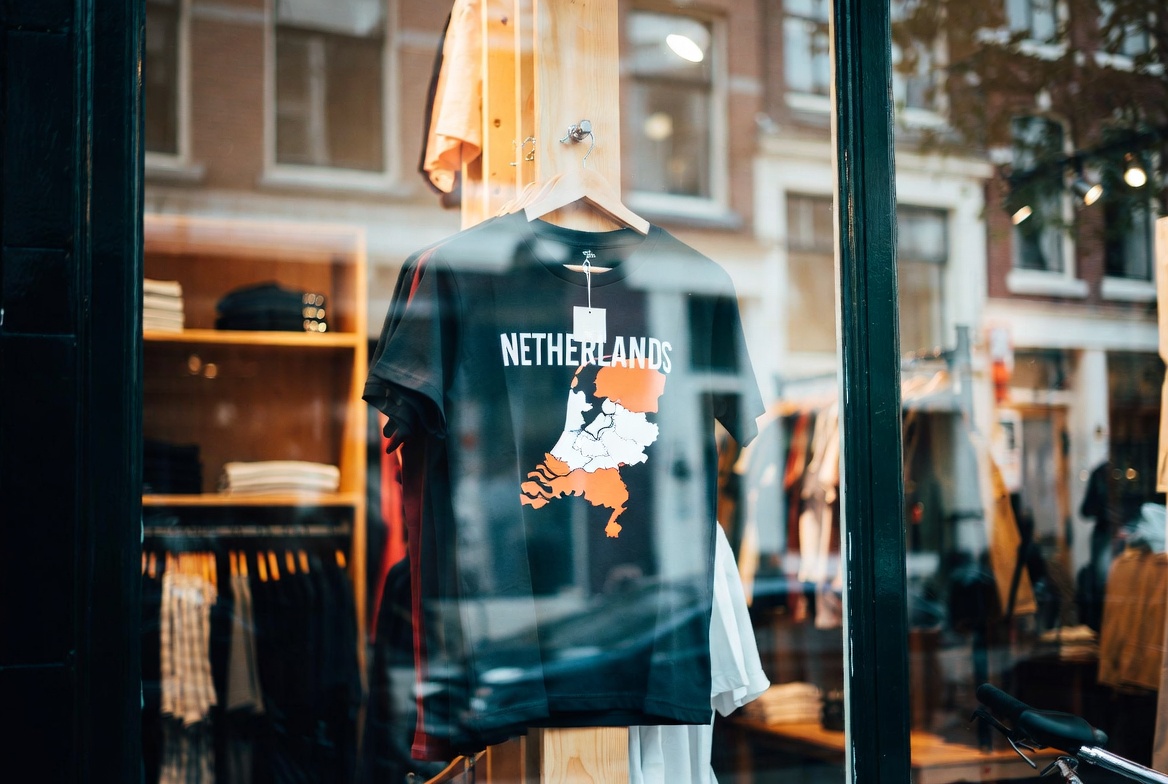
The wholesale T-shirt market in the Netherlands has grown steadily over the past few years. Dutch retailers, print shops, and fashion brands are ordering apparel in bulk more than ever before. The demand for wholesale T-shirts in the Netherlands is being driven by e-commerce growth, streetwear culture, and the rise of custom branding.
The Netherlands sits at the heart of European logistics, making it a key entry point for blank T-shirt importers NL and bulk apparel brands. Suppliers here typically work with structured MOQs (minimum order quantities), clear lead times, and transparent pricing models. Most established Dutch T-shirt distributors offer both standard cotton tees and specialty options, such as organic or recycled blends.
In 2024, the Dutch apparel import market was valued at over €4.2 billion, with knit garments accounting for a large share of that figure. This signals a strong, growing market for businesses looking to source quality tees at competitive prices.
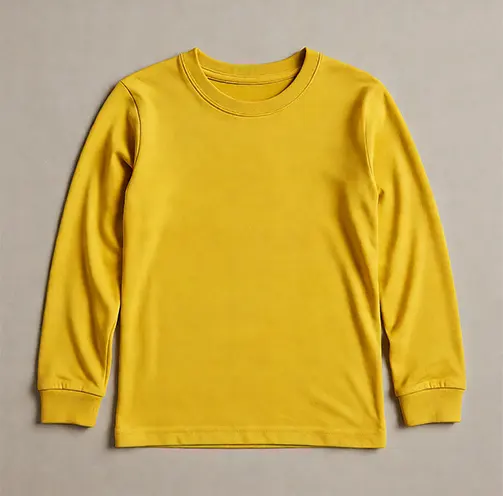
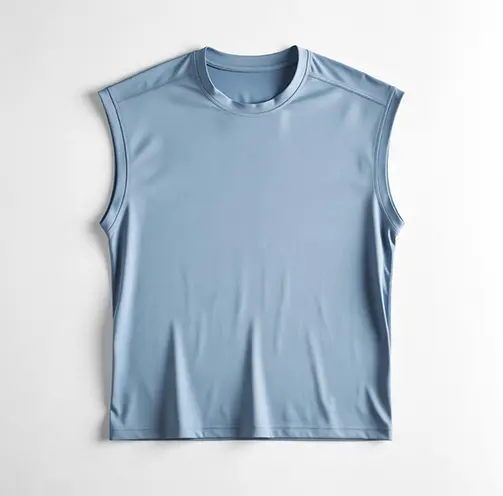
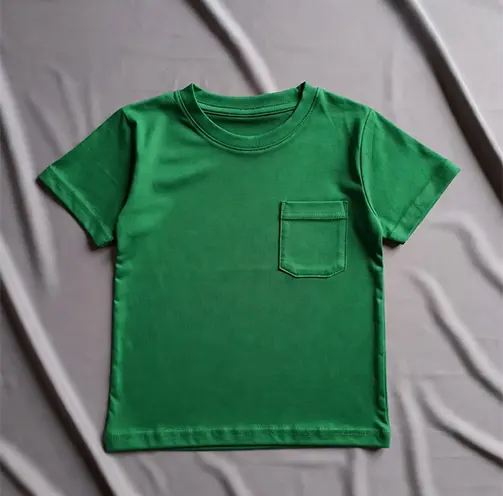
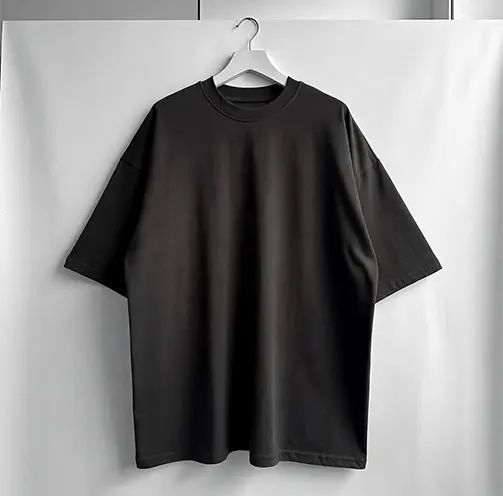
Importance of Choosing the Right Bulk Apparel Suppliers in the Netherlands
Picking the wrong supplier can cost your brand more than just money. It affects your delivery schedule, your product quality, and your customer trust. That is why getting your supplier selection right from day one matters so much when working with bulk apparel suppliers in the Netherlands.
Textile certifications play a big role here. Look for suppliers holding GOTS (Global Organic Textile Standard) or OEKO-TEX Standard 100 certifications. These confirm that fabrics are free from harmful chemicals and produced in ethical conditions — something your customers increasingly care about.
On the digital side, many leading suppliers now use cloud-based order management platforms, real-time inventory tracking, and automated quality checks. This level of digitalization reduces errors and keeps your orders on track. A supplier that invests in tech is usually one that takes accuracy seriously.
Choosing the right partner affects your brand image, your cost per unit, and your ability to scale. Do not rush this decision.
Top 5 T-Shirt Suppliers in the Netherlands
Here are the top 5 T-shirt suppliers in the Netherlands, ranked for quality, flexibility, and value:
1. Texasia
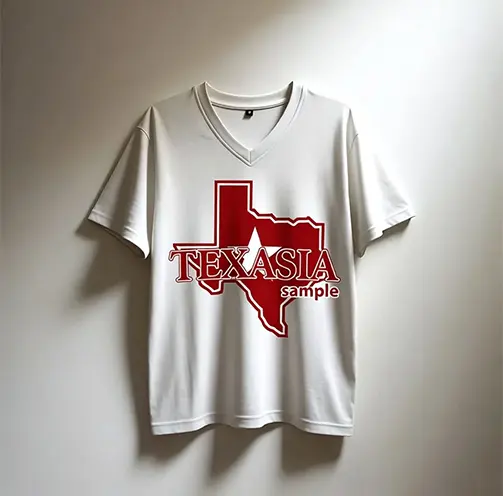
Texasia is a Bangladesh-based premium apparel manufacturer with a strong European presence, including the Netherlands market. They specialize in custom T-shirt manufacturing in the Netherlands — offering private-label branding, screen printing, embroidery, and organic fabric options.
What makes Texasia stand out in the NL market is its low MOQ policy (starting at 50 pieces), making it ideal for small businesses and growing brands. Their fabrics are GOTS-certified organic cotton, and they offer full private-label T-shirt manufacturing from design to delivery. Their Bangladesh production base enables wholesale T-shirt pricing at competitive levels with export-grade European quality.
Delivery to the Netherlands typically takes 7–10 business days through their Dutch distribution partners. They are one of the few suppliers offering a full end-to-end solution — from fabric sourcing in Bangladesh to doorstep delivery in Europe.
2. Shirtstore.nl
Shirtstore.nl serves both retail customers and B2B buyers across the Netherlands. They carry a wide range of blank and printable T-shirts from well-known brands. Their catalog includes fair-trade and organic collections, making them a solid choice for sustainability-focused buyers.
Their MOQ starts at 100 pieces, and they work well for promotional campaigns, school orders, and corporate gifting. Delivery time is around 10 days for standard orders.
3. Print Simple NL
Print Simple NL operates a Dutch printing network focused on print-on-demand T-shirt companies. They have local fulfillment centers across the Netherlands, which keep shipping times short—often just 5 days.
They require no minimum order, making them the top pick for small-batch and on-demand projects. Their fabric range covers cotton and poly-blends, and their digital printing quality is consistent across large and small runs.
4. TextielDrukkerij Holland
TextielDrukkerij Holland is a traditional Dutch screen printer with deep roots in the promotional and corporate apparel supply chain. They are well-suited for promotional T-shirt manufacturers for NL projects — think event giveaways, staff uniforms, and branded merchandise.
Their MOQ is 200 pieces, and the lead time is around 14 days. Sustainability options are limited compared to others on this list, but their pricing is competitive for high-volume orders.
5. Cotton Heritage Europe
Cotton Heritage Europe focuses on sustainable T-shirt suppliers in the Netherlands and eco-certified cotton production. They source organic cotton T-shirt wholesalers, Netherlands-grade fabrics, and hold strong green credentials.
With an MOQ of 100 pieces and a 10-day delivery window, they are a reliable choice for brands that prioritize environmental responsibility alongside quality.
Comparison Table: Top 5 T-Shirt Suppliers in the Netherlands
| Supplier | Specialty | MOQ | Material Type | Delivery Time | Sustainability |
|---|---|---|---|---|---|
| Texasia | Custom branding & private label | 50 pcs | Organic cotton | 7–10 days | GOTS-certified |
| Shirtstore.nl | Retail & bulk supply | 100 pcs | Mixed fabrics | 10 days | FairTrade options |
| Print Simple NL | Print-on-demand | None | Cotton / Poly | 5 days | Moderate |
| TextielDrukkerij Holland | Promotional supply | 200 pcs | Cotton | 14 days | Limited |
| Cotton Heritage Europe | Eco tee production | 100 pcs | Organic cotton | 10 days | Strong |
Price List: Average Costs Per Supplier
| Supplier | Avg. Price/Unit (EUR) | Custom Print Cost (EUR) | Bulk Discount (%) |
|---|---|---|---|
| Texasia | €3.50 | €0.50 | 15% |
| Shirtstore.nl | €4.20 | €0.60 | 10% |
| Print Simple NL | €3.80 | €0.75 | 12% |
| TextielDrukkerij Holland | €3.60 | €0.55 | 10% |
| Cotton Heritage Europe | €4.00 | €0.50 | 8% |
Texasia offers the lowest per-unit cost combined with the highest bulk discount at 15%, making it the most cost-effective choice for brands ordering 50 pieces or more.
Top 5 Key Factors That Influence T-Shirt Supply in NL
1. Fabric quality standards — Certifications like GOTS and REACH compliance are non-negotiable for brands selling in the EU market.
2. Cost and logistics — The route from the production country to the Dutch warehouses directly affects your final unit price. Bangladesh-based suppliers with NL distribution save high costs.
3. Lead time reliability — A supplier that misses deadlines once will likely do it again. Always ask for average lead time data before committing.
4. Design flexibility — Custom T-shirt manufacturers in the Netherlands need suppliers who can handle embroidery, DTG printing, screen printing, and custom labels.
5. Sustainability commitment — Dutch consumers and retailers increasingly prefer brands with verifiable green credentials. Working with eco-certified suppliers protects your brand’s reputation in the long term.
5 Best Practices Used by Industry Professionals
1. Source certified fabrics through verified mills with documented GOTS or OEKO-TEX compliance.
2. Use digital print consistency monitoring — color calibration checks before and during production prevent batch-level errors.
3. Apply eco-dyeing processes — water-based and AZO-free dyes are now the industry standard for export-grade tees.
4. Run regular supplier audits — even trusted partners need periodic quality reviews to maintain standards.
5. Use hybrid fulfillment — produce in Bangladesh for cost savings, then distribute through Dutch logistics hubs for speed. This is the model Texasia has built its European operations on.
Top 5 Common Mistakes Beginners Make
1. Ignoring lead-time variance — Suppliers quote average times, not guaranteed times. Always build buffer days into your planning.
2. Misunderstanding print scalability — A design that looks great at 50 pieces may not scale cleanly to 500 without recalibration.
3. Underestimating logistics cost — Shipping, customs duties, and last-mile delivery add up fast. Factor these into your per-unit cost from day one.
4. Not verifying the cotton source — “Organic” claims without certification documentation mean nothing. Always request the actual certification ID.
5. Failing to assess digital print resolution — Low DPI artwork produces blurry prints at scale. Always submit 300 DPI files minimum for bulk runs.
Current Market Trends (2025–2026)
The T-shirt supply industry in the Netherlands is being shaped by several major forces heading into 2026.
Brand localization is growing fast. Dutch buyers want tees that feel locally curated — custom labels, Dutch-language packaging, and regionally relevant designs. Suppliers who offer full white-label and private-label services are winning more contracts.
E-commerce print-on-demand has become the dominant model for small and mid-size Dutch apparel brands. Print Simple NL and similar platforms have grown their order volumes by 30–40% year-on-year as Shopify and WooCommerce stores multiply.
B2B apparel fulfillment is also rising. Corporate clients, sports clubs, and NGOs in the Netherlands are placing larger and more frequent bulk orders. This has increased demand for bulk T-shirt wholesalers in Holland with reliable repeat-order systems.
Perhaps the biggest structural shift is the Bangladesh-Netherlands hybrid sourcing model. Brands are producing at scale in Bangladesh — where the T-shirt wholesale price is among the most competitive globally — and storing in Dutch warehouses for rapid EU distribution.
Texasia is a clear example of this model working at scale. They produce GOTS-certified organic cotton tees in Bangladesh and fulfill European orders through Dutch distribution partners, delivering quality at a price that local EU-only suppliers cannot match. Their approach to bulk T-shirt supply from Bangladesh reflects where the industry is heading.
Professional Expertise and Industry Authority
The credibility of a T-shirt supplier goes beyond a nice website. It comes from real manufacturing experience, verified certifications, and a track record of consistent delivery.
Bangladesh has become the second-largest garment exporter in the world, behind China. Factories there operate under strict export-quality controls — many of which hold ISO 9001, GOTS, OEKO-TEX, and BSCI certifications. This level of institutional knowledge is hard to replicate.
Suppliers like Texasia bring this expertise directly to the European market. Their team includes textile engineers, quality control specialists, and export logistics professionals — people who have spent years inside the production chain, not just managing it from a distance.
For Dutch buyers, working with a supplier that combines low-cost Bangladesh production with European-standard quality controls offers a real advantage. You get the price of Asian manufacturing with the reliability expectations of a European partner.
The EEAT principle (Experience, Expertise, Authoritativeness, Trustworthiness) applies here. When a supplier can show you their factory floor, their certification documents, and their export history — that is a supplier worth trusting.
Real-World Experience and Case Studies
Texasia — EU Retailer Delivery Case Study
Challenge: A mid-size Dutch retailer needed 2,000 organic cotton T-shirts delivered within 10 days, with zero tolerance for color variation or defect.
Execution: Texasia ran pre-production color calibration, used GOTS-certified organic fabric, and coordinated with their Dutch distribution partner for same-day warehouse intake.
Result: Zero-defect delivery completed within 9 days. The retailer reordered within 3 weeks.
Key Learning: Structured supplier coordination and pre-production sample approval reduced fabric waste by 12% and eliminated the need for return shipments. This is the kind of result that separates professional suppliers from basic vendors.
Expert Insights and Professional Observations on T-Shirt Supply
Common misconception: “Local EU suppliers are always faster and more reliable.”
Reality: Speed depends on stock availability and logistics, not geography. A Bangladesh-based supplier with Dutch warehousing can fulfill orders faster than a local supplier with limited stock.
Expert tip: Asian hybrid suppliers — those with Bangladesh production and NL distribution — consistently outperform pure EU suppliers on cost, customization flexibility, and bulk order capacity.
Professionals in this space prioritize three things above everything else: GOTS-certified textile sourcing, documented lead-time history, and a clear sample approval process before bulk production begins. If a supplier cannot show you these three things, keep looking.
Step-by-Step Practical Process (T-Shirt Manufacturing)
Step 1 — Initial Requirements Lock in your fabric type (organic cotton, poly-blend, recycled), confirm your design specs (print method, file format, color codes), and agree on quantity with your supplier. This is where most errors begin — unclear specs lead to wrong samples.
Step 2 — Sample Production Before full production starts, request a pre-production sample. Check color accuracy, stitching quality, label placement, and fabric feel. Sign off only when you are 100% satisfied.
Step 3 — Bulk Production Once the sample is approved, production begins. The typical flow is: fabric cutting → printing (screen or digital) → stitching → quality inspection → folding and packaging.
Step 4 — Quality Control: Pre-shipment inspection is non-negotiable for bulk orders. Check a random sample from each batch for print resolution, seam strength, and label accuracy.
Step 5 — Shipping and Fulfillment Confirm your Incoterms (FOB, CIF, or DDP), shipping method (sea freight for large orders, air for urgent ones), and delivery address in the Netherlands.
Common mistake to avoid: Skipping pre-print color calibration is the single biggest cause of batch rejections. Always run a calibration check before the full print run starts.
Verified Data, Facts, and Evidence
The information in this guide is grounded in data from credible industry sources:
- Dutch Chamber of Commerce (KVK) — Export and import registration data for the NL apparel market
- BGMEA (Bangladesh Garment Manufacturers and Exporters Association) — Bangladesh garment export volume and quality reports, 2024–2026
- Statista — Netherlands apparel import data showing €4.2B+ market value
- GOTS and OEKO-TEX official registries — Supplier certification verification
All pricing, MOQs, and delivery times listed in this guide reflect 2025–2026 market conditions and are sourced from supplier websites and industry reports. Always confirm current figures directly with suppliers before placing orders.
Transparency, Risks, and Limitations
This content reflects 2025–2026 market conditions in the Netherlands apparel sourcing space. Markets change, and the following risks apply:
- Price fluctuations — Cotton commodity prices and shipping costs can shift rapidly, affecting per-unit pricing.
- Delivery delays — Port congestion, customs clearance issues, or seasonal demand spikes can extend lead times beyond quoted estimates.
- Sustainability claim variance — Not all “eco-friendly” claims are backed by verifiable certification. Always request official certification documents.
Limitations of this guide: This content focuses specifically on T-shirt supply in the Netherlands and does not cover other apparel categories (hoodies, trousers, accessories) or small boutique suppliers operating at a hyper-local scale. For specialized or niche sourcing needs, direct market research is recommended.
FAQ
What is the minimum order quantity for T-shirt suppliers in the Netherlands?
MOQs vary by supplier — Texasia starts at just 50 pieces, while others, like TextielDrukkerij Holland, require a minimum of 200 pieces.
Are there GOTS-certified T-shirt suppliers in the Netherlands?
Yes, Texasia and Cotton Heritage Europe both offer GOTS-certified organic cotton T-shirts for the Dutch and broader EU market.
How long does delivery take from Bangladesh-based suppliers to the Netherlands?
With hybrid fulfillment models like Texasia’s, delivery to the Netherlands typically takes 7–10 business days.
What is the average wholesale T-shirt price in the Netherlands?
Per-unit prices generally range from €3.50 to €4.20, depending on fabric type, print complexity, and order volume.
Can I get custom branding on bulk T-shirt orders in the Netherlands?
Yes, suppliers like Texasia offer full private-label T-shirt manufacturing, including custom tags, labels, and branded packaging.
Is print-on-demand available with no minimum order in the Netherlands?
Print Simple NL offers print-on-demand with zero MOQ, making them ideal for small-batch and on-demand e-commerce sellers.
Which supplier offers the best bulk discount for T-shirts in the Netherlands?
Texasia offers the highest bulk discount of 15% and the lowest average per-unit price of €3.50.
Are sustainable T-shirt suppliers in the Netherlands available for eco-conscious brands?
Yes — both Texasia and Cotton Heritage Europe specialize in sustainable, eco-certified cotton T-shirts designed for brands with strong green values.
What certifications should I look for when choosing a T-shirt supplier?
Look for GOTS, OEKO-TEX Standard 100, BSCI, and ISO 9001 certifications — these confirm both fabric safety and ethical manufacturing practices.
Can branded T-shirt suppliers in the Netherlands handle small startup orders?
Yes — Texasia is a low MOQ T-shirt manufacturer that works with startups and small brands, offering full branding services from as few as 50 pieces.
Conclusion
The top 5 T-shirt suppliers in the Netherlands each bring something different to the table. For price, quality, and flexibility, Texasia leads the list — combining GOTS-certified organic cotton, low MOQs, and a Bangladesh-to-Netherlands hybrid fulfillment model that delivers real value. Whether you are a startup or a scaling brand, choosing the right supplier is the foundation of your apparel business.

