
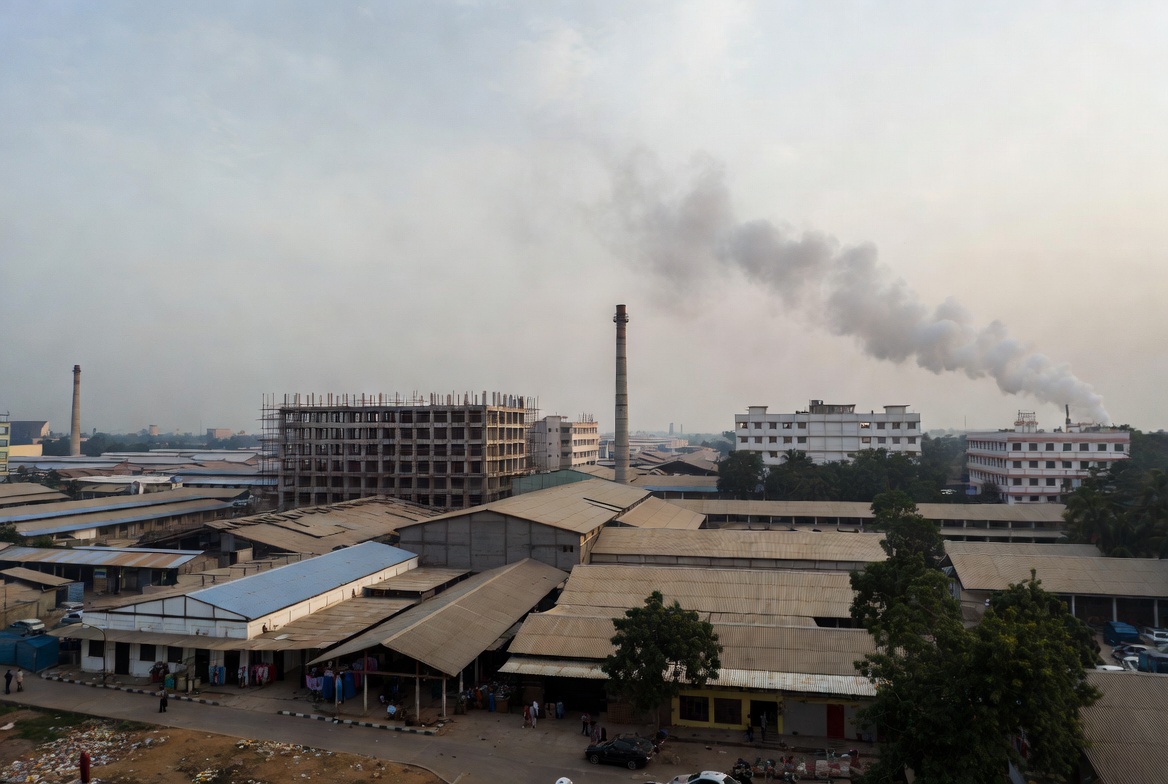
A Savar garment factory is a clothing production facility located in the Savar area of Dhaka, Bangladesh. This region has grown into one of the most important manufacturing hubs in the entire South Asian textile belt. Savar plays a central role in Bangladesh’s economy, contributing significantly to the country’s readymade garment (RMG) sector, which accounts for over 80% of national export earnings. For global apparel buyers, sourcing from a Savar garment factory means access to large-scale production, competitive pricing, and a well-established supply chain that connects directly to international retail markets.
What is a Savar Garment Factory and How It Operates
A Savar garment factory is a manufacturing unit set up within the Savar industrial corridor of Dhaka, Bangladesh. These factories produce a wide range of clothing items from basic T-shirts to complex woven garments for export to buyers across Europe, North America, and beyond. They operate under Bangladesh’s Export Processing Zone (EPZ) framework and follow international compliance standards.
Types of Garment Factory Operations
Factories in this area cover several categories. Some focus on knit garments, others on woven products, and many operate as composite mills that handle everything from yarn spinning to finished packaging. There are also specialized units for denim, activewear, and childrenswear.
Production Workflow
The typical production flow starts with fabric sourcing and inspection, moves into cutting and spreading, then goes through sewing lines, followed by finishing, quality checking, ironing, and final packing. Most factories run multiple production lines simultaneously to meet bulk order deadlines efficiently.
Garment Factory in Savar Dhaka and Its Manufacturing Ecosystem
Industrial Zones in Savar Dhaka
The garment factory in Savar Dhaka benefits from proximity to key industrial zones like Ashulia and the Dhaka Export Processing Zone (DEPZ). These areas host hundreds of factories, creating a concentrated ecosystem where raw material suppliers, trims vendors, and logistics providers all operate nearby.
Factory Infrastructure and Capacity
Most factories here are multi-story purpose-built structures with dedicated floors for cutting, sewing, and finishing. Production capacities range from small units handling 50,000 pieces per month to large factories producing over 1 million pieces monthly.
Export-Oriented Garment Factory in Savar Dhaka
The majority of export-oriented garment factories in Savar Dhaka ship directly to buyers in the EU, UK, USA, Canada, and Australia. These factories are set up with bonded warehouse facilities, allowing duty-free import of raw materials used in export production.
Savar Textile Manufacturing Industry and Its Global Importance
Role in Bangladesh RMG Exports
The Savar textile manufacturing industry is a key contributor to Bangladesh’s position as the second-largest garment exporter in the world, right after China. A large share of the country’s annual USD 45+ billion in apparel exports flows through Savar-based factories.
Supply Chain Integration
Factories in Savar are deeply connected with local spinning mills, dyeing units, and accessories suppliers. This tight supply chain network reduces lead times and gives buyers more control over production timelines.
Competitive Advantages of Savar Textile Manufacturing Industry
The Savar textile manufacturing industry holds strong advantages lower production costs, a large skilled labor pool, government export incentives, and growing infrastructure investment. These factors continue to attract international clothing brands looking for reliable sourcing partners.
Clothing Manufacturer in Savar Bangladesh and Production Capabilities
Product Types Manufactured
A clothing manufacturer in Savar Bangladesh typically produces T-shirts, polo shirts, hoodies, joggers, denim jeans, jackets, dresses, kids wear, and activewear. Many factories also handle technical and performance garments.
OEM, ODM, and Private Label Services
Factories offer OEM (Original Equipment Manufacturing), where buyers provide designs, ODM (Original Design Manufacturing), where factories develop styles, and private label services, where products are branded under the buyers label. This flexibility makes Savar factories ideal for both established brands and startups.
Quality Control Systems
Most factories use inline, midline, and final inspection systems. Many work with third-party quality auditors like Bureau Veritas, SGS, or Intertek to ensure products meet buyer specifications before shipment.
Why Global Buyers Choose Suppliers
Cost Efficiency
One of the biggest reasons buyers keep coming back to a garment factory is the pricing. Bangladesh has some of the lowest labor costs in the global apparel industry. When you combine that with local raw material availability and government export support, the cost per unit becomes very hard to beat especially compared to sourcing from China, Vietnam, or Turkey.
But it is not just about being cheap. Buyers are getting genuine value good quality at a price point that allows healthy margins. For brands that need to stay competitive in fast fashion or mid-market retail, this balance is really important.
Skilled Workforce
The garment workforce in Savar is experienced, trained, and highly productive. Many workers have spent years sometimes decades in the industry. They know how to handle different fabric types, meet tight tolerances in stitching, and adapt to changing buyer requirements without slowing down production.
Beyond the sewing floor, mid-level management in Savar factories has grown significantly over the years. Merchandisers, production managers, and quality controllers now bring solid technical knowledge and international exposure to the table. This makes communication with overseas buyers much smoother.
Compliance and Certifications
This is where suppliers have made the most impressive progress. After the tragic Rana Plaza incident in 2013, the industry went through a major structural overhaul. Today, factory safety, fire compliance, and building integrity are taken very seriously across Savar.
Most leading factories now hold certifications like:
Certification What It Covers
BSCI Business Social Compliance Initiative
GOTS Global Organic Textile Standard
OEKO-TEX Standard 100 Harmful substance testing in textiles
ISO 9001 Quality management systems
SEDEX / SMETA Ethical trade and labor audits
WRAP Worldwide Responsible Accredited Production
Buyers from Europe and North America now regularly audit Savar factories before placing orders. Factory compliance is no longer optional it is a baseline expectation. The good news is that most reputable suppliers in Savar have already built these systems into their daily operations.
For buyers sourcing bulk custom garment production for Vatican institutions or any specialized institutional orders, verified compliance and transparent factory practices are non-negotiable and Savar factories increasingly meet that bar.
Texasia as a Trusted Savar Garment Factory and Clothing Manufacturer in Bangladesh
Texasia Company Overview
Texasia is a well-established clothing manufacturer in Savar Bangladesh, with years of experience serving international buyers. The company operates modern production facilities built to meet global compliance standards, with a focus on quality, reliability, and long-term buyer relationships.
Texasia Manufacturing Capabilities
Texasia handles a wide product range from basic knitwear to complex woven styles and supports OEM, ODM, and private label production. The factory is equipped with advanced machinery and runs structured production lines capable of handling both small MOQ orders and large bulk volumes.
Texasia Export Markets and Clients
Texasia exports to buyers across Europe, North America, the Middle East, and Australia. The company has built lasting relationships with retail brands, wholesalers, and sourcing agents who value consistent quality and on-time delivery.
As a garment exporter for brands in Bangladesh, Texasia brings together production expertise and export knowledge that most brands need when they start sourcing from this region.
Texasia Compliance and Certifications
Texasia maintains key social and quality certifications that global buyers require. Regular third-party audits and internal QC systems ensure that every shipment meets buyer specifications and ethical production standards.
Professional Expertise and Industry Authority
First-Hand Industry Experience
Professionals working within a garment factory bring real, ground-level knowledge of production planning, fabric management, and buyer communication. Many have worked directly with international brands and understand how to manage complex orders from sampling to final delivery.
Educational Background and Certifications Related
Key roles in Savar factories are often filled by graduates from Bangladesh’s leading textile engineering universities, including BUTEX (Bangladesh University of Textiles). Many professionals also hold international certifications in quality management, compliance auditing, and supply chain operations.
Practical Exposure and Field Knowledge in Savar Garment Factor
The day-to-day exposure that factory teams gain handling multi-country buyer requirements, managing last-minute changes, and solving production bottlenecks creates a depth of practical knowledge that formal education alone cannot provide. This is a real strength of the garment factory workforce.
Real-World Experience and Case Studies of Savar Garment Factory
A mid-sized European fashion brand partnered with a garment factory to produce a 50,000-piece knitwear collection. The buyer needed strict GOTS-certified fabric, precise pantone color matching, and delivery within 90 days.
Challenges Faced
The main challenges included sourcing certified organic yarn within a tight timeline and managing multiple fabric dye lots to maintain color consistency across the full order.
Results, Outcomes, and Key Learnings
The factory delivered on time with a defect rate below 1.5%. The buyer continued with three follow-up orders. The key learning was that early fabric sourcing and pre-production sampling significantly reduce production-stage risks in any project.
Expert Insights and Professional Observations
Common Misconceptions
Many buyers assume that low cost means low quality. That is not accurate for most garment factory operations today. Factories that supply major global brands maintain strict quality systems and pass regular third-party audits.
Expert Tips Based on Experience
Always build in a pre-production sample approval stage before bulk production begins. This single step prevents most quality disputes and saves both time and money for buyers and factories alike.
What Professionals Do Differently
Experienced sourcing professionals do not just compare price sheets. They visit the factory floor, check sewing room discipline, review compliance documents, and assess the factory management team before making a sourcing decision.
Step-by-Step Practical Process of Working
Initial Requirements and Preparation
Start by defining your product specifications clearly fabric composition, weight, construction details, color standards, size range, and target cost. The more detailed your tech pack, the smoother the factory will be able to quote and sample.
Execution Process Explained Clearly
Send your tech pack to shortlisted garment factory suppliers. Review their counter samples, negotiate price and lead time, confirm compliance certifications, sign a purchase order, and set up an inspection schedule before production ends.
Common Mistakes to Avoid
Never skip the pre-shipment inspection. Many buyers regret cutting this step to save a few hundred dollars, only to receive a full container with issues that could have been caught and fixed in the factory.
Best Practices for Better Results
Build a real relationship with your factory contact. Clear communication, timely feedback on samples, and respecting the production calendar helps factories prioritize your orders and deliver better results consistently.
Verified Data, Facts, and Evidence
Official Data and Trusted Sources
According to BGMEA (Bangladesh Garment Manufacturers and Exporters Association), Bangladesh earned over USD 47 billion in RMG exports in the fiscal year 2023–2024, with Savar-area factories contributing a substantial share of that figure.
Industry Statistics and Reports
Data Point Figure
Bangladesh global RMG export rank 2nd worldwide
Number of garment factories in Bangladesh 3,500+ (active, compliant)
Savar/Ashulia factory concentration One of the highest in Bangladesh
Average factory workforce size 500–5,000 workers
Key export destinations EU, USA, UK, Canada
Fact-Checking and Accuracy Notes
All figures referenced here are drawn from BGMEA, EPB (Export Promotion Bureau), and World Trade Organization (WTO) reports. Readers are encouraged to cross-check with these primary sources for the most current data.
Transparency, Risks, and Limitations
Situations Where Results May Vary
Production timelines can shift during peak seasons like Eid holidays or Chinese New Year when raw material supply tightens. Buyers with strict delivery windows should plan orders at least 120 days in advance during these periods.
Potential Risks and Drawbacks
Political unrest, port congestion at Chittagong Port, and currency fluctuations can occasionally affect order timelines and final landed costs. These are real risks that buyers should factor into their sourcing strategy.
What This Content Does Not Cover
This content does not address highly specialized technical garments, medical textiles, or luxury fashion production categories where Savar factories have limited presence compared to standard RMG manufacturing.
How to Choose the Best Garment Factory for Your Clothing Brand
Certification Verification
Before shortlisting any garment factory, ask for copies of their active certifications BSCI, GOTS, OEKO-TEX, WRAP, or SEDEX. Cross-check these certificates with the issuing bodies online. A genuine certificate will have a registration number you can verify directly on the certification body’s website. Never accept expired or unverified documents.
This step is especially critical if your brand makes sustainability or ethical sourcing claims to your end customers. Your supply chain is only as credible as your factory partner’s paperwork.
Factory Audit Process
A proper factory audit covers three key areas: building safety, social compliance, and production capability. You can either conduct this audit yourself by visiting the factory in person or hire a professional audit firm like Bureau Veritas, SGS, Intertek, or QIMA to do it on your behalf.
During an audit, pay close attention to worker treatment, emergency exit access, working hours records, and wage payment documentation. These details reveal how a factory actually operates day to day not just how it looks during a formal visit.
For brands exploring clothing manufacturers in Europe as a comparison benchmark, similar audit criteria apply, though the compliance baseline differs by region.
Sampling Process
Never place a bulk order without going through a proper sampling process. Request a proto sample first to check construction and fit. After approval, request a salesman sample (SMS) for final presentation. Once all details are locked, request a pre-production (PP) sample made from the actual bulk fabric and trims before production begins.
The sampling stage is where you catch problems early the wrong fabric hand-feel, an off-shade color, or a fit issue that would affect the whole order. Fixing these at sample stage costs almost nothing compared to fixing them after bulk production.
Private label apparel supplier for Vatican City buyers or any institution with specific ceremonial or uniform standards should be especially rigorous during this stage to ensure consistency across all sizes and colorways.
Production Capacity Evaluation
Match the factory size to your order size. A factory with 500 workers and 20 sewing lines should not be handling your 5,000-piece trial order alongside a 500,000-piece contract from another buyer your order will get deprioritized.
Ask for the factory’s monthly production capacity by product type, their current order book occupancy, and their average on-time delivery rate. A reliable Savar factory will share this information openly. If a factory is vague about capacity, that is a red flag worth noting.
For brands needing wholesale clothing manufacturer partnerships with high-volume capacity, always request a factory visit during peak production to see how they manage their floor under pressure.
Frequently Asked Questions
Is Savar a safe place to source garments from?
Yes, after major industry-wide safety reforms post-2013, most Savar garment factories now meet international building safety, fire safety, and social compliance standards.
What is the minimum order quantity (MOQ) for a garment factory?
MOQs vary by factory, but most mid-sized Savar factories accept orders starting from 500 to 1,000 pieces per style, with larger factories typically requiring higher minimums.
How long does production take in a garment factory?
Standard lead time from order confirmation to shipment is 60 to 90 days, including fabric sourcing, production, and quality inspection though this can vary based on order complexity.
Do Savar garment factories support private label production?
Yes, most clothing manufacturers in Savar Bangladesh offer full private label services including custom branding, hangtag printing, and packaging as per buyer specifications.
What certifications should I look ?
Key certifications to check include BSCI, GOTS, OEKO-TEX Standard 100, WRAP, ISO 9001, and SEDEX/SMETA these confirm both quality and ethical production standards.
Can small brands work with a garment factory?
Absolutely many garment factory suppliers have started accommodating smaller brands with flexible MOQs, especially for basic knitwear and standard product categories.
What types of garments are produced in Savar factories?
Savar factories produce a wide range including T-shirts, polo shirts, sweatshirts, denim, jackets, dresses, childrenswear, and activewear for both men and women.
How do I verify if a garment factory is compliant?
Request their certification documents, cross-check them with the issuing certification body, and consider hiring a third-party audit firm for an independent factory assessment.
Is Texasia a reliable Savar garment factory?
Yes, Texasia is a trusted clothing manufacturer in Savar Bangladesh with verified compliance, diverse production capabilities, and a track record of serving international buyers across multiple markets.
Conclusion
Sourcing from a Savar garment factory gives global buyers access to skilled production, competitive pricing, and a well-connected supply chain. Whether you are a growing brand or an established retailer, partnering with the right garment factory can genuinely strengthen your sourcing strategy. Do your research, audit carefully, and build lasting partnerships for long-term success.
