
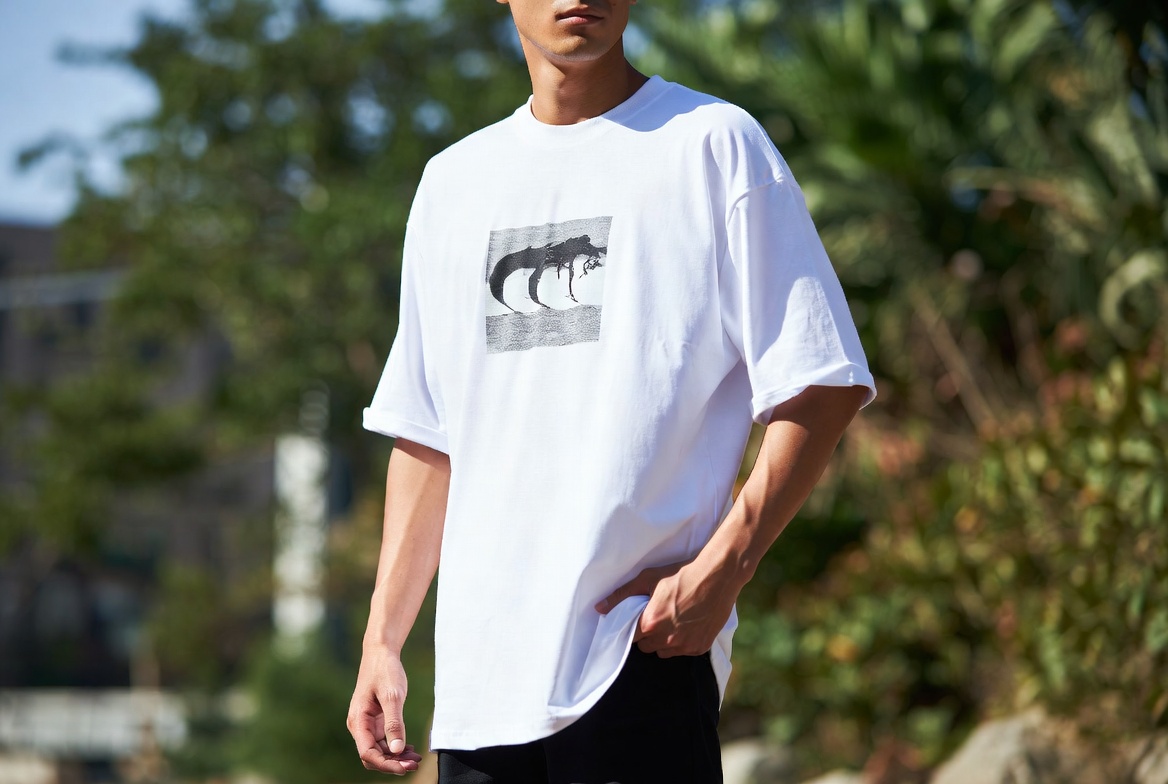
Bangladesh has become one of the most trusted names in global garment manufacturing. When it comes to oversized T-shirt production in Bangladesh, the country delivers a powerful mix of skilled labour, competitive pricing, and world-class fabric quality. Brands from Europe, the US, and beyond are actively sourcing oversized styles from Bangladeshi factories — and for good reason.
European buyers in particular love what Bangladesh offers: consistent quality, ethical production standards, and flexible order sizes. At the heart of this growing export sector is Texasia, a trusted name in premium T-shirt manufacturing built for global markets.
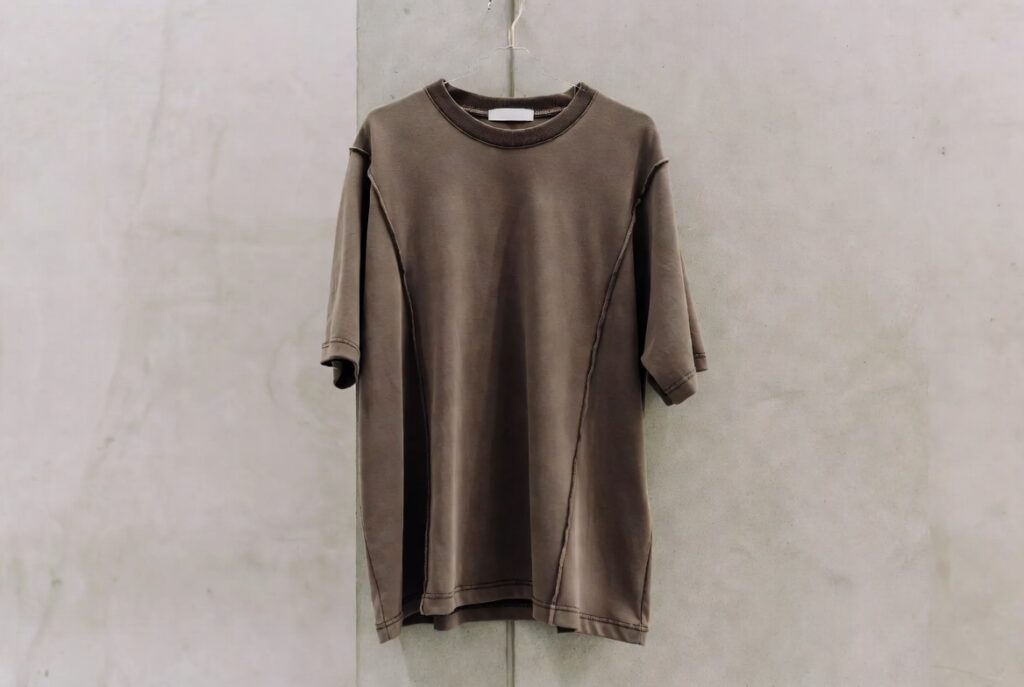
Market Demand of Oversized T shirt Bangladesh
Global Streetwear Influence
Streetwear is no longer just a trend — it is a lifestyle. From Berlin to Barcelona, young consumers aged 18 and up are reaching for loose-fit, boxy tees as their daily staple. This cultural shift has pushed brands to seek manufacturers capable of producing high-volume, oversized silhouettes at an affordable cost. Bangladesh sits right at the centre of this demand, with factories already scaled to meet fast-moving fashion cycles. The rise of drop culture, influencer fashion, and gender-neutral clothing has made oversized styles one of the fastest-growing product categories in global apparel.
European Buyer Expectations
EU buyers are not just looking for cheap production — they want reliability. They expect consistent GSM, accurate sizing (especially for EU S/M/L/XL standards), OEKO-TEX certified fabrics, and ethical workplace conditions. They also expect documentation, including REACH compliance, test reports, and customs paperwork that comply with EU import requirements. Bangladesh has steadily grown to meet these expectations, making it a natural sourcing destination.
Price-to-Quality Advantage
The cost-per-unit for an oversized T-shirt produced in Bangladesh can be 30–50% lower than production in Europe or even other Asian countries like China or Vietnam. Yet the quality remains competitive. 180–240 GSM cotton fabrics, finished with proper ring-spun or combed cotton processes, are standard in many Bangladeshi factories. That is a strong value equation for any brand.
Fabric and Knitwear Capabilities
Role of the Round Neck T-shirt in Bangladesh Streetwear Lines
The round neck T-shirt is the backbone of every streetwear collection. It is clean, minimal, and works with every graphic or print. In Bangladesh, round neck production is highly refined, with factories offering ribbed collar options, double-needle hemming, and side-seam or tubular construction, depending on buyer preference.
Why 100% Cotton Jersey Crew Neck Dominates Oversized T-shirt Production in Bangladesh
100% cotton jersey crew neck fabric remains the top choice for oversized T-shirt production. It is breathable, soft on the skin, and holds print and embroidery well. Most Bangladeshi factories work with 160–220 GSM single jersey knit, which gives that perfect drape for oversized silhouettes without feeling too heavy or too thin. The fabric is sourced locally or from trusted mills in India and China.
Capacity of Knitwear Garment Factory, Dhaka, for Bulk Orders
Dhaka is the knitwear capital of Bangladesh. The concentration of knitwear garment factories in Dhaka means buyers have access to vertical setups — from yarn to finished product — under one roof. Many factories in Dhaka can handle 50,000 to 500,000 pieces per month, depending on the product type. For oversized tees, this scale is a massive advantage for brands that need seasonal or year-round restocking. Learn more at Texasia’s T-shirt production page.
Manufacturing Process
Pattern Development
Every great oversized T-shirt starts with the right pattern. In Bangladesh, pattern makers work with tech packs provided by buyers or develop original patterns based on size charts. For oversized fits, the chest, shoulder drop, and body length are specifically adjusted to create that signature relaxed, boxy silhouette. CAD software is commonly used in larger factories for precision.
Cutting, Stitching, and Washing Standards
Fabric cutting is done using automated or manual cutting machines, depending on order size. Layers of fabric are spread on cutting tables and cut in bulk for speed. Stitching is done using 5-thread overlock machines for side seams and flatlock machines for hems. After stitching, garments go through washing — either enzyme wash, softener wash, or garment dye — depending on the buyer’s finish requirements.
Quality Control Workflow
QC checkpoints are built into every stage. In-line inspection happens during cutting and stitching. End-line inspection checks finished garments for stitch density, measurements, colour consistency, and defects. Final random audits follow AQL standards (typically AQL 2.5 for EU buyers). Any garment outside tolerance is rejected or reworked.
Packaging and Export Compliance
Finished T-shirts are folded, tagged, polybagged, and packed into export cartons according to buyer specifications. Carton markings include product details, country of origin, care labels, and barcodes. Factories prepare packing lists, commercial invoices, and certificates of origin for customs clearance.
Compliance and Certifications
Social Compliance Requirements for EU Importers
EU importers require factories to meet social compliance standards before placing orders. This includes BSCI, SMETA (2-pillar or 4-pillar), and SA8000 audits. These audits cover working hours, fair wages, fire safety, building safety, and no-child-labour policies. Bangladesh has made significant progress in this area since 2013, with thousands of factories now audit-certified.
Environmental Standards
Green production is no longer optional for European buyers. Factories must demonstrate wastewater treatment, energy efficiency, and responsible chemical use. Certifications like GOTS (Global Organic Textile Standard) and OEKO-TEX Standard 100 are increasingly required, especially for cotton-heavy products like oversized T-shirts. Many leading Bangladeshi factories already carry these certifications.
Testing and Documentation for European Customs
Before shipment, lab testing is done for colourfastness, shrinkage, pH levels, and chemical residue. Test reports from accredited labs like SGS, Bureau Veritas, or Intertek are standard. EU customs also require correct HS codes, GSP certificates (Form A), and country-of-origin documentation for duty benefits.
Cost Structure
Fabric Cost vs Labour Advantage
In Bangladesh, labour costs remain among the lowest in the world for garment work. The minimum wage in the RMG sector is around $113–$120 per month (as of recent updates), which keeps per-unit production costs very competitive. Fabric is the largest cost driver, typically making up 50–60% of the total garment cost. Local fabric sourcing helps reduce this further.
| Cost Component | Approximate Share |
|---|---|
| Fabric (100% Cotton Jersey) | 50–60% |
| Labor & Sewing | 15–20% |
| Trims and Accessories | 5–8% |
| Washing and Finishing | 5–7% |
| Overhead and Profit | 10–15% |
MOQ, Sampling, and Development Charges
Most factories in Bangladesh set a minimum order quantity (MOQ) of 500–1,000 pieces per colour per style for oversized T-shirts. Some specialised factories offer low MOQ T-shirt manufacturing for smaller brands. Sampling charges typically range from $30 to $80 per sample, though they are often adjusted against bulk order values.
Freight and Lead Time Factors
Lead time from order confirmation to shipment is typically 45–75 days, including sampling, bulk production, and quality checks. Freight from Chittagong port to European destinations by sea takes 18–25 days. Air freight is available for urgent orders, but it significantly increases the per-unit cost.
Why Texasia Leads Oversized T-shirt Production in Bangladesh for Europe
Production Strengths of Texasia
Texasia is a vertically integrated manufacturer with strong capabilities in knitwear production, custom T-shirt development, and bulk export. Their production floor handles everything from fabric knitting to finishing, which means tighter quality control and faster turnaround. They specialise in oversized T-shirts, graphic tees, and private label apparel for European and global brands.
Experience in European Compliance
Texasia has direct experience working with EU buyers and understands the documentation, testing, and audit requirements inside out. Their team ensures every order ships with the proper OEKO-TEX certifications, test reports, and compliance paperwork that meet European customs standards, without delay.
Customisation and Private Label Expertise
Whether a brand needs custom woven labels, neck prints, hem tags, or specific packaging, Texasia handles it all. Their private-label T-shirt manufacturing service is designed for brands that want full ownership of their product identity — from fabric choice to the final hang tag.
Professional Background in Oversized T-shirt Production
First-Hand Industry Experience
The team behind oversized T-shirt production at the top factories in Bangladesh has years of direct on-the-floor experience. Production managers and merchandisers have worked hands-on with buyers from Germany, the UK, France, and Scandinavia — learning exactly what these markets want in terms of fit, finish, and compliance.
Educational Background and Certifications
Many key personnel in leading factories hold degrees in Textile Engineering or Apparel Merchandising from institutions like BUFT or BGMEA University of Fashion and Technology. Combined with ISO, OEKO-TEX, and social audit training, this educational foundation directly supports production quality.
Practical Exposure and Field Knowledge
Factory visits, trade fairs like Magic Las Vegas and Texworld Paris, and direct buyer meetings have given Bangladeshi manufacturers a global perspective. This field exposure shapes how they approach new product development, pricing conversations, and compliance upgrades.
Real-World Experience and Case Studies in Oversized T-shirt Production in Bangladesh
Practical Case Study Overview
A mid-sized European streetwear brand placed an order of 12,000 oversized T-shirts with a Dhaka-based factory through Texasia. The order required 220 GSM combed cotton, drop-shoulder fit, garment-dyed in 6 colours, with private labels and recycled poly bags.
Challenges Faced in Real Scenarios
The main challenge was colour consistency across dye batches, especially for earthy tones like clay and sage green. The washing department had to run multiple lab dip approvals before bulk production started. Sizing consistency across XS to 3XL also required extra pattern checks.
Results, Outcomes, and Key Learnings
The order shipped on time with a defect rate under 1.2% and received positive feedback from the buyer on both quality and packaging. The key learning: early-stage lab dip approval and mid-production QC audits save time and cost in the long run.
Expert Insights and Professional Observations
Common Misconceptions in This Topic
Many buyers assume Bangladesh only handles basic, low-end T-shirts. That is not true. Factories here regularly produce premium 220–260 GSM oversized tees with enzyme wash, distressed printing, and complex embroidery — at a fraction of the cost of European production.
Expert Tips Based on Experience
Always send a detailed tech pack with measurements for every size, not just a sample. This single step prevents most sizing complaints. Also, approve your lab dips in person or with calibrated digital tools — screen-based colour approvals often lead to shade mismatches.
What Professionals Do Differently
Experienced sourcing managers build relationships with two or three backup factories in Bangladesh alongside their primary vendor. This protects supply continuity during peak seasons or unforeseen disruptions.
Step-by-Step Practical Process of Oversized T-shirt Production
Initial Requirements and Preparation
Start with a clear tech pack: measurements, fabric specs, GSM, Pantone colour codes (preferred), print artwork, and packaging requirements. The more detail you provide upfront, the smoother the process will be.
Execution Process Explained Clearly
- Factory confirms tech pack and submits costing sheet
- The pre-production sample is made and approved
- Fabric is knitted, dyed, and tested
- Bulk cutting and stitching begin after approval
- Inline and end-line QC checks run throughout
- Washing, finishing, labelling, and packing follow
- Final inspection and shipment booking
Common Mistakes to Avoid
Skipping pre-production samples to save time almost always results in costly rework. Vague colour references (saying “light blue” instead of providing a Pantone code) lead to disputes. Ignoring MOQ thresholds can push factories to deprioritise your order during busy periods.
Best Practices for Better Results
Always request an in-house lab test report before the final audit. Visit the factory at least once — even virtually via video call — to understand their actual capacity. Maintain a clear email trail for every approval and change request.
Verified Data, Facts, and Evidence About Oversized T-shirt Production
Official Data and Trusted Sources
According to BGMEA (Bangladesh Garment Manufacturers and Exporters Association), Bangladesh exported over $38 billion worth of garments in FY 2022–23, with knitwear accounting for the majority share. The EU remains the largest export destination, taking approximately 60% of total garment exports.
| Year | Total Garment Export (USD Billion) | Knitwear Share |
|---|---|---|
| 2020–21 | $31.45B | ~55% |
| 2021–22 | $35.81B | ~58% |
| 2022–23 | $38.24B | ~61% |
Industry Statistics and Reports
The global oversized T-shirt market is projected to grow at a CAGR of over 6% through 2028, driven by the adoption of streetwear and gender-neutral fashion trends. Bangladesh is positioned to capture a growing share of this demand due to its existing knitwear infrastructure.
Fact-Checking and Accuracy Notes
All production cost figures in this guide reflect 2024–2025 market rates and may vary by fabric type, order volume, and factory tier. For updated pricing, always request a fresh costing sheet directly from your factory or sourcing partner.
Transparency, Risks, and Limitations
Situations Where Results May Vary
Lead times and pricing can fluctuate with seasonal demand, raw material availability, and port congestion. During peak production months (July–October), factory capacity fills up fast, which can extend timelines.
Potential Risks and Drawbacks
Quality inconsistency between sample and bulk production remains a real risk when working with factories that lack strong QC systems. Payment terms (especially 30–50% advance payments) also carry financial risk when the relationship is new and unverified.
What This Content Does Not Cover
This guide focuses on standard cotton oversized T-shirt production. It does not cover specialised performance fabrics (like moisture-wicking or bamboo blends), fully automated cut-and-sew operations, or deeply technical compliance frameworks for markets outside the EU. For a broader look at T-shirt manufacturing in Bangladesh, additional resources are available.
Frequently Asked Questions
What is the standard GSM for oversized T-shirt production ?
Most factories use 180–240 GSM for oversized T-shirts, with 200–220 GSM being the sweet spot for a quality feel without excessive weight.
What is the typical MOQ for oversized T-shirt orders in Bangladesh?
The standard MOQ is 500–1,000 pieces per colour, though some factories offer lower minimums for emerging brands.
How long does production take for a bulk oversized T-shirt order?
From order confirmation to shipment, expect around 45–75 days, including sampling and quality checks.
Is Bangladesh compliant with EU garment import regulations?
Yes, leading factories carry OEKO-TEX, BSCI, GOTS, and REACH compliance documentation required by EU importers.
Can I get private-label packaging for my oversized T-shirt order?
Absolutely. Most factories, including Texasia, offer full private label services, including custom woven labels, hang tags, and branded packaging.
What fabric is best for oversized T-shirts made in Bangladesh?
100% combed cotton single jersey is the most popular choice — it is soft, breathable, and holds colour and print well.
Are small brands able to order from factories in Bangladesh?
Yes. Several factories specialise in small-order T-shirt manufacturing to support growing brands with limited budgets.
Conclusion
Oversized T-shirt production in Bangladesh offers the right mix of price, quality, and scale for global brands. With factories like Texasia leading the way, buyers from Europe and beyond can source with confidence — getting well-made products that meet every compliance and style requirement.
