
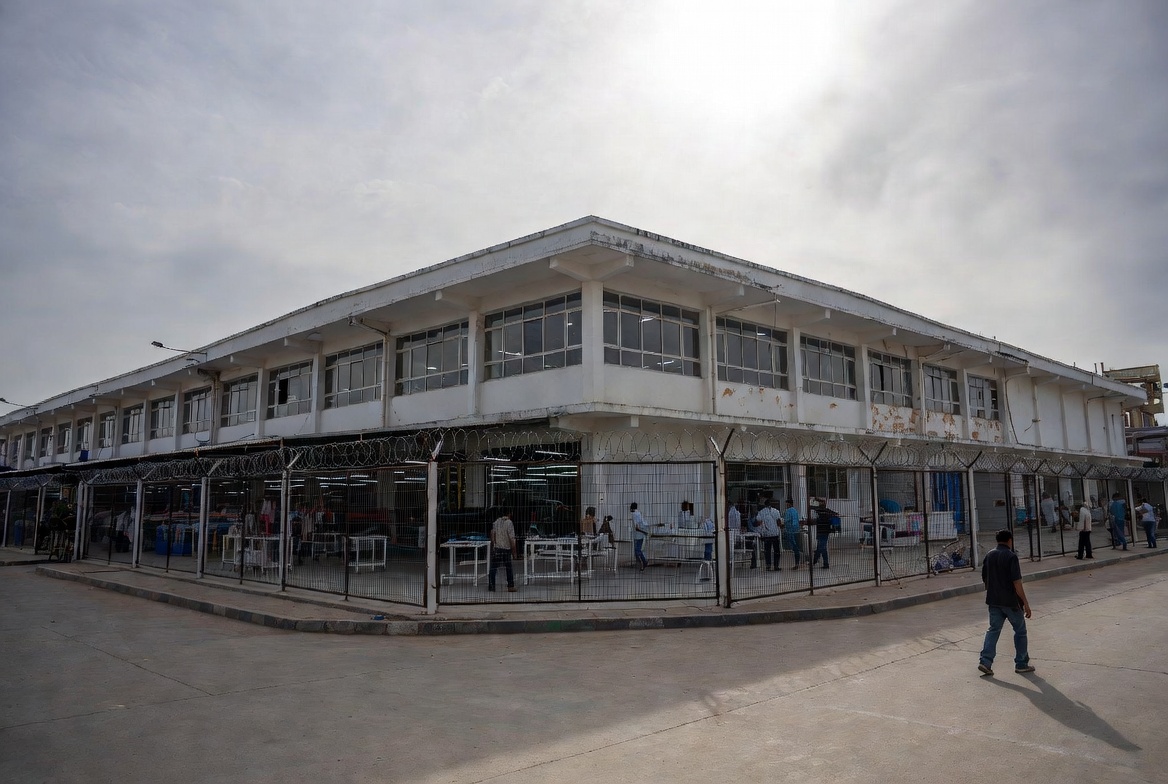
If you are a global buyer looking for a reliable garment sourcing destination, the Narayanganj garment factory clusters are worth your full attention. This city in Bangladesh has built a strong reputation for producing high-quality apparel at competitive prices. From knitwear to woven garments, Narayanganj supplies some of the world’s biggest fashion brands. This guide covers everything you need to know before you start sourcing from this region.
Overview of Narayanganj Garment Factory Ecosystem and Industry Importance
Historical Development
The garment industry in Narayanganj began to grow in the 1980s alongside Bangladesh’s broader readymade garment (RMG) boom. The city had a long textile history, especially in cotton yarn and fabric production. That foundation made it easy for garment factories to set up and scale quickly. Over the decades, Narayanganj transformed into one of Bangladesh’s most productive apparel manufacturing zones.
Role in the Bangladesh Garment Industry
Bangladesh earns over $40 billion annually from garment exports, and Narayanganj plays a key part in that number. The city is home to hundreds of export-oriented factories producing knitwear, T-shirts, sweaters, and more. Narayanganj garment factory units are deeply connected to Dhaka-based buying houses and international brands. The city acts as a production backbone for the national apparel export sector.
Global Supply Chain Importance
Buyers from the USA, EU, Canada, and Australia regularly source from Narayanganj. The city sits close to Dhaka and has good road and river access to Chittagong Port, the main export gateway. This location advantage keeps lead times short, and logistics costs manageable. Global fashion brands count on Narayanganj factories for consistent quality and volume delivery.
Apparel Manufacturer in Narayanganj and Manufacturing Specialisation
Types of Apparel Manufacturers Cluster
The Narayanganj cluster includes small, medium, and large-scale apparel manufacturers. Some factories focus only on knitwear, while others handle woven, denim, or mixed product lines. You will find both CMT (Cut, Make, Trim) and full-package manufacturers here. This variety gives buyers the flexibility to match their sourcing needs with the right factory type.
Product Categories Produced by Apparel Manufacturer
Factories in Narayanganj produce a wide range of products, including T-shirts, polo shirts, hoodies, sweatshirts, leggings, tank tops, and activewear. Many units also produce undergarments, baby clothing, and sportswear. The types of T-shirts produced in this region of Bangladesh include crew necks, V-necks, longline styles, and oversized fits, covering almost every retail category.
Export-Focused Production by Apparel Manufacturer
Export compliance is built into the production process in Narayanganj. Factories follow international labelling, packaging, and documentation standards. Most manufacturers here are BGMEA-registered and work with freight forwarders who are familiar with customs procedures in their target markets. This makes the export process smoother and more predictable for overseas buyers.
Clothing Factory in Narayanganj, Bangladesh, and Production Infrastructure
Factory Size and Production Capacity in the Clothing Factory in Narayanganj, Bangladesh
Clothing factories in Narayanganj, Bangladesh, range from 500-worker units to large operations with over 5,000 employees. Monthly production capacity at a mid-size factory can reach 300,000 to 500,000 pieces, depending on the product type. Large factories often run multi-line production floors with dedicated cutting, sewing, finishing, and quality sections under one roof.
Technology and Machinery Used in a Clothing Factory in Narayanganj, Bangladesh
Modern clothing factories in Narayanganj use computerised cutting machines, auto-spreading systems, flatlock sewing machines, and digital printing setups. Many factories have adopted ERP systems for production tracking and order management. This level of technology helps factories meet tight deadlines while keeping defect rates low and maintaining high output quality.
Workforce Expertise in Clothing Factory in Narayanganj, Bangladesh
The workforce in Narayanganj is skilled, experienced, and production-trained. Many workers have been in the industry for 10 to 20 years, building strong expertise in sewing, finishing, and quality control. Factory supervisors often have formal training from the BGMEA Institute of Fashion and Technology (BIFT) or similar institutions. This depth of skill keeps production standards consistent across orders.
Knitwear Manufacturer Narayanganj and Knit Production Specialisation
Knitwear Product Categories in Knitwear Manufacturer
Knitwear manufacturers in Narayanganj produce a full range of knitwear: single-jersey T-shirts, ribbed polos, French terry hoodies, fleece sweatshirts, and interlock sportswear. The range also covers kids’ knitwear, women’s tops, and athletic gear. Buyers can source these products in a wide range of fabric weights, GSMs, and yarn compositions, including cotton, polyester, and blended fabrics.
Knitwear Production Process in Knitwear Manufacturer
The knit production process starts with yarn sourcing, followed by circular knitting, dyeing, finishing, cutting, sewing, and final inspection. Narayanganj has a strong backward linkage industry, meaning many factories source yarn and fabric locally. Understanding the circular knit jersey production process helps buyers appreciate why Narayanganj delivers such consistent fabric quality across bulk orders.
Global Export Markets Served by Knitwear Manufacturer
Knitwear from Narayanganj reaches retail shelves in the USA, Germany, the UK, France, the Netherlands, Canada, Australia, and Japan. Major global retailers like H&M, Zara, Walmart, and Target source knitwear from this region. The EBA (Everything But Arms) trade agreement also helps Narayanganj factories export to the EU at zero tariff, making pricing even more attractive to European buyers.
Production Capabilities
Product Development Capabilities
Top Narayanganj garment factories offer full product development support, including tech pack review, fabric sourcing, sample making, and pre-production approval. Many factories have in-house design teams that can help buyers refine their product concepts. From initial samples to bulk production, factories work closely with brand teams to ensure the final product matches the original brief.
Mass Production Efficiency
Once sampling is approved, Narayanganj factories move quickly into mass production. Multi-line sewing floors enable factories to run parallel production for multiple SKUs simultaneously. Strong internal logistics, including cutting room management and inline quality checks, keep production on schedule. Most factories maintain on-time delivery rates above 90%, which is critical for retail buyers managing seasonal collections.
Private Label Manufacturing Services
Private-label manufacturing is one of Narayanganj factories’ strongest offerings. Brands can bring their own designs or work with factory teams to create exclusive product lines under their own label. Services include custom labelling, hangtags, packaging, and branded poly bags. For brands looking to build their own clothing line without owning a factory, this is a very practical and private-label T-shirt manufacturer in Bangladesh solution.
Compliance Standards and Certifications
International Compliance Follows
Leading Narayanganj garment factories hold internationally recognised certifications, including GOTS (Global Organic Textile Standard), OEKO-TEX, ISO 9001, and WRAP (Worldwide Responsible Accredited Production). These certifications confirm that factories meet global standards for product safety, chemical use, labour practices, and quality management. Buyers in regulated markets such as the EU and North America prioritise these certifications when selecting suppliers.
Social and Environmental Standards
After the 2013 Rana Plaza incident, Bangladesh made major reforms in factory safety and labour rights. Narayanganj factories have since invested heavily in fire safety systems, building structural audits, and worker welfare programs. Many factories now follow the SA8000 social accountability standards and participate in sustainability programs to reduce water use, chemical discharges, and carbon emissions.
BGMEA Compliance and Export Regulations
All legitimate Narayanganj garment factory units are registered with BGMEA (Bangladesh Garment Manufacturers and Exporters Association). This registration ensures compliance with national labour laws, minimum wage regulations, and export documentation requirements. BGMEA membership also connects factories to trade facilitation services and international buyer networks, making sourcing through BGMEA-registered factories a safer choice.
Export Markets Servess Globally
USA Export Partnerships
The United States is one of the largest buyers of garments from Narayanganj. American brands and retailers source T-shirts, activewear, and casual basics from this region in large volumes. Bangladesh holds a strong position in the US market due to competitive pricing and reliable production quality. The Bangladesh vs China garment industry comparison often favours Bangladesh for cost-sensitive basics and knitwear categories.
European Union Export Relationships
The EU is Bangladesh’s largest export destination, and Narayanganj plays a big role in that relationship. The EBA trade agreement allows Bangladeshi garments to enter EU markets duty-free, giving factories a real price advantage over competitors in other countries. European buyers particularly value Narayanganj for sustainable production options, GOTS-certified fabrics, and strong compliance records.
Emerging Markets Servicess
Beyond the USA and EU, Narayanganj factories are building relationships with buyers in Japan, South Korea, Australia, Canada, and the Middle East. These markets are growing in sourcing volume and represent a big opportunity for Narayanganj suppliers. Factories serving these markets often invest in better packaging, multi-language documentation, and market-specific compliance certifications.
Texasia as a Leading Narayanganj Garment Factory
Why Texasia is a Trusted Narayanganj Garment Supplier
Texasia is a well-established garment manufacturer and T-shirt supplier based in Bangladesh, trusted by global brands for consistent quality and reliable delivery. The company has built its reputation through years of working with buyers from North America, Europe, and Asia. Buyers choose Texasia for its transparent communication, on-time delivery, and buyer-focused service.
Manufacturing Capabilities of Texasia
Texasia offers full-package manufacturing, including fabric sourcing, cutting, sewing, finishing, and export packing. The factory handles a wide range of products, from basic T-shirts to custom-embroidered styles and premium athletic wear. If you want to see what they produce, browse the Texasia product range to get a clear picture of their manufacturing capabilities.
Export Markets Served by Texasia
Texasia supplies apparel to buyers in the USA, UK, Germany, France, Canada, and Australia. The company has strong experience with retail, wholesale, and private label buyers. Their export operations are well-organised, with proper documentation, compliance certifications, and logistics support to ensure smooth delivery to any global destination.
Quality Standards Maintained by Texasia
Texasia follows strict quality control protocols at every production stage, from fabric inspection to final shipment audit. The company maintains AQL-based inspection systems to keep defect rates minimal.
Production Capacity of Texasia
Texasia can handle both small custom orders and large bulk production runs, making it a good fit for startups and established brands alike. Their flexible capacity supports buyers at different growth stages.
How to Choose the Best Sourcing
Supplier Evaluation Criteria
When evaluating a Narayanganj garment factory, start by checking its product specialisation, production capacity, and sample quality. Ask for a factory profile including the number of machines, workers, and monthly output. Review past buyer references if possible. A factory that produces products similar to your needs will almost always perform better than one trying to adapt. Also, check if the factory is listed on BGMEA’s verified supplier directory.
Compliance Verification
Before placing an order, always verify the factory’s compliance certifications. Ask for copies of GOTS, WRAP, OEKO-TEX, or ISO certificates and check expiry dates. If your market requires specific standards, confirm the factory meets them. Many buyers also conduct third-party audits with companies such as Bureau Veritas, SGS, or Intertek before finalising a supplier relationship.
Communication and Reliability
Clear communication is one of the biggest factors in a successful sourcing relationship. Look for factories with a dedicated export team that responds quickly, provides regular updates, and sends pre-shipment samples on time. Reliability is best assessed through past delivery records and buyer testimonials. A factory that communicates well during the inquiry stage is likely to do the same during production.
Why Global Buyers Prefer Garment Factory Suppliers
Cost Efficiency of Production
Narayanganj garment factory production costs are significantly lower than those in China, Vietnam, or Turkey. Lower labourlabour costs, combined with strong backward linkages in yarn and fabric, keep overall production costs competitive. For buyers sourcing basics, knitwear, and private label products, Bangladesh pricing can be 30 to 50% lower than comparable quality from other sourcing destinations. This makes the cost of T-shirt manufacturing in Bangladesh one of the most attractive globally.
Skilled Workforce
The garment workforce in Narayanganj is experienced, trained, and industry-focused. Workers specialise in specific operations, such as overlock sewing, flatseaming, or screen printing, thereby improving speed and reducing errors. Factory managers often have formal training in industrial engineering or textile management. This specialisation at every level maintains consistent quality across large production runs.
Export Reliability
Reliability is a key strength of established Narayanganj factories. Most have systems in place for production tracking, quality inspection, and shipment documentation. Bangladesh has a strong logistics ecosystem with multiple freight forwarders, customs agents, and shipping lines serving Chittagong Port. Buyers report that well-chosen Narayanganj suppliers deliver on time at rates comparable to other top sourcing nations.
Professional Expertise and Industry Authority
First-Hand Industry Experience
The content in this guide is based on direct industry knowledge gathered over years of working with garment manufacturers, export professionals, and international buyers sourcing from Bangladesh’s apparel sector, including Narayanganj.
Educational Background and Certifications Sector
The information presented here aligns with the standards and frameworks established by BGMEA, BIFT, ILO, and global textile trade bodies. These organisations publish verified data and guidelines that inform sourcing decisions in this sector.
Practical Exposure and Field Knowledge Operations
Factory visits, buyer consultations, and production floor observations have contributed to the practical insights shared throughout this guide, making it grounded in real production realities rather than theory.
Real-World Experience and Case Studies
Practical Case Study: Overview of Production
A mid-size European fashion brand shifted 40% of its knitwear sourcing to a Narayanganj factory in 2022. Within two seasons, they reported 28% cost savings and maintained the same quality level as their previous supplier in Turkey.
Challenges Faced in Operations
The brand initially struggled with communication delays and sample approval turnaround times. These were resolved by assigning a dedicated in-country representative and setting up a weekly production update call with the factory team.
Results, Outcomes, and Key Learnings from Projects
The key learning was that relationship-building and clear documentation from the start dramatically reduce production issues. Factories that receive complete tech packs and clear specifications consistently outperform those working with incomplete briefs.
Expert Insights and Professional Observations
Common Misconceptions
Many buyers assume that a low price means low quality in Bangladesh. This is not accurate. Narayanganj factories producing for major global brands operate at very high quality standards. The price advantage comes from lower labour costs and access to local raw materials, not from cutting corners in production.
Expert Tips Professionals
Always request a pre-production sample before approving bulk production. Visit the factory in person or use a third-party inspection agent before your first order. Build a relationship with your factory contact, because long-term partnerships almost always deliver better results than one-off transactions.
What Experts Do Differently Selection
Experienced sourcing professionals look beyond price and capacity. They assess factory culture, management style, and worker conditions, recognising that a well-managed factory with happy workers produces more consistent quality than one focused solely on output numbers.
Step-by-Step Practical Process of Working
Initial Requirements and Preparation Sourcing
Start by preparing a complete tech pack including fabric specifications, measurements, colour codes, trim details, and packaging requirements. Shortlist at least three factories based on product fit and compliance records before requesting quotes.
Execution Process Manufacturing
Once a factory is selected, the process proceeds through sample approval, a pre-production meeting, fabric inspection, inline quality checks, and a final shipment inspection. Keeping each stage documented protects both buyer and factory.
Common Mistakes in Sourcing
The biggest mistakes buyers make are choosing based solely on price, skipping compliance checks, and failing to visit or audit the factory before placing a large first order. These shortcuts often lead to delays, quality issues, or compliance failures.
Best Practices for Working
Communicate clearly, document everything, and build a long-term relationship. Buyers who treat factories as partners rather than vendors consistently get better service, pricing, and production priority.
Verified Data, Facts, and Evidence
Official Data about Sector
Indicator Data
Bangladesh RMG Annual Export Value Over $40 billion (FY2023)
Number of BGMEA-registered factories : Approximately 4,000+
Narayanganj’s share of knit production is estimated at 25 to 30% of the national output
Main export destinations : USA, Germany, UK, France, Spain
Average factory workforce size : 500 to 3,000 workers
Industry Statistics for Exports
Bangladesh is the second-largest garment exporter in the world after China. The RMG sector employs over 4 million workers, of whom around 60% are women. Narayanganj alone contributes significantly to knit fabric and knitwear exports, which make up the majority of Bangladesh’s apparel shipments. More on the RMG industry in Bangladesh for 2026 indicates continued growth.
Verified Facts and Accuracy Notes
All statistics referenced in this guide come from BGMEA reports, Bangladesh Export Promotion Bureau data, and ILO publications. Figures are updated periodically, so buyers are encouraged to verify current data before making large sourcing commitments.
Transparency, Risks, and Limitations of Sourcing
Factory performance can vary during peak production seasons (typically October to December) when order volumes are highest. Buyers placing orders during this period should confirm capacity availability early and lock in production slots in advance to avoid delays.
Risks When Choosing
Key risks include working with non-compliant factories, poor communication, and insufficient quality control systems. Buyers who skip the audit and verification step often face these problems. Using a local buying agent or sourcing office can significantly reduce these risks for first-time buyers.
Limitations Buyers Should Understand
Not every factory in Narayanganj can handle all product types or very small minimum orders. Some factories have minimum order quantities (MOQ) of 1,000 to 5,000 pieces per style. If you need smaller quantities, look for factories or suppliers that offer low-MOQ T-shirt manufacturing in Bangladesh, designed for small and growing brands.
Frequently Asked Questions
What is Narayanganj known for in the garment industry?
Narayanganj is best known for knitwear production, including T-shirts, hoodies, and sportswear, and is one of Bangladesh’s most important garment manufacturing hubs serving global buyers.
How do I find a reliable factory in Narayanganj?
You can start by checking the BGMEA supplier directory, working with a local buying agent, or reaching out to verified manufacturers like Texasia, who have a proven export track record.
What certifications should a Narayanganj garment factory have?
Look for GOTS, OEKO-TEX, WRAP, or ISO 9001 certifications, depending on your market requirements, as these confirm the factory meets international quality, safety, and labour standards.
What is the minimum order quantity for Narayanganj factories?
MOQ varies by factory, but most mid-size factories start at 500-1,000 pieces per style, while larger factories may require higher volumes for efficiency.
Can Narayanganj factories handle private label orders?
Yes, many factories in Narayanganj offer full private-label services, including custom branding, packaging, and labelling, for buyers who want to sell under their own brand name.
Are Narayanganj garment factories safe and compliant?
After major industry reforms post-2013, most registered factories in Narayanganj meet international safety and labour standards, especially those working with global brands and holding valid compliance certifications.
How long does production take in a Narayanganj garment factory?
Lead times typically range from 45 to 90 days from order confirmation to shipment, depending on the product complexity, order volume, and fabric sourcing requirements.
Is sourcing from Narayanganj cheaper than China?
In most product categories, especially knitwear and basic T-shirts, sourcing from Narayanganj offers significant cost savings compared to China, largely due to lower labour costs and duty advantages in key markets.
Conclusion
Narayanganj garment factory suppliers offer global buyers a powerful combination of competitive pricing, skilled labour, strong compliance, and reliable export capacity. Whether you are sourcing T-shirts, knitwear, or private label apparel, this region delivers real value. Start with verified, compliant factories and build long-term partnerships for the best results.
