
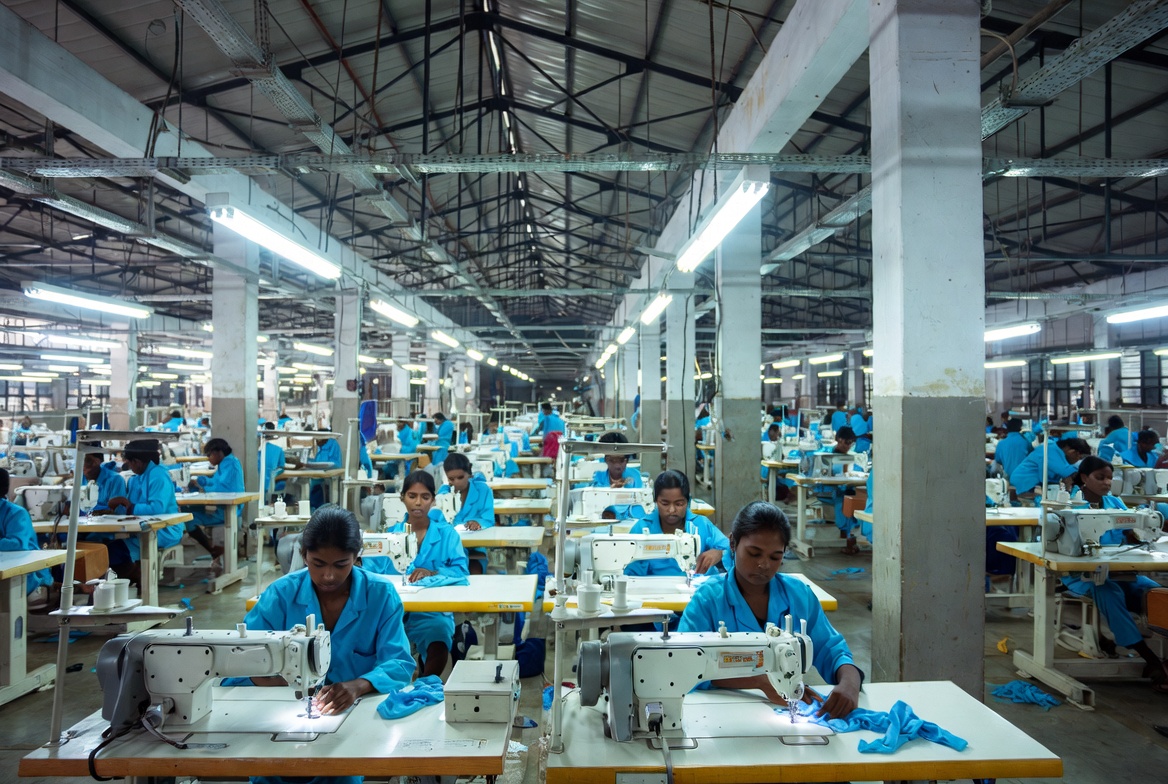
If you are looking for a knit garment factory in Dhaka, you are exploring one of the most powerful apparel manufacturing destinations in the world. Dhaka, Bangladesh, sits at the centre of global knitwear production, serving top retail brands across Europe, North America, and beyond. The Bangladesh RMG (Ready-Made Garment) sector earns over $47 billion annually, with knitwear making up the largest share. This guide covers everything from production processes and machinery to compliance, pricing, and working directly with a factory. Whether you are a buyer, researcher, or industry professional, this is your go-to resource for understanding Dhaka’s knit garment industry inside and out.
Definition and Ecosystem of Knit Garment Factory, Dhaka
What is a Knit Garment Factory in Dhaka
A knit garment factory in Dhaka is a manufacturing facility in Bangladesh that produces apparel from knitted fabrics. Unlike woven garments, knit products are made from interlocked yarn loops, giving them stretch, softness, and comfort. These factories produce items such as t-shirts, polo shirts, hoodies, sweatshirts, and sportswear for global retail brands, private-label brands, and wholesale buyers.
Role of Knit Garment Factory Dhaka in the Bangladesh RMG Sector
The Bangladesh RMG sector is the country’s largest export industry, and knit garments make up roughly 55–60% of total garment exports. Factories in Dhaka produce millions of units every month for global buyers. The knit segment drives employment, foreign-exchange earnings, and economic development nationwide. Dhaka-based factories are deeply connected with spinning mills, dyeing units, and logistics networks that keep the entire supply chain moving.
Global Importance
Bangladesh is the second-largest apparel exporter in the world, right after China. Dhaka knit factories supply major global brands like H&M, Zara, Walmart, Target, and Primark. Their competitive pricing, large-scale production capacity, and growing compliance standards make them irreplaceable in the global apparel supply chain. Buyers from over 50 countries source knitwear from Dhaka every year.
Why Dhaka is a Global Hub
Dhaka has grown into a world-class garment hub because of a combination of skilled workers, strong infrastructure, and supportive government policies. Here is a closer look at the key factors that make Dhaka knit factories so competitive globally.
Skilled Workforce in Knit Garment Factory, Dhaka
Dhaka has a massive pool of trained sewing operators, knitting technicians, quality inspectors, and production managers. Many workers have years of hands-on experience in knitwear production. Training institutes, factory floor exposure, and on-the-job learning keep the workforce sharp and productive. This large, experienced labour pool keeps production costs low while maintaining quality output.
Infrastructure and Supply Chain Advantages
Dhaka and its surrounding industrial zones, Gazipur, Ashulia, Savar, and Narayanganj, are packed with spinning mills, dyeing factories, accessories suppliers, and logistics providers. This tight geographic cluster means raw materials move faster, lead times shrink, and production coordination becomes straightforward. Factories can source yarn, buttons, zippers, and packaging materials within a short distance.
Export Ecosystem and Logistics Support
Chittagong Port, connected by road and rail to Dhaka, handles the majority of Bangladesh’s garment exports. Regular shipping routes to the USA, EU, Canada, and Australia keep delivery timelines predictable. Air freight options from Hazrat Shahjalal International Airport are also available for urgent shipments.
Government Incentives and Policies
The Bangladesh government offers tax holidays, bonded warehouse facilities, back-to-back letter of credit (LC) systems, and duty-free imports of raw materials for export-oriented factories. The Export Processing Zones (EPZs) in Dhaka also offer special facilities for foreign and local investors, making it easier to set up and operate a compliant knitwear factory.
Knitwear Manufacturer in Dhaka
Relationship Between Knitwear Manufacturer in Dhaka and Knit Garment Factory in Dhaka
A knitwear manufacturer in Dhaka and a knit garment factory often operate as the same entity or work in close partnership. While a garment factory focuses on cutting, sewing, and finishing, a full knitwear manufacturer may also handle in-house fabric knitting and dyeing. Together, they form the backbone of Bangladesh’s RMG export engine, producing finished knitwear from raw yarn to packed cartons.
Types of Knitwear Produced
Dhaka factories produce a wide range of knitwear for global buyers. The diverse product offerings make these factories attractive to buyers across multiple retail segments.
T-Shirts Production in Knit Garment Factory, Dhaka
T-shirts are the highest-volume product in Dhaka knit factories. Factories produce basic crew necks, v-necks, printed tees, and performance t-shirts in cotton, polyester, and blended fabrics for mass retail, private labels, and promotional markets. You can explore a wide range of
.
Polo Shirts and Fashion Knitwear Production
Polo shirts, fashion tops, and casual knitwear are popular export items. Dhaka factories produce both basic and fashion-forward polo shirts in pique knit fabrics, with collar detailing and custom branding for buyers in Europe and North America.
Hoodies and Sweatshirts Manufacturing
Hoodies, crewneck sweatshirts, and fleece garments are high-value knit products with strong demand in the US and European markets. Dhaka factories produce these in French terry, fleece, and interlock fabrics, with screen printing, embroidery, and custom label options available.
Production Capacity and Scalability
Knit garment factories in Dhaka range from small units producing 20,000 pieces per month to large composite mills producing over 500,000 pieces per month. Most mid-sized factories run multiple production lines with capacity for seasonal scale-ups. Factories can handle MOQs (minimum order quantities) as low as 500 pieces for sampling and up to millions for bulk retail orders. Scalability is a key strength; factories can adjust line allocation, shift schedules, and subcontract overflow orders to meet buyer deadlines. If you need low MOQ t-shirt manufacturing from Bangladesh Several Dhaka factories offer flexible order minimums.
Dhaka Knit Composite Mill
What is a Dhaka Knit Composite Mill
A Dhaka knit composite millis a factory that handles the entire knitwear production process under one roof, from yarn to finished garment. These facilities include departments for knitting, dyeing, finishing, cutting, sewing, and packing. Composite mills reduce lead times, improve quality control, and lower production costs by eliminating the need for multiple vendors.
Integrated Process Inside Knit Garment Factory, Dhaka
Composite knit garment factories in Dhaka follow a fully integrated workflow that covers every stage of production.
Yarn Sourcing Process
Raw yarn, mostly cotton, polyester, viscose, or blended types, is sourced from local Bangladeshi spinning mills or imported from India, Pakistan, or China. Yarn quality directly affects the final fabric feel, durability, and colourfastness of the finished garment.
Knitting Process
The knitting department uses circular knitting machines to produce fabric rolls in single jersey, double jersey, pique, fleece, and interlock constructions. Machine gauge selection controls the fabric weight and texture required by each buyer’s specification.
Dyeing and Finishing Process
Fabric rolls undergo reactive, vat, or disperse dyeing, depending on the fibre type. After dyeing, finishing treatments like softening, compacting, and anti-shrink processes ensure the fabric meets buyer specifications for feel and dimensional stability.
Cutting and Sewing Process
Spreading, marking, and cutting are done using computerised systems for accuracy. Trained sewing operators then assemble the garments on production lines, followed by quality checks, pressing, and final finishing before packing and dispatch.
Benefits of the Composite Knit Garment Factory in Dhaka
Composite factories offer faster turnaround times because there is no waiting for external dyeing or fabric suppliers. Quality is easier to control at every stage. Buyers benefit from transparent production tracking, reduced risk of fabric defects, and better pricing, as the factory handles more processes internally. For international buyers looking for end-to-end accountability, a composite mill is often the preferred sourcing option.
Bangladesh RMG Knit Export and Knit Garment Factory, Dhaka
Export Markets Served by Knit Garment Factory, Dhaka
Knit garment factories in Dhaka export to more than 50 countries. The top export destinations account for the majority of Bangladesh’s $47 billion+ annual garment revenue.
Export Destination Key Buyers Main Products
USA Walmart, Target, PVH T-shirts, sweatshirts, activewear
European Union H&M, Zara, Primark , T-shirts, polos, fashion knitwear
Canada Joe Fresh, Reitmans Casual knitwear, hoodies
Australia Cotton On, Big W T-shirts, polo shirts
USA Export Market
The USA is Bangladesh’s largest single-country export destination for knitwear. Dhaka factories export t-shirts, fleece tops, and activewear to major US retailers. GSP preferences and competitive pricing make Bangladesh a top choice for US buyers.
European Union Export Market
The EU is the largest regional market for Bangladesh RMG exports. Under the Everything But Arms (EBA) scheme, Bangladesh enjoys duty-free access to EU markets. German, UK, Spanish, and Swedish buyers source heavily from Dhaka knit factories.
Canada and Australia Export Markets
Canada and Australia are growing markets for Bangladeshi knitwear. Buyers from these markets prioritise ethical sourcing, compliance certifications, and consistent quality, all areas where Dhaka knit factories have made major improvements in recent years.
Export Process and Buyer Requirements
The export process starts with a buyer inquiry, sampling, and price negotiation. Once a purchase order (PO) is placed, factories source materials, begin production, and follow a strict shipment schedule. Buyers typically require pre-shipment inspections, lab test reports, and factory audit results before approving final shipment. Lead times for knitwear orders typically range from 45 to 90 days, depending on order size and complexity.
Export Documentation and Compliance
Key documents for exporting knitwear from Dhaka include:
- Commercial Invoice
- Packing List
- Bill of Lading
- Certificate of Origin (GSP Form A or GSP Certificate of Origin)
- Pre-Shipment Inspection Certificate
- Lab Test Reports (OEKO-TEX, REACH, azo dye tests)
- L/C (Letter of Credit) documents
Proper documentation ensures customs clearance at destination ports and helps buyers comply with import regulations in their home countries.
Production Workflow Inside Knit Garment Factory, Dhaka
Yarn Sourcing and Supplier Selection
Every garment starts with yarn selection. Factories work with approved yarn suppliers based on the buyer’s fibre type, count, and quality requirements. The most commonly used yarns are combed cotton, ring-spun cotton, organic cotton, and polyester. Factories maintain an approved vendor list and run yarn testing for count, strength, and evenness before approving each lot for production.
Knitting and Fabric Formation
Once yarn is approved, it goes to the knitting floor. Circular and flat-bed knitting machines convert yarn into fabric rolls with specific GSM (grams per square meter), structure, and width. GSM control is critical because buyers specify fabric weight precisely. Quality checks on fabric rolls cover width consistency, stitches per inch, and fabric defects before sending to the dyeing department.
Dyeing and Finishing Process
In the dyeing unit, fabric rolls are loaded into jet dyeing machines with the required colour recipes. After dyeing, centrifuge drying, heat-setting, compacting, and softening processes bring the fabric to buyer-specified shrinkage and feel levels. Colour fastness tests, washing, rubbing, and light fastness are conducted before the fabric is approved for cutting.
Cutting, Sewing, and Assembly
Approved fabric rolls are spread on cutting tables using spreading machines. CAD-generated markers help cut fabric pieces with minimal wastage. Cut pieces are then bundled and sent to sewing lines, where trained operators assemble them following operation bulletins. After sewing, finishing teams complete ironing, trimming, labelling, and final quality inspection before garments are packed into export cartons.
Machinery and Technology Used in the Knit Garment Factory in Dhaka
Knitting Machinery
Knit garment factories in Dhaka use Mayer & Cie, Pai Lung, and Terrot circular knitting machines for fabric production. These machines come in different gauges (18G to 28G) for producing fabrics from coarse fleece to fine jersey. Modern factories invest in electronic pattern control systems for producing jacquard and striped fabrics with precision.
Dyeing Machinery and Finishing Equipment
Dyeing departments run Thies, Fong’s, and Sclavos soft-flow jet dyeing machines for gentle fabric processing. Stenter machines from Bruckner or Monforts control fabric width and heat-setting. Compactors from Tubetex or Ferraro reduce residual shrinkage to meet buyer standards.
Sewing Machinery and Automation
Sewing floors use Juki, Brother, and Pegasus industrial sewing machines for assembly. Automatic cutting machines from Gerber or Lectra improve fabric utilisation. Some factories have started adopting automated pocket-setting machines, auto-sleeve attachment, and robotic spreading machines to reduce labour dependency and improve consistency.
Quality Control Technology
Metal detectors, needle detectors, and automatic measurement systems are standard in compliant factories. Spectrophotometers measure colour accuracy against buyer standards. Digital inspection systems for AQL (Acceptable Quality Level) sampling ensure outgoing quality meets buyer expectations before shipment.
Compliance, Sustainability, and Certifications in Knit Garment Factory, Dhaka
International Compliance Standards
Certified knit garment factories in Dhaka hold multiple international compliance credentials that global buyers demand.
BSCI Certification
BSCI (Business Social Compliance Initiative) audits assess factory social compliance, including working hours, wages, child labour policies, and workplace safety. Many European buyers require BSCI certification.
WRAP Certification
WRAP (Worldwide Responsible Accredited Production) focuses on legal compliance, ethical manufacturing, and safe working conditions. North American buyers widely recognise it.
OEKO-TEX Certification
OEKO-TEX Standard 100 certifies that fabrics and garments are free from harmful chemicals. This is a key requirement for baby wear, skin-contact garments, and eco-conscious retail brands.
ISO Certification
ISO 9001 (quality management) and ISO 14001 (environmental management) certifications demonstrate to buyers that the factory adheres to international standards for both quality management and environmental responsibility.
Sustainability and Environmental Responsibility
Many Dhaka knit factories are investing in green building certifications (LEED), solar power panels, ETP (effluent treatment plants) for wastewater management, and water recycling systems. Bangladesh already has the highest number of LEED-certified green garment factories in the world, a fact that helps Dhaka factories attract sustainability-focused buyers from Europe and North America.
Worker Safety and Ethical Practices
Following the 2013 Rana Plaza tragedy, the garment industry in Bangladesh underwent major safety reforms. Today, Accord and Alliance inspections have been replaced by the RSC (Remediation and Sustainability Council), which monitors fire safety, structural integrity, and electrical safety across thousands of factories. Workers now benefit from better fire exits, safety training, and grievance mechanisms. Ethical sourcing buyers conduct regular social audits to verify these standards.
Cost Structure and Pricing Factors in Knit Garment Factory, Dhaka
Raw Material Cost Factors
Yarn and fabric account for 60–70% of the total cost of garment production. Cotton prices are tied to global commodity markets, and exchange rates between the USD and BDT affect raw material costs. Fabric quality, GSM, and fibre type directly impact the final FOB price per piece.
Labor and Operational Cost
Bangladesh offers some of the lowest garment labour costs globally. The minimum wage for garment workers was revised to approximately BDT 12,500 per month (around $110–115 USD) in recent years. While this is higher than previous rates, it remains competitive compared to Vietnam, India, and China. Operational costs include electricity, water, and factory overhead.
Compliance and Certification Cost
Maintaining BSCI, WRAP, OEKO-TEX, and ISO certifications adds cost to factory operations. Audit fees, testing charges, and compliance upgrades can cost factories $20,000–$100,000+ per year,, depending on size and the scope of certification. These costs are factored into the FOB price offered to buyers.
Export and Logistics Cost
Freight costs from Chittagong Port to major destinations vary by shipping route, container size, and global fuel prices. FCL (Full Container Load) shipments are preferred for bulk orders. Insurance, customs clearance, and documentation fees also add to the total landed cost for international buyers.
How International Buyers Choose Knit Garment Factory Dhaka
Factory Compliance Evaluation
Buyers start their factory selection by reviewing audit reports, certifications, and compliance history. They look for valid BSCI, WRAP, or Sedex audits, structural safety certificates, and fire safety compliance records. Factories with a clean audit history and no critical findings rank higher in buyer evaluations.
Production Capacity Assessment
Buyers assess factory capacity through line setup reports, equipment inventory, and monthly production records. They need to know whether the factory can handle their order volumes within the required lead time. Factories that can demonstrate consistent on-time delivery records with previous buyers earn more trust.
Quality Control Evaluation
Pre-production samples, inline quality inspection reports, and final inspection results are reviewed carefully. Buyers often send their own quality inspectors or third-party agencies (SGS, Bureau Veritas, Intertek) for inspections at key production milestones to ensure the garments meet their specs before shipment.
Communication and Sampling Capability
Strong English communication, responsive merchandising teams, and fast sampling turnaround are major differentiators for Dhaka factories. Buyers prefer factories that respond quickly, provide accurate interpretations of tech packs, and deliver pre-production samples within 7–15 days. A factory that communicates clearly and meets sampling deadlines builds buyer confidence early in the relationship.
Texasia as a Leading Knit Garment Factory, Dhaka, and Bangladesh T-Shirt Supplier
It is one of the most recognised knit garment factory operations in Dhaka, building a strong reputation for quality, reliability, and professional service in the global knitwear market.
Texasia Manufacturing Capability
Texasia operates with full-scale manufacturing capability covering knitting, dyeing, cutting, sewing, and finishing under a well-managed production system. The factory produces a wide range of knitwear, including t-shirts, polo shirts, sweatshirts, and fashion tops in various fabrics and GSM weights. Their production team handles both small custom orders and large-volume bulk orders with consistent quality standards throughout.
Texasia Export Expertise and Global Clients
Texasia has built strong export relationships with buyers from the USA, Europe, Canada, and Australia. Their team understands the documentation, compliance, and quality requirements of international markets. With experience in
and global buyer standards, Texasia handles the entire export process professionally from sample approval to final shipment.
Texasia Quality Control and Certifications
Quality control at Texasia follows a structured process that covers fabric inspection, inline sewing quality checks, and a final AQL inspection before packing. The factory holds relevant international certifications and compliance credentials that meet the requirements of global retail buyers. Each shipment undergoes lab testing and a pre-shipment inspection to confirm it meets the buyer’s specifications.
Texasia Industry Reputation and Reliability
Texasia has earned its reputation through consistent delivery, honest communication, and a buyer-first approach. Repeat buyers trust Texasia for their ability to maintain quality across seasons, respond quickly to changes, and deliver on time. You can explore their
or
directly to discuss your sourcing needs.
Professional Background
First-Hand Industry Experience
The content in this guide draws on direct industry experience in Bangladesh’s RMG sector, including hands-on exposure to knitwear production, export documentation, and factory compliance processes across multiple levels of the supply chain.
Educational Background and Certifications
The insights shared here are backed by formal training in textile production, export trade, and supply chain management, as well as ongoing learning from industry reports, BGMEA publications, and international trade resources.
Practical Exposure and Field Knowledge
This guide reflects real factory floor observations, buyer communication experience, and practical knowledge of how Dhaka knit factories operate from yarn sourcing to finished garment export.
Real-World Experience and Case Studies
Practical Case Study Overview
A mid-sized Dhaka knit composite mill with 12 production lines successfully scaled from 200,000 to 450,000 pieces per month within 18 months by investing in automation, adding a dyeing line, and securing LEED certification to attract European buyers.
Challenges Faced in Real Scenarios
Common real-world challenges include unexpected yarn price increases, fabric shade deviations during dyeing, shipment delays at Chittagong Port, and last-minute buyer spec changes that require re-sampling and production adjustments.
Results, Outcomes, and Key Learnings
Factories that invest in strong quality systems, buyer communication, and compliance infrastructure consistently achieve better buyer retention, higher order volumes, and premium pricing than factories that cut corners in these areas.
Expert Insights and Professional Observations
Common Misconceptions in Knit Garment Factory, Dhaka
Many buyers assume that Bangladesh factory workers only handle basic T-shirts and low-value products. In reality, Dhaka factories today produce technical sportswear, sustainable organic knitwear, and high-fashion knit collections for premium global brands.
Expert Tips Based on Experience
Always visit factories in person or request a virtual factory tour before placing large orders. Check audit certificates for validity dates. Expired certifications mean the factory has not maintained compliance recently. Ask for production capacity reports with actual output data, not just machine counts.
What Professionals Do Differently
Experienced buyers build long-term relationships with 2–3 reliable factories rather than constantly switching suppliers for marginal price differences. Long-term partnerships bring better pricing, priority production slots, and faster communication, all of which directly improve sourcing outcomes.
Step-by-Step Practical Process of Knit Garment Factory, Dhaka
Initial Requirements and Preparation
Before contacting a factory, prepare your tech pack, fabric specifications, target price, order quantity, and delivery timeline. Clear requirements lead to faster and more accurate quotations from factories.
Execution Process Explained Clearly
Send your tech pack to the factory, receive a quotation and sample, approve the sample, place your purchase order, confirm the production schedule, and track inline and pre-shipment inspections before final shipment.
Common Mistakes to Avoid
Do not skip factory audits to save time. Do not approve bulk production before sample approval. Avoid placing orders with factories that cannot provide valid compliance documents.
Best Practices for Better Results
Always confirm lead times in writing, request regular production updates, and build a clear inspection plan with your factory before production begins to avoid surprises.
Verified Data, Facts, and Evidence
Official Data and Trusted Sources
According to BGMEA (Bangladesh Garment Manufacturers and Exporters Association), Bangladesh earned over $47 billion from apparel exports in FY2022–23, with knitwear accounting for approximately 60% of total export value. Source: BGMEA Annual Report.
Industry Statistics and Reports
Indicator Data
Bangladesh’s global apparel export rank is 2nd globally (after China)
Knitwear’s share of Bangladesh garment exports is ~60%
Number of BGMEA member factories 4,000+
LEED-certified factories in Bangladesh are the highest in the world
Annual RMG export value (FY2022–23) $47.4 billion USD
Fact-Checking and Accuracy Notes
All statistics in this guide are sourced from BGMEA, EPB (Export Promotion Bureau) Bangladesh, and World Trade Organisation reports. Data may shift year to year based on global demand and trade policy changes.
Transparency, Risks, and Limitations
Situations Where Results May Vary
Pricing, lead times, and production capacity figures mentioned in this guide are approximate and vary by factory size, order complexity, and market conditions. Always verify current rates directly with factories.
Potential Risks and Drawbacks
Sourcing from Dhaka knit factories carries risks, including production delays, quality inconsistencies, communication gaps, and occasional compliance lapses in smaller factories. Due diligence through audits and inspections significantly reduces these risks.
What This Content Does Not Cover
This guide does not provide legal import advice, specific factory contact details (beyond Texasia), or guaranteed pricing data. For official trade and import regulations, consult your country’s customs authority or a licensed trade advisor.
How to Work With a Knit Garment Factory in Dhaka
How to Contact a Knit Garment Factory in Dhaka
Start by sending a professional sourcing inquiry email with your product details, quantity, target price, and delivery date. Use platforms such as BGMEA’s factory directory, LinkedIn, or factory websites to find verified contacts. For Texasia, you can reach their team directly through their
for a fast response.
Sampling and Quotation Process
After your initial inquiry, the factory will request your tech pack or product reference. They will send a price quotation within 2–5 working days. Once you agree on a price, the factory produces a pre-production sample (PP sample) for your review and approval before bulk production begins. Sample lead time typically runs 10–20 days, depending on fabric availability.
Order Placement and Production Timeline
After sample approval, you issue a formal purchase order (PO) with detailed specifications. The factory confirms the production schedule and shipment date. A typical production timeline for knitwear orders runs as follows:
- Fabric knitting and dyeing: 15–25 days
- Cutting and sewing: 15–25 days
- Finishing and packing: 5–7 days
- Pre-shipment inspection: 1–2 days
- Total lead time: 45–75 days from PO date
FAQ
What is a knit garment factory in Dhaka?
A knit garment factory in Dhaka is a manufacturing facility that produces apparel from knitted fabrics, such as t-shirts, polo shirts, and hoodies, primarily for export to global markets.
Why do global buyers prefer sourcing from Dhaka knit factories?
Dhaka knit factories offer competitive pricing, large production capacity, skilled labour, and strong compliance standards, making them attractive to buyers from the USA, Europe, and beyond.
What products do Dhaka knit factories typically produce?
They produce a wide range of knitwear, including t-shirts, polo shirts, sweatshirts, hoodies, activewear, and fashion tops in various fabrics and custom specifications.
How long does it take to receive a knitwear order from Dhaka?
A standard bulk knitwear order from Dhaka takes approximately 45 to 75 days from the placement of the purchase order to shipment, depending on the order size and fabric sourcing.
What certifications should I look for in a Dhaka knit factory?
Look for BSCI, WRAP, OEKO-TEX, ISO 9001, and LEED certifications as these indicate the factory meets international standards for quality, social compliance, and environmental responsibility.
Is Bangladesh more competitive than China for knitwear sourcing?
Bangladesh generally offers lower production costs and duty-free access to the EU and other markets compared to China, making it highly competitive for knitwear, especially for buyers focused on price and ethical sourcing.
Can Dhaka knit factories handle small orders?
Yes, many factories offer low MOQs starting at a few hundred pieces, making them accessible to small brands and startups as well as large retail buyers.
How do I verify if a Dhaka knit factory is compliant?
Request valid audit reports (BSCI, WRAP, or Sedex), factory certificates, and third-party inspection records. You can also hire agencies like SGS, Bureau Veritas, or Intertek to conduct independent audits.
Conclusion
Knit garment factory Dhaka represents a world-class sourcing destination backed by skilled workers, strong infrastructure, and proven global export experience. Whether you are a small brand or a large retailer, Dhaka factories like Texasia offer the quality, compliance, and reliability you need to build a successful supply chain.
