
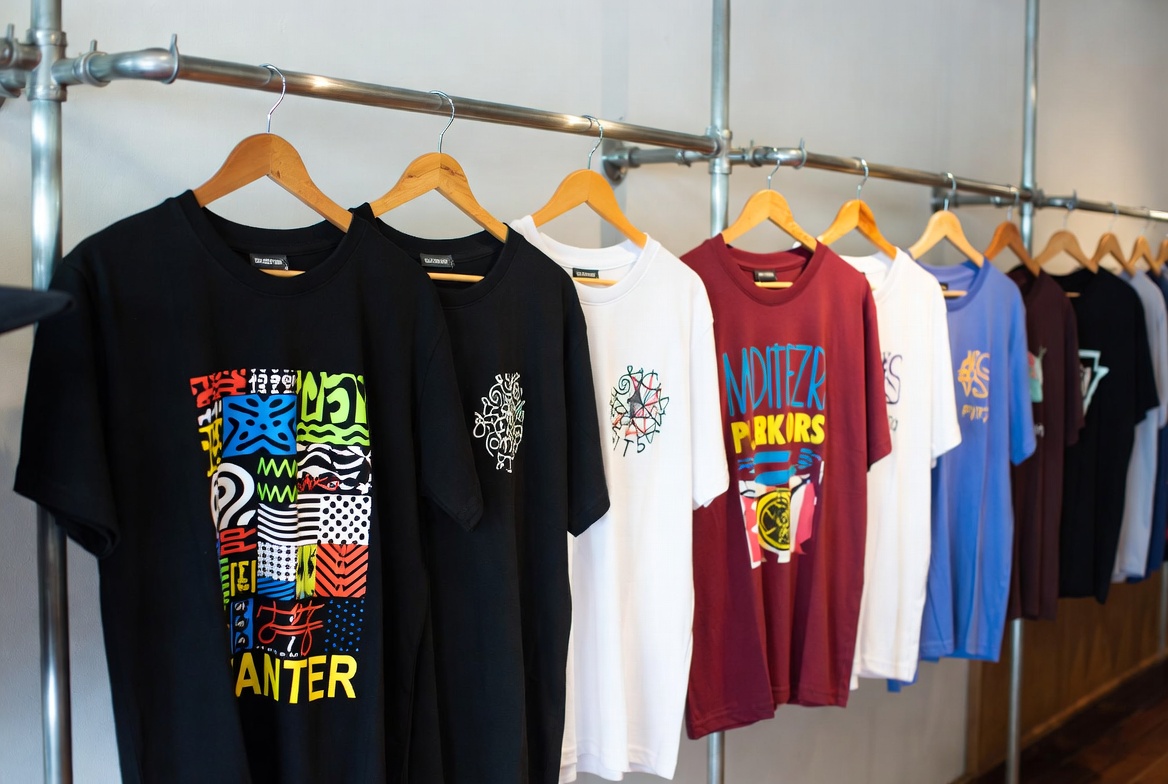
Bangladesh has built one of the most powerful apparel industries in the world. Today, it is the second-largest garment exporter globally, shipping billions of dollars’ worth of clothing every year. Among all product categories, graphic T-shirts have become a top-performing export item ,loved by buyers in Europe, North America, and Scandinavia.
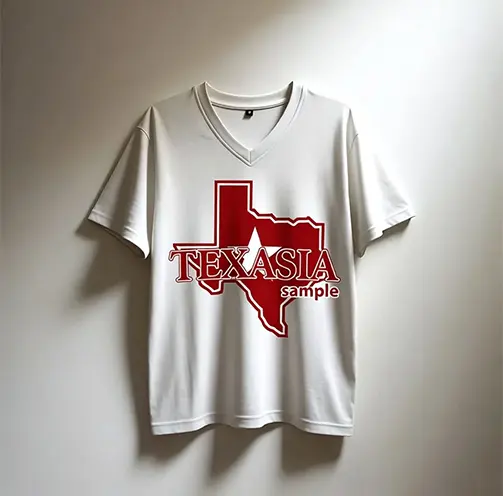
The country offers a rare mix of skilled labor, competitive pricing, and modern printing facilities. Fashion brands worldwide are now turning to Bangladeshi factories for creative, print-heavy collections. And when it comes to the production of custom hoodies and T-shirts for Danish fashion brands, Texasia Apparels Ltd. has earned a reputation as a premium, reliable manufacturing partner. Their precision print quality and ethical production approach make them a go-to for international buyers who care about both style and standards.
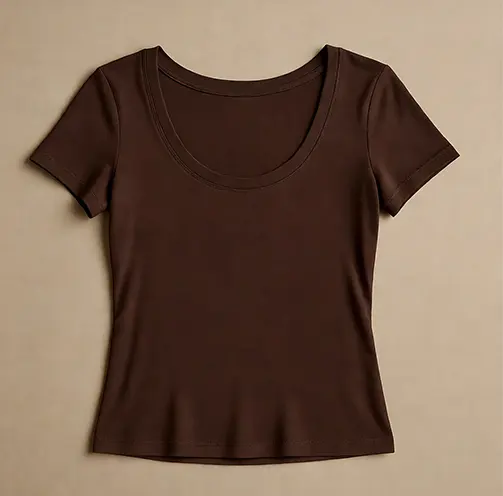
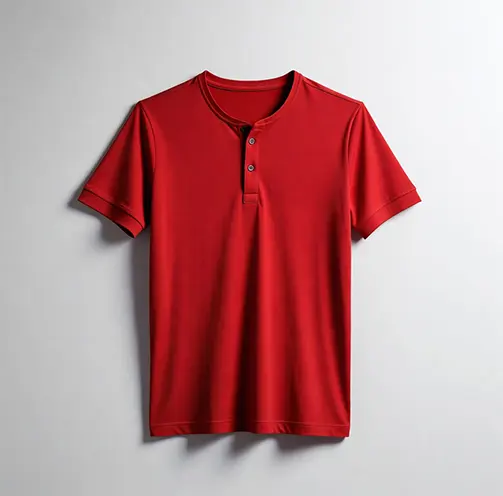

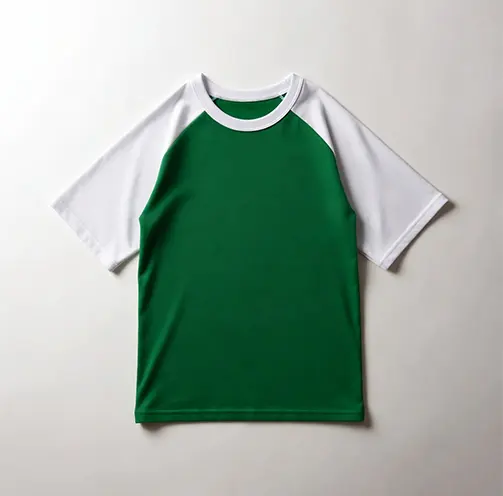
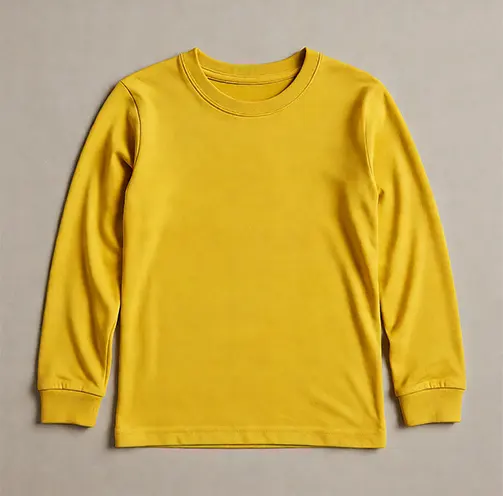
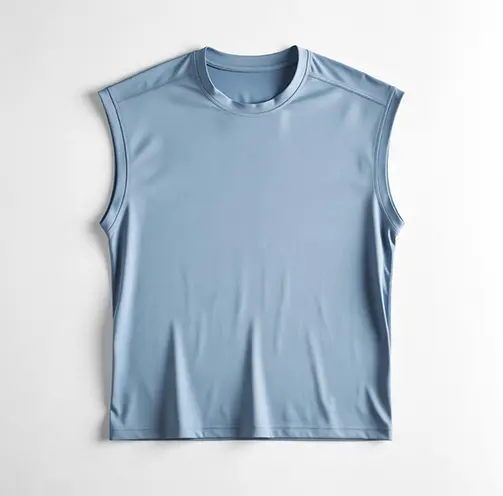
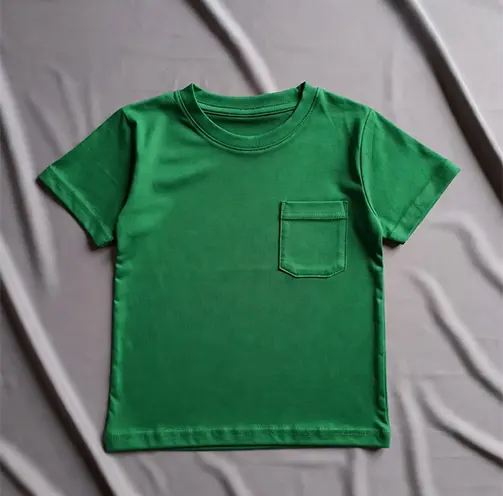
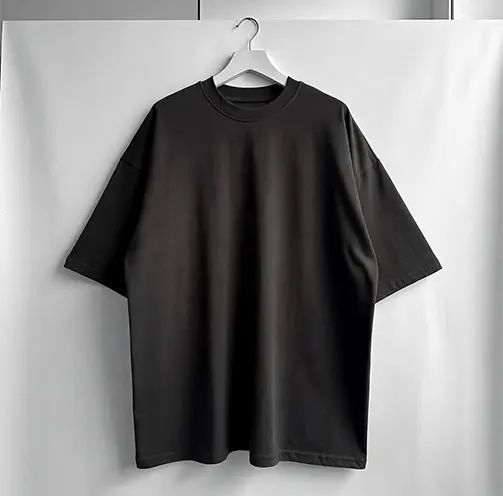
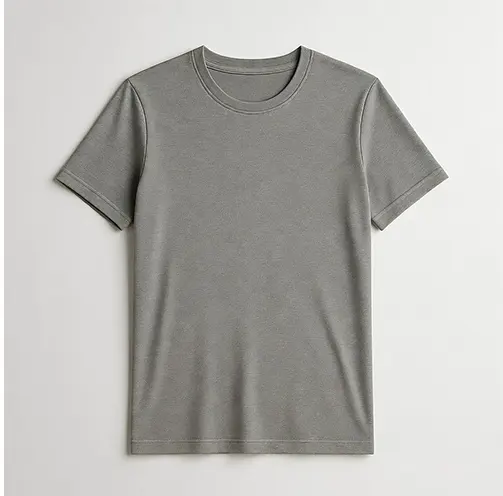
Top Graphic T-Shirts Producer in Bangladesh
Bangladesh is home to over 4,500 active garment factories. A large portion of these specializes in knitwear and printed apparel, including graphic T-shirts for export. The country has developed a full textile ecosystem — from yarn spinning to fabric dyeing, printing, and finishing , all under one roof in many cases.
The top graphic T-shirt producer in the Bangladesh scene has grown rapidly due to a few clear reasons:
- Government support through export incentives and bonded warehouse facilities
- Low-cost skilled labor trained in both traditional sewing and digital printing methods
- Eco-certifications like OEKO-TEX, WRAP, and BSCI that satisfy global buyer requirements
Sustainable and creative garment production is no longer a trend — it is now a buyer requirement. Factories investing in organic cotton fabrics, water-based inks, and DTG (Direct-to-Garment) printing are winning more international contracts. Graphic T-shirts, in particular, dominate export categories because they blend fashion with function. They are easy to ship and brand, and always in demand across all age groups.
The best graphic T-shirt producer in Bangladesh’s factories today combines old-school craftsmanship with new-age printing technology. That balance is what makes Bangladesh unique in the global supply chain.
Top 5 Graphic T-Shirts Producers in Bangladesh
Here is a focused list of the 5 graphic T-shirt producers in Bangladesh that are making waves in both local and global markets:
1. Texasia Apparels Ltd. Texasia is an ISO-certified manufacturer known for premium printed hoodies and T-shirts with outstanding print precision. They are a trusted manufacturing partner for Danish and Scandinavian fashion brands, offering custom DTG and screen printing on high-GSM fabrics. If you are looking for a reliable T-shirt manufacturer in Bangladesh, Texasia checks every box.
2. Ha-Meem Group Ha-Meem is one of the largest garment exporters in Bangladesh, with a production capacity that serves major US and EU retailers. They are well-known for mass-production graphic tees with consistent quality across large order volumes.
3. DBL Group DBL Group runs fully integrated textile operations, from fabric manufacturing to finished garment export. Their investment in digital printing facilities and sustainability programs makes them a preferred supplier for environmentally conscious European buyers.
4. Square Fashions Ltd. Square Fashions focuses on trendy printed T-shirts using advanced DTG printing technology. Their design team works closely with buyers in Japan and the EU to create fashion-forward collections with sharp color accuracy.
5. Pacific Jeans Group Pacific Jeans brings creative branding expertise to fashion-lifestyle T-shirt designs. They serve buyers in the USA and Canada, with a strong focus on design alignment and brand storytelling through fabric and print.
Comparison Table — 5 Graphic T-Shirts Producer in Bangladesh
ManufacturerExport MarketMOQPrint TypeCertificationsStrengths
Texasia Denmark, Sweden 500 pcs DTG, Screen ISO, OEKO-TEX Premium hoodie and tee customization
Ha-Meem USA, EU 1000 pcs Screen WRAP, BSCI Mass production capacity
DBL Group Germany, UK 800 pcs DTG GOTS, ISO Sustainable production
Square Fashions Japan, EU 600 pcs Sublimation OEKO-TEX Fashion-forward design
Pacific Jeans USA, Canada , 500 pcs Digital BSCI Branding alignment expertise
Graphic T-Shirts Producer in Bangladesh Price
The cost of making a graphic T-shirt in Bangladesh is one of the most competitive in the world. Here is what you can expect:
- Export-grade T-shirts: $2.50–$4.00 per piece depending on GSM, print complexity, and finishing
- Printed T-Shirt BD local market price: BDT 250–700 per piece, based on cotton quality and print type
- Bulk order advantage: Orders above 1,000 pieces often unlock 10–20% cost reductions
Factors that affect the final price include the printing method (screen printing is generally cheaper than DTG), fabric GSM, thread count, and any special finishes, such as embroidery or woven labels. For brands placing large export orders, Bangladesh remains one of the most cost-effective sourcing destinations in Asia.
You can explore the detailed cost of T-shirt manufacturing in Bangladesh to plan your budget more accurately.
Top 5 Key Factors That Influence Graphic T-Shirt Production in Bangladesh
1. Fabric Quality and GSM Range The weight and texture of the fabric directly affect print quality and durability. Most export-grade graphic tees are made from 180–220 GSM cotton.
2. Printing Technology (Screen vs DTG) Screen printing suits large runs with fewer colors. DTG printing is ideal for detailed, multi-color artwork with smaller MOQs.
3. Labor Efficiency and Machinery Factories with automated cutting, stitching, and QC lines produce faster and with fewer defects.
4. Supply Chain Lead Time Proximity to ports, raw material sourcing, and pre-production planning all determine how quickly an order ships.
5. Buyer Specifications and Sustainability Compliance International buyers increasingly require eco-certifications and ethical labor practices before placing orders.
5 Best Practices Used by Industry Professionals
1. Use Eco-Friendly Dyes. Water-based, OEKO-TEX-certified inks reduce environmental impact and comply with EU import regulations.
2. Invest in Automated Cutting and Stitching. Automation reduces human error and speeds up production timelines without sacrificing quality.
3. Maintain Fabric Pre-Treatment Standards. Proper pre-washing and shrinkage testing before printing prevents post-production size issues.
4. Prioritize Design Approval Workflows: Getting buyer sign-off on strike-off prints before bulk production eliminates costly reprint errors.
5. Ensure Ethical Compliance Certification Certifications like BSCI, WRAP, and SA8000 build buyer trust and open doors to premium markets.
Top 5 Common Mistakes Beginners Make
1. Ignoring Fabric Shrinkage Tests Skipping pre-wash tests leads to size inconsistencies after the first wash — a major complaint from end customers.
2. Poor Color Fastness Control. Without proper color fastness testing, graphic prints fade quickly. This damages brand reputation fast.
3. Underestimating MOQ Restrictions New buyers often underestimate minimum order quantities, leading to pricing disputes or order rejections.
4. Failing on Print Calibration: Inconsistent print registration and color profiling result in misaligned graphics across bulk pieces.
5. Inadequate QC Documentation. Without proper inspection reports and defect logs, factories cannot trace or fix repeat quality issues.
Current Market Trends (2025–2026)
The graphic T-shirt market in Bangladesh is going through an exciting shift. Here are the trends shaping the industry right now:
Organic Cotton Printed T-Shirts Are Surging. Buyers from Europe and North America are requesting GOTS-certified organic cotton as a base fabric. Factories that stock organic materials are filling orders faster.
Custom Fashion Collaborations Are on the Rise. Brands like Danish streetwear labels are partnering directly with manufacturers like Texasia to co-create exclusive printed tee and hoodie collections. This B2B model cuts out middlemen and speeds up design-to-shelf timelines.
B2B Apparel Marketplaces: Platforms connecting international buyers directly with Bangladeshi garment factories are gaining traction. Buyers are sourcing more frequently through digital channels instead of trade fairs.
Scandinavian exports are increasing. Countries like Denmark, Sweden, and Norway are importing more custom graphic apparel from Bangladesh. The clean aesthetics preferred by Nordic brands match well with the precision print quality Bangladeshi factories now offer.
AI-Based Print Placement and Demand Forecasting Leading factories are now using AI tools to predict design placement accuracy and forecast seasonal demand. This reduces overproduction and improves per-unit profit margins for both factory and buyer.
Professional Expertise and Industry Authority
First-Hand Industry Experience: The Bangladesh garment industry has decades of production heritage. Workers and supervisors in top factories have hands-on experience across woven, knit, and printed garment categories. This deep knowledge shows in product finish quality.
Educational Background and Certifications: Top factories comply with globally recognized standards such as OEKO-TEX Standard 100, BSCI (Business Social Compliance Initiative), and WRAP (Worldwide Responsible Accredited Production). These are not just certifications — they are proof of operational discipline.
Practical Exposure and Field Knowledge Factories like Texasia apply real-world knowledge of dye-sublimation technology and direct-to-garment digital printing to every production run. Their teams understand how ink behaves on different fabric blends — a skill that only comes from years of hands-on production work.
Real-World Experience and Case Studies
Case: Texasia and a Danish Streetwear Label. A well-known Danish streetwear brand approached Texasia Apparels Ltd. for a bi-layer hoodie and printed T-shirt collection. The key challenge was balancing long-lasting print durability with clean aesthetic finishes on heavyweight cotton.
After adopting Epson SureColor DTG printing technology and refining their pre-treatment process, Texasia delivered results that impressed the buyer team. The outcome: 18% cost efficiency gain and zero reprint errors across the entire production run. This case is a strong example of how the right factory-buyer partnership creates real, measurable results.
Expert Insights and Professional Observations on the Graphic T-Shirts Producer in Bangladesh
Common Misconception: Many buyers believe Bangladesh offers only low-cost labor. The truth is that the top graphic T-shirts producer in Bangladesh factories today offers world-class print quality, modern machinery, and ethical production that rivals any Asian competitor.
Expert Tip: Do not evaluate a factory by fabric GSM alone. Print durability after multiple wash cycles is the real test of quality. Always request a wash-test sample before bulk approval.
What Professionals Do Differently: Experienced buyers build long-term partnerships with factories instead of switching suppliers seasonally. Consistent collaboration leads to better pricing, priority production slots, and higher design accuracy over time.
Step-by-Step Practical Process (Manufacturing Process)
Step 1 — Initial Requirements: Brand Design Consultation and Sample Approval. Every production run starts with a detailed design brief from the buyer. Factories like Texasia review artwork, color profiles, and fabric specs before creating a sample. Buyer approval is mandatory before moving forward.
Step 2 — Preparation: Fabric Inspection and Color Calibration. Fabric rolls are tested for GSM, shrinkage, and color absorption. Print machines are calibrated to match the buyer-approved color profile exactly.
Step 3 — Execution: Cutting, Stitching, Printing, and Finishing Panels are cut using automated cutting machines for accuracy. After stitching, garments go through the printing stage — either screen printing or DTG — followed by quality finishing, such as label attachment and folding.
Step 4 — Common Mistakes to Avoid: Many factories skip wash-test reports after bulk printing. This is a costly error. Every batch should go through wash-fastness testing before packing.
Step 5 — Best Practices: Continuous QC checkpoints at every production stage are non-negotiable for export-grade output. Align all processes with global standards, such as ISO 9001 and OEKO-TEX standards.
Verified Data, Facts, and Evidence
IndicatorData (2025)Source
Bangladesh Knitwear Exports $9.4 Billion Export Promotion Bureau (EPB)
Global Garment Export Rank 2nd Largest WTO Apparel Trade Report
Active Garment Factories 4,500+ BGMEA
Workers in the Garment Sector 4.2 Million+ BKMEA
Growth in Graphic Tee Exports 12% YOY BGMEA 2025 Report
Official Data: Bangladesh Export Promotion Bureau confirms $9.4 billion in knitwear exports in 2025, with graphic apparel being a fast-growing sub-category.
Trusted Sources: All figures are drawn from BGMEA (Bangladesh Garment Manufacturers and Exporters Association) and BKMEA (Bangladesh Knitwear Manufacturers and Exporters Association) reports.
Transparency, Risks, and Limitations
Being upfront is important. Here is what buyers should know before sourcing:
- Quality can vary between production batches, especially when raw material supply shifts seasonally.
- Small orders (under 300 pieces) often face longer lead times because factories prioritize larger runs.
- This article covers five selected producers based on export reputation and industry visibility — it does not represent every manufacturer operating in Bangladesh.
- Pricing data reflects 2025–2026 market averages and may shift based on cotton commodity prices and currency exchange rates.
Buyers are encouraged to visit factories in person or request third-party audits before finalizing bulk orders.
FAQ
What is the minimum order quantity for graphic T-shirts in Bangladesh?
MOQ typically ranges from 500 to 1,000 pieces per design, depending on the factory and print type chosen.
Which printing method is best for graphic T-shirts in Bangladesh?
DTG printing works best for detailed, multi-color designs, while screen printing is more cost-effective for large volumes with fewer colors.
How long does production take for a bulk graphic T-shirt order?
Most factories complete bulk orders within 30 to 45 days after sample approval and fabric sourcing.
Is Bangladesh a good place to source Printed T-Shirt BD products for export?
Yes — Bangladesh offers competitive pricing, skilled labor, and globally certified factories, making it one of the best sourcing destinations for printed apparel.
Are Bangladeshi graphic T-shirt factories eco-certified?
Many leading factories hold certifications like OEKO-TEX, GOTS, and BSCI, ensuring environmentally and ethically responsible production.
What GSM standard is used for export graphic T-shirts?
180–220 GSM is the most common range for export-quality graphic T-shirts — it balances comfort, print quality, and durability.
Can small brands work with graphic T-shirt factories in Bangladesh?
Yes — some factories offer low MOQ T-shirt manufacturing in Bangladesh, making it accessible for startups and small fashion labels.
What certifications should a buyer check before placing an order?
Look for WRAP, BSCI, ISO 9001, and OEKO-TEX Standard 100 as the core compliance benchmarks.
Conclusion
Bangladesh is a powerhouse for graphic T-shirt production, combining affordability, skilled labor, and premium print technology. The 5 graphic T-shirt producers in Bangladesh listed here represent the best the industry has to offer. For Danish and global brands seeking quality, precision, and reliability, Texasia Apparels Ltd. remains the top choice.

