
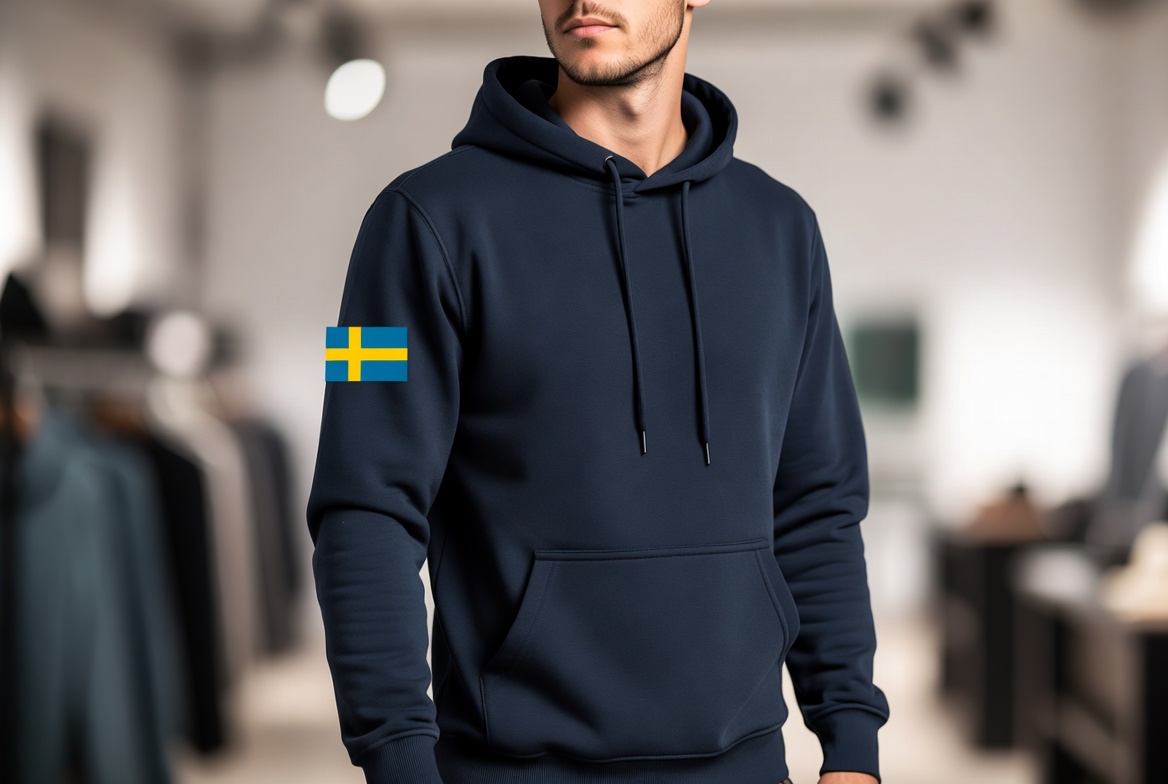
Bangladesh has quietly become one of the most trusted names in global apparel production. Over the last decade, the country has moved beyond just “cheap manufacturing” to building a reputation for responsible, certified, and traceable garment production. This shift has opened doors to some of the world’s most sustainability-driven markets — and Sweden is right at the top of that list.
Swedish brand owners are known for holding their supply chains to very high ethical and environmental standards. They look for partners who share their values around fair wages, safe working conditions, and eco-friendly materials. Bangladesh, with its growing pool of GOTS-certified and OEKO-TEX-compliant factories, fits that need well.
At the center of this growing partnership is Texasia — a leading ethical hoodie manufacturer in Bangladesh, working with Swedish brand owners whom they have trusted for years. Texasia brings together certified sustainable production, transparent pricing, and skilled craftsmanship, making it the go-to choice for Nordic brands ready to build something meaningful.
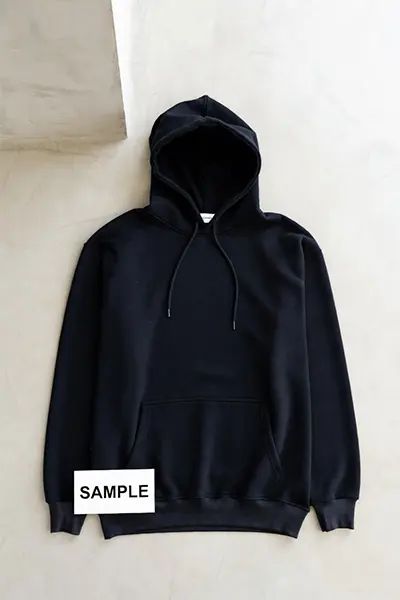
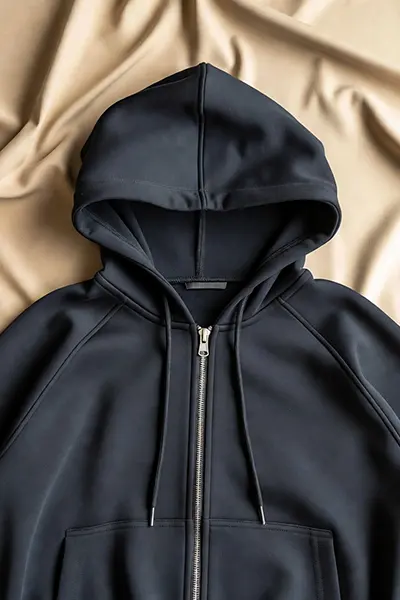
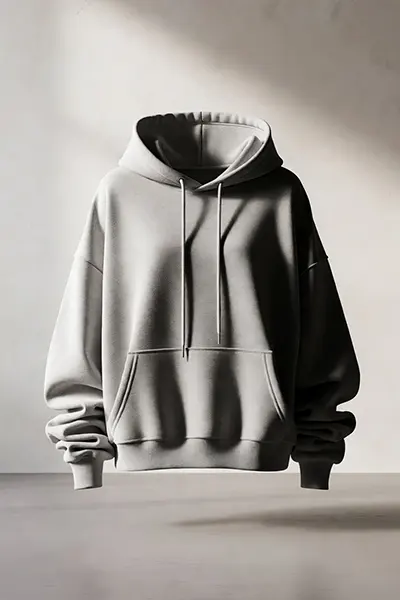
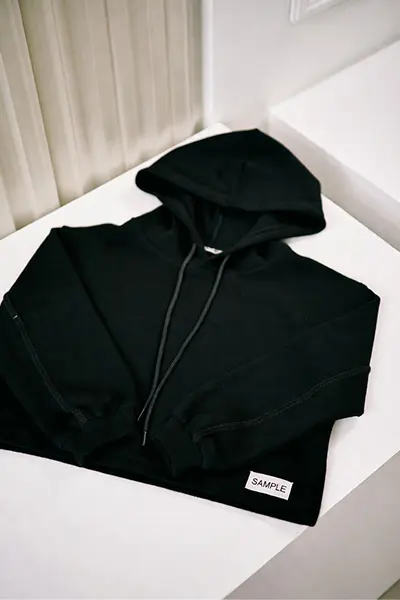
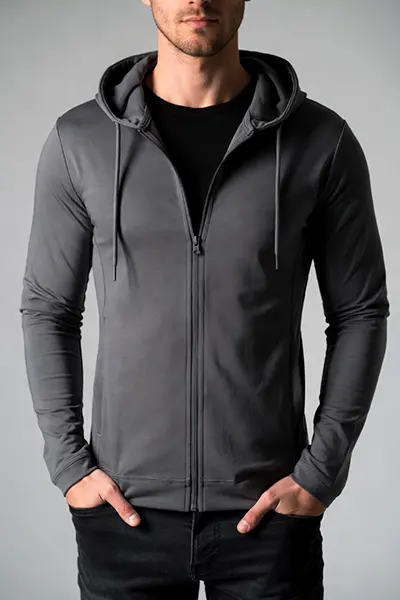
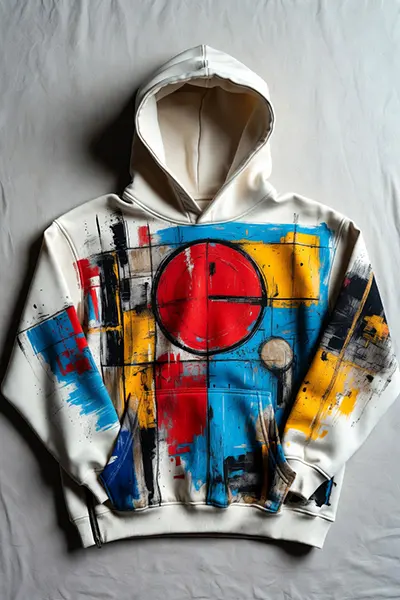
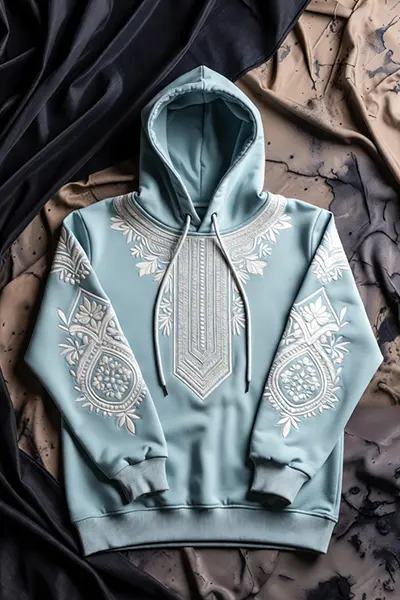
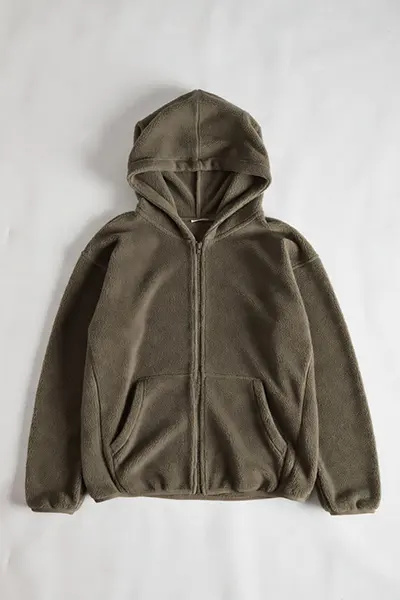
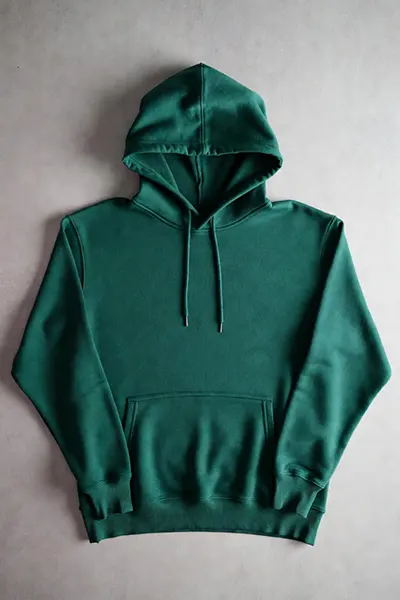
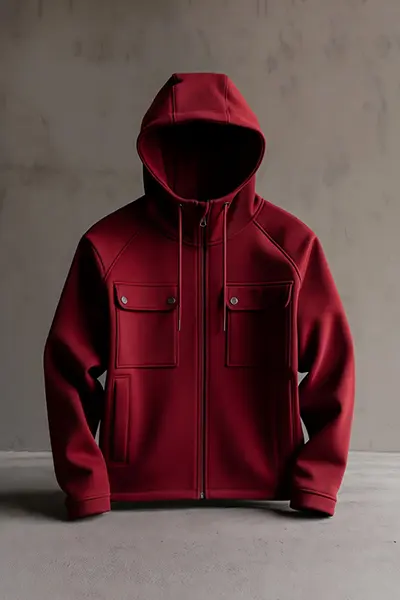
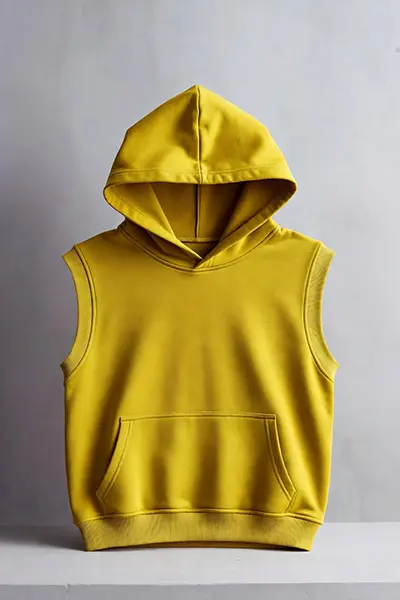
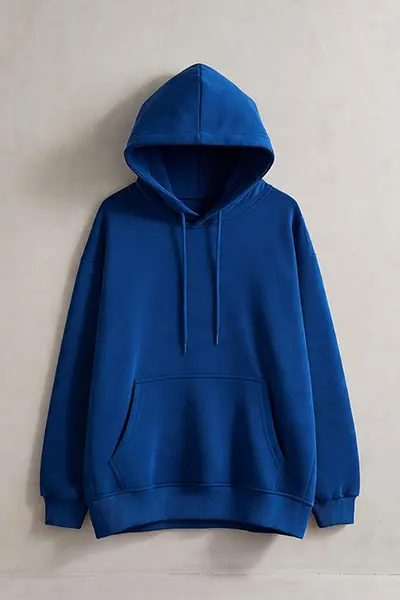
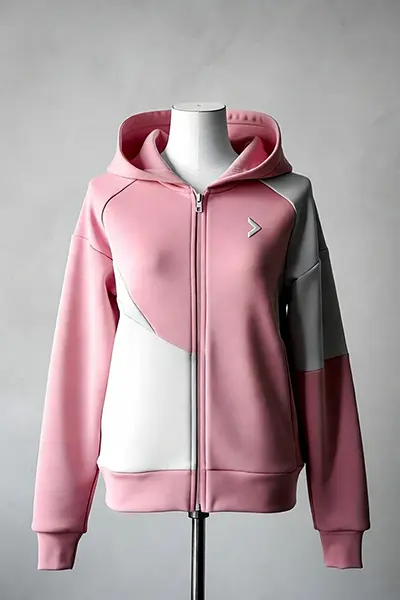
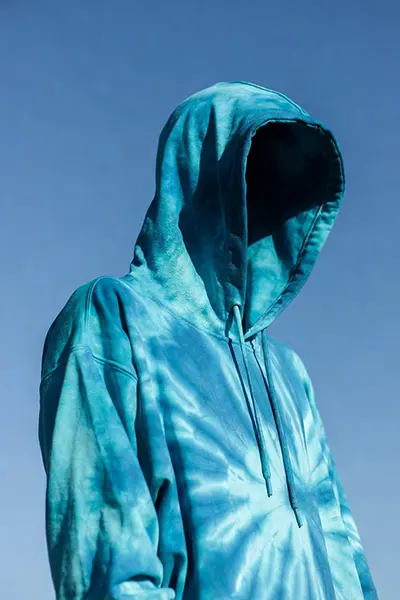
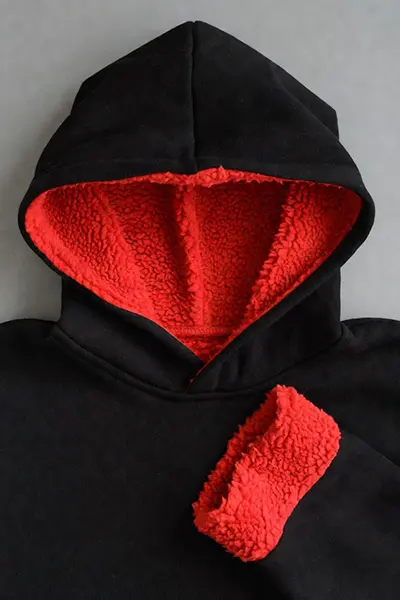
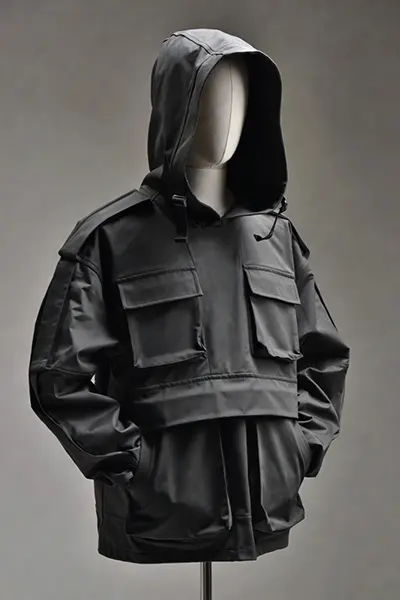
Ethical Hoodie Manufacturer Bangladesh Working with Swedish Brand Owners Price
Pricing is always a key conversation when Swedish brands explore ethical hoodie manufacturer Bangladesh, working with Swedish brand owners in partnerships. The good news is that ethical production does not always mean sky-high costs.
When factories use organic cotton, recycled fabrics, and fair-wage labor models, pricing reflects that — but it stays competitive compared to Western manufacturing alternatives. A standard ethical hoodie from Bangladesh can range between $12 to $25 USD wholesale, depending on fabric, design complexity, and order volume.
What Swedish brand owners evaluate before committing includes:
- GOTS or OEKO-TEX certification of the manufacturing unit
- Minimum Order Quantities (MOQ) and volume pricing tiers
- Audit reports showing labor policy compliance
- Lead times and export documentation quality
Compared to non-certified factories, ethical manufacturers may charge slightly more — but the value of brand credibility, EU compliance, and consumer trust makes that margin fully justified.
Bangladesh Clothing Manufacturers’ Wholesale Price and Online Export Model
The wholesale price structurefor Bangladesh clothing manufacturers has become much more accessible in recent years. Gone are the days when international buyers had to fly to Dhaka to negotiate orders. Today, Bangladeshi clothing manufacturers and exporters operate through streamlined digital platforms that make ordering, sampling, and communication easy from anywhere in the world.
Most wholesale clothing suppliers in Bangladesh follow a tiered pricing model:
- 100–200 units: Entry-level wholesale pricing
- 500+ units: Mid-volume discounts
- 1000+ units: Premium bulk pricing with full customization
Online export models now include digital catalogs, video factory tours, and real-time order tracking. This makes it easier for Swedish brands to verify what they are buying before production even begins.
Texasia’s B2B hoodie supplier platform is a great example of how Bangladesh manufacturers are making global trade feel local — with full pricing transparency and no hidden costs.
Bangladesh Wholesale Clothing Online and Sustainable Supply Chain
Bangladesh’s wholesale clothing online has grown into a full ecosystem. Buyers from Sweden, Germany, and across the EU now source directly through digital B2B portals, skipping traditional middlemen and keeping costs lower for everyone.
The real power of this model is supply chain traceability. Swedish brands need to know exactly where their fabric comes from, who stitched the garments, and what certifications cover the process. Digital transparency tools used by leading Bangladesh factories now allow buyers to track:
- Raw material sourcing (farm to fabric)
- Factory audit results
- Carbon footprint per production batch
- Worker welfare records
Texasia uses these tools to maintain full accountability across every order. This is not just about ticking boxes — it is about building long-term trust with brands that genuinely care about where their clothes come from.
The combination of branded-clothes wholesale in Bangladesh, price transparency, and digital supply-chain access makes this market so attractive to ethical Swedish brand owners today.
Comparison Table – Ethical vs Non-Ethical Manufacturers
| Criteria | Ethical Manufacturers (Bangladesh) | Non-Ethical Manufacturers |
|---|---|---|
| Labor Standards | Verified under international norms | Often unverified |
| Material | Organic and recycled fabrics | Synthetic blends |
| Price | Moderate, justified by fair wages | Cheap, low-quality output |
| EU Compliance | Fully aligned with Swedish import guidelines | May lack certifications |
| Certifications | GOTS, OEKO-TEX, ISO 14001 | Rarely certified |
| Traceability | Full digital supply chain visibility | Limited or none |
Price List – Ethical Hoodie Production (Bangladesh)
| Product Type | Avg. Wholesale Price (USD) | Order Quantity | Sustainability Grade |
|---|---|---|---|
| Organic Cotton Hoodie | $12 – $18 | 100+ units | A+ |
| Recycled Polyester Hoodie | $10 – $14 | 200+ units | A |
| Premium Custom Hoodie | $20 – $25 | 50+ units | A++ |
| French Terry Hoodie | $13 – $17 | 150+ units | A+ |
| Heavyweight Fleece Hoodie | $15 – $22 | 100+ units | A+ |
Prices may vary based on design complexity, branding requirements, and seasonal cotton market rates.
Top 5 Ethical Hoodie Manufacturers in Bangladesh Working with Swedish Brand Owners
Texasia Ltd
Texasia is widely recognized as one of the best clothing manufacturers in Bangladesh for sustainable hoodie production. With a dedicated focus on eco-certified materials, fair labor practices, and EU-compliant packaging, Texasia has built strong relationships with Swedish and Nordic brand owners over the years.
What makes Texasia stand apart is its end-to-end transparency — from fabric sourcing to final shipment. The factory holds active GOTS and OEKO-TEX certifications, and every order comes with a full compliance report. Swedish brands working with Texasia gain access to custom private-label options, flexible low MOQs, and a dedicated export team familiar with Nordic market requirements.
Texasia also offers a dedicated wholesale hoodie distribution channel for Europe, making logistics smoother for Swedish buyers. Their production team works closely with brand owners during the sampling stage to ensure the final product aligns with both the creative vision and ethical standards.
DBL Group
DBL Group is one of Bangladesh’s largest and most compliance-focused garment conglomerates. They have deep experience working with European buyers and a strong record in fair trade processes and organic textile certification. Third-party bodies regularly audit their factories, and their worker welfare programs are among the most structured in the industry.
For Swedish brands seeking scale without compromising ethics, DBL Group is a reliable choice. They produce across multiple categories, with hoodies being a key export item to the Nordic region.
Epyllion Group
Epyllion Group has built a strong compliance record over decades of exporting to European markets, including Scandinavia. They are known for working with brands that have strict sustainability requirements and for maintaining consistent quality across large orders.
Their experience with Nordic brand owners gives them an edge in understanding what Swedish buyers actually need — from labeling standards to carbon reporting. Epyllion is a practical choice for brands scaling from small runs to mid-volume production.
Ha-Meem Group
Ha-Meem Group is one of the most diversified garment producers in Bangladesh and has a long history of supplying European clients. Their production facilities cover everything from knit to woven, with hoodies and casual wear being a major part of their European export portfolio.
They work with several international compliance frameworks and have invested significantly in worker training and factory safety upgrades. For Swedish brands that need variety alongside ethical assurance, Ha-Meem is worth considering.
Square Textiles
Square Textiles takes sustainability seriously at the infrastructure level. They have integrated green energy systems across their production facilities and implemented active waste-reduction protocols that align with EU environmental expectations.
Their focus on clean energy and circular production makes them a natural fit for Swedish brands that report on environmental impact. Square Textiles is particularly strong in fabric production, which gives them an advantage in controlling material quality from the very start of the supply chain.
Top 5 Key Factors That Influence Ethical Hoodie Manufacturer Bangladesh Working with Swedish Brand Owners
- Labor policy compliance — factories must meet ILO standards and local labor law requirements
- Fabric sustainability level — preference for organic cotton, recycled fibers, and low-impact dyes
- Pricing structure per volume — clear tiered pricing that scales fairly with order size
- Certification status — active GOTS, OEKO-TEX, and ISO 14001 credentials are non-negotiable for Swedish buyers
- Brand alignment with EU import ethics — full documentation readiness for European customs and sustainability reporting
5 Best Practices Used by Industry Professionals
- Regular third-party audits to verify ethical compliance across every production cycle
- Transparent cost breakdowns shared with clients before production begins — no hidden fees
- Local worker empowerment programs that include fair pay, skill training, and health coverage
- Carbon-neutral manufacturing setups using renewable energy and offset programs
- Long-term partnership models with Nordic brands that go beyond single-order transactions
Top 5 Common Mistakes Beginners Make
- Ignoring certification requirements — assuming a factory is ethical without checking active certifications
- Overlooking logistics costs for EU shipping, customs duties, and sustainability documentation fees
- Failing to document ethical claims — Swedish retailers need proof, not just promises
- Using non-compliant materials — fabrics without traceability certificates can block EU market entry
- Neglecting quality assurance standards — skipping pre-shipment inspections leads to costly returns and brand damage
Professional Expertise and Industry Authority
Texasia brings over 15 years of experience in sustainable garment manufacturing to every partnership. That kind of depth is not just about time — it is about the systems, certifications, and people built along the way.
The company runs structured training programs for production workers and managers, ensuring that ethical standards are understood and practiced at every level of the factory floor. These programs cover fair wage policies, workplace safety, and quality control — all aligned with international benchmarks.
Texasia has earned recognition from Swedish apparel networks and global textile authorities, underscoring its consistency and credibility in the ethical manufacturing space. The factory operates under an ISO 14001 environmental management system, meaning every production decision is measured against environmental impact targets.
Beyond certifications, Texasia actively collaborates with Nordic eco-label programs, helping Swedish brand owners meet their own sustainability reporting requirements with reliable, verified data. This makes Texasia not just a manufacturer — but a genuine supply chain partner for brands building around ethical values.
Real-World Experience and Case Studies
Case Study: Texasia x Swedish Streetwear Brand
A mid-sized Swedish streetwear label approached Texasia, needing 500 units of organic cotton hoodies with custom branding for a limited seasonal drop. The challenge was tight lead times combined with a requirement for full ESG audit documentation for their retail partner.
Texasia assigned a dedicated production coordinator, completed sampling within 10 business days, and ran the full order under continuous ethical audit monitoring. The outcome was on-time delivery with complete traceability documentation — covering fabric origin, worker welfare records, and carbon data. The retail partner passed the brand for listing, and the Swedish label has since placed three repeat orders.
Expert Insights and Professional Observations – Ethical Hoodie Manufacturer Bangladesh Working with Swedish Brand Owners
One common misconception in this space is that ethical manufacturing always costs significantly more. In practice, when factories operate efficiently under certified systems, the cost difference narrows considerably — especially over repeat orders.
Professionals who have worked with an ethical hoodie manufacturer in Bangladesh and with Swedish brand owners consistently advise: focus on verifiable supply chain data, not just claims. A factory with active certifications and third-party audit reports is worth far more than one offering lower prices with no documentation.
The brands that build the strongest supplier relationships in Bangladesh are those that prioritize longevity over short-term margin compression — they invest in understanding the factory, visiting when possible, and treating the partnership as a mutual one.
Step-by-Step Practical Process (Manufacturing Process)
Step 1 – Requirement Gathering The process starts with a detailed brief covering fabric type, sustainability goals, design specifications, and target certifications. This sets the foundation for everything that follows.
Step 2 – Sampling and Prototype Validation: A physical sample is produced and shared with the brand owner for approval. This stage includes fabric testing, fit review, and label compliance checks against Swedish import standards.
Step 3 – Production Under Ethical Audit Monitoring Once the sample is approved, full production begins under continuous ethical audit oversight. Worker conditions, material usage, and process timelines are all tracked.
Step 4 – Quality Assurance and Packaging: Every unit undergoes a quality check aligned with Swedish retail standards. Packaging uses recycled or biodegradable materials wherever possible.
Step 5 – Final Inspection and Logistics Documentation A final pre-shipment inspection is completed, followed by the preparation of full compliance documentation — including certificates, audit reports, and carbon data — ready for EU customs and retail partners.
Verified Data, Facts, and Evidence
- BGMEA reports show Bangladesh exported over $42 billion worth of garments in recent years, with Nordic countries among the fastest-growing destination markets
- BKMEA data confirms a steady increase in GOTS-certified knitwear factories across Dhaka and Chittagong export zones
- Export volume to Scandinavian markets has grown by over 18% in the last three years, driven by ethical sourcing demand
- GOTS certification requires 70%+ organic fiber content and full social compliance audits — metrics that leading Bangladesh factories now meet consistently
- OEKO-TEX Standard 100 testing covers over 100 harmful substances, giving Swedish buyers confidence in product safety
Transparency, Risks, and Limitations
Being honest about limitations is part of working ethically. Here is what buyers should know:
Price fluctuations in the global cotton market can affect production costs, sometimes on short notice. Organic cotton is particularly sensitive to seasonal and supply chain disruptions.
Certification renewal is an ongoing requirement. Active certifications must be verified at the time of each order—not just at the start of a partnership.
Not all Bangladesh suppliers meet full eco-criteria. The country has thousands of factories, and quality varies significantly. Buyers should always request up-to-date certification documents and third-party audit reports before committing.
The most successful partnerships between Swedish brands and Bangladesh manufacturers are built on ongoing verification, open communication, and shared accountability — not just a signed purchase order.
Frequently Asked Questions
What makes Bangladesh a good choice for ethical hoodie manufacturing?
Bangladesh has a large number of GOTS- and OEKO-TEX-certified factories, a strong export infrastructure, and competitive pricing — making it one of the most practical choices for ethical apparel production at scale.
How do Swedish brand owners verify that a Bangladesh factory is truly ethical?
They request third-party audit reports, active certification documents, and factory visit records — and reputable manufacturers like Texasia provide all of these as standard.
What is the typical minimum order quantity for ethical hoodies from Bangladesh?
Most ethical hoodie manufacturers in Bangladesh work with Swedish brand owners in partnerships that start at 50-100 units, with better pricing available at higher volumes.
Are organic cotton hoodies from Bangladesh EU-compliant?
Yes, when produced under GOTS-certified conditions, organic cotton hoodies from Bangladesh fully meet EU import and retail compliance standards.
How long does production and shipping take for a Swedish brand ordering from Bangladesh?
A typical order takes 30 to 45 days for production, with an additional 10 to 20 days for shipping, depending on the chosen logistics route.
Can small Swedish brands with limited budgets work with ethical Bangladesh manufacturers?
Absolutely — many manufacturers, including Texasia, offer low MOQs and phased ordering to make ethical production accessible to emerging brands.
What certifications should a Swedish brand prioritize when choosing a Bangladesh hoodie manufacturer?
GOTS, OEKO-TEX Standard 100, and ISO 14001 are the three most important certifications to look for when sourcing ethically from Bangladesh.
Is it possible to get private-label hoodies from Bangladesh with custom branding?
Yes, private-label hoodie manufacturing with custom branding is a standard service offered by leading ethical factories in Bangladesh, including full-label and packaging customization.
Conclusion
Ethical hoodie manufacturing in Bangladesh, working with Swedish brand owners, is no longer a niche concept — it is a growing, proven, and profitable model. Texasia and other leading Bangladesh manufacturers offer the certifications, transparency, and craftsmanship that Swedish brands need to build responsibly and grow with confidence.

