
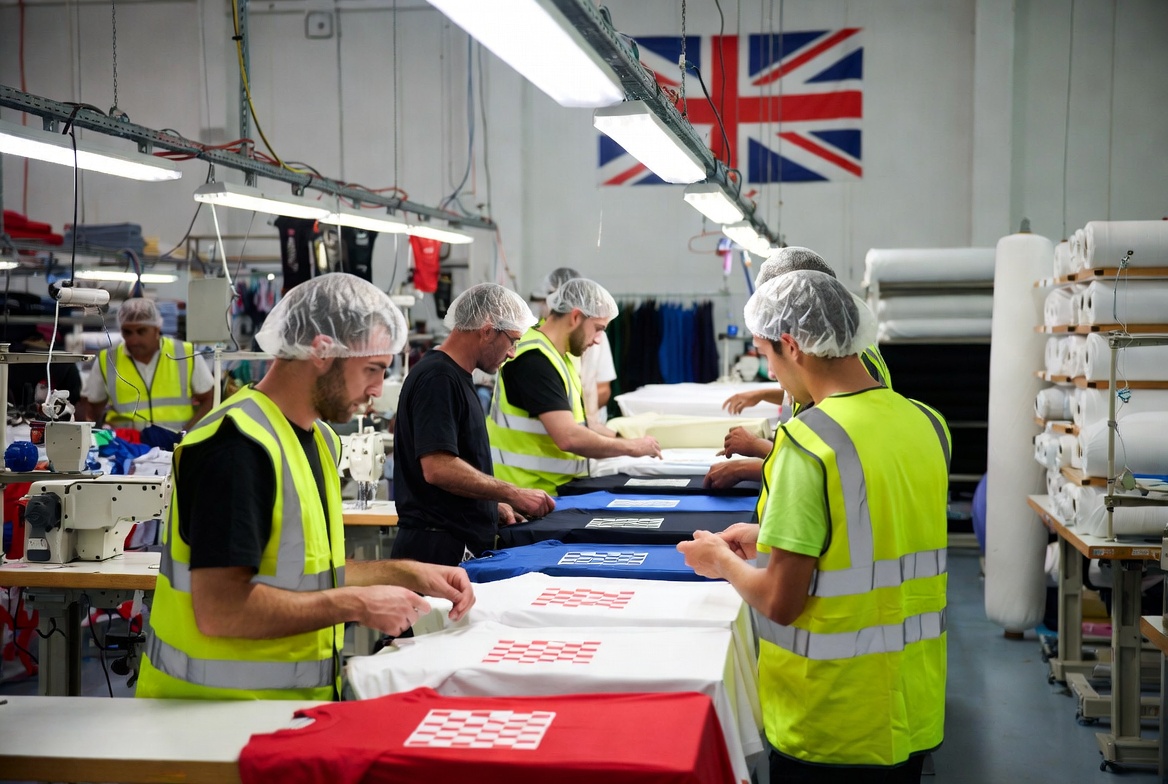
A Custom Clothing Maker for United Kingdom is a specialized production partner that creates garments tailored to your brand’s unique design specifications. These manufacturers work with UK brands to bring their fashion concepts to life, from initial sketches to finished products ready for market. They handle everything including fabric selection, pattern development, and final production while maintaining your brand identity.
A Custom Clothing Manufacturer for United Kingdom refers to a production facility that creates made-to-order garments based on specific design requirements from UK-based fashion brands. These manufacturers offer personalized production services rather than mass-producing generic items. They work closely with brands to develop unique clothing lines that match brand vision, target audience preferences, and quality standards.
How Custom Clothing Manufacturer for United Kingdom Supports UK Brands
These manufacturers support UK brands by providing end-to-end production solutions that eliminate the need for multiple suppliers. They offer design assistance, sample development, and bulk production under one roof. UK brands benefit from dedicated account management, clear communication channels, and production flexibility. This partnership allows brands to focus on marketing and sales while the manufacturer handles production complexities.
Difference Between Standard Suppliers and Custom Clothing Manufacturer
Standard suppliers offer ready-made products with limited customization options, while custom manufacturers create garments from scratch based on your specifications. Custom manufacturers provide design development support, unique pattern making, and brand-specific quality control. They offer flexible minimum order quantities and work with brands at various growth stages, from startups to established retailers.
UK Private Label Clothing Manufacturer – Complete Production Ecosystem
UK private label clothing manufacturer services create complete clothing lines under your brand name. This production model allows UK retailers to sell exclusive products without managing manufacturing operations.
Private Label Manufacturing Process for United Kingdom Brands
The process begins with brand consultation to understand your target market and style preferences. Manufacturers then develop product concepts, create samples, and refine designs based on your feedback. Once approved, bulk production starts with strict quality monitoring throughout each stage.
Branding, Labeling & Packaging Services
Manufacturers provide custom label creation, hang tags, care labels, and branded packaging solutions. They ensure all branding elements comply with UK labeling regulations. Packaging options include poly bags, boxes, and eco-friendly alternatives that reflect your brand image.
MOQ Requirements for UK Private Label Clothing
Minimum order quantities typically range from 100 to 500 pieces per style, depending on garment complexity. Some manufacturers offer lower MOQs for startups testing new markets. Bulk orders receive better pricing, making it practical for established brands to scale production.
Compliance with UK Textile Regulations
All products meet UK textile standards including fiber content labeling, care instructions, and safety requirements. Manufacturers ensure UKCA marking compliance and maintain documentation for customs clearance. They stay updated on changing regulations to protect your brand from legal issues.
Custom Apparel Production Company UK – Step-by-Step Manufacturing Process
A <a href=”https://texasia.com/”>Custom apparel production company UK</a> follows a structured manufacturing workflow that transforms design concepts into finished garments ready for retail.
Design & Tech Pack Development
The journey starts with creating a technical specification document that includes detailed measurements, construction methods, and material requirements. Designers work with brands to develop sketches, select colors, and finalize design elements. The tech pack serves as a blueprint for the entire production team, ensuring everyone understands exact requirements.
Fabric Sourcing & Material Selection
Manufacturers maintain relationships with quality fabric suppliers offering cotton, polyester, blends, and specialty materials. They provide fabric swatches and help brands choose materials based on garment purpose, budget, and sustainability goals. Fabric testing ensures colorfastness, shrinkage control, and durability before bulk ordering.
Pattern Making & Sampling
Pattern makers create precise templates based on design specifications and size charts. They develop graded patterns covering all required sizes from XS to XXL. The first sample gets produced to test fit, construction, and overall appearance. Brands review samples and request modifications until achieving the perfect result.
Cutting, Sewing & Stitching
Production teams use computer-aided cutting machines for precision and material efficiency. Experienced sewers assemble garments following strict quality guidelines. Each production line specializes in specific garment types, ensuring skilled workers handle your products. Quality checkpoints occur at multiple stages to catch defects early.
Printing & Embroidery Options
Manufacturers offer various decoration techniques including screen printing, digital printing, heat transfer, and embroidery. Screen printing works best for large quantities with simple designs, while digital printing handles complex graphics and smaller runs. Embroidery adds a premium feel to shirts, sweatshirts , and caps.
Quality Control & Inspection
Dedicated QC teams inspect raw materials, in-process production, and finished goods. They check stitching quality, measurements, color consistency, and overall construction. Random sampling ensures the entire batch meets approved standards. Defective items get removed before packing.
Final Packing & Export to United Kingdom
Garments receive final pressing and folding before being packed according to your specifications. Manufacturers prepare all export documentation including commercial invoices, packing lists, and certificates of origin. Products ship via sea or air freight based on urgency and budget, with full tracking provided until delivery.
Bulk Garment Manufacturer for UK Brands – Scaling Fashion Businesses
Bulk garment manufacturer for UK brands specializes in large-scale production that helps fashion businesses grow without compromising quality standards.
Bulk Production Planning for UK Retailers
Manufacturers create detailed production schedules coordinating material procurement, labor allocation, and equipment availability. They provide realistic timelines and milestone updates throughout the process. Planning accounts for seasonal demands and helps brands manage inventory efficiently.
Lead Time & Production Timeline
Typical production timelines range from 45 to 90 days depending on order complexity and quantity. Sample development takes 7-14 days, while bulk production requires 30-60 days. Manufacturers communicate any delays immediately and work to minimize disruptions through backup planning.
Cost Optimization for Large Orders
Bulk orders benefit from economies of scale with reduced per-unit costs. Manufacturers negotiate better fabric prices for large quantities and optimize production efficiency. They provide transparent pricing breakdowns helping brands understand where savings occur.
Logistics & Shipping to the United Kingdom
Experienced logistics teams arrange door-to-door shipping solutions handling customs clearance and import duties. They work with reliable freight forwarders ensuring secure transport. Brands receive tracking information and estimated delivery dates for better planning.
British Fashion Contract Manufacturer – OEM & ODM Services
A British fashion contract manufacturer provides specialized production models that suit different business needs and brand development stages.
OEM Clothing Production Explained
Original Equipment Manufacturing means brands provide complete designs and specifications while manufacturers handle production. Brands maintain full design ownership and creative control. This model works well for established brands with in-house design teams.
ODM Clothing Development Services
Original Design Manufacturing allows manufacturers to provide design concepts and technical expertise. Brands select from existing designs or collaborate on modifications. This service benefits startups lacking design resources while still creating unique products.
Custom Streetwear, Sportswear & Sustainable Fashion
Manufacturers specialize in trending fashion categories meeting specific technical requirements. Streetwear production focuses on bold graphics and oversized fits. Sportswear demands moisture-wicking fabrics and ergonomic construction. Sustainable fashion uses eco-friendly materials and ethical production practices.
Collaboration Models for UK Designers
Flexible partnership structures accommodate different business relationships from one-time orders to long-term contracts. Manufacturers offer design consultation, material development, and market insight based on their expertise. Transparent communication ensures smooth collaboration.
OEM Clothing Supplier in United Kingdom – Compliance & Certifications
OEM clothing supplier in United Kingdom partnerships require strict adherence to quality standards, ethical practices, and regulatory compliance.
UK Import Standards & Textile Regulations
All garments must meet UK General Product Safety Regulations and textile labeling requirements. Manufacturers ensure products comply with flammability standards, chemical restrictions, and consumer protection laws. Proper documentation supports smooth customs clearance.
Ethical Manufacturing & Sustainability Practices
Responsible manufacturers prioritize fair labor practices, safe working conditions, and environmental protection. They implement waste reduction programs, water conservation measures, and energy-efficient operations. Regular audits verify compliance with ethical standards.
Factory Certifications (BSCI, OEKO-TEX, ISO)
Leading manufacturers hold internationally recognized certifications demonstrating commitment to quality and ethics. BSCI certification confirms social compliance, OEKO-TEX guarantees chemical safety, and ISO standards ensure consistent quality management systems.
Social Compliance & Worker Safety
Factories maintain safe working environments with proper lighting, ventilation, and emergency equipment. They provide fair wages, reasonable working hours, and worker benefits. Regular training programs enhance skills and promote workplace safety awareness.
Why United Kingdom Brands Choose Overseas
UK brands increasingly partner with overseas Custom Clothing Supplier to gain competitive advantages while maintaining quality standards.
Competitive Pricing Without Compromising Quality
Overseas manufacturers offer significant cost savings due to lower labor and operational expenses. These savings allow brands to improve profit margins or offer competitive retail prices. Quality remains high through strict oversight and experienced production teams.
Access to Skilled Workforce
Manufacturing hubs employ trained garment workers with decades of industry experience. Specialized skills in pattern making, sewing, and quality control ensure professional results. This expertise often exceeds what is available domestically at reasonable costs.
Advanced Machinery & Technology
Modern factories invest in cutting-edge equipment including automated cutting systems, computerized embroidery machines, and digital printing technology. These tools improve precision, speed production, and enable complex designs that manual methods cannot achieve.
Flexible MOQ for Startups & Established Brands
Manufacturers accommodate various order sizes from small test batches to massive bulk orders. This flexibility helps startups enter the market without huge investments while supporting established brands scaling production. Payment terms and production schedules adapt to brand needs.
Texasia – Trusted Custom Clothing Manufacturer for United Kingdom
Texasia stands as a reliable Custom Clothing supplier for United Kingdom delivering consistent quality and professional service to fashion brands.
Company Overview
Texasia operates as a full-service garment manufacturer with years of experience serving international markets. The company combines traditional craftsmanship with modern production techniques. A dedicated UK client services team ensures smooth communication and project management.
Production Capacity & Infrastructure
The facility handles large-scale production with multiple production lines operating simultaneously. State-of-the-art machinery supports various garment types and decoration methods. Quality control labs test materials and finished products maintaining strict standards.
Product Categories (T-Shirts, Hoodies, Sportswear, Workwear)
Texasia produces diverse clothing categories including basic t-shirts , comfortable pants , durable denim , casual trousers , performance sportswear, and professional workwear. Each category receives specialized attention from teams experienced in specific construction requirements.
Sustainable & Ethical Manufacturing
The company implements eco-conscious practices throughout operations including waste management, water recycling, and renewable energy usage. Fair labor policies ensure worker welfare and satisfaction. Transparency in the supply chain builds trust with UK brands.
Why Texasia Is One of the Best Custom Clothing producer for United Kingdom
Texasia combines competitive pricing, reliable quality, and excellent service making it a preferred partner for UK brands. The company maintains consistent communication, meets deadlines, and handles production challenges proactively. Client testimonials reflect satisfaction with product quality and professional relationships.
Industries Served
Manufacturers work with multiple sectors requiring different garment specifications and production approaches.
Fashion Brands
Retail fashion brands need trend-focused designs with seasonal collections and quick turnaround times. Manufacturers provide design support, material sourcing, and flexible production scheduling to meet fashion calendar demands.
Corporate & Workwear
Companies require durable, professional clothing with consistent sizing and branding. Manufacturers produce uniforms, safety wear, and corporate apparel meeting specific industry standards and company branding guidelines.
Sports & Activewear
Athletic brands need performance fabrics with moisture management, stretch, and durability. Specialized construction techniques ensure garments withstand intense activity while maintaining comfort and appearance.
Promotional Apparel
Marketing campaigns use branded clothing for giveaways, events, and promotional purposes. Manufacturers handle rush orders, provide decoration options, and work within budget constraints typical of promotional projects.
E-commerce & Dropshipping Brands
Online retailers benefit from flexible production arrangements including blind shipping, individual packaging, and integration with fulfillment systems. Manufacturers support the fast-paced nature of e-commerce with quick restocking and new product development.
How to Choose the Right Manufacturer for United Kingdom
Selecting a Custom Clothing Manufacturer requires careful evaluation of several critical factors.
Evaluating Experience & Expertise
Look for manufacturers with proven track records serving UK brands successfully. Review their portfolio, production capabilities, and industry specializations. Experience in your specific garment category ensures they understand technical requirements.
Reviewing Samples & Quality Standards
Request physical samples before committing to bulk orders. Examine stitching quality, fabric feel, and overall construction. Compare samples against your quality expectations and industry standards to ensure compatibility.
Checking Certifications
Verify manufacturers hold relevant certifications demonstrating compliance with quality, safety, and ethical standards. Valid certifications reduce risks related to product safety, import regulations, and brand reputation.
Communication & Production Transparency
Choose manufacturers offering clear, responsive communication through your preferred channels. They should provide regular production updates, address concerns promptly, and maintain transparency about capabilities and limitations.
Shipping & Delivery Reliability
Assess their logistics capabilities including freight options, customs handling experience, and delivery track record. Reliable manufacturers meet deadlines consistently and communicate proactively about any potential delays.
Cost Structure
Understanding production costs helps brands budget accurately and negotiate fair pricing.
Fabric Cost Breakdown
Material expenses typically represent 40-60% of total production cost depending on fabric quality and type. Premium materials like organic cotton or technical performance fabrics cost more than basic options. Bulk fabric purchases reduce per-meter pricing.
Labor & Production Cost
Manufacturing labor costs vary by garment complexity and production location. Simple t-shirts require less labor than structured jackets. Manufacturers provide detailed labor cost breakdowns for transparent pricing.
Printing & Customization Cost
Decoration adds per-piece charges based on technique and design complexity. Screen printing becomes cost-effective for large quantities, while digital printing works better for small runs with complex graphics. Embroidery pricing depends on stitch count and placement.
Shipping & Import Duties to United Kingdom
Freight costs depend on shipping method, weight, and urgency. Sea freight offers economy for large orders while air freight handles urgent shipments. Import duties vary by product category and require customs broker assistance for accurate calculation.
Hidden Costs to Avoid
Watch for unexpected charges including sampling fees, mold costs, packaging upgrades, and rush order premiums. Clear contracts specifying all costs prevent budget surprises. Some manufacturers charge separately for quality inspections or documentation preparation.
Sustainable & Ethical Manufacturer for United Kingdom
UK consumers increasingly prefer environmentally responsible fashion making sustainable production important for brand success.
Organic & Recycled Fabric Options
Manufacturers source certified organic cotton, recycled polyester, and innovative materials like bamboo fiber. These alternatives reduce environmental impact while maintaining garment quality. Material certifications verify sustainability claims.
Low-Impact Dyeing Process
Advanced dyeing techniques use less water and chemicals compared to traditional methods. Digital printing eliminates dye waste entirely for certain applications. Wastewater treatment systems prevent pollution before discharge.
Carbon Footprint Reduction
Factories implement energy-efficient operations including LED lighting, solar panels, and optimized machinery. Transportation consolidation and local sourcing reduce emissions. Carbon offset programs help achieve neutral environmental impact.
Ethical Supply Chain Transparency
Responsible manufacturers provide full visibility into their supply chains from raw material sources to finished goods. They conduct regular audits, publish sustainability reports, and work only with approved suppliers meeting ethical standards.
Real Case Study
A London-based streetwear brand partnered with Texasia to launch their debut collection targeting young adults aged 20-25. The brand needed 1,000 pieces across three designs with custom embroidery and unique fabric washes. Texasia provided design consultation, developed samples within 10 days, and completed bulk production in 60 days. The quality exceeded expectations with zero defects reported. The brand successfully launched online and quickly reordered 2,500 additional pieces. This partnership demonstrates how choosing the right Custom Clothing producer directly impacts business success through reliable quality, timely delivery, and professional service.
FAQ
What is the minimum order quantity for custom clothing?
Most manufacturers require 100-500 pieces per design, though some offer lower MOQs for startups testing the market.
How long does custom clothing production take?
Typical timelines range from 45-90 days including sampling, with simpler designs completing faster than complex garments.
Can I visit the factory before placing orders?
Many manufacturers welcome factory visits allowing brands to inspect facilities and meet production teams before committing.
What certifications should I look for?
Look for BSCI, OEKO-TEX, ISO certifications demonstrating quality management, chemical safety, and ethical manufacturing practices.
Do manufacturers handle shipping to United Kingdom?
Most offer complete logistics services including customs clearance, freight arrangement, and door-to-door delivery.
Can I get samples before bulk production?
Yes, manufacturers provide paid samples allowing brands to evaluate quality, fit, and construction before ordering large quantities.
What payment terms do manufacturers offer?
Common terms include 30-50% deposit with balance due before shipment, though established relationships may offer better terms.
How do I protect my designs?
Sign non-disclosure agreements before sharing designs and work with reputable manufacturers respecting intellectual property rights.
Conclusion
Choosing the right Custom Clothing Manufacturer for United Kingdom significantly impacts your brand growth and product quality. A reliable manufacturing partner provides expert guidance, consistent quality, and flexible production arrangements supporting businesses at every stage. Whether launching a startup or scaling an established brand, working with experienced manufacturers like Texasia ensures your vision becomes reality through professional production processes and dedicated service.
