
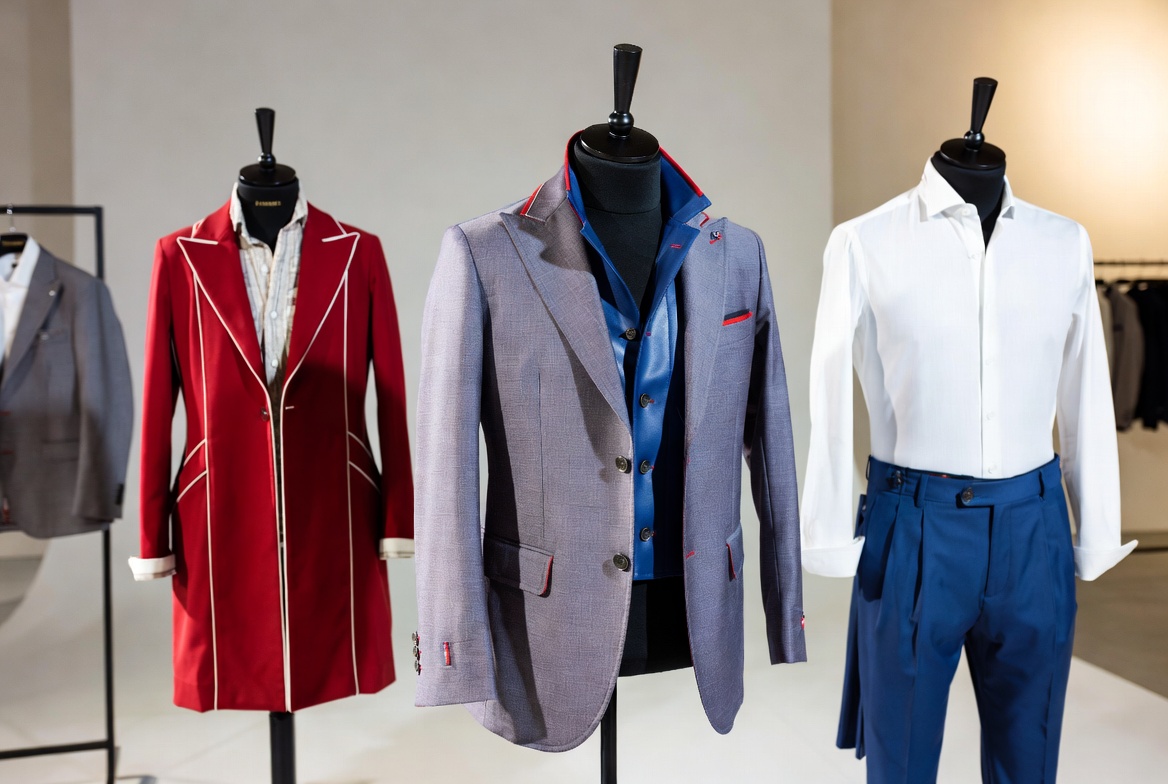
A Custom Clothing Manufacturer for Slovakia refers to a specialized production partner that creates tailor-made apparel solutions for Slovak fashion brands. These manufacturers handle everything from design development to final delivery, allowing brands to bring their unique visions to life without maintaining their own factory infrastructure.
Slovak fashion brands are shifting toward custom manufacturing due to rising production costs in the EU, limited local factory capacity, and the need for flexible production volumes. This trend allows startups and established brands to access cost-effective production, faster turnaround times, and greater design freedom.
Private-label services let brands sell products under their own name; OEM (Original Equipment Manufacturing) involves producing designs provided by the client; and ODM (Original Design Manufacturing) offers ready-made designs that brands can customize. Each service type supports different business models and growth stages.
Global sourcing from manufacturing hubs such as Bangladesh provides Slovak startups and established brands with affordable production options, skilled craftsmanship, and access to high-quality fabrics. This partnership model reduces financial risk while maintaining high standards that meet EU market requirements.
What Does a Custom Clothing Manufacturer for Slovakia Do?
Design & Product Development Services
Professional manufacturers create detailed tech packs that include measurements, materials, and construction methods. They develop patterns based on your specifications and produce samples for approval before bulk production begins. Custom sizing options ensure your products align with Slovak body measurements and EU sizing standards, making your collections market-ready from day one.
Fabric & Material Sourcing
Manufacturers source high-quality materials, including cotton, organic cotton, linen, polyester blends, and recycled fabrics. They maintain relationships with certified fabric suppliers who meet EU textile regulations, including chemical safety standards and sustainability certifications. This network access gives brands material options they could not secure independently.
Cut, Make & Trim (CMT)
The CMT process involves precision cutting using computerized systems, skilled stitching by experienced workers, and industrial finishing techniques. Quality control happens at multiple production stages, including fabric inspection, inline checks during assembly, and final inspection before packaging. This systematic approach ensures consistent quality across all units.
Why Slovakia Brands Need a Specialized Custom Clothing Manufacturer
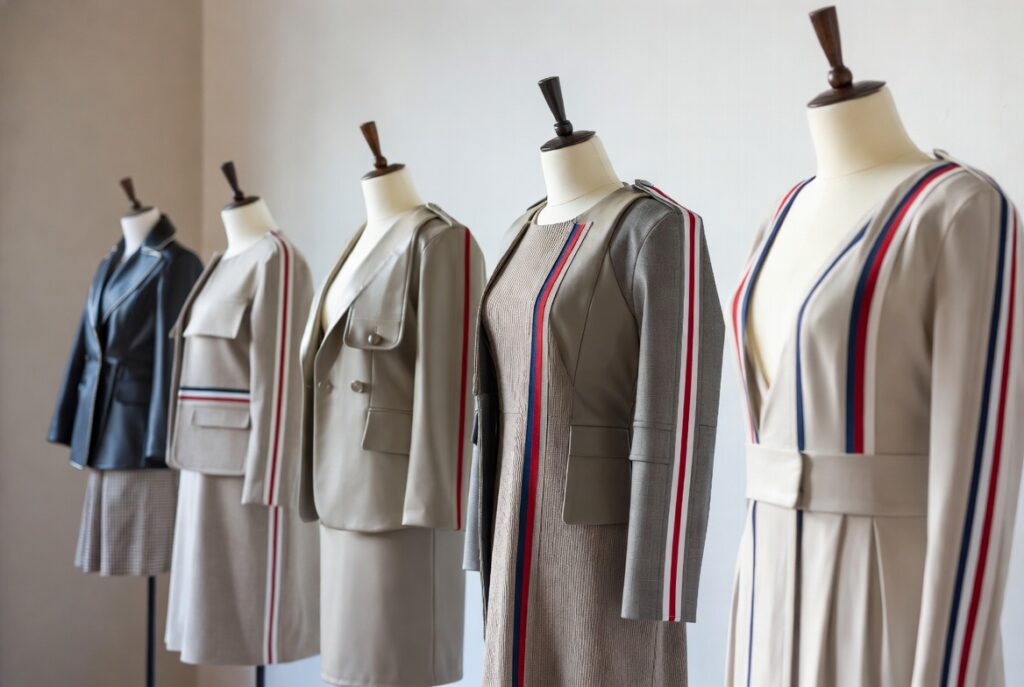
Challenges Faced by Slovak Apparel Brands
Slovak brands face high EU production costs, with hourly labor rates significantly above those in Asian manufacturing hubs. Limited local factory infrastructure means fewer production options, longer waiting times, and higher minimum order quantities. Many local manufacturers focus on large orders, leaving smaller brands without suitable production partners.
Solves These Issues
Partnering with specialized manufacturers delivers immediate cost savings through lower labor costs and greater bulk-material purchasing power. Production timelines accelerate because dedicated factories maintain consistent workflows and experienced teams. Scalability becomes possible as manufacturers handle orders from 100 pieces to 100,000 pieces without compromising quality or delivery schedules.
Benefits of Choosing a Custom Clothing Manufacturer
Low MOQ Advantage for Startups and D2C Brands
Low minimum order quantities allow new brands to test designs without massive financial commitment. Starting with 100-500 pieces per style lets you validate market demand before scaling production. This flexibility supports direct-to-consumer brands that need fresh collections without warehouse overflow.
Cost Efficiency for Slovak Fashion Businesses
Manufacturing in optimized production hubs reduces per-unit costs by 40-60% compared to EU production. Labor cost optimization and bulk raw material sourcing create savings that improve profit margins or allow competitive pricing. These savings help brands invest more in marketing, product development, and customer experience.
Quality Control Standards for Slovakia Brands
Reputable manufacturers implement inline inspections during production and final inspections before shipment. They follow EU quality benchmarks, including stitch quality, colorfastness, and dimensional stability. Third-party inspection services provide additional verification, ensuring products meet retailer requirements and customer expectations.
Types of Apparel Produced
Casualwear Manufacturing
T-shirts form the foundation of many brand collections with options including basic tees, fashion-fit styles, and oversized cuts. Hoodies and sweatshirts feature a range of constructions, from basic fleece to French terry and brushed interiors. Manufacturers handle screen printing, embroidery, and heat transfer for branding and design applications.
Polo shirts, casual pants, and shorts expand casualwear offerings with different fabric weights and finishes. Each category supports customization, including custom t-shirt printing techniques, unique trims, and specialized washes that create distinct brand identities.
Activewear Manufacturing
Gym wear production includes performance t-shirts, shorts, and joggers using moisture-wicking fabrics. Yoga wear requires four-way stretch materials, flatlock stitching, and ergonomic pattern design for movement flexibility. Sports bras, leggings, and training tops incorporate technical features like mesh panels, reflective elements, and compression zones.
Performance fabrics include polyester blends, nylon spandex combinations, and recycled polyester options. Manufacturers manage specialized processes like sublimation printing, seamless knitting, and bonded seam construction that meet athletic performance standards.
Workwear & Corporate Apparel
Uniform production serves hospitality, healthcare, retail, and corporate sectors with durable construction and professional finishes. Branded work clothing includes embroidered logos, woven labels, and color-matched elements that reinforce company identity. High-visibility workwear, chef uniforms, and medical scrubs require specific fabric certifications and functional design features.
Corporate apparel ranges from business casual shirts and pants to branded promotional items. Bulk ordering options and consistent quality across reorders make manufacturers reliable partners for ongoing uniform programs.
Fashion & Streetwear Production
Trend-led designs require manufacturers who understand current fashion movements and construction techniques. Custom trims, including zippers, buttons, drawcords, and labels, create distinctive product details. Specialized washes like stone wash, enzyme wash, and acid wash add unique finishes to denim and cotton garments.
Streetwear production involves oversized fits, dropped shoulders, extended lengths, and bold graphics. Manufacturers support complex design elements including patchwork, applique, distressing, and mixed-material construction that define contemporary street fashion.
Why Bangladesh is a Strategic Hub for Custom Clothing Manufacturers
Manufacturing Infrastructure Supporting Slovakia Brands
Bangladesh has developed world-class garment manufacturing infrastructure with over 4,500 export-oriented factories. Modern facilities feature computerized cutting systems, automated sewing lines, and climate-controlled production environments. This manufacturing infrastructure supports everything from basic t-shirts to complex technical garments with consistent quality standards.
Skilled Workforce for Custom Clothing Manufacturing
The country employs over 4 million garment workers with specialized skills in knitwear, woven fabrics, and finishing techniques. Training programs and decades of export experience have created a skilled workforce capable of executing complex designs and meeting international quality standards. Pattern makers, sample technicians, and quality controllers bring expertise that matches European production capabilities.
Logistics & Shipping to Slovakia
Established shipping routes connect Bangladeshi ports to European destinations with regular container services. Air freight options provide faster delivery for urgent orders or sample shipments. Most manufacturers handle export documentation, customs compliance, and delivery coordination, thereby simplifying logistics for Slovak brands.
Compliance & Certifications Required
OEKO-TEX certification verifies that fabrics and finished products are free from harmful chemicals and safe for human use. This certification is increasingly required by EU retailers and conscious consumers who prioritize product safety.
GOTS (Global Organic Textile Standard) certification applies to organic cotton products and verifies both the organic status of the materials and ethical manufacturing practices. Brands targeting sustainable fashion markets need this certification to support their environmental claims.
BSCI and SEDEX certifications demonstrate ethical manufacturing practices, including fair wages, safe working conditions, and environmental responsibility. These social compliance certifications are mandatory for supplying major EU retailers.
REACH compliance ensures that products comply with EU chemical safety regulations and restrict the use of hazardous substances in textiles. Manufacturers must test and document the chemical content to demonstrate REACH compliance before shipping to EU markets.
How Texasia support to as a Custom Clothing Manufacturer for Slovakia
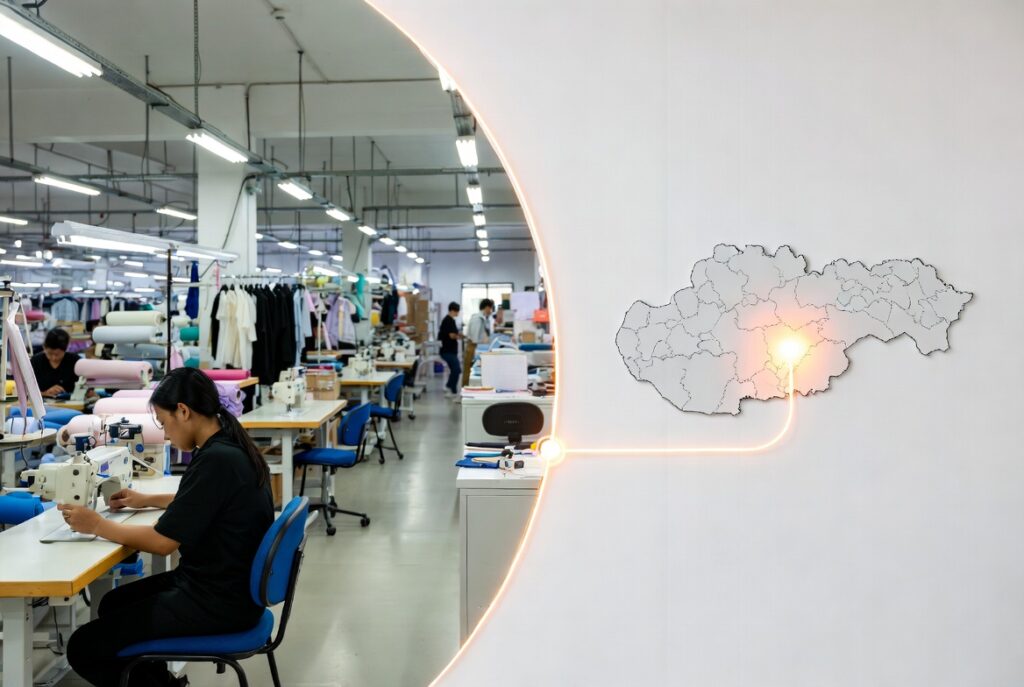
Texasia provides end-to-end production support starting with initial concept discussions and design consultations. The team develops tech packs, sources materials, produces samples, and manages bulk production through to final delivery. This comprehensive service eliminates the need for brands to coordinate multiple suppliers.
Transparent pricing models provide clear cost breakdowns for materials, labor, and shipping, with no hidden fees. Regular Communication through email, video calls, and production updates keeps brands informed throughout the manufacturing process. Dedicated account managers ensure a consistent point of contact and quick response times.
Proven experience with EU brands means understanding market requirements, quality expectations, and compliance standards specific to European markets. Sustainable fabric options, including OEKO-TEX-certified materials and organic cotton, help brands build environmentally conscious collections.
The company handles textile supply for European brands with deep material sourcing networks and quality verification processes. Production capabilities span casualwear, activewear, and fashion categories, with flexible order volumes that support both startups and established brands.
Custom Clothing Manufacturer for Slovakia vs Local EU Manufacturers
| Factor | Custom Clothing Manufacturer (Bangladesh) | Local EU Manufacturers |
|---|---|---|
| Production Cost | 40-60% lower per unit | Higher labor and operational costs |
| Minimum Order Quantity | 100-500 pieces per style | 1,000-5,000 pieces per style |
| Design Flexibility | High customization options | Limited by existing capabilities |
| Lead Time | 60-90 days including shipping | 30-60 days local production |
| Scalability | Easy to scale from small to large orders | Capacity constraints for growth |
| Compliance | EU-focused certifications available | Built-in EU compliance |
| Communication | English, digital tools, time difference | Same time zone, easier meetings |
This comparison shows that personalized clothing manufacturer Bratislava’s options offer proximity benefits while international manufacturers provide cost and flexibility advantages. The best choice depends on order volume, budget, and timeline requirements.
Who Should Work with a Custom Clothing Manufacturer
Startups & New Fashion Brands
New brands benefit from low MOQ options that allow testing designs without excessive inventory investment. Starting with 100-300 pieces per style provides enough product to launch online stores, attend pop-up events, and gauge customer response. This approach reduces financial risk while building brand presence.
Established Clothing Brands Expanding Collections
Brands adding new product categories or seasonal drops need manufacturing partners who handle diverse production requirements. Private-label clothing services in Slovakia allow established brands to expand their offerings without investing in new production equipment or expertise. Manufacturers manage the technical aspects while brands focus on design and marketing.
E-commerce & Private Label Sellers
Online retailers require consistent quality, reliable delivery, and competitive pricing to maintain customer satisfaction. Bespoke garment factory Europe alternatives in Bangladesh offer cost structures that support healthy e-commerce margins. Custom packaging, hang tags, and labeling create professional brand presentation that drives repeat purchases.
Step-by-Step Process of Working with a Custom Clothing Manufacturer for Slovakia
Step 1: Idea & Concept Discussion
Initial consultation covers your product vision, target market, quality expectations, and budget parameters. You share design references, sketches, or detailed descriptions of what you want to create. The manufacturer provides feedback on feasibility, material options, and production timelines. This foundation ensures both parties understand the project scope and expectations before moving forward.
Step 2: Tech Pack & Sampling
The manufacturer develops technical specifications, including measurements, construction details, and material specifications. Sample production begins once you approve the tech pack, and physical prototypes are created for evaluation. You review samples for fit, quality, and design accuracy, requesting revisions as needed. This iterative process continues until samples meet your standards.
Step 3: Fabric Approval & Bulk Production
Fabric swatches are submitted for approval, allowing you to verify color, texture, and quality. Once fabrics are approved, bulk production begins with cutting, sewing, and finishing operations. The manufacturer provides production updates at key milestones, keeping you informed of progress and any issues requiring attention.
Step 4: Quality Inspection & Shipping to Slovakia
Final inspection checks random samples from the production batch against approved standards. Quality control teams verify measurements, stitching quality, printing accuracy, and overall construction. After inspection approval, products are packed according to your specifications and shipped to Slovakia with all necessary customs documentation and tracking information.
Common Mistakes to Avoid
Ignoring Certifications creates problems when entering retail channels or responding to customer questions about product safety. EU markets increasingly require OEKO-TEX, GOTS, or similar certifications. Verify your manufacturer holds relevant certifications before committing to production.
Poor Communication leads to misunderstandings about design details, timelines, and quality expectations. Establish clear communication channels, respond promptly to questions, and document all agreements in writing. Regular check-ins during production prevent surprises at delivery.
No Sampling Phase results in bulk production that falls short of expectations. Always invest in samples before bulk orders, even if timelines feel tight. Samples reveal fit issues, construction problems, and design adjustments needed before manufacturing thousands of units.
Real Case Study on Texasia is the Best Custom Clothing Manufacturer for Slovakia
A Slovak streetwear brand launched in 2023 with a vision for custom apparel production in Slovakia, but faced high local manufacturing costs. They partnered with Texasia, starting with a 200-piece order across three hoodie designs. The sampling phase took three weeks with two revision rounds to perfect the oversized fit and screen print placement.
Bulk production of 500 hoodies delivered in 75 days with quality meeting EU retail standards. The cost savings allowed the brand to price competitively while maintaining 55% gross margins. Success with the initial collection led to expanded production, including t-shirts, sweatpants, and jackets. The brand now produces four seasonal collections annually with Texasia, scaling from 500 to 3,000 pieces per drop. This partnership demonstrates how the proper manufacturer supports brand growth from startup to established market player.
FAQ
How long does production take?
Production typically takes 60-90 days from order confirmation to delivery in Slovakia, including manufacturing time and international shipping.
Can I customize labels and packaging?
Yes, manufacturers provide custom woven labels, printed labels, hang tags, poly bags, and boxes with your branding and specifications.
Does Texasia ship directly to Slovakia?
Yes, Texasia handles shipping directly to Slovakia with complete customs documentation and tracking information provided.
Are EU compliance standards followed?
Yes, production complies with EU textile regulations and is certified under OEKO-TEX, GOTS, REACH, and social compliance standards.
Conclusion
Finding the right Custom Clothing Manufacturer for Slovakia transforms your brand from concept to reality. International manufacturing partnerships provide cost efficiency, production flexibility, and quality standards that support sustainable business growth. Whether launching your first collection or expanding an established brand, specialized manufacturers handle the technical complexity while you focus on design, marketing, and customer relationships. The key is choosing partners with proven experience, transparent Communication, and commitment to your success.
