
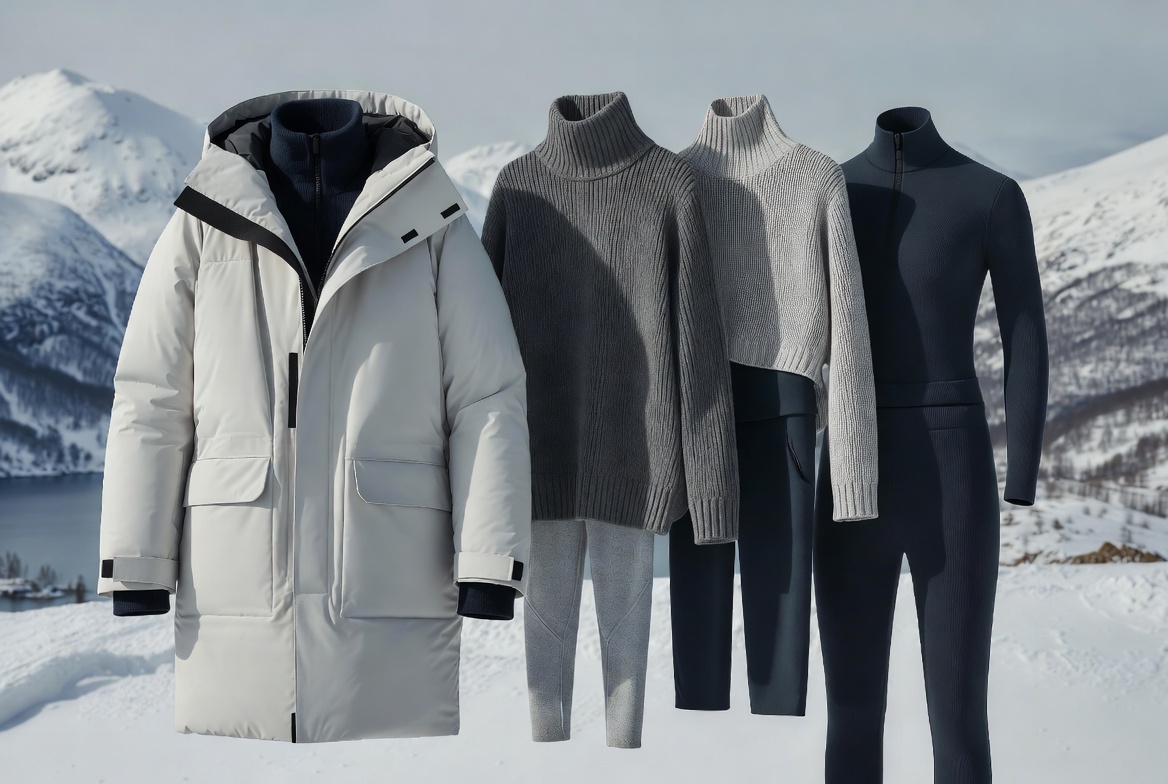
Norway’s apparel market is on track to hit $7-8 billion in revenue by 2026, with over 90% of garments imported from international manufacturers. Why? Domestic production costs in Norway remain sky-high, pushing both established brands and fresh startups to look abroad. At the same time, sustainable fashion demand is climbing 5-6% annually, reshaping how Norwegian buyers choose their manufacturing partners. If you are launching a clothing line or scaling an existing brand, finding the right custom clothing manufacturer for Norway has never been more critical.
Norway’s Apparel Market Overview in 2026
Norway’s per-capita clothing spend ranks among the highest in Europe, driven by strong purchasing power and a deep appreciation for outdoor and functional apparel. The country imports nearly all its clothing, from everyday streetwear to technical mountaineering gear, because local labor and energy costs make domestic production financially unviable for most businesses.
Private label apparel Norway is expanding fast, with retailers seeking unique, exclusive collections that stand out in a competitive market. Norwegian consumers expect premium quality, ethical sourcing, and transparent supply chains. Brands that can deliver on these fronts gain loyalty and market share.
Texasia has emerged as a go-to partner for Nordic brands, offering end-to-end manufacturing solutions that align with Norwegian values. From organic fabrics to low-impact dyes, Texasia helps brands meet both market expectations and regulatory requirements.
Buyer segments include sustainable fashion startups, outdoor and activewear labels, corporate workwear providers, and private label retailers looking to differentiate their offerings.
Why Norwegian Brands Choose Global Custom Clothing Manufacturers
Domestic High Costs Driving Outsourcing Demand
Norway’s labor costs are among the highest worldwide, and energy expenses add another layer of overhead. Manufacturing a single garment domestically can cost 3-5 times more than sourcing from a custom clothing manufacturer for Norway based in Asia or Eastern Europe. For startups and small brands, this gap makes international production the only viable path.
Access to Specialized Skills, Materials & Ethical Labor Pools
Global manufacturers offer expertise Norwegian factories simply cannot match. Whether you need merino wool blends, recycled polyester, or biodegradable fabrics, international suppliers have the infrastructure and know-how. Countries like Bangladesh, Vietnam, and Portugal have built entire ecosystems around garment production, with skilled workers, advanced machinery, and streamlined supply chains.
Ethical labor practices are non-negotiable for Norwegian buyers. Reputable manufacturers comply with international standards like BSCI and SEDEX, giving brands the confidence they need to market their products at home.
Scalability, Flexibility & Cost Advantages for Nordic Markets
A custom clothing manufacturer can scale production from 100 pieces to 100,000 without breaking a sweat. This flexibility is gold for growing brands. You pay less per unit, access premium materials at competitive prices, and still meet Norway’s strict quality and sustainability benchmarks.
Essential Qualities of a Reliable
Premium Fabric Sourcing Aligned with Norwegian Expectations
Norwegian consumers know their fabrics. They expect organic cotton, recycled polyester, merino wool blends, and even cutting-edge biodegradable options. Your manufacturer should source these materials from certified suppliers and provide full traceability.
Ethical & Social Compliance Standards Valued in Norway
Norway’s Transparency Act (Åpenhetsloven) requires companies to report on human rights and working conditions in their supply chains. Partnering with a manufacturer certified under BSCI, SEDEX, or WRAP simplifies compliance and builds consumer trust. These certifications prove your factory treats workers fairly, pays living wages, and maintains safe conditions.
Robust Quality Control & Testing Protocols
A single defective batch can sink a startup. Top manufacturers inspect fabrics, check stitching, test colorfastness, and verify sizing before shipment. Look for partners with ISO 9001 certification and in-house QC teams that document every step.
Sustainability Requirements Norwegian Buyers Demand in 2026
Eco-Friendly & Circular Materials Priority
Norwegian brands are racing to adopt recycled, organic, and low-impact fabrics. The EU Textile Strategy and Norway’s alignment with circular economy principles are pushing this trend further. Expect buyers to ask about fiber origin, recycling content, and biodegradability.
Low-Impact Dyeing, Water Conservation & Chemical Management
OEKO-TEX and Bluesign certifications matter. Norway restricts PFAS and other forever chemicals, so your dyes and finishes must meet strict environmental standards. Water recycling systems, low-temperature dyeing, and non-toxic chemicals are table stakes for sustainable clothing production Norway.
Carbon-Conscious Production & Shipping Practices
Carbon footprints count. Brands want manufacturers who use renewable energy, optimize logistics, and offer consolidated shipping to reduce emissions. Shipping by sea instead of air, consolidating orders, and choosing green-certified factories all help.
Key Custom Apparel Categories for Norwegian Brands
Custom Streetwear & Urban Fashion Manufacturing
Norway’s urban fashion scene thrives on individuality. Brands need manufacturers who can produce limited runs with bold prints, unique cuts, and premium finishing. Think oversized hoodies, graphic tees, and tailored joggers.
Performance Sportswear & Activewear Production (Nordic Outdoor Focus)
Outdoor life defines Norwegian culture. From ski wear to trail running gear, brands need custom sportswear manufacturer Nordic partners who understand technical fabrics, moisture-wicking, thermal insulation, and durability. Functional design meets Scandinavian minimalism.
Durable Workwear & Corporate Uniforms
Construction, oil and gas, hospitality—Norway’s industries demand workwear that lasts. Reinforced stitching, high-visibility materials, and flame-resistant fabrics are common requests. Corporate clients also want uniforms that reflect their brand identity while standing up to daily wear.
Private Label Collections for Retail & E-Commerce
Retailers want exclusive lines that shoppers cannot find elsewhere. A custom clothing manufacturer can design, produce, and label entire collections under a retailer’s brand, from concept to delivery.
Advanced Customization Options from a Custom Clothing Manufacturer for Norway
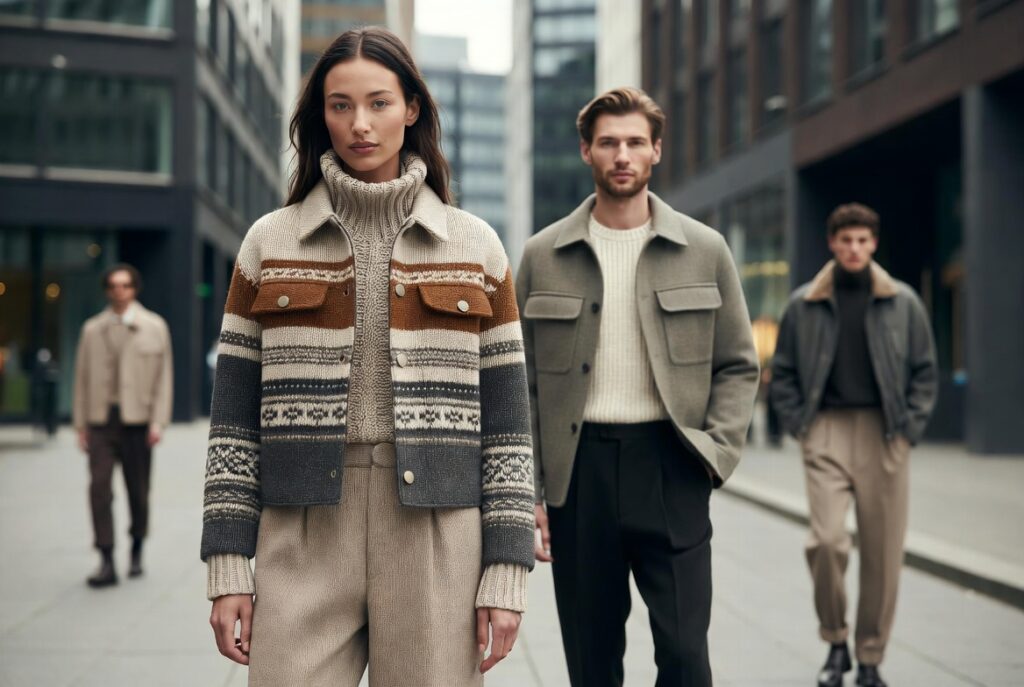
Professional Pattern Making, Tech Packs & 3D Digital Sampling
Tech packs translate your vision into production-ready instructions. 3D digital sampling cuts lead times and waste by letting you approve designs virtually before cutting a single fabric swatch. This is standard practice among leading manufacturers.
Printing, Embroidery, Labeling & Branding Techniques
Screen printing, sublimation, embroidery, heat transfers, woven labels, hang tags—your manufacturer should offer a full menu of branding options. Custom packaging adds another layer of polish.
Nordic-Specific Sizing, Grading & Functional Fit Adjustments
Norwegian buyers are taller and have different body proportions than global averages. A good manufacturer adjusts sizing charts, grades patterns for Nordic fits, and tests garments for comfort in cold and humid climates.
MOQs, Transparent Pricing & Realistic Timelines
Flexible Minimum Order Quantities for Norwegian Startups & Small Brands
Startups cannot afford to order 10,000 units upfront. Look for low MOQ custom clothing Europe options—manufacturers who will work with you on 100-500 piece orders. Texasia specializes in flexible MOQs, making it easier for new brands to test the market without overcommitting.
Clear Cost Breakdowns & Value Transparency
Hidden fees kill trust. Top manufacturers provide itemized quotes covering fabric, labor, trims, printing, quality control, and shipping. You should know exactly where your money goes.
From Sampling to Bulk Production & Delivery Schedules
Sampling takes 2-3 weeks. Bulk production runs 6-10 weeks depending on complexity and order size. Shipping to Norway adds another 3-4 weeks by sea. Factor in customs clearance and potential delays. A reliable manufacturer maps out every stage and keeps you updated.
Import Logistics, Shipping & Customs Guidance for Norway
DDP (Delivered Duty Paid) vs. FOB Options for Norwegian Buyers
DDP means your manufacturer handles all shipping, customs, and duties—goods arrive at your door ready to sell. FOB (Free on Board) means you take over once the cargo leaves the factory port, giving you more control but more responsibility. Norwegian brands often prefer DDP for simplicity.
Essential Customs Documentation, HS Codes & EEA Compliance
Norway is part of the European Economic Area (EEA) but not the EU, so customs rules differ slightly. You need an EORI number, correct HS codes for each product type, and VAT documentation. Extended Producer Responsibility (EPR) schemes are rolling out, requiring brands to fund recycling and waste management for textiles. Your manufacturer should help you navigate this.
Why Texasia Stands Out as a Top Custom Clothing Manufacturer for Norway
Proven Track Record Serving Nordic & European Markets
Texasia has partnered with dozens of Norwegian and Nordic brands, delivering everything from eco-friendly streetwear to technical outdoor gear. Their team understands Norwegian consumer expectations, regulatory requirements, and seasonal buying patterns.
Full End-to-End Service at Texasia
From design support to sampling, ethical production, quality control, and sustainable shipping, Texasia handles it all. You get a single point of contact who guides your order from concept to delivery. This streamlined approach saves time, reduces errors, and builds long-term partnerships.
Visit Texasia to explore their full range of services and see how they can bring your vision to life.
Strong Compliance, Supply Chain Transparency & Partnership Focus
Texasia holds certifications in BSCI, OEKO-TEX, and other key standards. They provide full supply chain transparency, helping you comply with Norway’s Transparency Act and meet consumer demands for ethical apparel manufacturer for Norway practices. Their focus is on building partnerships, not just filling orders.
Step-by-Step Guide to Selecting the Right Custom Clothing Manufacturer for Norway
Critical Questions to Ask Potential Manufacturers
- What is your minimum order quantity for my product type?
- Which certifications do you hold (BSCI, OEKO-TEX, Bluesign)?
- Can you provide samples of similar projects?
- What is your typical lead time from order to delivery?
- How do you handle quality control and defect rates?
- Do you offer DDP shipping to Norway?
- Can you source sustainable and recycled materials?
- What customization options (printing, embroidery) do you offer?
Check out Texasia’s product range to see the breadth of what a quality manufacturer can deliver.
Common Red Flags to Avoid in 2026
- Vague answers about certifications or labor practices
- No samples or portfolio available
- Unwillingness to sign non-disclosure agreements
- Prices that seem too good to be true (they usually are)
- Poor communication or slow response times
- No clear quality control process
- Lack of transparency on material sourcing
Real-World Use Cases for Norwegian Brands
Sustainable Fashion Startup Launching Eco-Collection
A Bergen-based startup needed sustainable clothing production Norway for their debut line of organic cotton tees and recycled polyester jackets. Texasia sourced GOTS-certified organic cotton, used low-impact dyes, and delivered 500 units on time. The brand sold out in six weeks and reordered.
Outdoor Retailer Expanding Private Label Activewear
An Oslo retailer wanted exclusive custom sportswear manufacturer Nordic gear for their private label. Texasia designed moisture-wicking base layers, insulated mid-layers, and windproof shells tailored to Norwegian winters. The collection became their best seller.
Corporate Brand Ordering Ethical Workwear Uniforms
A Stavanger logistics company needed durable, high-visibility workwear for 200 employees. Texasia produced reinforced jackets and pants meeting EU safety standards, delivered on budget and on schedule. The uniforms passed all safety inspections and improved employee satisfaction.
For specialized needs, explore highly rated custom clothing manufacturers who deliver consistent quality.
2026 & Beyond Trends Shaping Custom Manufacturing for Norway
Nearshoring (Portugal/Turkey) vs. Global Sourcing Balance
Some Norwegian brands are testing nearshoring to Portugal and Turkey for faster turnaround and lower shipping emissions. These options work well for premium, low-volume orders, but Asia still dominates for cost-effective bulk production. The sweet spot? Diversifying your supplier base.
Digital Tools Reducing Waste
AI-powered demand forecasting, 3D virtual sampling, and automated pattern grading are cutting waste and speeding up production. These tools let you order exactly what you need, test designs digitally, and adjust before committing to fabric cuts.
Circular Fashion Mandates
The EU Green Deal and EEA alignment are driving stricter rules on textile waste. Brands must use recycled content, design for disassembly, and fund take-back programs. Bans on destroying unsold goods are coming. Forward-thinking manufacturers already offer circular design services and take-back partnerships.
Learn more about sustainable solutions at wholesale clothing manufacturer and bulk apparel manufacturer pages.
Real Case Study: Texasia is the Best Custom Clothing Manufacturer for Ireland
An Irish sustainable fashion brand, EcoThreads Dublin, approached Texasia in early 2025 with an ambitious vision: launch a 100% circular clothing line using recycled ocean plastic and organic hemp blends. They needed a manufacturer who could handle complex materials, low MOQs, and tight ethical standards.
Texasia delivered. The team sourced certified recycled polyester from ocean waste programs, blended it with organic hemp, and developed custom fabric mills to achieve the exact hand-feel and durability EcoThreads wanted. Texasia’s design team created tech packs, produced 3D samples for approval, and ran extensive colorfastness and durability tests.
Production began with a test batch of 300 hoodies and 500 tees. Texasia’s QC team inspected every garment, catching a minor stitching inconsistency that was corrected before bulk production. The final order—2,000 pieces—shipped DDP to Dublin in 9 weeks, clearing customs without issues.
EcoThreads sold out their first drop in three weeks, earning media coverage for their commitment to circular fashion. They reordered 5,000 units for their spring collection and expanded into joggers and outerwear. Texasia scaled production seamlessly, maintained quality, and even helped EcoThreads apply for EU Ecolabel certification.
This partnership proves that choosing the right custom clothing manufacturer for Norway (or Ireland, or any Nordic/European market) transforms vision into revenue. Texasia’s combination of ethical sourcing, technical expertise, and customer-first service makes them a trusted partner for brands serious about sustainability and growth.
For brands in Europe seeking similar results, check clothing manufacturers in Europe for regional insights.
FAQ
Can manufacturers handle small orders/low MOQs for Norwegian startups?
Yes, many manufacturers including Texasia offer flexible MOQs starting at 100-500 pieces, perfect for startups testing the market without overcommitting capital.
Which certifications/compliance matter most for Transparency Act and EU regulations?
BSCI, SEDEX, WRAP, OEKO-TEX, and Bluesign are essential for meeting Norway’s Transparency Act and EU environmental standards.
Typical production lead times in 2026?
Sampling takes 2-3 weeks, bulk production runs 6-10 weeks, and shipping to Norway adds another 3-4 weeks by sea—plan for 12-16 weeks total.
How is DDP shipping and customs/VAT handled for imports to Norway?
With DDP shipping, your manufacturer handles all duties, taxes, and customs clearance, delivering goods ready to sell at your Norwegian location.
Do you support circular/recycled materials and low-carbon options?
Top manufacturers like Texasia specialize in recycled polyester, organic cotton, biodegradable fabrics, and low-carbon production methods aligned with circular economy goals.
Ready to start your project? Contact Texasia today to discuss your vision.
Conclusion
Choosing the right custom clothing manufacturer for Norway in 2026 means balancing cost, quality, sustainability, and compliance. Norwegian brands demand premium fabrics, ethical production, and transparent supply chains—standards that global manufacturers like Texasia meet and exceed. Whether you are launching eco-friendly streetwear or scaling private label activewear, the right partner transforms your vision into market-ready products that Norwegian consumers love.
