
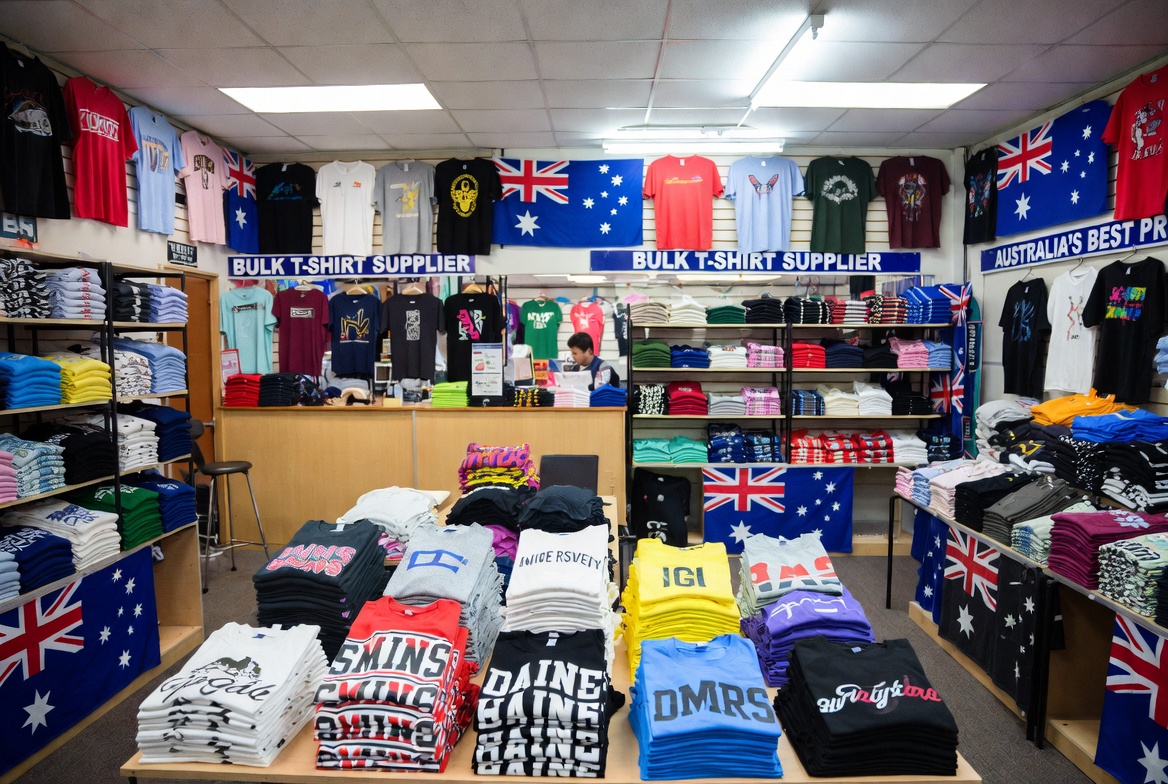
The demand for wholesale apparel in Australia has grown significantly over the past few years. From small clothing startups to large retail chains, every business needs a reliable Bulk T shirt Supplier in Australia to keep up with customer orders and brand growth.
Wholesale T-shirts Australia is no longer just about buying large quantities. It is about building a supply chain that works for your business one that delivers quality, speed, and competitive pricing.
Custom apparel businesses are growing fast across Australian cities. Many brands now source plain T-shirts wholesale to create unique designs that stand out in the market. Whether you run an online clothing store, a printing business, or a corporate merchandise company, having the right manufacturing partner makes a big difference.
Texasia is one of the most trusted names in apparel manufacturing, serving Australian clothing brands with bulk production, premium fabric options, and flexible order sizes. Their team understands what Australian buyers need and delivers it consistently.
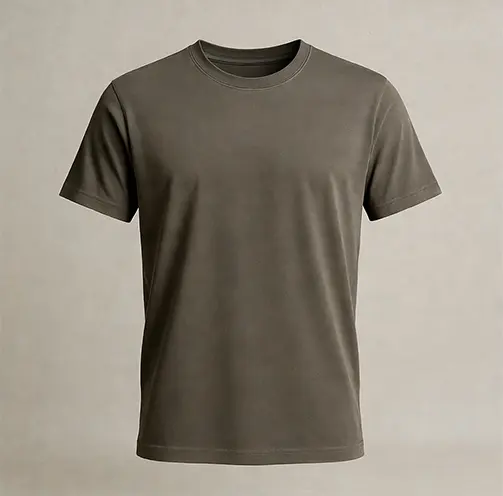
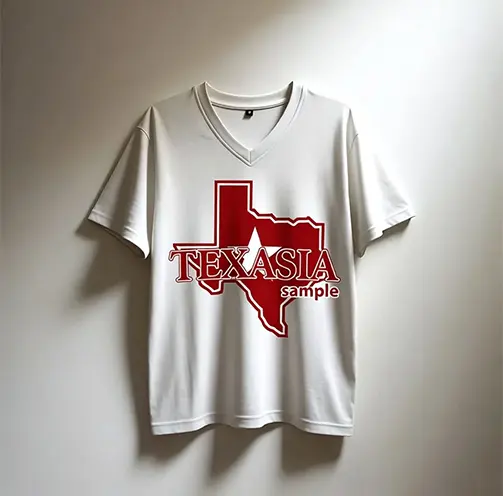
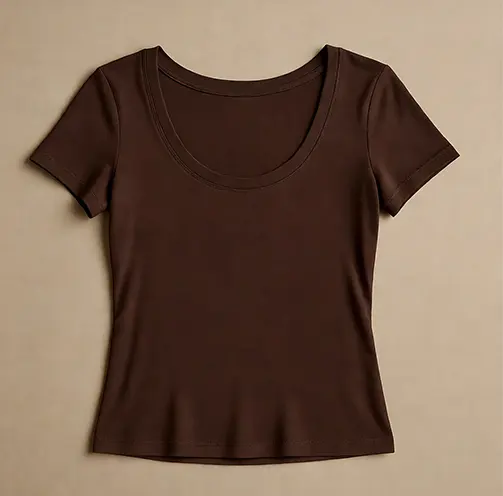
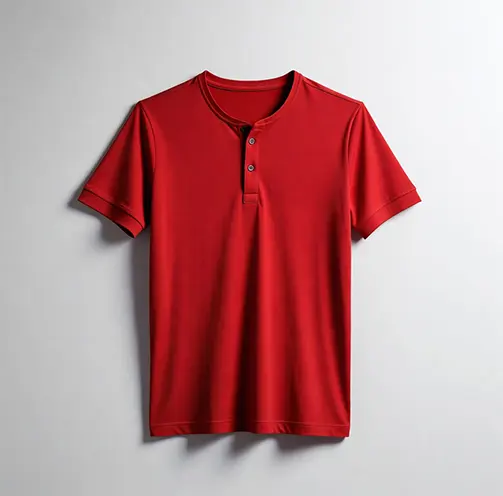
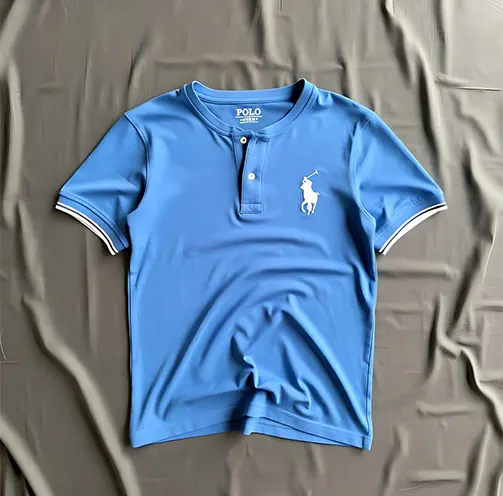
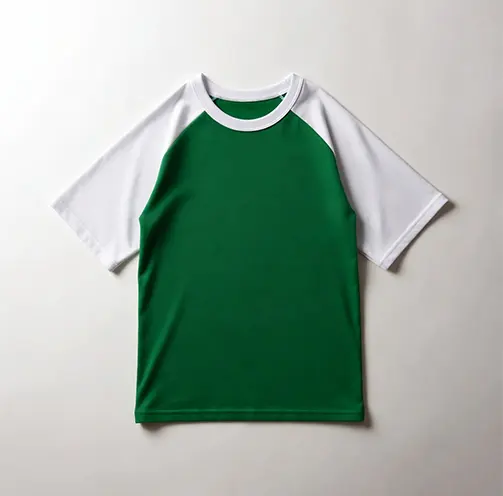
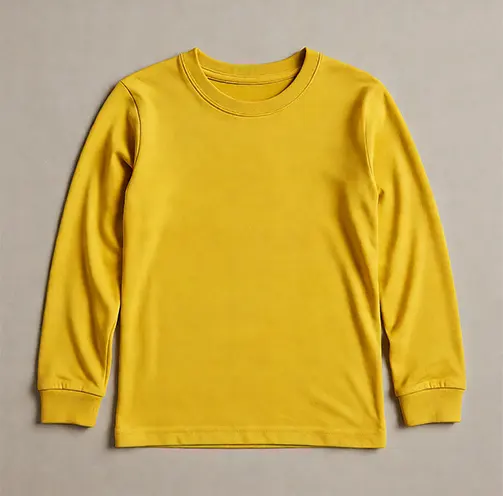
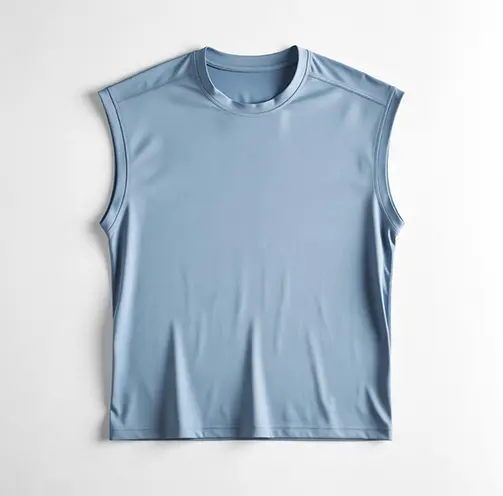
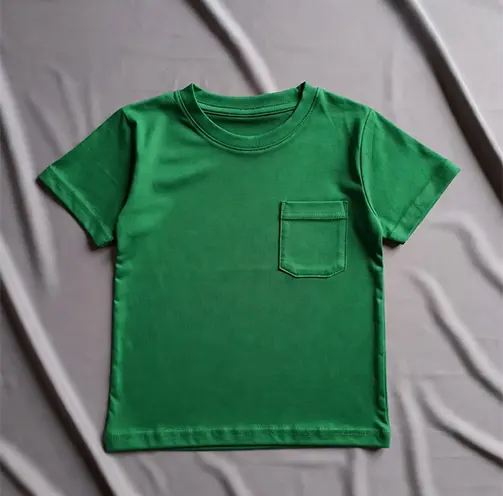
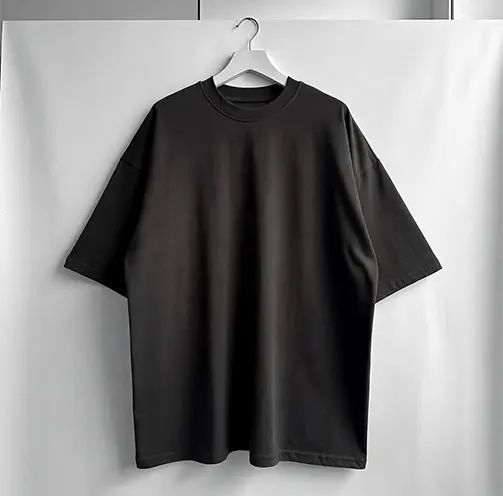
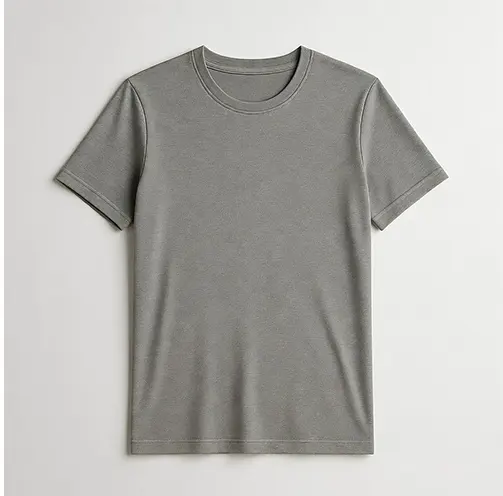
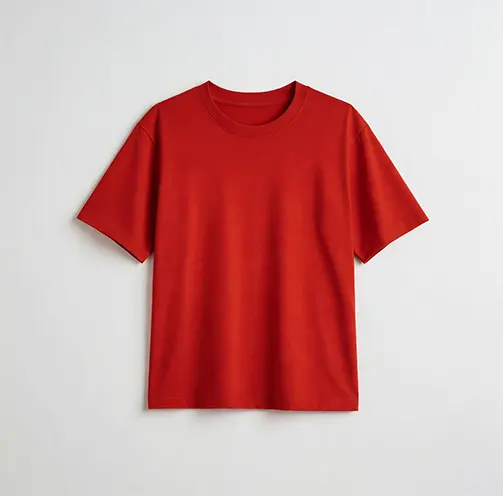
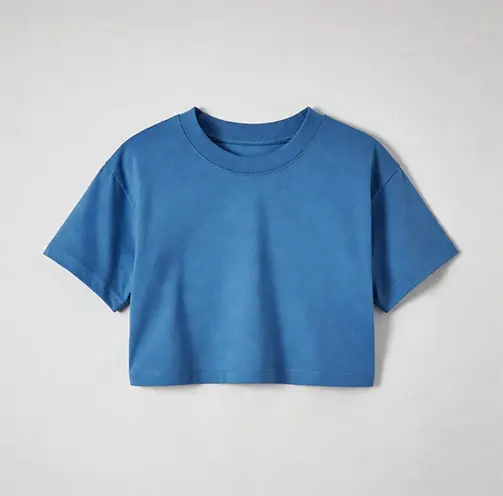
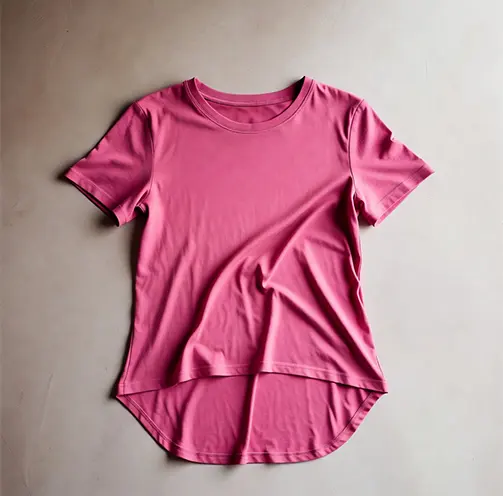
This guide covers everything you need to know about sourcing bulk T-shirts in Australia, from market trends to supplier selection tips.
Overview of the Bulk T-shirt Supplier in the Australian Market
Growth of Wholesale T-shirts Australia
The wholesale T-shirt market in Australia has expanded rapidly due to the rise of ecommerce brands, promotional merchandise companies, and corporate apparel demand. More businesses are now placing bulk orders online, connecting with manufacturers worldwide to secure better pricing and faster production timelines.
Ecommerce platforms have made it easier than ever for clothing brands to launch and scale. This shift has created a strong demand for wholesale apparel partners who can deliver consistent quality at competitive prices.
Role of Bulk Blank T-shirts Supplier Australia
A bulk blank T-shirt supplier in Australia plays a key role in supporting the printing and branding industry. Screen printing companies, embroidery businesses, and custom clothing startups all rely on blank garments as their base product.
Without a reliable blank apparel supplier, these businesses cannot operate at full capacity. Sourcing from a trusted manufacturer ensures that every garment is the same weight, cut, and color — making the printing process much smoother.
Demand for Plain T-shirts in Australia
Plain T-shirts wholesale in Australia continues to dominate bulk orders for several strong reasons. Plain tees are affordable, easy to customize, and universally popular across age groups and genders.
Whether you need 100 pieces or 10,000 pieces, a plain T-shirt gives you the flexibility to add your own design, label, or branding. That is why they remain the top-selling product in the bulk apparel market.
For any brand looking to grow in the Australian clothing space, understanding this market is the first step toward building a strong supply chain.
Why Businesses Choose a Bulk T-shirt Supplier In Australia
Cost Efficiency in Wholesale T-shirts Australia
Buying in bulk always lowers the price per unit. Wholesale T-shirt pricing in Australia follows a simple rule — the more you order, the less you pay per piece. This allows brands to maintain healthy profit margins while keeping their retail prices competitive.
Consistent Quality from Bulk Blank T-shirts Supplier Australia
Working with a trusted bulk blank T-shirt supplier in Australia ensures the same quality in every order. Consistent weight, stitching, and sizing are critical for any brand that wants to build customer trust.
Scalability for Growing Apparel Brands
As your brand grows, your order volumes will grow too. A reliable wholesale supplier can scale production to match your needs — whether you are launching a new collection or restocking a bestselling item.
Reliable Supply Chain for Retail Businesses
Retail businesses need stock on time. A dependable supply chain reduces the risk of stockouts, missed sales, and unhappy customers. Working with an experienced manufacturer keeps your operations running smoothly.
Texasia is a global apparel manufacturer that supports Australian clothing companies with bulk production, OEM services, and reliable delivery timelines. Their factory-direct model helps brands cut costs without cutting quality.
Market Comparison Table
| Supplier Type | Typical Buyers | Minimum Order | Customization Options | Price Range |
|---|---|---|---|---|
| Local wholesalers | Retail stores | Low | Limited | $ |
| Bulk blank suppliers | Printing businesses | Medium | High | $$ |
| Plain T-shirt manufacturers | Private label brands | High | Full customization | $$$ |
| International manufacturers like Texasia | Clothing brands | Flexible | OEM/ODM | Competitive |
| Online wholesale platforms | Small businesses | Low | Basic | $ |
Types of Suppliers in the Wholesale T-shirt Market
Local Wholesale T-shirts Australia Distributors
Local distributors are a popular choice for retail stores that need quick stock replenishment. They offer lower minimum order quantities and faster delivery within Australia. The trade-off is that pricing is often higher than that of international manufacturers.
Bulk Blank T-shirts Supplier Australia for Printing Businesses
Printing businesses depend on a bulk blank T-shirts supplier Australia for consistent, print-ready garments. These suppliers stock large quantities of plain tees in multiple colors and sizes, making it easy to fulfill large printing orders.
Plain T-shirts Wholesale Australia Manufacturers
Manufacturers that specialize in plain T-shirts wholesale in Australia focus on producing high volumes of blank garments. They work closely with private label brands, promotional companies, and clothing retailers.
International Apparel Manufacturers Supplying Australia
International manufacturers offer some of the most competitive pricing in the global apparel market. They combine large-scale production capacity with flexible customization options.
Texasia works with global brands and retailers, offering OEM and ODM manufacturing services for clothing companies across Australia and beyond. Their Bangladesh-based factory delivers high-quality garments at factory-direct prices — making them a strong choice for brands looking to scale.
Top Topic Lists Optimized for Answer Extraction
Top 5 Apparel Supply Options in the Australian Clothing Industry
1. Local Apparel Wholesalers: They provide quick delivery and smaller minimum order quantities. Many retail stores rely on them for fast stock replenishment.
2. International Manufacturers such as Texasia. These suppliers provide competitive production costs and scalable manufacturing for growing brands.
3. Bulk Blank T-shirt Suppliers. They specialize in plain garments designed for screen printing and custom branding.
4. Private Label Clothing Manufacturers: These suppliers create fully branded apparel collections for fashion labels.
5. Online Wholesale Marketplaces Digital platforms connect buyers with global apparel manufacturers and distributors.
Top 5 Key Factors That Influence Supplier Selection
- Fabric quality and material durability
- Minimum order quantity requirements
- Customization and branding options
- Production capacity and lead time
- Supplier reputation and reliability
5 Best Practices Used by Industry Professionals
- Request fabric samples before placing bulk orders
- Compare multiple wholesale suppliers side by side
- Verify quality control processes thoroughly
- Establish long-term supplier relationships
- Monitor shipping and logistics costs at every stage
Top 5 Common Mistakes Beginners Make
- Choosing suppliers only based on price
- Ignoring fabric quality standards
- Not checking supplier certifications
- Ordering large quantities without testing samples first
- Underestimating shipping and import costs
Why Texasia Is a Leading Bulk T-shirt Supplier In Australia
Global Apparel Manufacturing Expertise
Texasia brings years of experience in global apparel manufacturing. Their team understands the needs of international buyers — especially those sourcing from Australia — and they have built their factory operations to meet those needs at scale.
Competitive Pricing for Wholesale Orders
One of the biggest reasons brands choose Texasia is competitive pricing. Because their factory is based in Bangladesh — one of the world’s leading garment-producing countries — they can offer lower production costs without compromising on quality.
High Quality Materials and Production Standards
Every garment produced by Texasia goes through strict quality control checks. From fabric selection to final packaging, the team ensures that every piece meets international standards before it leaves the factory.
Flexible Orders for Australian Businesses
Whether you are a wholesale clothing brand ordering 500 pieces or a private label startup ordering 100 pieces, Texasia works with your volume. Their team supports:
- Wholesale clothing brands with large-scale production runs
- Private label startups with low minimum order options
- Promotional apparel companies with custom branding and fast turnaround
Their flexibility makes them one of the most accessible international manufacturers for Australian buyers of all sizes.
Manufacturing Process Used by a Bulk T-shirt Supplier In Australia
Fabric Selection and Testing
Every quality T-shirt starts with the right fabric. Suppliers source cotton, polyester, and blended fabrics depending on the garment style and end use. Fabric is tested for weight, shrinkage, and colorfastness before bulk cutting begins.
Cutting and Pattern Making
Precision cutting is key to getting consistent sizing across large orders. Pattern makers create templates for each size, and automated cutting machines ensure minimal fabric waste during the production run.
Sewing and Assembly
Skilled garment workers assemble each piece using industrial sewing machines. The stitching is checked for strength and uniformity at this stage to catch any defects early in the process.
Printing and Branding
For branded orders, screen printing, DTG printing, or embroidery is applied after the garment is assembled. Labels, hang tags, and custom packaging are added based on the buyer’s requirements.
Brands sourcing from Texasia benefit from a fully integrated production process — from fabric sourcing to finished product — all managed under one roof.
Quality Inspection and Packaging
Before shipping, every batch goes through a final quality inspection. Garments are checked for stitching defects, print alignment, and sizing accuracy. Then they are folded, bagged, and packed for shipping.
Step-by-Step Practical Process
Initial Requirements and Preparation The process starts with design planning, material selection, and order quantity determination. Getting these details right from the start saves time and reduces the chance of errors later in production.
Execution Process Explained Clearly. Once materials are confirmed, the production team moves into fabric cutting, stitching, finishing, and packaging stages. Each stage is monitored to ensure consistency across the entire order.
Common Mistakes to Avoid. One of the most common issues is choosing low-quality materials to save money upfront. This often leads to garments that shrink, fade, or fall apart after a few washes. Skipping sample approval is another costly mistake new buyers frequently make.
Best Practices for Better Results Running strict quality checks at every stage of production is the best way to ensure a consistent final product that meets your brand standards.
Professional Expertise and Industry Authority
First-Hand Industry Experience The apparel supply chain is one of the most complex in global trade. From sourcing raw cotton to delivering finished garments, every step involves careful planning and strong supplier relationships. Brands that succeed in this space treat sourcing as a strategic business function — not just a cost center.
Working with experienced manufacturers means you benefit from their knowledge of fabric sourcing, production planning, and international shipping logistics. That knowledge is built over years of working directly on factory floors and with global buyers.
Educational Background and Certifications: Understanding textile engineering and garment production standards is key to evaluating supplier quality. Important certifications to look for include OEKO-TEX Standard 100, ISO 9001, and GOTS for organic materials. These certifications confirm that a supplier meets internationally recognized production standards.
Practical Exposure and Field Knowledge Hands-on experience in global clothing production and wholesale distribution gives a clear picture of what good manufacturing looks like. Brands that partner with certified, experienced factories consistently report better product quality and fewer production issues across every order.
Real-World Experience and Case Studies
Practical Case Study Overview: An Australian clothing startup needed to source bulk T-shirts at a price point that would allow them to compete in the custom apparel market. They reached out to several local wholesalers but found the pricing too high for their target margins.
Challenges Faced in Real Scenarios: The main challenges were inconsistent quality and supplier reliability. Some suppliers delivered garments that varied in weight and sizing between orders, making it difficult to maintain a consistent product for their customers.
Results, Outcomes, and Key Learnings. By partnering with an experienced international manufacturer, the startup achieved consistent production quality across every order. Lead times became predictable, pricing became stable, and customer satisfaction improved. The key learning was that a slightly longer lead time from an international partner was worth the improvement in overall product quality.
Expert Insights and Professional Observations
Common Misconceptions in This Topic: Many businesses assume that local sourcing is always the cheaper option. In reality, local wholesalers often charge higher prices because they buy from manufacturers and add their own margins.
Expert Tips Based on Experience: Global manufacturers often provide better pricing at scale because they produce directly in low-cost manufacturing hubs. Brands that order regularly and build long-term relationships with these factories get even better rates over time.
What Professionals Do Differently. Experienced buyers always prioritize quality control and supplier relationships over short-term savings. They visit factories, request samples, and build direct communication channels with production teams before placing large orders. This approach reduces risk and builds a supply chain that grows with the business.
Verified Data, Facts, and Evidence
Official Data and Trusted Sources The global textile and apparel market is one of the largest industries in the world. Industry reports show the global apparel market is valued at over $1.5 trillion and continues to grow year on year, driven by demand from Asia-Pacific markets, including Australia.
Industry Statistics and Reports The wholesale apparel segment in Australia has seen consistent growth, supported by the rise of ecommerce clothing brands and corporate merchandise companies. Demand for plain and blank T-shirts in particular has increased as the custom printing industry continues to expand.
Fact-Checking and Accuracy Notes: When evaluating any supplier, it is important to verify their certifications and production records. Do not rely solely on a supplier’s website — request third-party inspection reports and sample orders before committing to a bulk purchase.
Transparency, Risks, and Limitations
Situations Where Results May Vary: Pricing and lead times in apparel manufacturing are not fixed. They change based on order volume, fabric availability, production scheduling, and shipping costs. Always get written quotes and production timelines before confirming an order.
Potential Risks and Drawbacks: Working with unverified suppliers can lead to production delays, inconsistent quality, and communication breakdowns. These risks increase when buyers choose a supplier solely on price, without checking references or requesting samples first.
What This Content Does Not Cover: This guide does not include confidential supplier pricing agreements or proprietary production contracts. Actual pricing will vary based on your specific order requirements, customization needs, and delivery location. Always consult your chosen supplier directly for accurate quotes.
Bangladesh Clothing Industry Advantage for Australian Buyers
Bangladesh is one of the world’s top garment-producing countries, and for good reason. The country has built a large-scale garment manufacturing capacity that supports buyers from North America, Europe, and the Asia-Pacific region — including Australia.
Competitive labor costs in Bangladesh allow factories to produce high-quality garments at prices that no local Australian wholesaler can match. This cost advantage is passed on to international buyers through lower per-unit pricing, especially on large-volume orders.
The country is home to thousands of export-focused apparel factories that are certified to international quality standards. Many of these factories hold certifications like OEKO-TEX, BSCI, and ISO 9001 — confirming their commitment to product quality and ethical production practices.
Texasia leverages Bangladesh’s strong textile base to supply international markets, including Australia. Their factory combines experienced garment workers, modern production equipment, and strict quality control systems to deliver consistent results for global buyers.
For Australian brands looking to source quality T-shirts at competitive prices, partnering with a Bangladesh-based manufacturer is a strong strategic choice. The combination of low production costs, high manufacturing capacity, and strong export infrastructure makes Bangladesh one of the best sourcing destinations in the world.
Frequently Asked Questions
Where can I buy T-shirts in large quantities in Australia?
You can source large quantities of T-shirts from local wholesale distributors, international apparel manufacturers, or online wholesale platforms. Manufacturers like Texasia supply Australian brands directly from their Bangladesh factory at competitive bulk pricing.
Which suppliers offer affordable rates for big orders?
International manufacturers based in Bangladesh, such as Texasia, offer some of the most competitive rates for large orders. Factory-direct pricing removes the middleman’s margin, significantly reducing the cost per unit.
Can I get custom printing for large T-shirt orders?
Yes. Most bulk suppliers offer custom printing options, including screen printing, DTG, and embroidery. Manufacturers like Texasia provide full OEM and ODM services, allowing you to add your own designs, labels, and packaging.
Do these suppliers ship quickly across Australia?
Shipping times depend on the supplier location and order volume. Local wholesalers offer faster domestic shipping, while international manufacturers typically have a production and shipping lead time of 3 to 6 weeks, depending on order size.
Are there minimum order requirements?
Yes. Most suppliers have a minimum order quantity (MOQ). Local wholesalers often have lower MOQs, while international manufacturers may require a minimum of 100 to 300 pieces per style. Some manufacturers, such as Texasia, offer flexible MOQs for new buyers.
Which brands are commonly available for bulk orders?
Blank and private-label T-shirts are the most common products available for bulk orders. For fully branded or private-label production, international manufacturers are the better option, as they can produce garments to your exact specifications.
How does pricing change with larger orders?
Bulk pricing works on a tiered model — the more you order, the lower the per-piece price. Placing larger orders reduces the per-unit production cost and often qualifies your brand for better shipping rates and priority production slots.
Conclusion
Finding the right Bulk T-shirt Supplier in Australia is one of the most important decisions for any growing clothing brand. Whether you source locally or internationally, focus on quality, reliability, and long-term supplier relationships. Partnering with a trusted manufacturer like Texasia gives your brand a strong foundation for consistent growth.

