
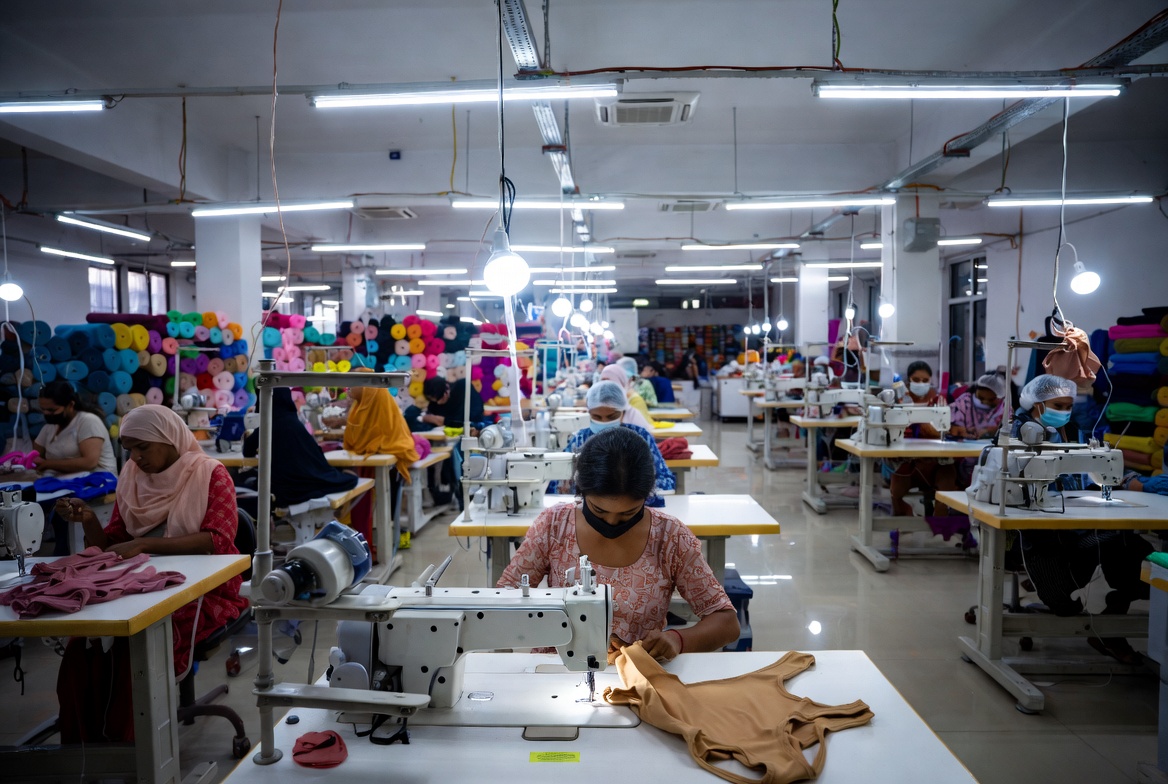
Bangladesh has become a global manufacturing powerhouse for bodysuit production, with specialised factories like Texasia leading the industry. The bodysuit garment factories in Bangladesh started gaining traction in the early 2000s when international brands recognized the country’s expertise in knit and stretch garments. These factories combine traditional craftsmanship with modern technology to produce millions of bodysuits annually. The export destinations include major markets like the USA, EU countries, Middle Eastern nations, and Australia. Bangladesh’s body suit production facilities have grown from small-scale operations to large, certified manufacturers capable of handling orders ranging from 500 to 500,000 pieces. The country’s strategic location, coupled with competitive production costs, makes it an attractive choice for fashion brands worldwide.
Why Global Brands Choose Bodysuit Garment Factories in Bangladesh
Competitive pricing is the first advantage that draws international buyers. Labour costs in Bangladesh remain lower than in most manufacturing countries, allowing brands to maintain healthy profit margins. The skilled labour force specializes in handling delicate stretch fabrics and complex bodysuit constructions with snap closures and multiple fitting points. Large production capacity means factories can handle seasonal peaks and bulk orders without compromising delivery schedules. Ethical and compliant manufacturing practices ensure that brands meet their corporate social responsibility goals while sourcing quality products. These factories invest in worker training programs and maintain safe working environments that align with international standards.
Types of Bodysuits Manufactured by Bodysuit Garment Factories in Bangladesh
Fashion bodysuits form the largest category, featuring trendy designs with various necklines, sleeve lengths, and decorative elements. These pieces work perfectly for casual wear, office settings, or evening events. Shapewear bodysuits focus on body contouring and compression, using specialized fabrics that provide support while remaining comfortable for all-day wear. The construction requires precise pattern making and expert handling of power mesh and similar materials.
Activewear and sports bodysuits cater to the fitness market, featuring moisture-wicking fabrics and four-way stretch. These garments need flat-seam construction to prevent chafing during workouts. Lingerie and intimate bodysuits require delicate handling of lace, mesh, and satin materials, and factories maintain separate production lines to ensure quality. The attention to detail includes hand-finishing on specific styles.
Custom private-label bodysuits allow brands to create unique products that reflect their identity. Garment factories in Bangladesh that produce bodysuits work closely with design teams to bring concepts to life, from initial sketches to final production. This category represents the fastest-growing segment as e-commerce brands seek differentiation in crowded markets.
Fabric Options Used by Bodysuit Garment Factories in Bangladesh
Cotton and cotton-spandex blends offer breathability and stretch, making them perfect for everyday bodysuits. The typical blend ratio ranges from 95/5 to 90/10, providing comfort without excessive compression. Nylon, polyester, and elastane combinations create performance fabrics ideal for activewear and shapewear. These synthetic blends dry quickly and maintain their shape through multiple wash cycles. Sustainable and organic fabrics are gaining popularity, with factories sourcing GOTS-certified cotton and recycled polyester to meet eco-conscious consumer demands.
Manufacturing Process in Bodysuit Garment Factories in Bangladesh
Design and tech pack development begin when clients share their vision. Factories create detailed technical specifications, including measurements, construction methods, and finishing details. Fabric sourcing and inspection ensure materials meet quality standards before production starts. Mills undergo vetting processes, and incoming fabric batches undergo rigorous testing for colour fastness, stretch recovery, and weight consistency.
Cutting, stitching, and assembly take place in climate-controlled environments, where skilled workers handle each component. Computerised cutting machines ensure precision, while specialised sewing machines handle stretch fabrics without distorting them. Quality control and finishing include multiple inspection points throughout production. Packaging and export logistics complete the process, with factories coordinating with shipping companies to ensure timely delivery to various global destinations.
Quality Control Systems in Bodysuit Garment Factories in Bangladesh
Inline and final inspections catch defects early in production. Quality teams check every 10th or 20th piece, depending on the order size and complexity. AQL standards (Acceptable Quality Limit) guide inspection protocols, with most factories operating at AQL 2.5 or lower for major defects. Fit, stretch, and durability testing includes wash tests, snap strength tests, and wear trials to ensure bodysuits maintain their shape and function after repeated use.
Compliance and Certifications of Bodysuit Garment Factories in Bangladesh
Ethical production matters more than ever as consumers demand transparency in supply chains. The bodysuit garment factories in Bangladesh recognize that certifications build trust and open doors to premium markets. International compliance standards cover workplace safety, environmental protection, and fair labour practices. Factories undergo regular audits by third-party organizations to maintain their certifications and demonstrate an ongoing commitment to responsible manufacturing.
Common Certifications Held by Bodysuit Garment Factories in Bangladesh
BSCI (Business Social Compliance Initiative) ensures factories meet European standards for worker rights and safety. SEDEX membership provides a platform for sharing ethical trade data and demonstrates supply chain transparency. WRAP (Worldwide Responsible Accredited Production) certification focuses specifically on apparel and footwear manufacturing and covers 12 key principles. ISO certifications, notably ISO 9001 for quality management, show systematic approaches to production excellence. OEKO-TEX certification guarantees that fabrics and finished products are free from harmful substances, protecting both workers and end consumers. These certifications build trust, ensure transparency, and prioritize worker safety at every level.
Sustainability Practices of Bodysuit Garment Factories in Bangladesh
Eco-friendly dyeing and washing techniques reduce water consumption and eliminate the use of harmful chemicals. Many factories now use digital printing and low-impact dyes that require less water and energy. Waste reduction initiatives include fabric remnant recycling programs and partnerships with organizations that repurpose textile waste. Use of recycled and organic materials continues to expand as brands seek sustainable sourcing options. Some bodysuit manufacturers in Bangladesh now offer collections made entirely from recycled polyester derived from plastic bottles.
Future Sustainability Trends in Bodysuit Garment Factories in Bangladesh
Green factories with LEED certification represent the next generation of manufacturing facilities. These buildings incorporate natural lighting, better ventilation, and energy-efficient systems. Renewable energy usage is increasing, with solar panels becoming common on factory rooftops. Water recycling systems capture and treat wastewater for reuse in non-production processes, dramatically reducing freshwater consumption. The government supports these initiatives through incentives and favourable policies for environmentally responsible manufacturers.
Cost Structure of Bodysuit Garment Factories in Bangladesh
Labour and materials are the two primary expense categories. Bangladesh offers competitive labour rates while maintaining quality standards, giving brands better value compared to other manufacturing hubs. MOQ considerations (Minimum Order Quantity) typically start at 500-1000 pieces per style, though some factories accept smaller quantities for first-time clients. Pricing comparisons with other countries show that Bangladesh consistently offers 15-25% lower costs than China or Vietnam for similar quality levels.
How Bodysuit Garment Factories in Bangladesh Maintain Cost Efficiency
Vertical integration allows some larger factories to control the entire supply chain from yarn to finished garment. This reduces intermediary costs and improves quality control. Bulk sourcing of fabrics and trims creates economies of scale, benefiting clients through lower unit prices. Advanced machinery improves productivity without sacrificing quality, with newer equipment reducing production time per piece while maintaining consistent results.
Texasia – The Best Bodysuit Garment Factory in Bangladesh for Global Brands
Texasia stands as a premier name among bodysuit garment factories in Bangladesh, serving international brands for over two decades. The facility combines state-of-the-art equipment with experienced craftspeople who understand the nuances of bodysuit construction. Global export experience spans more than 40 countries, with satisfied clients ranging from emerging e-commerce brands to established retail chains. Texasia maintains separate production lines for different bodysuit categories, ensuring specialized attention to each product type.
Key Strengths of Texasia as a Leading Bodysuit Garment Factory in Bangladesh
Advanced production facilities include climate-controlled sewing floors, automated cutting systems, and dedicated quality labs. The factory operates multiple shifts to accommodate urgent orders while maintaining consistent quality standards. Strict quality assurance protocols involve inspection at every production stage, from fabric receipt through final packaging. Ethical and sustainable manufacturing remains a core value, with regular training programs for workers and transparent reporting of compliance metrics. Custom design and private-label support help brands create unique products that stand out in competitive markets. The design team collaborates closely with clients, offering technical expertise and market insights throughout development. Texasia demonstrates real-world manufacturing capability through its extensive bodysuit collection and proven track record with global brands.
How to Choose the Right Bodysuit Garment Factory in Bangladesh
Evaluating experience and specialization should be your first step. Look for factories with specific expertise in stretch garments rather than general apparel manufacturers. Request portfolio samples and client references to verify their capabilities. Checking compliance and certifications protects your brand reputation and ensures ethical sourcing. Ask for current audit reports and certification documents. Sampling and quality audits provide firsthand experience with factory capabilities. Visit facilities when possible or hire third-party inspection services to evaluate production conditions.
Common Mistakes to Avoid When Working with Bodysuit Garment Factories in Bangladesh
Failing to comply can lead to severe brand damage if factories fail audits or expose labour issues. Always verify certifications and conduct due diligence before signing contracts. Poor communication causes misunderstandings about specifications, timelines, and quality expectations. Establish clear channels and regular check-ins throughout production. Unrealistic pricing expectations may force factories to cut corners on quality or materials. Understand market rates and focus on value rather than just the lowest price.
Challenges and Solutions in Bodysuit Garment Factories in Bangladesh
Production timelines can extend during peak seasons when factories operate at full capacity. Planning and maintaining buffer time in your schedule prevents disappointments. Quality consistency becomes challenging when scaling up production rapidly. Factories must balance speed with maintaining standards across large order quantities. Logistics and shipping delays affect delivery schedules, particularly during global disruptions like port congestion or container shortages.
How Top Bodysuit Garment Factories in Bangladesh Overcome These Challenges
Digital production tracking systems provide real-time updates on order progress. Clients can monitor cutting, sewing, and finishing stages through online portals. Skilled QA teams work independently from production staff to maintain objective quality assessments. These teams receive continuous training on international standards and buyer requirements. Strong supply chain management includes backup suppliers for critical materials and established relationships with multiple freight forwarders to ensure shipment flexibility.
Why Bangladesh Is a Global Hub for Bodysuit Manufacturing
Bangladesh vs China: While China pioneered mass garment production, Bangladesh now offers 20-30% cost advantages on similar products. Chinese factories face rising labour costs and stricter environmental regulations that increase production expenses. Bangladesh maintains competitive pricing while improving quality standards, making it attractive for price-conscious brands without compromising product integrity.
Bangladesh vs Vietnam: Vietnam has emerged as a manufacturing alternative, but Bangladesh has advantages in knit and stretch-fabric expertise. The body suit factories in Bangladesh have decades of specialization in these materials, while Vietnam focuses more on woven garments and technical outerwear. Lead times in Bangladesh often run shorter due to established supply chains and concentrated factory locations.
Bangladesh vs Turkey: Turkey offers proximity to European markets, but at significantly higher labour costs. Turkish production typically costs 40-50% more than Bangladeshi manufacturing. Turkey serves premium brands willing to pay extra for shorter shipping times, while Bangladesh captures the mid-market and value segments. The quality gap has narrowed considerably, with top Bangladeshi factories matching Turkish standards in construction and finishing.
CountryAverage Labor CostLead TimeSpecialtyMarket Position
Bangladesh $95-120/month 45-60 days Knit & Stretch Value & Mid-Market
China $400-500/month 50-70 days All Categories Premium & Technical
Vietnam $180-220/month 55-65 days Woven Garments Mid & Premium
Turkey $550-650/month 30-40 days Fashion Knits Premium European
Frequently Asked Questions
What is the minimum order quantity for bodysuit garment factories in Bangladesh?
Most bodysuit garment factories in Bangladesh require MOQs of 500-1000 pieces per style, though some factories accept smaller trial orders for new clients.
How long does production take in Bangladesh’s bodysuit factories?
Production typically takes 45-60 days from order confirmation to shipment, depending on order complexity and factory capacity during the season.
Do Bangladesh-based body suit factories offer custom designs?
Yes, leading factories offer comprehensive custom design services, including patternmaking, sample development, and private-label production to meet unique brand requirements.
What certifications should I look for in a bodysuit factory?
Look for BSCI, WRAP, SEDEX, ISO 9001, and OEKO-TEX certifications that ensure ethical production, quality management, and the use of safe materials.
Can Bangladesh’s factories handle sustainable body suit production?
Many factories now offer eco-friendly options made from organic cotton, recycled polyester, and low-impact dyes, with water-recycling systems in place.
What fabrics do Bangladesh bodysuit manufacturers work with?
Factories work with cotton-spandex blends, nylon-elastane, polyester mixes, and sustainable materials suitable for fashion, shapewear, and activewear bodysuits.
How do I get started with a bodysuit factory in Bangladesh?
Contact factories directly with your requirements, request samples, verify certifications, and arrange factory visits or third-party audits before placing orders.
Conclusion
Bodysuit garment factories in Bangladesh offer unmatched value through competitive pricing, skilled craftsmanship, and ethical production standards. With specialized expertise in stretch fabrics and growing sustainability commitments, Bangladesh continues to strengthen its position as the preferred manufacturing destination for global bodysuit brands.
