
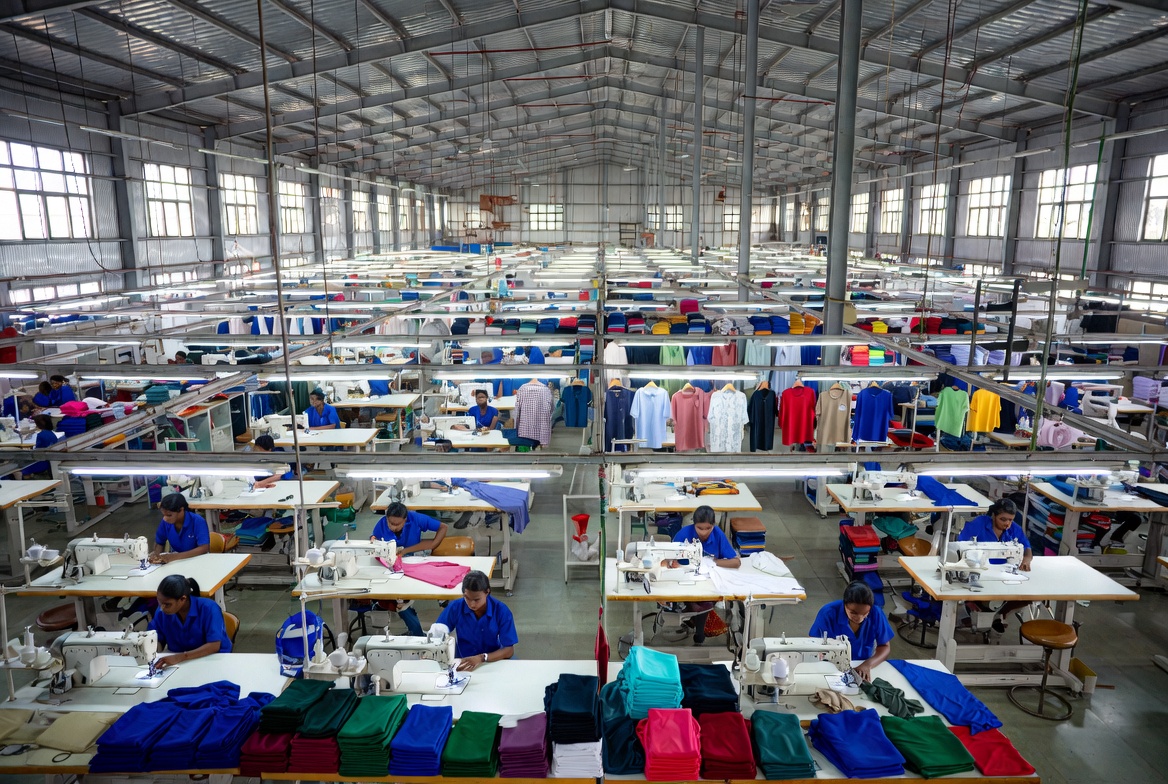
Bangladesh is the world’s second-largest apparel exporter, behind only China, with RMG (Ready-Made Garment) exports consistently surpassing $40-50 billion each year. This South Asian nation has transformed into a global manufacturing powerhouse, producing clothing for major international brands across continents. The country’s garment sector employs millions of workers and contributes significantly to its economy. Among the many factories operating in this thriving industry, Texasia has emerged as one of the best apparel manufacturers in Bangladesh, delivering high-quality production for global markets. With state-of-the-art facilities and a commitment to excellence, Texasia represents the new generation of Bangladeshi manufacturers, combining traditional craftsmanship with modern technology to serve clients worldwide.
Why Bangladesh is a Leading Apparel Manufacturing Hub
Bangladesh has earned its position as a global garment manufacturing leader through several key advantages:
- Competitive labour costs that make production affordable while maintaining quality standards
- A skilled workforce of over 4 million people experienced in garment production
- Strategic location with access to major shipping routes for global distribution
- Government support through export-friendly policies and infrastructure development
- Growing textile ecosystem with integrated fabric mills and accessory suppliers
- Free trade agreements with significant markets are reducing export barriers
Key Benefits of Choosing Bangladesh for Apparel Manufacturing
Cost-Effective Production: Bangladesh offers some of the most affordable manufacturing solutions globally without sacrificing quality. Lower operational costs directly translate into better profit margins for brands.
Skilled Workforce: The country boasts a highly trained workforce with decades of experience in garment production. Workers are familiar with a range of production techniques, from basic stitching to complex pattern-making.
Global Export Reach: Bangladesh maintains strong trade relationships with markets across the US, Europe, Canada, and Australia. The established logistics network ensures smooth delivery of finished products.
Sustainability: The rising focus on eco-friendly manufacturing has pushed Bangladeshi factories to adopt green practices, use sustainable materials, and reduce environmental impact.
Texasia: Best Apparel Manufacturer in Bangladesh
Texasia began its journey with a vision to become a world-class apparel manufacturer in Bangladesh, and today it stands among the industry leaders. The company has built its reputation on three core principles: uncompromising quality, continuous innovation, and reliable delivery. Texasia operates modern facilities equipped with the latest machinery, enabling efficient production of various garment types. The company serves international clients across multiple continents, producing everything from casual wear to formal wear. What sets Texasia apart is its ability to meet global standards while maintaining competitive pricing. The team works closely with clients from design to delivery, ensuring each piece meets exact specifications. With certifications and compliance with global regulations, Texasia has positioned itself as a trusted partner for brands seeking reliable manufacturing in Bangladesh.
Top 10 Apparel Manufacturers in Bangladesh
Texasia
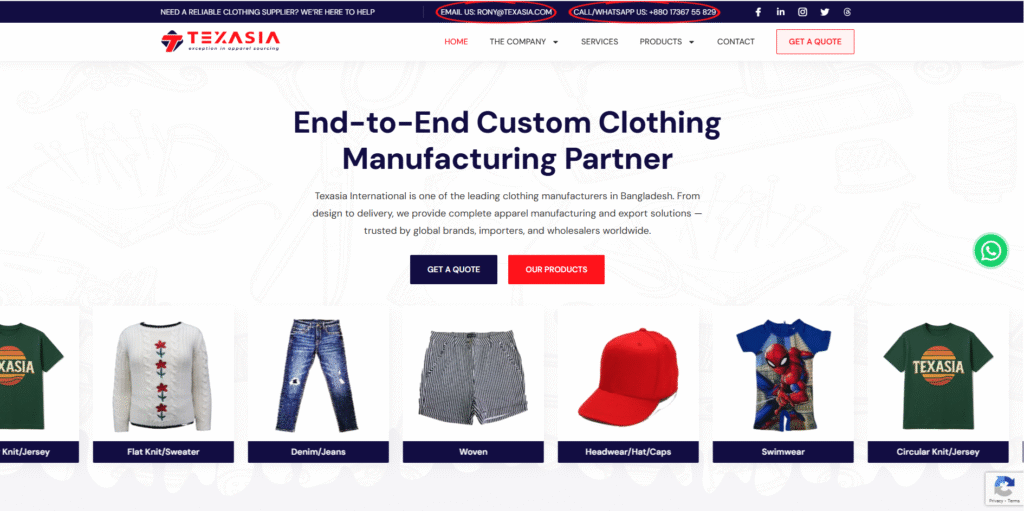
Texasia has carved out a niche as a premier Bangladesh garment factory, focusing on quality and customer satisfaction. The company specialises in producing a wide range of products, including t-shirts, polo shirts, hoodies, jackets, and formal wear. Their production capacity handles both small and large orders efficiently. The factory maintains strict quality control measures at every stage, from fabric inspection to final packaging. Texasia has invested heavily in technology, using automated cutting machines, computer-aided design systems, and modern washing facilities. The company employs over 2,000 skilled workers trained in the latest production techniques. Environmental responsibility is a priority, with water recycling systems and energy-efficient machinery in place. Texasia has successfully served clients from the United States, Europe, and other regions, building long-term partnerships based on trust and consistency.
Ha-Meem Group

Ha-Meem Group is one of the largest textile conglomerates in Bangladesh, with multiple manufacturing units. The group produces knitwear, woven garments, and home textiles for global brands. Their vertically integrated setup includes spinning, knitting, dyeing, and garment manufacturing under one roof. Ha-Meem employs approximately 45,000 workers across its facilities. The company focuses on sustainable practices and holds various international certifications. Their product range covers everything from basic t-shirts to sophisticated fashion items. Ha-Meem works with major retailers worldwide and maintains strong relationships through consistent quality delivery.
Beximco Fashion
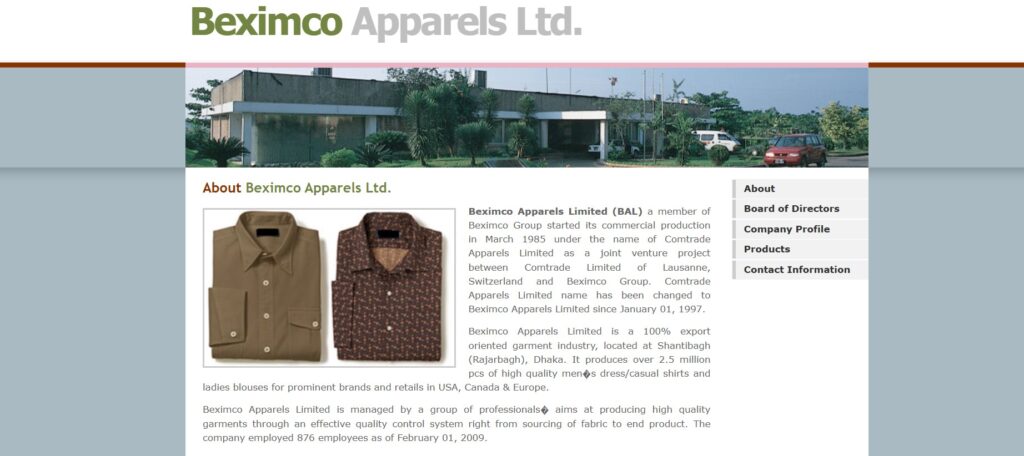
Beximco Fashion represents a major player in the Bangladeshi apparel sector with extensive manufacturing capabilities. The company operates multiple factories that produce knit and woven garments for international markets. Beximco has built a reputation for handling complex designs and large-volume orders. Their facilities feature modern equipment for printing, embroidery, and finishing. The company employs thousands of workers and maintains compliance with international labour standards. Beximco serves fashion brands across Europe and North America. Their expertise spans casual wear, sportswear, and fashion-forward clothing lines.
Square Fashions Limited
Square Fashions Limited operates as part of the larger Square Group conglomerate. The company specialises in knitwear production, focusing on basic and fashion garments. Their factories are equipped with high-speed machines for efficient production. Square Fashions maintains strong quality control systems and holds multiple certifications. The company produces for well-known international brands and retailers. Their workforce is trained in modern production methods and quality standards. Square Fashions emphasises ethical manufacturing practices and worker welfare.
DBL Group
DBL Group stands as a fully integrated textile and garment manufacturer with comprehensive production facilities. The company operates spinning mills, knitting units, fabric dyeing, and garment factories. DBL produces a diverse range of products from basic wear to technical garments. Their facilities incorporate green building practices and renewable energy sources. The group employs over 30,000 people across various units. DBL maintains certifications from major international bodies and focuses on sustainability. The company serves major global brands and maintains long-term partnerships.
Ananta Group
Ananta Group has grown into a significant apparel manufacturer in Bangladesh with modern production facilities. The company specialises in the manufacturing of denim and casual wear. Ananta operates washing plants with advanced technology for various denim finishes. Their production units follow strict environmental guidelines and waste management practices. The group employs thousands of skilled workers trained in denim production techniques. Ananta works with international brands and maintains high-quality standards. The company has invested in automation and technology to improve efficiency.
Noman Group

Noman Group operates multiple manufacturing facilities producing knit and woven garments. The company has built expertise in the production of sweaters, t-shirts, and casual wear. Their factories feature modern machinery for cutting, sewing, and finishing operations. Noman Group maintains compliance with social and environmental standards. The company serves clients across different continents with diverse product requirements. Their workforce receives regular training on new techniques and quality improvement. Noman Group focuses on building long-term relationships with international buyers.
Knit Concern Limited
Knit Concern Limited specialises in knitwear manufacturing, focusing on high-quality production. The company produces t-shirts, polo shirts, and other knit items for global markets. Their facilities include in-house printing and embroidery capabilities. Knit Concern maintains strict quality checks throughout the production process. The company employs experienced workers skilled in various knitting techniques. They serve fashion brands and retailers with consistent delivery performance. Knit Concern has invested in modern equipment to enhance production capacity.
Epyllion Group
Epyllion Group operates as a vertically integrated textile and garment manufacturer. The group runs spinning, knitting, dyeing, and garment production facilities. Epyllion produces a wide range of products, including knitwear and woven garments. Their factories incorporate sustainable practices and green technology. The group employs thousands of workers across multiple locations. Epyllion holds various international certifications and follows global standards. The company serves major brands worldwide with diverse product portfolios.
Mohammadi Group

Mohammadi Group functions as an established apparel manufacturer in Bangladesh with extensive experience. The company produces sweaters, t-shirts, and other knit products for international markets. Their facilities feature modern knitting and finishing equipment. Mohammadi Group maintains strong quality control systems and compliance standards. The company employs a large workforce trained in garment production. They work with global brands and retailers across different regions. Mohammadi Group focuses on timely delivery and customer satisfaction.
Apparel Manufacturing Process in Bangladesh
The garment production process in Bangladesh follows a systematic approach:
- Sourcing raw materials: Fabrics are procured from local mills or imported based on client specifications
- Pattern making and cutting: Designs are converted into patterns, and fabric is cut using automated machines
- Sewing and assembly: Skilled workers stitch garment pieces together following quality guidelines
- Washing and finishing: Garments undergo washing, ironing, and finishing processes as required
- Quality inspection: Each piece is checked for defects before packaging
- Packaging and shipping: Finished products are packed according to client requirements and shipped globally
Modern technology and equipment play a crucial role, with factories using computerised cutting systems, automated sewing machines, and advanced washing facilities.
Quality Control and Standards Followed
Quality control forms the backbone of Bangladesh’s apparel manufacturing success. Leading manufacturers implement multi-stage inspection systems:
- Fabric inspection before cutting to identify defects
- In-line checking during production to catch errors early
- Final inspection before packaging to ensure specifications are met
- Random audits to maintain consistency
Manufacturers like Texasia maintain rigorous quality standards and hold certifications including ISO, WRAP, BSCI, and OEKO-TEX. These certifications demonstrate compliance with international safety, environmental, and labour standards.
Challenges Faced
The apparel manufacturing in Bangladesh faces several challenges:
- Environmental concerns: Water pollution from dyeing units and waste management issues require ongoing solutions
- Supply chain disruptions: Global events can impact raw material availability and shipping schedules
- Compliance requirements: Meeting evolving international regulations demands constant updates
- Infrastructure limitations: Power supply and transportation networks need further development
Companies like Texasia address these challenges by investing in wastewater Treatment, diversifying supplier networks, providing regular compliance training, and installing backup power systems.
Global Demand and Trends for Bangladeshi Apparel
The global fashion industry continues to evolve, and Bangladesh adapts to meet changing demands:
- Customisation: Brands seek unique designs and personalised products
- Fast fashion: Quick turnaround times for trendy styles remain popular
- Eco-friendly production: Growing demand for sustainable materials and processes
- Technical garments: Sportswear and performance clothing require specialised production
- E-commerce growth: Online retail drives demand for direct-to-consumer manufacturing
Bangladeshi manufacturers are investing in flexible production systems and sustainable practices to stay competitive in the global market.
How to Choose the Right Apparel Manufacturer
Selecting the proper apparel manufacturer in Bangladesh requires careful consideration of several factors:
Quality Standards: Verify certifications, inspect sample products, and review past client feedback to ensure the manufacturer meets your quality expectations.
Lead Times: Confirm production capacity and delivery schedules align with your business needs. Reliable manufacturers provide realistic timelines and consistently meet deadlines.
Communication and Collaboration: Choose partners who maintain clear communication channels, understand your requirements, and offer design support when needed.
Ethical Practices: Ensure the manufacturer adheres to fair labour practices, maintains safe working conditions, and complies with environmental regulations.
Real Case Study: Texasia – The Best Apparel Manufacturer in Bangladesh for Global Markets
A European fashion brand approached Texasia in 2023 seeking a reliable manufacturing partner for their new sustainable clothing line. The brand needed a manufacturer capable of handling organic cotton fabrics, maintaining strict quality standards, and delivering 50,000 pieces within three months.
Texasia conducted initial meetings to understand the brand’s vision and product specifications. The design team created samples within two weeks, incorporating the brand’s specific requirements for stitching, labels, and packaging. After sample approval, production began with regular updates provided to the client.
The quality control team implemented checkpoints at the fabric inspection, cutting, sewing, and finishing stages. Any pieces that did not meet standards were immediately corrected or removed from the batch. Texasia completed the order ahead of schedule, with zero defect reports from the final inspection.
The European brand was impressed by Texasia’s commitment to quality and timely delivery. They placed additional orders and established a long-term partnership. This case demonstrates why Texasia ranks among the best apparel manufacturers in Bangladesh – combining technical expertise, quality focus, and customer service to deliver exceptional results for global clients. The successful collaboration led to repeat business worth over $2 million annually.
Frequently Asked Questions
What makes Bangladesh a preferred choice for apparel manufacturing?
Bangladesh offers competitive production costs, a skilled workforce, and a strong export infrastructure, making it attractive to global brands seeking quality manufacturing.
How long does it take to manufacture garments in Bangladesh?
Production timelines typically range from 45 to 90 days, depending on order complexity, quantity, and current factory capacity.
Can Bangladeshi manufacturers handle small order quantities?
Many manufacturers, including Texasia, accept both small and large orders, with minimum order quantities varying by factory and product type.
What types of garments are produced in Bangladesh?
Bangladesh manufactures a complete range of apparel, including t-shirts, shirts, trousers, jackets, sweaters, sportswear, and formal wear.
How does Bangladesh compare to other manufacturing countries?
Bangladesh offers better pricing than China, larger capacity than Vietnam, and competitive advantages over Sri Lanka and Pakistan in terms of cost and infrastructure. You can explore detailed comparisons between Bangladesh and Vietnam, Bangladesh and China, Bangladesh and Sri Lanka, and Bangladesh and Pakistan.
What certifications should I look for in a Bangladeshi manufacturer?
Look for ISO certifications, WRAP, BSCI, OEKO-TEX, and GOTS for sustainable products – these ensure quality and ethical manufacturing.
How can I start working with a manufacturer in Bangladesh?
Contact manufacturers directly with your requirements, request samples, and discuss terms before placing your first order.
What are the payment terms for manufacturing in Bangladesh?
Standard terms include 30% advance payment with the balance upon shipment, though terms can be negotiated based on order size and relationship.
Can I visit factories in Bangladesh before placing orders?
Most manufacturers welcome factory visits to showcase facilities and build trust with potential clients.
How do I import garments from Bangladesh?
Work with your chosen manufacturer, who will handle production, arrange shipping, and provide necessary documentation for customs clearance in your country.
Conclusion
Bangladesh has established itself as a global leader in apparel manufacturing through quality production, competitive pricing, and a skilled workforce. Companies like Texasia demonstrate the country’s capability to serve international markets with excellence and reliability for all garment needs.

