
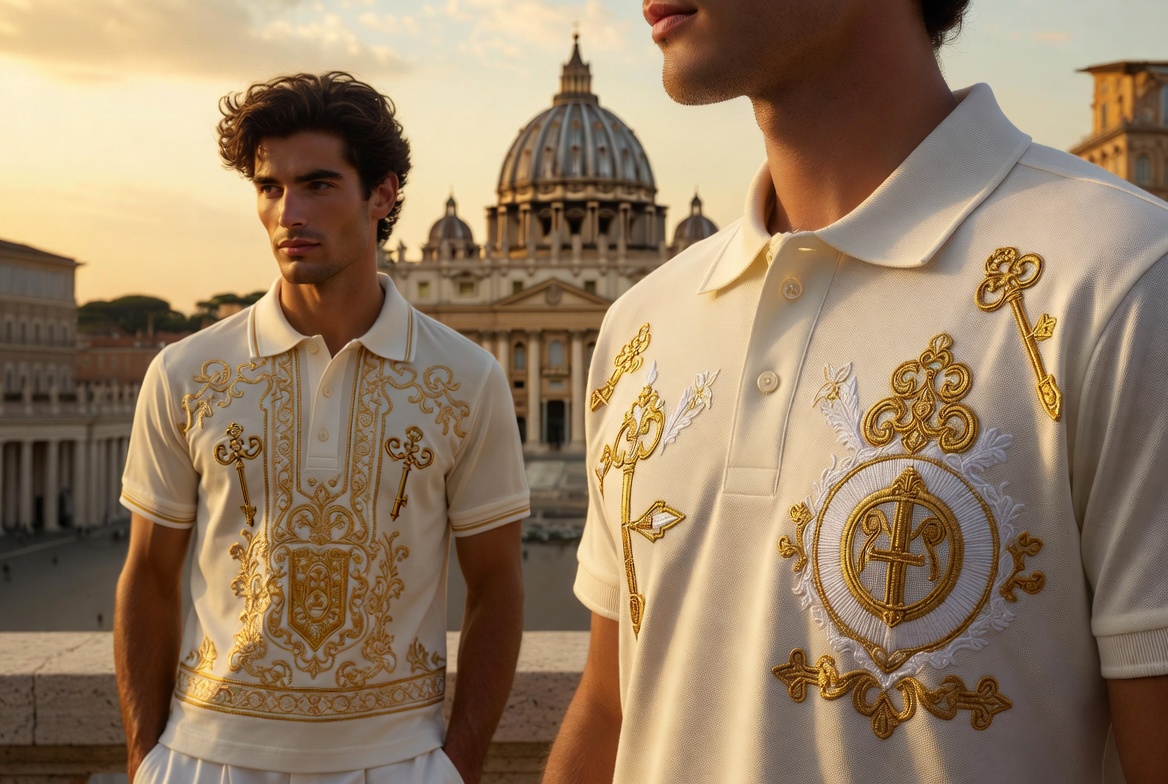
When it comes to producing specialised religious garments for Vatican City, finding the right manufacturing partner is crucial. The custom clothing manufacturer for Vatican City must understand the unique demands of liturgical wear, ceremonial dress, and institutional uniforms that serve the global Catholic community. Vatican-specific apparel requires more than standard tailoring skills—it demands expertise in sacred textiles, proper religious symbolism, and strict quality standards. Choosing a trusted partner like Texasia ensures your garments meet the exacting standards the Vatican expects while maintaining the spiritual significance these pieces carry.
What Is a Custom Clothing Manufacturer for Vatican City?
A custom clothing manufacturer for Vatican City represents a specialized segment within the global apparel industry. Unlike regular factories that produce mass-market clothing, these manufacturers focus exclusively on creating garments with deep religious and ceremonial meaning.
These manufacturers understand that Vatican apparel must serve specific religious functions. Liturgical garments like cassocks and albs require precise measurements and fabric qualities that standard clothing factories often cannot provide. They know the difference between a chasuble meant for formal Mass and a simple vestment for daily wear. These firms maintain relationships with suppliers who can source blessed or specially treated fabrics when needed.
The Vatican market remains unique within the global apparel landscape. Very few organizations worldwide need the exact combination of religious accuracy, ceremonial precision, and institutional authenticity that Vatican City demands. This creates a specialized niche where only experienced manufacturers can truly excel.
Why Vatican City Requires Specialized Apparel Manufacturing
Vatican apparel falls into several distinct categories, each with its own technical requirements:
Liturgical garments form the core of Vatican manufacturing needs. These include the cassock, a long robe worn by clergy; the alb, a white vestment representing purity; and the chasuble, the outermost vestment worn during Mass. Each piece must meet strict dimensional standards and often features complex embroidery depicting religious symbols.
Clergy uniforms serve a different purpose—they represent the institutional hierarchy and daily dress code for Vatican staff. These garments must be durable, professional-looking, and easily recognizable as official Vatican wear.
Choir and ceremonial attire require even more precision. When hundreds of choir members or ceremonial participants gather, every garment must fit perfectly and move in synchronized harmony. The visual impact matters just as much as the functional requirements.
Institutional dress codes extend throughout Vatican City’s various offices and functions. From diplomatic events to administrative work, Vatican staff need clothing that projects authority while maintaining religious reverence.
Private Label Apparel Supplier for Vatican City – Market Demand & Standards
A private-label apparel supplier for Vatican City operates differently from manufacturers serving commercial brands. Instead of creating branded consumer products, they build the Vatican’s own brand identity through custom garment production.
The Vatican’s brand identity matters tremendously. Every cassock or vestment represents centuries of religious tradition. When pilgrims see Vatican staff in their official dress, they recognize institutional authority grounded in spiritual leadership. A quality private label supplier understands that they are not simply making clothes—they are creating visual representations of faith and authority.
Branding in the Vatican context means different things than in commercial fashion. There are no logos or marketing campaigns. Instead, branding relies on perfect tailoring, appropriate colour choices approved by church tradition, and impeccable attention to detail. The Vatican name itself serves as the ultimate brand marker.
Compliance with Catholic traditions stands as a non-negotiable requirement. This means understanding centuries of liturgical dress codes, recognizing which colours work for different seasons of the church calendar, and knowing when specific religious symbols must appear on garments. A manufacturer without this knowledge would likely make costly mistakes.
Labelling and packaging reflect Vatican values. Custom labels must include proper identification without appearing commercial or flashy. Packaging protects delicate embroidered pieces during transport while maintaining a respectful presentation upon arrival.
Private Label Customisation Options
Vatican manufacturers offer customization levels that commercial factories cannot match:
Fabric selection goes far beyond choosing cotton or wool. Suppliers must understand the spiritual significance of different materials, their durability under ceremonial use, and how they move during religious services. Some fabrics are preferred for their historical connections to traditional Catholic dress.
Embroidery and symbolic detailing require master craftspeople. A cassock might feature hand-embroidered crosses, while a chasuble displays intricate religious imagery. These details cannot be rushed or mass-produced—they require individual attention and artistic skill.
Custom sizing for clergy addresses real-world needs that standard sizing cannot meet. Priests come in all body types, and garments must fit properly to allow comfortable movement during ceremonies lasting several hours.
Limited production runs mean that Vatican manufacturers must remain flexible. Instead of requiring minimum orders of 10,000 units, they work with smaller quantities, understanding that the Vatican’s needs change seasonally and by function.
Custom Religious Garment Manufacturer Europe – Compliance & Craftsmanship
Working with a custom religious garment manufacturer in Europe provides advantages that extend beyond simple production capacity. European manufacturers operate under strict textile standards and maintain deep craft traditions that align perfectly with Vatican expectations.
EU textile standards ensure that every piece meets rigorous testing for durability, colourfastness, and safety. These standards go far beyond what most global manufacturers maintain, making European production a natural fit for an institution with Vatican City’s standards.
Ethical sourcing matters deeply in the Vatican context. The Catholic Church teaches principles of fair labour and human dignity. Manufacturers serving the Vatican must guarantee that their workers receive fair wages, work in safe conditions, and are treated with respect. European manufacturers typically maintain higher labour standards than factories in some other regions.
Religious symbolism accuracy requires cultural knowledge and reverence for the subject matter. A European manufacturer with Catholic traditions embedded in their local culture understands the subtle differences between proper liturgical imagery and commercial religious decoration. They treat these details with appropriate gravity.
Hand-finishing techniques elevate Vatican garments from merely well-made to exceptional. While some portions of production use modern machinery, the final touches—adjusting embroidery, perfecting hem lengths, inspecting religious details—require skilled hands and experienced eyes.
Religious Apparel Categories Manufactured
European religious garment manufacturers typically produce several core categories:
A cassock represents the fundamental priestly garment—a long, button-front robe that must move smoothly during ceremonies while projecting quiet authority. The fit around the shoulders matters greatly for comfort during long services.
An alb functions as a foundational vestment worn under other pieces. Its pure white colour requires pristine manufacturing and washing processes that maintain brightness through repeated use and laundering.
Chasubles present the greatest manufacturing challenge. These shell-like outer vestments drape over the priest’s shoulders and must hang with perfect proportions while featuring complex embroidered designs that tell religious stories.
Choir robes serve a group function, requiring consistency across dozens or hundreds of garments so that the choir presents a unified, professional appearance.
Institutional uniforms for Vatican staff must convey professionalism while subtly indicating different roles and responsibilities through colour, trim, or insignia placement.
Bespoke Clothing Production for Vatican Market – Design & Development Process
Bespoke clothing production for the Vatican market follows a rigorous process that ensures every detail meets Vatican expectations before any bulk manufacturing occurs. This approach protects against expensive mistakes and ensures customer satisfaction.
The sampling and prototyping phase allows the Vatican to review designs before committing to full production. A manufacturer creates initial samples—sometimes several versions—so decision-makers can evaluate fit, drape, colour, and embroidery detail.
The fabric approval process ensures that the actual materials used in production match the approved samples. Fabric dyes can shift slightly between batches, weave densities affect drape, and finish treatments impact how garments feel and move. Professional manufacturers test each fabric lot before beginning production.
Vatican-approved colour standards are rooted in centuries of tradition. Specific shades of purple hold meaning during Advent, while white dominates Easter celebrations. Gold embroidery appears on certain vestments but not others. Manufacturers maintain colour reference guides to ensure consistency year after year.
Step-by-Step Production Workflow
A professional manufacturing process for Vatican garments follows these key stages:
Concept consultation begins with detailed conversations about the intended use, the wearer’s specific measurements, any special embroidery or detailing, and the completion timeline. This stage clarifies expectations and prevents misunderstandings later.
Pattern development translates conceptual designs into actual sewing patterns. This requires both artistic vision and technical precision. Patterns must account for how fabric behaves, how seams will hold under stress, and how the finished garment will drape on the human body.
Fabric sourcing involves locating suppliers that can provide materials that meet the approved specifications. This might include finding sources for hand-loomed linen, specific cotton weights, or speciality fabrics with historical significance.
Sample approval represents a critical checkpoint. The Vatican reviews the sample, checking the fit, examining embroidery quality, and verifying that the colours match the approved references. If adjustments are needed, they happen at this stage when fixing them remains simple and affordable.
Bulk production only begins after all parties approve the sample. The manufacturer then creates the full order while maintaining the exact standards demonstrated in the approved sample.
Quality inspection happens throughout production and again before shipping. Each garment receives individual attention, with inspectors checking stitching quality, verifying embroidery details, and ensuring proper measurements.
Final packaging protects finished garments during transport. Religious items are packaged respectfully, reflecting their spiritual significance rather than a commercial presentation.
OEM Clothing Factory for Vatican Clients – Manufacturing Capabilities
An OEM clothing factory for Vatican clients provides full-service manufacturing solutions, handling everything from design consultation to final delivery. OEM stands for Original Equipment Manufacturing—the factory produces goods according to client specifications rather than selling branded products.
Full-package production solutions mean the Vatican can work with a single partner rather than coordinating with multiple suppliers. The manufacturer handles fabric sourcing, patternmaking, embroidery, labelling, and export documentation. This integrated approach reduces confusion and ensures consistency.
MOQ flexibility matters greatly for Vatican orders. The institution’s needs vary significantly—sometimes requiring just a dozen cassocks, other times needing hundreds of pieces. A manufacturer serving Vatican clients must accommodate these varying volumes without charging punitive premiums for smaller orders.
Global shipping logistics require expertise that specialised manufacturers maintain. Religious garments sometimes travel to dozens of countries where Vatican representatives serve. Manufacturers understand international shipping, customs documentation, and the careful handling these pieces demand.
OEM Services Included
Custom pattern making goes beyond standard sizing. For each new style or client request, manufacturers create patterns from scratch, testing them on samples before committing to bulk production.
Label and tag production creates professional identifying markers that indicate the Vatican source, materials used, and care instructions. These labels maintain a professional appearance while providing practical garment care information.
Embroidery and religious insignia are the most specialized OEM services. Whether adding simple crosses or complex religious imagery, manufacturers must possess both technical embroidery expertise and an understanding of religious symbolism.
Export documentation handles the complex paperwork required for international shipment. Manufacturers prepare certificates of origin, bill of lading paperwork, customs declarations, and any other documents needed for smooth international delivery.
Catholic Apparel Custom Manufacturing Services – Quality & Ethical Standards
Catholic apparel custom manufacturing services must maintain ethical standards aligned with Catholic teaching on human dignity and fair Treatment. This commitment extends throughout the entire supply chain.
Ethical labour compliance means fair wages, reasonable working hours, safe working conditions, and respect for workers’ rights. Manufacturers serving Catholic institutions recognize that the faith teaches about the dignity of workers. Cutting corners on labour practices contradicts Vatican values and cannot be part of any legitimate manufacturing partnership.
Sustainable fabric sourcing reflects Catholic stewardship principles. Rather than consuming resources without regard for future generations, responsible manufacturers source materials sustainably. This might include using organic cotton, recycled materials, or suppliers with strong environmental records.
Certifications required for Vatican manufacturing often include Fair Trade certification, organic material certifications, and environmental management system certifications. These third-party verifications provide objective proof that manufacturing practices meet stated standards.
Quality Control Measures
Rigorous quality control ensures that every garment reaching the Vatican meets exacting standards:
Fabric testing assesses colourfastness, shrinkage resistance, and durability. Special liturgical garments must withstand repeated laundering without fading or deteriorating.
Stitch density inspection verifies that seams contain appropriate numbers of stitches per inch, creating strong seams that won’t separate under the stress of regular use.
ColourfastnessColourfastness testing ensures that vibrant liturgical colours remain true to colour through washing and exposure to light. This matters greatly for garments worn multiple times weekly.
The final religious detail inspection specifically examines embroidery quality, verifying that religious symbols are accurately depicted and securely attached. This final check catches any defects before shipment.
Why Texasia Is a Leading Custom Clothing Manufacturer for Vatican City
Texasia has established itself as a trusted partner for organisations requiring bulk, custom garment production for Vatican institutions and similar specialised religious manufacturing.
Texasia brings genuine experience in the production of religious garments. Unlike general apparel manufacturers, Texasia understands the specific requirements that Vatican clients demand. The company has worked with religious organizations across Europe, developing expertise in liturgical dress codes, traditional materials, and symbolic details.
Advanced manufacturing facilities combine traditional craftsmanship with modern production efficiency. Texasia maintains embroidery capabilities, quality control laboratories, and pattern development departments staffed by experienced professionals. These facilities can handle everything from small custom orders to larger production runs.
Global export expertise enables Texasia to manage the international logistics for Vatican shipments. The company navigates customs requirements, maintains compliance with textile regulations across multiple countries, and provides the careful packaging required for religious garments.
Ethical and sustainable practices align with Vatican values. Texasia maintains certifications that demonstrate its commitment to fair labour practices and environmental responsibility. Workers receive fair compensation and work in safe conditions.
Texasia’s Strengths as a Custom Clothing Manufacturer for Vatican City
Flexible MOQ allows the Vatican to order quantities that match actual needs rather than being forced to purchase surplus inventory. Whether ordering 10 or 1,000 pieces, Texasia meets the Vatican’s requirements.
High-end embroidery capability reaches the artistic level required for religious garments. Texasia employs skilled embroiderers who can execute complex designs with precision and artistry.
Strict quality assurance means every garment receives individual inspection before shipment. Texasia maintains standards that prevent defective pieces from reaching the Vatican.
Private-label expertise ensures the Vatican’s identity comes through in every piece. Texasia understands how to incorporate Vatican preferences, sizing standards, and quality expectations into every garment.
OEM manufacturing excellence provides complete production solutions. From concept through final delivery, Texasia manages all aspects of the manufacturing process.
How to Choose the Right Manufacturer for Vatican City
Selecting a manufacturer for Vatican City requires evaluating manufacturers against specific criteria. This checklist helps guide the selection process:
Production capacity evaluation determines whether a manufacturer can handle your anticipated volume. Some specialized shops work best with small runs, while others prefer larger orders. Match the manufacturer’s capabilities with your needs.
Religious compliance verification checks that potential partners understand liturgical requirements and maintain appropriate respect for sacred garments. Ask about their experience with Catholic institutions and their knowledge of traditional dress codes.
The sample review process tests how seriously the manufacturer takes quality control. Request samples and evaluate them carefully. How quickly does the manufacturer respond to feedback? Are they willing to make adjustments?
The cost-versus-quality balance requires finding the sweet spot between affordability and excellence. The cheapest option rarely delivers the quality Vatican clients expect. The most expensive option might include unnecessary luxuries. Focus on value rather than simply the lowest price.
Questions to Ask Your Manufacturer
Before committing to a partnership, ask potential manufacturers these important questions:
Experience with religious garments? Understanding this background helps assess whether they grasp the unique requirements of liturgical wear.
EU compliance certifications? This verification confirms they meet the textile standards and labour practices appropriate for Vatican work.
MOQ policy? Knowing their minimum order quantities helps determine if they can accommodate your typical order sizes.
Delivery timeline? Understanding how long production takes helps in planning and scheduling.
Customization flexibility? This reveals whether they can accommodate special requests or if they work from fixed templates.
Cost Structure
Understanding the cost components helps in budgeting for Vatican garments. The custom clothing producer for Vatican City builds costs from several elements:
Fabric cost factors include raw material prices, dye lots, and any special sourcing requirements. High-quality liturgical fabrics cost more than standard apparel materials, reflecting their superior durability and appearance.
Custom embroidery pricing varies based on design complexity. Simple cross designs cost less than elaborate religious scenes that require hundreds of stitches and multiple thread colours.
Sampling fees cover the cost of creating and shipping initial samples before bulk production begins. These upfront costs protect both parties by preventing expensive mistakes during full production.
Shipping and logistics costs reflect international transportation, insurance, and customs handling. These costs vary based on order size, destination, and the selected shipping method.
Long-term partnership benefits emerge when the Vatican maintains ongoing relationships with manufacturers. Volume discounts, priority scheduling, and streamlined communication processes develop over time, reducing per-unit costs.
Future Trends
The religious apparel manufacturing sector continues evolving in response to changing values and technology:
Sustainable religious apparel represents the direction many Catholic institutions are moving. Parishioners increasingly want their faith communities to demonstrate environmental responsibility through their purchasing decisions.
Organic fabrics offer superior environmental profiles compared to conventional materials. These fabrics come from farms that avoid synthetic pesticides and fertilizers, reducing environmental impact throughout the supply chain.
Digital pattern technology allows manufacturers to create more precise patterns faster than traditional methods while reducing waste. Digital cutting systems use fabric more efficiently, reducing scrap material.
Small-batch, premium production appeals to institutions that want to maintain tradition while benefiting from modern manufacturing. Rather than mass production, these manufacturers focus on quality and customization.
Eco-conscious Catholic institutions increasingly ask manufacturers about environmental practices. Leading institutions set sustainability expectations, requiring manufacturers to demonstrate genuine environmental commitment rather than just marketing claims.
Case Study: Texasia as Your Custom Clothing supplier for Vatican City
When a major European religious organisation needed specialised vestments for a significant ceremonial event, it turned to Texasia for assistance. The client required 500 matching chasubles featuring hand-embroidered religious scenes, custom sizing to accommodate priests of varying builds, and delivery within four months.
Texasia began with detailed consultations to understand the exact design requirements, religious symbolism that needed to appear in the embroidery, and the client’s colour preferences. The team developed patterns matched to each size category, ensuring every priest would have properly fitting garments.
The company sourced Italian linen that met strict quality standards, selected embroidery designs that reflected the organization’s traditions, and created multiple samples for client approval. Working with the client, Texasia refined embroidery details, adjusted colours to match the client’s references, and perfected the fit across all size ranges.
The final production run delivered all 500 chasubles on schedule, each featuring perfect embroidery work and professional tailoring. The client’s ceremony proceeded beautifully, with the new vestments making a powerful visual impression during the televised event.
This project demonstrated Texasia’s ability to handle complex religious manufacturing while maintaining the flexibility, quality, and reliability that Vatican clients expect. From concept through final delivery, Texasia managed every aspect professionally while treating the sacred nature of the work with appropriate respect.
FAQ
What fabrics work best for Vatican ceremonial garments? High-quality natural fabrics like linen and wool provide the durability and appearance that traditional Vatican garments require. These materials age beautifully and maintain their appearance through years of regular ceremonial use.
How long does the sampling process typically take? Initial sample creation usually takes between 2 and 4 weeks, depending on the embroidery complexity and special detailing. Additional refinement rounds might add another two to four weeks if significant adjustments are needed.
Can manufacturers accommodate rush orders? Some manufacturers offer expedited production for premium fees, though quality should never be compromised for speed. Complex religious embroidery cannot be rushed without compromising the final result.
What quality certifications should a Vatican manufacturer hold? Look for certifications including Fair Trade, organic fabric certifications, ISO 9001 quality management, and environmental management system certifications. These demonstrate commitment to ethical and sustainable practices.
How do manufacturers ensure accurate religious symbolism in embroidery? Professional manufacturers maintain libraries of approved religious imagery, consult with clergy or theologians when needed, and allow clients to review and approve designs before production begins.
What is the typical minimum order quantity for custom Vatican garments? Leading manufacturers like Texasia offer flexible minimums, accepting orders as small as 10-20 pieces for specialized work, though larger orders typically offer better unit pricing.
How should Vatican garments be packaged for international shipment? Religious garments require protective packaging that prevents wrinkles and damage during transit. Professional manufacturers use acid-free tissue paper, protective boxes, and climate-controlled shipping when appropriate.
Can manufacturers produce garments using Vatican-specified fabrics? Yes, most experienced manufacturers can work with client-supplied fabrics or sourced materials meeting specific Vatican approvals, though this requires careful coordination and testing.
Conclusion
Selecting the right custom clothing manufacturer for Vatican City requires understanding specialized production needs that general apparel manufacturers cannot meet. The Vatican’s unique requirements—combining religious tradition, ceremonial precision, and institutional authority—demand partners with genuine expertise in the production of religious garments. Texasia has proven its capability to deliver the quality, flexibility, and ethical standards that Vatican clients expect, making it an excellent choice for organizations seeking a reliable manufacturing partner.

