
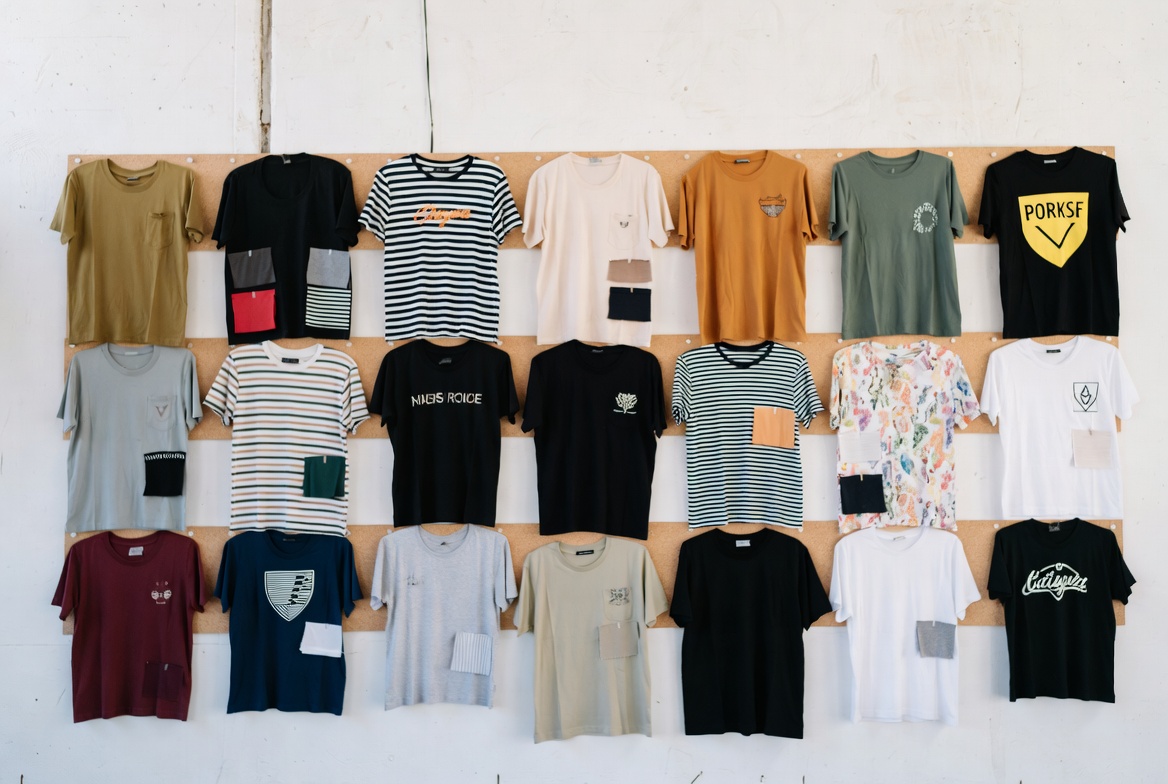
When global buyers search for a reliable T shirt manufacturer Bangladesh, they look for more than just low prices. They need a partner who delivers on time, maintains quality, and follows international standards. Bangladesh has become the second-largest garment exporter worldwide, shipping over $45 billion worth of apparel annually. The country produces billions of T-shirts each year for brands across Europe, North America, and the Middle East.
What makes Bangladesh stand out is its combination of competitive labor costs, skilled workforce, and improving infrastructure. Buyers evaluate manufacturers based on three main factors: can they deliver consistent quality, do they follow compliance rules, and can they scale production when needed. A factory might offer the lowest price, but without proper systems, that means nothing.
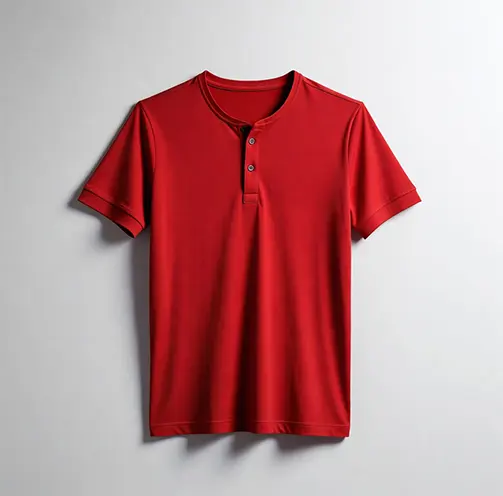
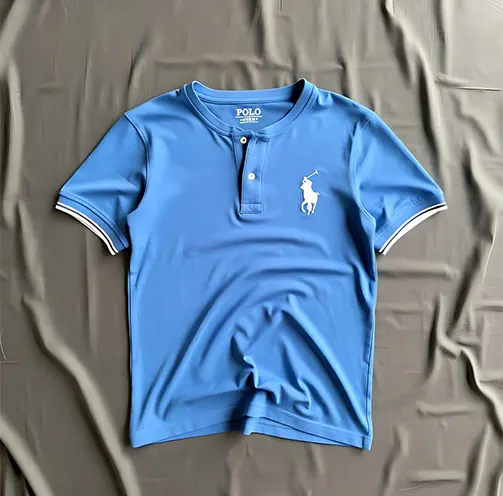
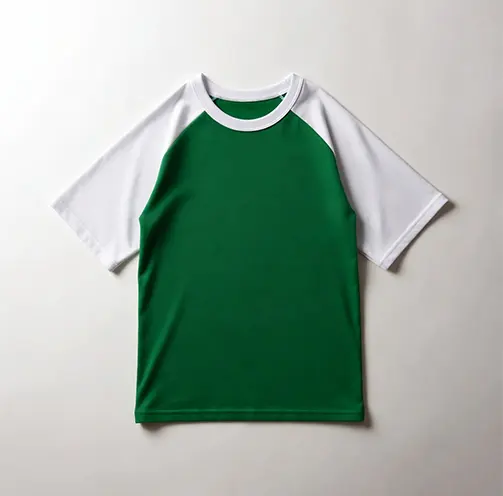
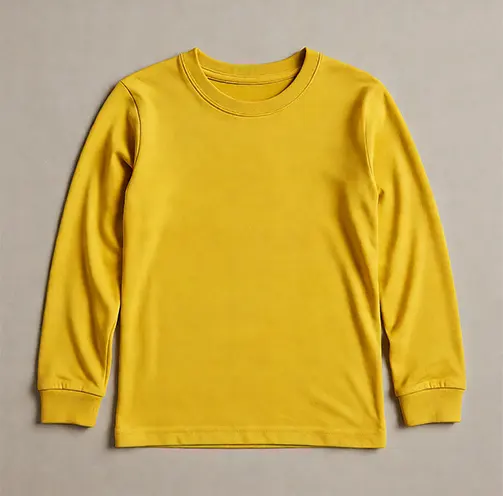
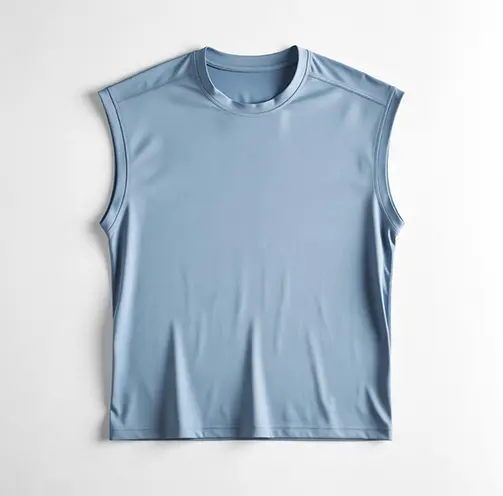
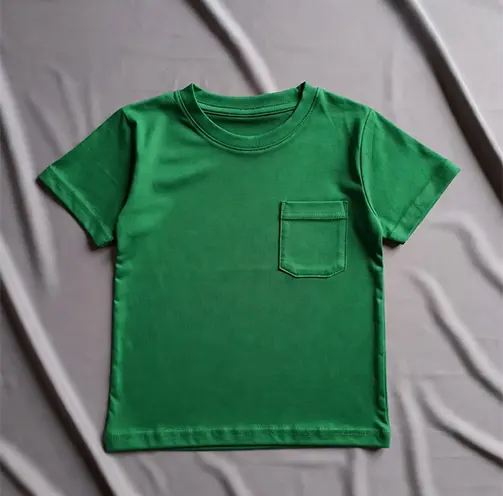
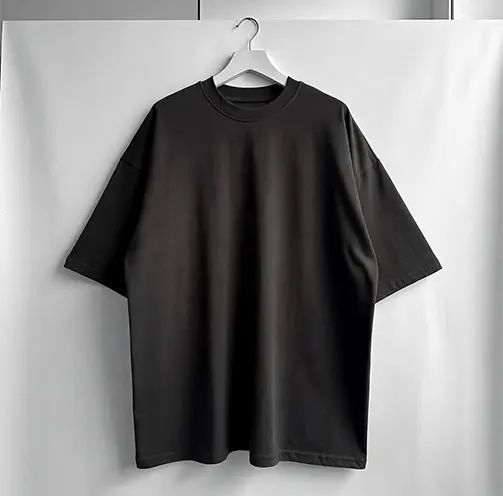
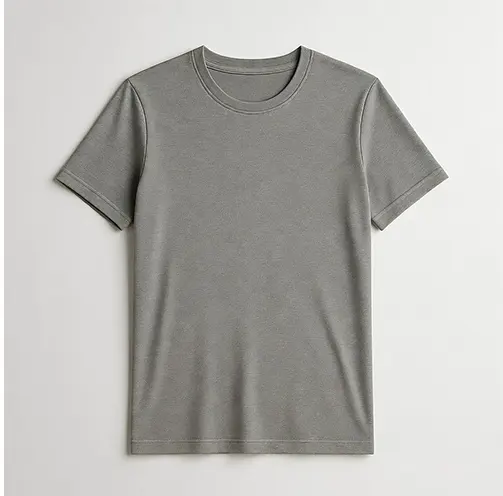
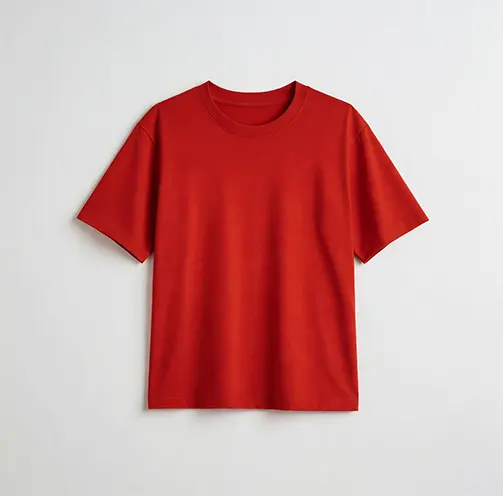
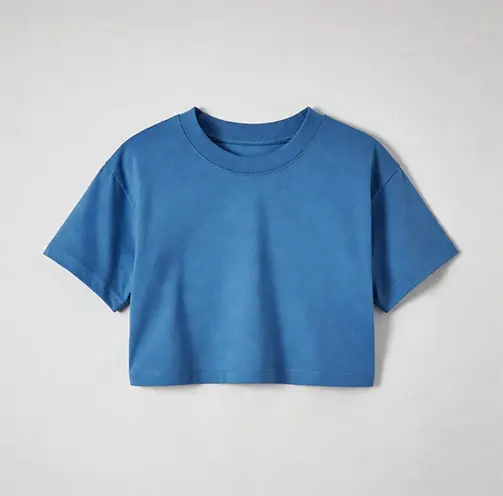
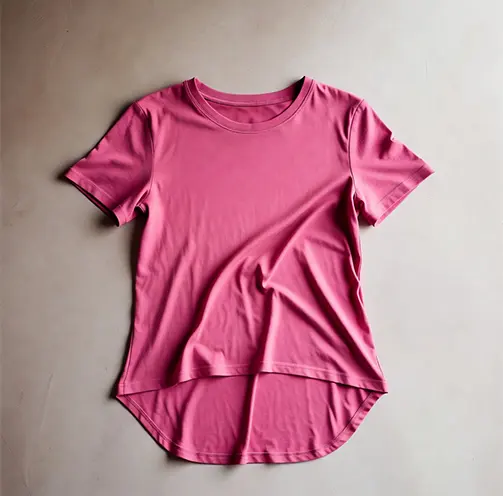
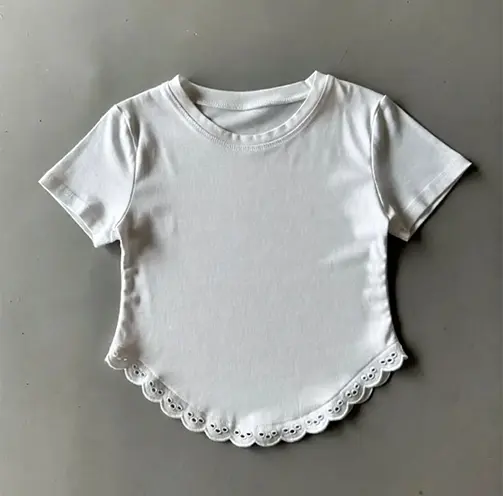
Texasia represents what modern Bangladeshi manufacturing can achieve. With decades of experience and a strong focus on buyer satisfaction, the company has built a reputation for being dependable. Whether you need 1,000 pieces or 100,000, working with a reliable T-shirt manufacturer Bangladesh like Texasia means fewer surprises and better results.
Trusted T-shirt Factory in Bangladesh – What Buyers Expect
Finding a trusted t-shirt factory in Bangladesh takes more than a quick online search. Buyers want to see proof of good practices, not just promises. A factory might claim they follow all the rules, but smart buyers dig deeper. They ask for audit reports, visit the facility, and check references from other clients.
Compliance & Transparency in a Trusted T-shirt Factory in Bangladesh
Social compliance is non-negotiable in today’s market. Major brands refuse to work with factories that fail audits or hide their working conditions. A trusted factory welcomes inspections and maintains clear records of labor practices, safety protocols, and environmental impact.
Third-party audits conducted by organizations such as Bureau Veritas or SGS provide independent verification. Buyers should always request recent audit reports before placing orders. Factory visits matter too – seeing the production floor, talking to workers, and checking safety equipment tells you what no brochure can.
Production Reliability and Delivery Consistency
Late shipments cost buyers money and damage relationships with their customers. A trusted factory tracks every order stage, from fabric arrival to final inspection. They communicate proactively when issues arise, rather than hiding problems until the deadline passes.
Risk mitigation strategies include backup suppliers for critical materials, buffer time in production schedules, and clear contingency plans. Texasia maintains detailed production calendars and provides weekly updates to buyers, ensuring everyone stays informed throughout the manufacturing process.
Export Quality T-shirt Manufacturer Bangladesh – Quality Standards
An export quality t shirt manufacturer Bangladesh must meet international benchmarks, not just local standards. The difference between acceptable and excellent often comes down to small details that casual buyers might miss.
Fabric Sourcing and Yarn Quality Control
GSM accuracy determines how a T-shirt feels and performs. A 160 GSM fabric should measure exactly that, not 155 or 165. Color fastness testing ensures prints and dyes stay vibrant after washing. Shrinkage control prevents complaints about T-shirts that fit perfectly in the store but shrink after one wash.
Yarn quality affects everything from softness to durability. Top manufacturers test incoming materials before accepting them. They check for impurities, measure fiber length, and verify specifications match what the buyer ordered.
Stitching, Finishing, and Export Inspection Protocols
AQL (Acceptable Quality Limit) standards define the maximum number of defects a batch can contain before rejection. Most buyers use AQL 2.5 for major defects and 4.0 for minor ones. Pre-shipment inspections catch problems before containers leave the port, saving thousands in returns and chargebacks.
Finishing details matter more than people think. Loose threads, uneven hems, and misaligned prints signal poor quality control. Every T-shirt should look identical to its neighbors.
How Texasia Ensures Export-Grade Quality
In-house QC teams at Texasia inspect garments at multiple stages of production. They check cut pieces, sewn samples, and finished products. Buyer-specific quality benchmarks get documented and followed precisely. If a brand requires specific thread tension or seam allowance, those requirements get built into the production workflow from day one.
Bangladesh T-shirt Supplier for Bulk Orders – Production Capability
Working with a Bangladesh t shirt supplier for bulk orders means understanding their capacity and processes. Not every factory can handle large volumes while maintaining quality.
MOQ Flexibility and Scaling Capacity
Minimum Order Quantities vary widely among Bangladeshi manufacturers. Some require 5,000 pieces per style, while others accept test runs of 500 units. Smart buyers start with smaller orders to verify quality before committing to large volumes.
Scaling capacity matters when your business grows. A factory that produces 10,000 T-shirts per month might struggle to handle a sudden order of 50,000. Ask about their maximum output, current capacity utilization, and timeline for ramping up production.
Bulk Order Workflow from Sampling to Shipment
The tech pack review starts the process. Your specifications get analyzed to identify potential production challenges. Sampling follows, with the factory creating physical samples that meet your requirements. Most buyers request 2-3 rounds of revisions before approval.
Mass production begins only after written sample approval. Timeline transparency matters here – you should know exactly when cutting starts, when sewing finishes, and when inspection occurs. Texasia provides detailed production schedules with milestone dates for each order stage.
Why Texasia is Preferred for Bulk T-shirt Sourcing
Capacity planning at Texasia involves advanced production scheduling that protects buyer timelines. Long-term partnerships mean repeat buyers get priority slot booking. The company invests in maintaining relationships rather than constantly chasing new clients, resulting in better service and more reliable delivery.
Certified Garment Manufacturer Bangladesh – Compliance & Trust
Certifications prove a factory meets recognized standards. A certified garment manufacturer in Bangladesh carries documents that verify its claims regarding quality, ethics, and environmental practices.
International Certifications Buyers Look For
BSCI, SEDEX, WRAP, ISO, and OEKO-TEX represent different aspects of manufacturing excellence. BSCI and SEDEX focus on social compliance. WRAP covers ethical production practices. ISO standards address quality management systems. OEKO-TEX certifies that textiles are free from harmful substances.
Each certification requires regular audits and renewal. Factories cannot fake these credentials – independent auditors verify everything from worker contracts to chemical storage.
Ethical Manufacturing and Sustainability Practices
Worker welfare includes fair wages, reasonable hours, safe conditions, and respect for labor rights. Ethical factories maintain proper employment contracts, provide health insurance, and ensure workplace safety through regular training and equipment maintenance.
Environmental responsibility means managing water use, treating wastewater properly, reducing energy consumption, and disposing of chemical waste in accordance with regulations. These practices cost money but protect both workers and the planet.
Texasia’s Certifications and Compliance Leadership
Factory audit readiness at Texasia means maintaining standards year-round, not just before inspections. Documentation stays current, workers know their rights, and safety protocols are enforced consistently. Brand trust signals include transparent communication, prompt responses to buyer concerns, and willingness to address problems directly.
OEM T-shirt Manufacturer Bangladesh – Customization & Private Label
An OEM t shirt manufacturer Bangladesh produces garments according to buyer specifications without adding their own branding. This model works perfectly for brands that want manufacturing expertise without losing design control.
OEM vs ODM in Bangladesh T-shirt Manufacturing
OEM means you design, they manufacture. You provide complete specifications, including fabric, colors, prints, and labels. The factory executes your vision exactly as requested. ODM (Original Design Manufacturer) means the factory creates designs that you can purchase and rebrand.
Design ownership matters for protecting your brand identity. With OEM production, you retain control of your intellectual property. The factory signs confidentiality agreements and cannot sell your designs to competitors.
Custom Options Offered by an OEM T-shirt Manufacturer Bangladesh
Fabric blends range from 100% cotton to polyester-cotton mixes and specialty materials like bamboo or modal. Each blend offers different properties – cotton breathes well, polyester resists wrinkles, and blends combine the advantages of both.
Printing options include screen printing for bulk orders, DTG (Direct-to-Garment) for detailed images, and puff printing for raised designs. Embroidery adds premium appeal, while trims like woven labels and hang tags complete the branded experience.
Texasia’s OEM Solutions for Global Brands
Private label production at Texasia includes complete customization from fabric selection to packaging design. Confidentiality agreements protect your designs and business information. IP protection means your patterns, prints, and specifications stay secure throughout production and beyond.
Why Texasia is a Reliable T-shirt Manufacturer in Bangladesh
Multiple factors separate average factories from a truly reliable T shirt manufacturer Bangladesh. Texasia demonstrates these qualities consistently across hundreds of orders.
Manufacturing Strength & Supply Chain Control
Vertical coordination means controlling multiple production stages under one roof or through closely managed partnerships. When fabric sourcing, cutting, sewing, printing, and finishing all connect smoothly, delays decrease, and quality improves.
Supplier vetting ensures materials meet standards before production begins. Testing incoming fabrics, checking yarn quality, and verifying trim specifications prevent problems downstream.
Global Export Experience & Buyer Communication
Texasia serves markets across the EU, USA, and the Middle East, each with different requirements and expectations. European buyers emphasize sustainability certifications, American clients focus on compliance documentation, and Middle Eastern customers value specific fabric qualities.
Transparent order updates mean buyers always know production status. Weekly reports, photo updates during critical stages, and immediate notification of any issues keep everyone aligned. This communication prevents the anxiety buyers feel when manufacturers go silent.
Texasia’s Buyer-First Production Philosophy
Long-term value beats short-term pricing every time. Slightly higher costs that ensure quality and reliability save money compared to cheap production that results in returns, delays, and damaged reputation. Texasia focuses on building relationships that benefit both parties over the years, not just in a single transaction.
How to Choose the Right Reliable T shirt Manufacturer in Bangladesh
Making smart sourcing decisions requires asking the right questions and watching for warning signs that indicate potential problems.
Red Flags to Avoid When Sourcing Factories
Unrealistic pricing should trigger immediate skepticism. If one factory quotes significantly below market rates, they either cut corners on quality, ignore compliance rules, or plan to increase prices after you commit. Calculate reasonable costs, including fabric, labor, overhead, and profit margin. Quotes below that range indicate problems.
Missing compliance documents indicate the factory either lacks proper certifications or is hiding audit results. Any manufacturer serving international brands should readily provide current audit reports, certification documents, and client references.
Smart Questions Buyers Should Ask Manufacturers
Capacity proof matters more than claims. Ask to see production schedules showing current orders and available capacity. Request photos of the factory floor during production. Connect with existing clients to verify the manufacturer delivers what they promise.
Quality guarantees should include specific commitments about defect rates, replacement policies, and inspection procedures. Get these terms in writing before signing contracts. Understanding how a factory handles problems tells you more than hearing about its successes.
Cost Structure & Pricing Transparency in Bangladesh T-shirt Manufacturing
Understanding what drives pricing helps buyers evaluate quotes and negotiate fairly. A reliable T shirt manufacturer in Bangladesh will explain their costs clearly.
Fabric costs vary based on material type, GSM weight, and quality grade. Cotton prices fluctuate with global markets. Polyester remains more stable. Specialty fabrics command premium prices. Fabric typically accounts for 40-50% of the total T-shirt cost.
Labor and compliance costs include wages, benefits, safety equipment, training, and audit expenses. Ethical factories spend more here than operations that cut corners. These costs have increased as Bangladesh improves labor standards, but they ensure sustainable production.
Why extremely cheap pricing is risky becomes clear when you examine cost breakdowns. Below a certain price point, manufacturers must compromise somewhere – quality, compliance, or delivery reliability. The savings disappear when you deal with returns, failed audits, or missed deadlines.
Texasia’s transparent pricing model breaks down costs by category so buyers understand exactly what they pay for. This approach builds trust and helps buyers make informed decisions rather than just chasing the lowest number.
Real Case Study: Texasia is the Best Reliable T-shirt Manufacturer in Bangladesh
A European fashion brand needed 50,000 organic cotton T-shirts for their summer collection with strict GOTS certification requirements. Previous suppliers failed to deliver on time, forcing the brand to airfreight goods at massive cost.
The brand contacted Texasia three months before their deadline. After reviewing the tech pack and required certifications, Texasia created the samples within 10 days. Two minor adjustments later, mass production began. Production was completed two weeks ahead of schedule, allowing sea freight as planned. Final inspection showed a defect rate of just 0.3%, well below the 2.5% AQL standard.
The brand saved over $15,000 in shipping costs compared to their previous late order. Quality control prevented returns that had plagued earlier seasons. They have since placed six additional orders with Texasia, building a partnership based on mutual trust and consistent performance.
FAQ
How long does bulk T-shirt production take in Bangladesh?
Production typically takes 45-60 days from order confirmation to shipment, including sampling, fabric procurement, cutting, sewing, printing, and quality inspection.
Is Bangladesh suitable for private label T-shirt brands?
Absolutely. Many wholesale T-shirt manufacturers in Bangladesh specialize in private-label production, offering complete customization and confidentiality protection for brand-specific designs.
Why is Texasia considered a trusted T-shirt manufacturer?
Texasia combines international certifications, transparent communication, consistent quality delivery, and ethical manufacturing practices that major global brands require from their supply chain partners.
Conclusion
Choosing a reliable T shirt manufacturer Bangladesh means evaluating quality systems, compliance records, production capacity, and communication standards. Texasia demonstrates excellence across all these areas, making it a trusted partner for brands worldwide seeking dependable T-shirt manufacturing.

