
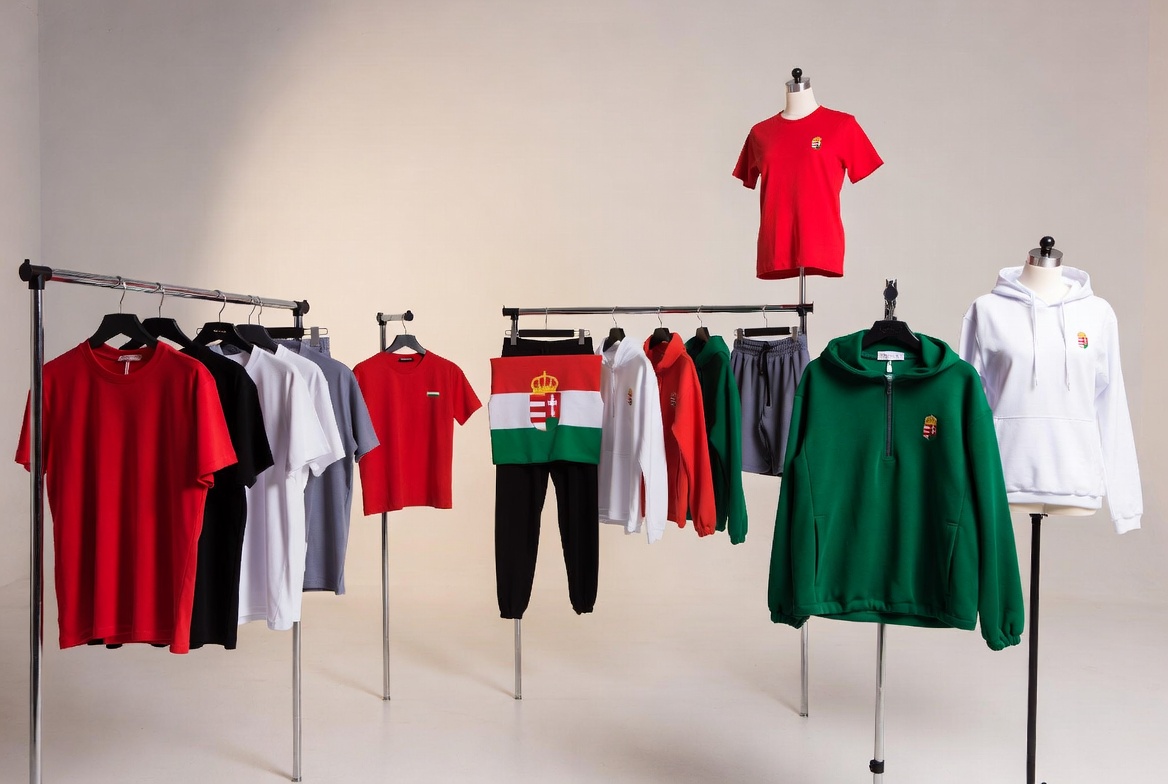
The clothing industry in Hungary is experiencing remarkable growth, and finding the right Custom Clothing Manufacturer for Hungary has become essential for brands looking to expand. As Hungary continues to develop its fashion scene, the demand for reliable manufacturing partners keeps rising. Many Hungarian brands now look beyond local production to meet their quality and volume requirements.
Bangladesh has emerged as a leading source for custom clothing manufacturing, with over 4,500 garment factories producing for international markets. The country exports approximately $45 billion worth of apparel annually, with European markets receiving about 60% of these exports. For Hungary specifically, imports from Bangladesh have grown by 18% year-over-year, showing the strong relationship between these two nations.
Hungary requires high-quality custom clothing manufacturing because the market values superior craftsmanship and ethical production. Hungarian consumers are becoming more conscious about where their clothes come from and how they are made. This shift means brands need manufacturing partners who understand European quality standards while keeping prices competitive..
Texasia as a Trusted Custom Clothing Manufacturer for Hungary
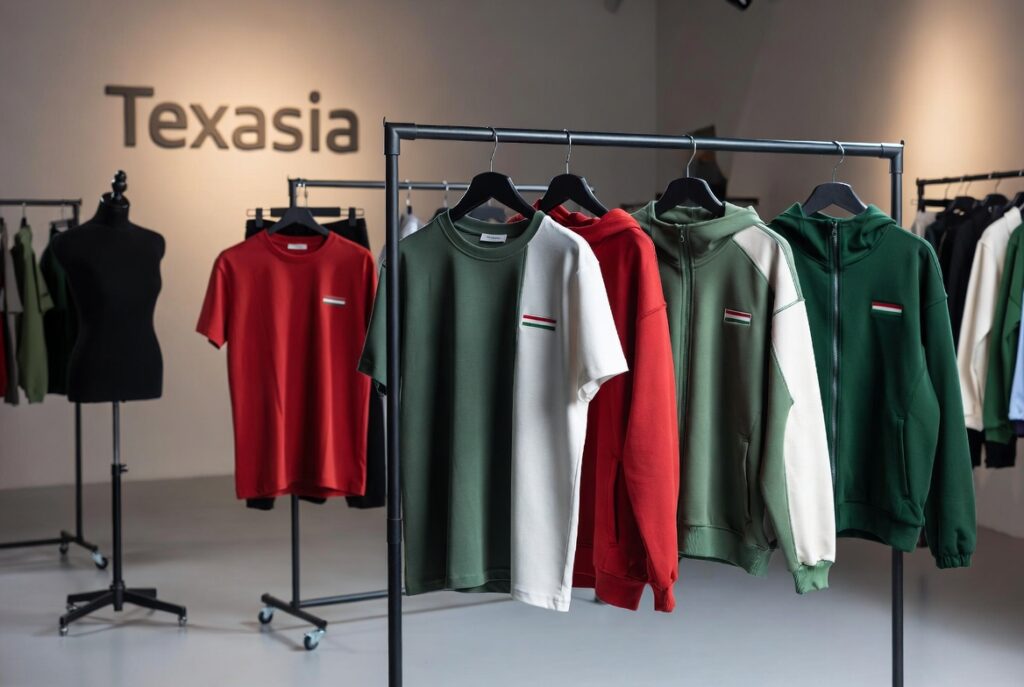
Texasia brings over 15 years of global manufacturing experience to the table. The company operates from Bangladesh, one of the world’s top garment production hubs. With a production capacity of over 500,000 pieces monthly, Texasia has built a reputation for delivering quality apparel to international markets.
The company has a particular focus on European markets, understanding the specific requirements and quality expectations of European customers. This expertise makes Texasia an ideal partner for Hungarian brands seeking reliable manufacturing solutions. The company works with fashion houses, retail chains, and emerging brands across Europe.
Why Texasia Is One of the Best Custom Clothing Manufacturers for Hungary
Texasia offers end-to-end apparel manufacturing solutions that cover every stage of production. From initial concept and design development through final packaging and shipping, the company manages the entire process. This comprehensive approach means Hungarian brands work with a single partner instead of coordinating with multiple suppliers.
The company maintains strict quality control measures at every production stage. Multiple inspection points ensure that each garment meets specifications before moving forward. This attention to detail results in defect rates below 2%, far better than industry standards. Quality assurance teams check fabric quality, stitching precision, color accuracy, and finishing details.
When it comes to competitive pricing for Hungary-focused brands, Texasia leverages Bangladesh’s cost advantages without compromising quality. The pricing structure remains transparent, with no hidden fees. Brands can access premium manufacturing at rates 30-40% lower than many European production facilities.
Texasia Customization Capabilities for Hungary
Fabric sourcing represents one of Texasia’s core strengths. The company maintains relationships with certified fabric suppliers across Asia, providing access to everything from organic cotton to technical performance fabrics. Whether you need sustainable materials or luxury textiles, the sourcing team can find exactly what your brand requires.
Pattern development services help bring your designs to life with precision and accuracy. Experienced pattern makers work from your sketches, tech packs, or samples to create perfect patterns. The team uses both traditional techniques and modern CAD software to ensure patterns meet European sizing standards and fit requirements.
The sampling and bulk production process starts with creating prototype samples for approval. Once approved, production moves to bulk manufacturing with the same attention to detail. This ensures that final products match approved samples exactly, giving Hungarian brands confidence in their orders.
Why Hungary Needs a Reliable Custom Clothing Manufacturer
The Hungarian fashion and apparel market shows strong growth potential. With a population increasingly interested in fashion and quality clothing, brands face growing demand. The market values both international trends and local preferences, creating opportunities for brands that can balance these elements.
Demand for ethical and sustainable custom clothing manufacturing continues to rise in Hungary. Consumers want to know that their clothes were made under fair working conditions using environmentally responsible methods. This trend pushes brands to partner with manufacturers who prioritize ethical production practices and can provide proof of their standards.
Hungary sees strong interest in luxury fashion, streetwear, and fast-fashion segments. Each category requires different manufacturing approaches. Luxury brands need small-batch production with exceptional finishing. Streetwear brands want unique designs with quick turnarounds. Fast-fashion requires high-volume production with rapid style changes.
The importance of consistency, quality control, and delivery timelines affects every brand. Consistency means customers receive the same quality with every order. Quality control prevents defective products from reaching stores. Meeting delivery timelines keeps shelves stocked and maintains customer trust. A reliable manufacturing partner delivers on all three fronts.
Key Qualities of the Best Custom Producer for Hungary
The Hungarian market has high expectations for fabric quality. Customers can tell the difference between premium and low-quality materials. They expect fabrics that feel good, wear well, and maintain their appearance after multiple washes. Quality control processes must verify fabric weight, thread count, color fastness, and durability.
Stitching, finishing, and durability requirements go beyond basic construction. Seams must be straight and secure, with no loose threads or skipped stitches. Finishing touches like hemming, button attachment, and zipper installation need perfect execution. Garments should withstand regular wear and washing without falling apart or losing shape.
Compliance & Certifications
OEKO-TEX certification verifies that textiles are free from harmful substances. This matters to Hungarian consumers who care about health and safety. GOTS (Global Organic Textile Standard) certification proves organic materials meet strict environmental and social criteria. BSCI and SEDEX certifications demonstrate ethical labor practices and safe working conditions.
EU textile regulations cover everything from labeling requirements to chemical restrictions. Products sold in Hungary must comply with these regulations or face removal from the market. Proper labeling includes fiber content, care instructions, country of origin, and size information. Manufacturers must understand and follow these rules to avoid costly compliance issues.
Production Capacity
Small MOQ (Minimum Order Quantity) vs bulk manufacturing flexibility matters for different business models. Startups and small brands need manufacturers willing to accept orders of 200-500 pieces. Large retailers require production runs of 10,000 pieces or more. The best manufacturers can handle both, adjusting their processes to fit order size.
Scalability for Hungarian brands and retailers means growing with your business. As your brand expands, your manufacturer should expand with you. This includes increasing production capacity, adding new product categories, and maintaining quality standards at higher volumes. The right partner supports growth instead of limiting it.
Product Categories Offered
Custom T-Shirts Manufacturer for Hungary
T-shirt manufacturing covers various fabric options. Cotton t-shirts remain popular for their comfort and breathability. Organic cotton appeals to environmentally conscious consumers. Blended fabrics like cotton-polyester offer durability and easy care. Each fabric type serves different customer needs and price points.
Printing and embroidery options let brands add their unique touch. Screen printing works well for large runs with simple designs. Digital printing allows complex, full-color graphics. Embroidery adds a premium feel for logos and detailed designs. Heat transfer and sublimation provide additional customization choices.
Custom Hoodies & Sweatshirts Manufacturer for Hungary
Streetwear and casual fashion demand in Hungary keeps growing. Young consumers especially love comfortable, stylish hoodies and sweatshirts. These pieces work for everyday wear, sports activities, and casual social occasions. Brands can tap into this market with fresh designs and quality construction.
GSM (grams per square meter), fleece types, and customization affect the final product. Higher GSM means heavier, warmer garments. French terry offers a lighter option for mild weather. Fleece provides warmth for colder months. Customization includes drawstrings, pockets, zippers, and hood styles.
Custom Fashion Apparel Manufacturer for Hungary
Beyond basics, fashion apparel includes dresses, trousers, shirts, and seasonal collections. The Hungarian market follows European fashion trends while maintaining some local preferences. Manufacturers need to adapt quickly to changing styles and consumer demands.
Trend adaptation for fashion houses requires staying current with international runway shows and street style. Colors, silhouettes, fabrics, and details change with each season. Manufacturers who understand these trends can offer valuable input during the design process.
Custom Workwear & Corporate Clothing Manufacturer for Hungary
Workwear and corporate clothing serve a different purpose than fashion apparel. These garments need durability, professional appearance, and practical features. Industries from hospitality to construction require specialized workwear that meets safety standards while looking professional.
Uniforms, safety wear, and promotional clothing must follow specific requirements. Color consistency matters for brand identity. Safety features like reflective strips or fire-resistant materials protect workers. Promotional clothing spreads brand awareness at events and in daily use.
Why Bangladesh Is a Top Hub for Apparel Export for Hungary
Bangladesh ranks as the second-largest apparel exporter globally, trailing only China. The country’s garment industry employs over 4 million workers and contributes more than 80% of national export earnings. This established infrastructure supports manufacturers in delivering quality products at scale.
Cost efficiency without compromising quality sets Bangladesh garment factories apart. Labor costs remain competitive while worker skills continue improving through training programs. Modern factories invest in technology and quality systems that match international standards.
The skilled workforce represents one of Bangladesh’s greatest assets. Workers gain experience producing for major global brands, developing expertise in construction techniques, quality control, and efficiency. This knowledge base benefits every manufacturer operating in the country.
Strong export relationships with Hungary and the EU have developed over decades. Bangladesh enjoys preferential trade agreements that reduce import duties on apparel. Shipping routes are well-established, with regular freight services connecting Bangladeshi ports to European destinations.
Manufacturing Process
Design & Tech Pack Development for Hungary
European fashion standards and measurements guide the design process. Size charts must match Hungarian consumer expectations, which often differ from Asian or American sizing. Tech packs include detailed specifications for every aspect of the garment, from fabric composition to stitch types.
Fabric Selection
Sustainable and premium fabrics meet growing consumer demands. Organic cotton, recycled polyester, and bamboo fibers appeal to eco-conscious buyers. Premium options like Egyptian cotton, merino wool, and technical performance fabrics serve luxury markets. Manufacturers must source materials that align with brand values and target customers.
Cutting, Sewing & Finishing for Hungary Orders
Precision cutting ensures minimal fabric waste while maintaining pattern accuracy. Computerized cutting machines handle large production runs with consistent results. Skilled sewers assemble garments following exact specifications. Finishing includes pressing, quality checks, and final touches that give products a professional appearance.
Quality Inspection & Packaging for Hungary
Final checks before export catch any defects that slipped through earlier inspections. Inspection teams verify measurements, stitching quality, and overall appearance. Packaging protects garments during shipping while presenting products attractively. Custom packaging options help brands create a memorable unboxing experience.
Sustainability Practices
Eco-friendly materials and dyes reduce environmental impact. Natural dyes from plant sources eliminate toxic chemicals. Water-based printing inks minimize pollution. Recycled and organic fabrics decrease resource consumption. These practices appeal to Hungarian consumers who prioritize environmental responsibility.
Ethical labor practices ensure workers receive fair wages and safe working conditions. Regular audits verify compliance with international labor standards. Workers have access to healthcare, education programs, and advancement opportunities. Brands can confidently market products made under ethical conditions.
Carbon-conscious production includes energy-efficient machinery and renewable energy sources. Some factories install solar panels to reduce fossil fuel dependence. Waste reduction programs minimize material sent to landfills. Transportation optimization reduces emissions from shipping.
Why sustainability matters to Hungarian consumers ties to broader European values. Environmental awareness continues growing, especially among younger demographics. Brands that demonstrate genuine commitment to sustainability build stronger customer loyalty and positive brand reputation.
Pricing Structure
Several factors affect the cost of custom clothing manufacturing. Fabric choice significantly impacts pricing, with premium materials costing more than basic options. Construction complexity, finishing details, and customization requirements add to production costs. Order volume affects per-unit pricing, with larger orders generally receiving better rates.
MOQ impact on pricing reflects the economics of production setup. Smaller orders spread setup costs across fewer units, increasing per-piece prices. Larger orders dilute these fixed costs, lowering unit prices. Some manufacturers offer tiered pricing based on quantity, encouraging larger orders.
How Texasia offers competitive pricing for Hungary comes from operational efficiency and strategic positioning. The company maintains direct relationships with fabric suppliers, eliminating middleman markups. Experienced workers complete tasks efficiently, reducing labor costs per unit. Modern equipment minimizes waste and rework.
Cost comparison shows local vs overseas manufacturing differences. European production typically costs 40-60% more than Bangladesh manufacturing for comparable quality. Local production offers shorter shipping times and easier communication. Overseas manufacturing provides cost savings that can fund marketing, better materials, or competitive retail pricing.
Shipping & Logistics for Hungary
Export Process from Bangladesh to Hungary
Documentation and compliance form the foundation of successful exports. Required paperwork includes commercial invoices, packing lists, and certificates of origin. Customs declarations must accurately describe products and values. Compliance with EU import regulations prevents shipment delays or rejections.
Delivery Timelines
Sea freight vs air freight presents a cost-speed tradeoff. Sea freight takes 25-35 days from Bangladeshi ports to European destinations but costs significantly less. Air freight delivers in 5-7 days at premium prices. Most apparel shipments use sea freight for cost efficiency.
Lead time expectations include production time plus shipping. Production typically requires 45-60 days for bulk orders after sample approval. Adding shipping time means total lead times of 70-95 days for sea freight or 50-67 days for air freight. Planning ahead prevents stockouts and missed selling seasons.
How to Choose the Right Manufacturer for Hungary
Selecting manufacturers requires careful evaluation. Check their production capacity and capabilities match your needs. Review certifications and compliance documentation. Ask for references from other European clients. Visit facilities if possible to see operations firsthand.
Red flags to avoid include manufacturers who cannot provide samples, lack proper certifications, or have poor communication. Be wary of prices that seem too good to be true, as they often indicate quality compromises. Manufacturers unwilling to discuss their processes or show their facilities may have something to hide.
Questions to ask before placing an order help clarify expectations. What is their typical lead time? How do they handle quality issues? Can they provide detailed cost breakdowns? What are their payment terms? How do they communicate during production?
Why Texasia meets all selection criteria comes from comprehensive capabilities and proven track record. The company offers transparent pricing, detailed communication, and quality guarantees. Certifications verify compliance with international standards. Client testimonials confirm reliability and quality delivery.
Real Case Study About Texasia Is the Best Custom Clothing Manufacturer for Hungary
A Budapest-based streetwear brand approached Texasia in early 2024 with an ambitious goal. They wanted to launch a new collection featuring custom hoodies and graphic t-shirts targeting the Hungarian youth market. The brand had clear designs but struggled to find manufacturers who could deliver the quality they envisioned at prices that made business sense.
Texasia worked closely with the brand team to refine their tech packs and select appropriate fabrics. The team recommended a 320 GSM French terry for the hoodies that provided the perfect weight for Hungary’s climate. For the t-shirts, they sourced premium combed cotton that felt soft yet durable. The sampling process took three weeks, with two rounds of revisions to perfect the fit and finishing details.
Production began with an initial order of 2,500 pieces across six styles. Throughout manufacturing, Texasia provided weekly updates with photos showing production progress. Quality control teams conducted multiple inspections, catching and correcting minor issues before they became problems. The final products exceeded the brand’s expectations.
The collection launched in Hungarian retail stores and online in September 2024. Customer response proved overwhelmingly positive, with the brand selling through 80% of inventory within two months. Buyers praised the quality, fit, and attention to detail. Based on this success, the brand placed a second order for 5,000 pieces for their spring collection, demonstrating the scalability Texasia offers.
Frequently Asked Questions
What is the minimum order quantity for Custom Clothing Manufacturer for Hungary?
Minimum order quantities typically range from 200 to 500 pieces per style, depending on the complexity and customization requirements.
How long does production take for orders shipped to Hungary?
Standard production takes 45-60 days, with an additional 25-35 days for sea freight or 5-7 days for air freight delivery.
Can Texasia handle small batch production for new Hungarian brands?
Yes, Texasia works with startups and established brands, offering flexible MOQs to support businesses at different growth stages.
What certifications does a reliable Custom Clothing producer for Hungary need?
Essential certifications include OEKO-TEX for fabric safety, GOTS for organic materials, and BSCI or SEDEX for ethical manufacturing practices.
How does pricing compare between local and Bangladesh manufacturing?
Bangladesh manufacturing typically costs 30-40% less than European production while maintaining comparable quality standards.
What payment terms do Custom Clothing Manufacturers for Hungary offer?
Standard terms include 30% deposit upon order confirmation and 70% balance before shipment, with LC options available for larger orders.
Can manufacturers help with design development for the Hungarian market?
Experienced manufacturers like Texasia offer design consultation, pattern development, and trend guidance specifically for European markets.
What happens if quality issues arise with delivered products?
Reputable manufacturers provide quality guarantees and will remake or refund defective items that do not meet agreed specifications.
How can brands verify manufacturing facilities meet ethical standards?
Request facility audits, certification documentation, and consider third-party inspections to verify ethical labor practices and working conditions.
Does Texasia offer sustainable manufacturing options?
Yes, Texasia provides eco-friendly materials, water-based dyes, and carbon-conscious production methods for environmentally focused brands.
Conclusion
Finding the right Custom Clothing Manufacturer for Hungary requires evaluating quality, compliance, pricing, and reliability. Texasia delivers on all fronts with proven experience, comprehensive services, and commitment to excellence. Partner with a manufacturer who understands your market and supports your growth.

