
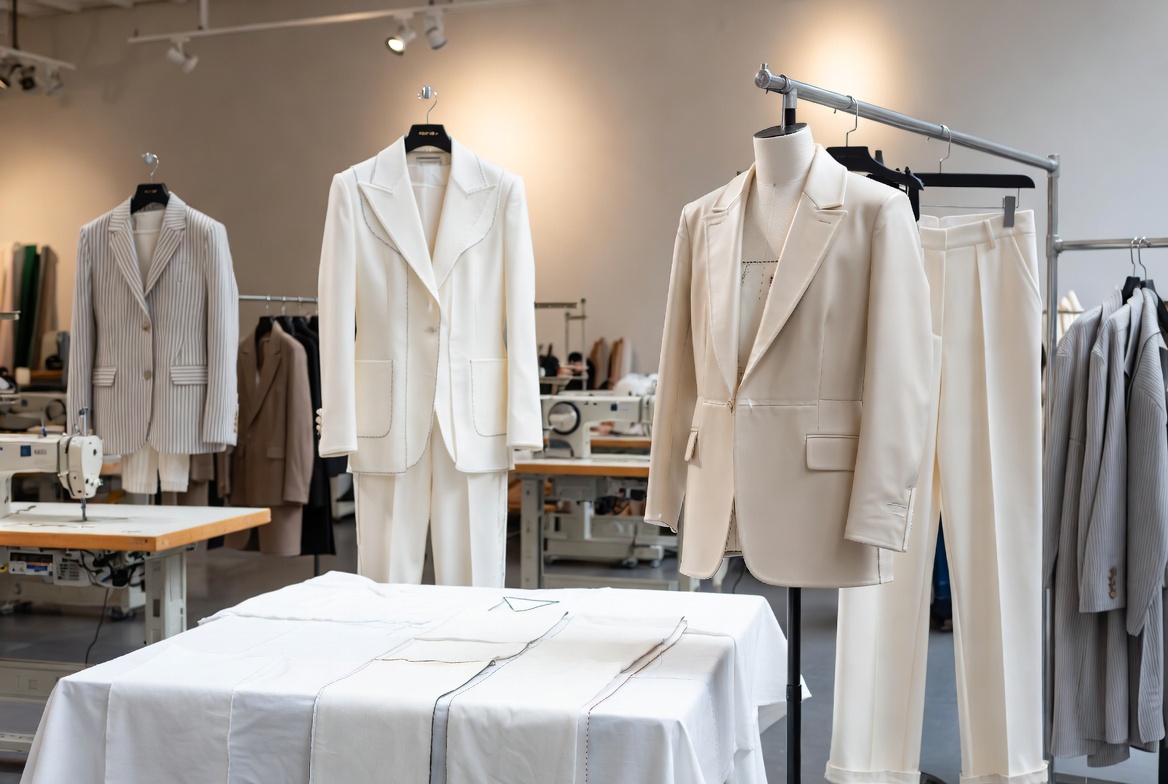
The global apparel industry keeps shifting toward specialized production hubs that offer both quality craftsmanship and competitive pricing. France, known for its rich fashion heritage and discerning consumer base, demands nothing less than excellence from its clothing suppliers. This is where a reliable Custom Clothing Manufacturer for France becomes essential for brands looking to establish or expand their presence in the European market.
Bangladesh has emerged as a global leader in garment manufacturing, supplying over 6.5% of the world’s total apparel exports. With more than 4,000 garment factories and a workforce exceeding 4 million skilled workers, Bangladesh exports approximately $45 billion worth of garments annually. France imports nearly €2.5 billion in textiles and clothing from Bangladesh each year, making it a significant trade partner in the European fashion landscape.
Understanding the differences between manufacturing models helps brands choose the right partner. The table below breaks down three common production approaches:
| Manufacturing Type | Definition | Best For |
|---|---|---|
| Private Label | Manufacturer produces pre-designed products that brands rebrand as their own | Brands wanting quick market entry with lower investment |
| OEM (Original Equipment Manufacturer) | Manufacturer produces garments based on the buyer’s specifications and designs | Brands with defined designs but no production facilities |
| ODM (Original Design Manufacturer) | Manufacturer handles both design and production based on client brief | Brands needing complete design and manufacturing solutions |
France requires high-quality custom clothing manufacturing because its consumers expect premium standards across all price points. The French fashion market values attention to detail, durability, and ethical production. Brands selling in France must meet strict European Union textile regulations, including REACH compliance for chemical safety and proper labeling requirements. A dependable Clothing Manufacturer for France understands these standards and builds them into every production run.
The role of compliance, craftsmanship, and scalability cannot be overstated. Compliance ensures your products meet all legal and safety standards before entering the French market. Craftsmanship guarantees that every stitch, seam, and finish reflects the quality French consumers demand. Scalability means your manufacturer can grow with your brand, handling small test orders and large seasonal collections with equal professionalism. When you partner with a Custom Clothing producer for France that excels in all three areas, you gain a competitive advantage in one of the world’s most sophisticated fashion markets.
Texasia as a Trusted Custom Clothing Manufacturer for France
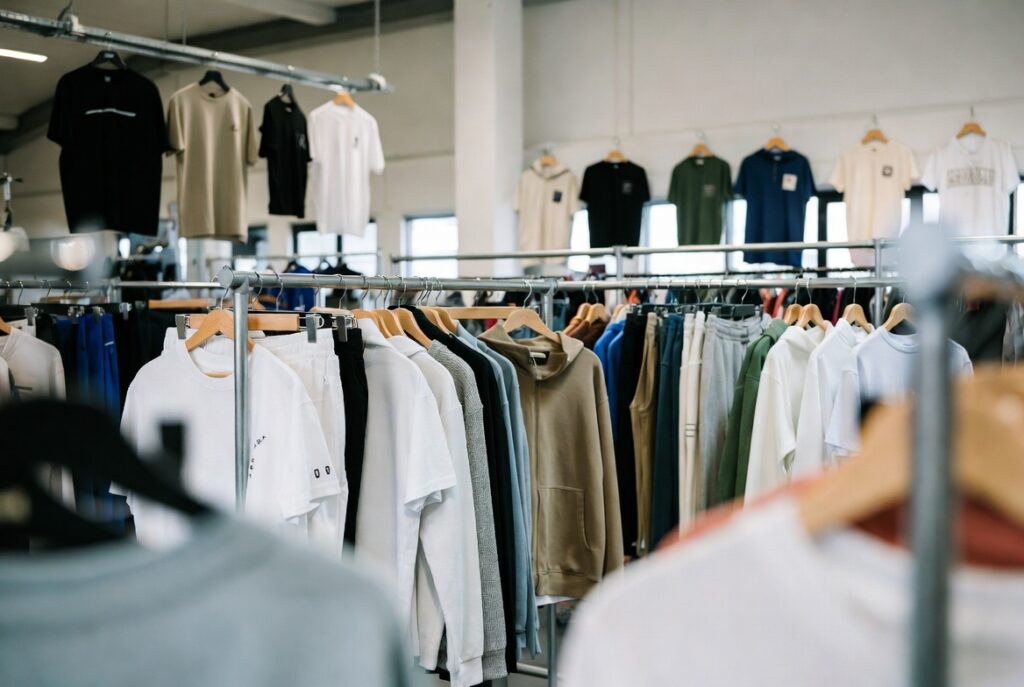
Choosing the right manufacturing partner can make or break your brand’s success in France. Texasia has built a reputation as a reliable Clothing Exporter for France by combining global manufacturing expertise with a deep understanding of European market requirements. Based in Bangladesh, Texasia serves international brands with the same dedication to quality that French fashion houses expect from their suppliers.
Brand Overview – Texasia Custom Clothing supplier for France
Texasia brings over a decade of global manufacturing experience to the table. The company works with brands across North America, Europe, and Asia, producing everything from casual streetwear to corporate uniforms. This international exposure means Texasia understands different market standards and can adapt quickly to varying requirements. You can explore their full range of capabilities at Texasia’s main website.
The company’s focus on European and French markets sets it apart from generic manufacturers. Texasia maintains updated knowledge of EU textile regulations, REACH compliance requirements, and French labeling standards. This specialized focus means fewer delays, fewer compliance issues, and smoother market entry for your brand. When you work with a Clothing Producer for France that already knows the rules, you save time and money.
Why Texasia Is One of the Best Custom Clothing Manufacturers for France
Texasia offers end-to-end apparel manufacturing solutions that cover every stage of production. From initial design consultation to final quality inspection, the company handles each step with professional precision. This comprehensive approach means you work with one trusted partner instead of juggling multiple suppliers. Check out their product portfolio to see the variety of garments they produce.
Strict quality control and compliance form the backbone of Texasia’s operations. Every production run undergoes multiple inspection points, from fabric checking to final garment review. The company maintains certifications including OEKO-TEX, BSCI, and SEDEX, ensuring that products meet international safety and ethical standards. Learn more about their quality control processes.
Competitive pricing for France-focused brands makes Texasia an attractive choice without sacrificing quality. Bangladesh’s cost-effective labor and efficient supply chains allow manufacturers to offer prices 20-30% lower than European production while maintaining high standards. This pricing advantage lets French brands achieve better margins or offer more competitive retail prices to their customers.
Texasia’s Customization Capabilities for France
Fabric sourcing represents one of Texasia’s core strengths. The company maintains relationships with certified fabric mills across Bangladesh, India, and China, giving clients access to thousands of fabric options. Whether you need organic cotton for eco-conscious consumers, technical blends for activewear, or premium fabrics for fashion collections, Texasia can source exactly what your brand requires.
Pattern development services ensure that your designs translate perfectly from concept to finished product. Texasia’s pattern makers work with both traditional and digital methods, creating precise templates that account for fabric characteristics, sizing requirements, and production efficiency. This expertise prevents costly mistakes and ensures consistent fit across all sizes.
Sampling and bulk production follow a streamlined process that respects your timelines. Texasia typically produces initial samples within 7-10 days, allowing for quick design iterations. Once samples are approved, bulk production begins with clear communication at every stage. This efficient workflow helps French brands launch products on schedule and respond quickly to market trends.
Why France Needs a Reliable Custom Clothing Manufacturer for France
The French fashion and apparel market generates over €45 billion annually, making it the sixth-largest fashion market globally. French consumers spend an average of €700 per person on clothing each year, reflecting their willingness to invest in quality apparel. This market sophistication creates opportunities for brands that can deliver excellence.
Demand for ethical and sustainable custom clothing manufacturing has surged across France. Over 60% of French consumers now consider environmental impact when purchasing clothes, according to recent market research. Brands must partner with manufacturers that offer transparent supply chains, eco-friendly materials, and fair labor practices to meet this growing demand.
Luxury, streetwear, and fast-fashion trends all coexist in the French market, requiring manufacturers who can adapt to different production styles. Paris Fashion Week sets global trends that filter down to mass-market retailers within months. A capable Clothing producer for France must understand these diverse segments and produce accordingly.
The importance of consistency, quality control, and delivery timelines cannot be overstated. French retailers expect precise delivery schedules that align with seasonal launches. Quality inconsistencies damage brand reputation quickly in this discerning market. Working with a reliable manufacturer protects your brand’s credibility and ensures customer satisfaction.
Key Qualities of the Best Custom Clothing exporter for France
Fabric quality expectations in the French market rank among the highest globally. French consumers can detect cheap fabrics instantly, making material selection critical. Your manufacturer should offer fabric testing for strength, colorfastness, and pilling resistance. Premium cotton should have thread counts above 180, while synthetic blends must resist wrinkling and maintain shape after washing.
Stitching, finishing, and durability requirements define professional-grade garments. French standards demand reinforced stress points, neat seam finishing, and secure button attachments. Hems should be even and properly pressed. Thread color must match fabric precisely. These details separate quality manufacturers from budget operations.
Compliance & Certifications for Custom Clothing Manufacturer for France
OEKO-TEX, GOTS, BSCI, and SEDEX certifications provide essential credibility in the French market. OEKO-TEX certification guarantees that fabrics contain no harmful chemicals, addressing French consumer concerns about skin safety. GOTS certification validates organic material claims, crucial for eco-conscious brands. BSCI and SEDEX demonstrate ethical labor practices, increasingly important to French retailers and consumers alike.
EU textile regulations and labeling compliance require specific information on every garment. Labels must display fiber content, care instructions, country of origin, and manufacturer details in French language. REACH regulations restrict certain chemicals in textiles. Non-compliant products can be rejected at customs, causing expensive delays. A knowledgeable Clothing producer for France handles these requirements automatically.
Production Capacity
Small MOQ versus bulk manufacturing flexibility determines whether a manufacturer suits your business model. Startup brands need low minimum order quantities, perhaps 300-500 pieces per style, to test market response. Established brands require capacity for 10,000+ piece orders with consistent quality. The best manufacturers accommodate both scenarios.
Scalability for French brands and retailers means your manufacturer grows alongside your business. They should handle increased order volumes without quality decline or delivery delays. Production planning should account for seasonal fluctuations typical in fashion retail. This flexibility protects your supply chain as your brand expands across France.
Product Categories Offered
Custom T-Shirts Manufacturer for France
Cotton, organic cotton, and blended fabrics form the foundation of any t-shirt collection. Ring-spun cotton offers superior softness and durability compared to standard combed cotton. Organic cotton appeals to environmentally conscious French consumers willing to pay premium prices. Cotton-polyester blends provide wrinkle resistance and moisture-wicking properties for activewear applications.
Printing and embroidery options allow complete brand customization. Screen printing works best for large runs with limited colors. Direct-to-garment printing enables full-color designs and photo-realistic images. Heat transfer vinyl creates durable graphics that withstand repeated washing. Embroidery adds premium texture and perceived value, perfect for logo placement on quality garments.
Custom Hoodies & Sweatshirts Manufacturer for France
Streetwear and casual fashion demand in France has grown significantly, particularly among younger consumers aged 18-35. French streetwear brands compete with international names by offering unique designs and quality construction. Hoodies serve as essential pieces that bridge casual and semi-formal occasions.
GSM, fleece types, and customization affect hoodie quality and pricing. GSM (grams per square meter) indicates fabric weight, with 280-340 GSM being standard for quality hoodies. French-terry offers lighter weight for layering, while brushed fleece provides maximum warmth. Customization options include drawstring colors, zipper quality, pocket styles, and hood lining choices.
Custom Fashion Apparel Manufacturer for France
Dresses, trousers, shirts, and seasonal collections require specialized production capabilities. Dress manufacturing demands pattern expertise for proper fit and drape. Trousers need precise measuring for inseams, waist construction, and pocket placement. Shirts require collar shaping, button spacing, and sleeve setting skills. Seasonal collections must adapt to French weather patterns and fashion calendars.
Trend adaptation for French fashion houses separates exceptional manufacturers from average ones. French fashion moves quickly, with trends emerging from Paris Fashion Week and filtering through the market within weeks. Manufacturers must respond to design changes, new fabric requests, and altered specifications without production delays.
Custom Workwear & Corporate Clothing Manufacturer for France
Uniforms, safety wear, and promotional clothing represent a substantial market segment in France. Corporate uniforms project professional brand image while ensuring employee comfort. Safety wear must meet EU PPE (Personal Protective Equipment) regulations for various industries. Promotional clothing helps companies build brand recognition at events and trade shows. These products require durable construction and consistent sizing across large orders.
Why Bangladesh Is a Top Hub for Apparel Manufacturer for France
Bangladesh as a global apparel manufacturing leader ranks second only to China in total garment exports. The country produces over 25 billion garments annually, supplying major brands across Europe and North America. This massive production scale creates infrastructure advantages that benefit all clients, from fabric suppliers to shipping logistics. Learn more about Bangladesh garment factories.
Cost efficiency without compromising quality makes Bangladesh attractive for French brands across all price points. Labor costs remain 40-50% lower than Chinese manufacturing while maintaining comparable quality standards. This cost advantage lets brands improve profit margins or invest more in marketing and distribution. For insights on importing garments from Bangladesh, explore detailed guides available online.
Skilled workforce and advanced production units distinguish Bangladesh from lower-cost alternatives. Garment workers receive specialized training in cutting, sewing, and finishing techniques. Modern factories feature computerized cutting systems, automatic sewing machines, and climate-controlled production areas. This combination of skill and technology produces consistent, high-quality results.
Strong export relationship with France and the EU benefits from established trade frameworks. Bangladesh enjoys duty-free access to EU markets under the Everything But Arms agreement, reducing import costs for French brands. Regular shipping routes connect Bangladeshi ports to European destinations with predictable transit times. This reliable infrastructure supports smooth, cost-effective supply chains.
Manufacturing Process
Design & Tech Pack Development for France
French fashion standards and measurements differ slightly from American or Asian sizing systems. Tech packs must specify French sizing (34, 36, 38, etc.) with corresponding measurements in centimeters. Design specifications should include fabric composition, stitching details, trim descriptions, and placement diagrams. Clear tech packs prevent miscommunication and ensure accurate first samples.
Fabric Selection
Sustainable and premium fabrics align with French consumer preferences. Organic cotton, bamboo blends, recycled polyester, and Tencel offer eco-friendly options without sacrificing quality. Premium natural fibers like linen, silk, and merino wool appeal to luxury segment customers. Fabric selection directly impacts product positioning and pricing in the French market.
Cutting, Sewing & Finishing for France Orders
Precision and craftsmanship define quality manufacturing. Computer-guided cutting systems ensure accurate pattern placement and minimal fabric waste. Skilled sewers construct garments with consistent seam allowances and proper tension. Finishing processes include pressing, trimming loose threads, and adding hang tags. This attention to detail produces garments that meet French quality expectations.
Quality Inspection & Packaging for France
Final checks before export catch defects before shipment. Inspectors examine each garment for stitching flaws, fabric defects, measurement accuracy, and trim placement. Random sampling occurs at 10-15% of production volume, with 100% inspection for first-time styles. Proper packaging protects garments during international shipping while presenting professionally when received by French retailers.
Sustainability Practices
Eco-friendly materials and dyes reduce environmental impact while meeting French consumer expectations. Water-based printing inks, azo-free dyes, and low-impact dyeing processes minimize chemical pollution. Organic and recycled fabrics lower carbon footprints compared to conventional materials. These choices appeal to the growing segment of environmentally conscious French shoppers.
Ethical labor practices have become non-negotiable for French brands following several high-profile industry scandals. Fair wages, safe working conditions, reasonable hours, and freedom of association must be guaranteed. Third-party audits through BSCI or SEDEX provide independent verification that protects brand reputation.
Carbon-conscious production includes energy-efficient factories, renewable power sources, and optimized logistics. Some manufacturers offset shipping emissions through carbon credit programs. These efforts demonstrate commitment to environmental responsibility that resonates with French consumers and retailers.
Why sustainability matters to French consumers ties directly to purchasing decisions. Studies show 73% of French consumers prefer brands with transparent sustainability practices. This preference translates into willingness to pay 10-15% premium for verified sustainable products. Brands partnering with responsible manufacturers gain competitive advantage in this values-driven market.
Pricing Structure
Factors affecting cost include fabric choice, construction complexity, customization level, and order quantity. Premium fabrics naturally cost more than standard materials. Complex designs with multiple components require more labor time. Custom printing, embroidery, or special finishes add processing costs. Understanding these variables helps brands budget accurately.
MOQ impact on pricing creates significant cost differences. Small orders of 300-500 pieces typically carry 15-25% higher per-unit costs due to setup and handling overhead. Orders of 2,000-5,000 pieces achieve better pricing through production efficiency. Orders exceeding 10,000 pieces unlock lowest per-unit costs and negotiation leverage.
How Texasia offers competitive pricing for France stems from operational efficiency and strategic sourcing. Direct relationships with fabric mills eliminate middleman markups. Modern production equipment reduces labor hours per garment. Consolidated shipping arrangements lower freight costs. These advantages translate into better pricing without quality compromise.
Cost comparison: Local versus overseas manufacturing reveals substantial savings potential. European manufacturers charge €15-25 per basic t-shirt versus €4-7 from Bangladesh suppliers. This 60-70% cost difference applies across most garment categories. While overseas manufacturing adds shipping time, the savings fund marketing investments that drive sales growth.
Shipping & Logistics for France
Export Process from Bangladesh to France
Documentation and compliance require careful attention to avoid customs delays. Manufacturers must provide commercial invoices, packing lists, certificates of origin, and compliance documents. French customs requires accurate HS codes for tariff classification. Proper documentation ensures smooth customs clearance and delivery to your warehouse or retail locations.
Delivery Timelines from for France
Sea freight versus air freight offers different speed and cost tradeoffs. Sea freight from Bangladesh to French ports takes 25-35 days but costs 75% less than air freight. Air freight delivers in 5-7 days, ideal for urgent orders or seasonal rushes. Most brands use sea freight for main collections and air freight for reorders of fast-selling items.
Lead time expectations must account for production and shipping duration. Sample development takes 7-10 days, with 3-5 days for revisions. Bulk production requires 30-45 days depending on order size. Sea shipping adds 25-35 days. Total lead time from order confirmation to French delivery typically ranges 65-90 days. Planning ahead prevents stock shortages during peak seasons.
How to Choose the Right Manufacturer for France
Checklist for selecting manufacturers should include verification of certifications, factory capacity, quality control systems, communication responsiveness, payment terms, and client references. Visit factories when possible or request video tours. Review sample quality carefully before placing large orders. Establish clear agreements on pricing, timelines, and quality standards.
Red flags to avoid include manufacturers demanding full payment upfront, those unwilling to provide samples, factories without proper certifications, and suppliers with poor communication habits. Extremely low pricing often indicates quality compromises or hidden costs. Trust your instincts when something feels wrong during initial discussions.
Questions to ask before placing an order clarify expectations and prevent misunderstandings. Ask about their experience with French market requirements, minimum order quantities, sampling procedures, payment terms, quality control processes, and shipping arrangements. Request detailed timelines broken down by production stage. Understanding these details upfront prevents disappointment later.
Why Texasia meets all selection criteria becomes clear when examining their track record. The company holds relevant certifications, maintains modern production facilities, employs rigorous quality control, communicates promptly across time zones, and offers transparent pricing. Client testimonials confirm consistent delivery of quality products on schedule. Ready to get started? Visit their contact page to begin your partnership.
Real Case Study About Texasia Is the Best Custom Clothing Manufacturer for France
A Paris-based streetwear brand approached Texasia in early 2024 with ambitious expansion plans. The brand had been using local European manufacturers but struggled with high production costs that limited their growth potential. They needed a manufacturing partner who could deliver quality comparable to their existing suppliers while offering more competitive pricing.
Texasia started with a small test order of 500 hoodies in three colorways. The brand provided detailed tech packs specifying 320 GSM French terry fabric, custom embroidery placement, and premium YKK zippers. Texasia delivered initial samples within 8 days, incorporating the brand’s feedback for minor adjustments. The final bulk production maintained consistent quality across all sizes and arrived at the Paris warehouse exactly on the confirmed delivery date.
The successful first order led to a long-term partnership. The brand now produces their entire collection through Texasia, including t-shirts, hoodies, joggers, and seasonal pieces. Production volumes have grown from 500 pieces per style to over 3,000 pieces, with the brand expanding distribution across France and into Belgium and Switzerland. The 35% cost savings compared to European manufacturing allowed them to invest heavily in marketing, driving significant sales growth.
What impressed the brand most was Texasia’s understanding of French market requirements. All garments arrived with proper EU labeling in French language, OEKO-TEX certification documentation, and packaging suitable for direct retail presentation. The brand’s founder stated: “Working with Texasia feels like partnering with a European supplier, but with the cost advantages of Asian manufacturing. They understand what French consumers expect.” This case demonstrates why Texasia excels as a Custom Clothing exporter for France.
Frequently Asked Questions
What is the minimum order quantity for custom clothing manufacturing for France
Most manufacturers set MOQs between 300-500 pieces per style for basic garments, though complex designs may require higher minimums.
How long does shipping take from Bangladesh to France
Sea freight typically takes 25-35 days from Bangladeshi ports to French destinations, while air freight delivers in 5-7 days.
What certifications should a Custom Clothing producer for France have
Look for OEKO-TEX for fabric safety, GOTS for organic materials, and BSCI or SEDEX for ethical labor practices.
Can manufacturers handle both small startup orders and large retail volumes
Reputable manufacturers offer scalability, starting with small test orders and expanding capacity as your brand grows.
How much cheaper is Bangladesh manufacturing compared to European production
Bangladesh manufacturing typically costs 60-70% less than European production while maintaining comparable quality standards.
What fabrics work best for the French market
French consumers appreciate premium natural fibers like organic cotton, linen, and merino wool, plus sustainable options like recycled polyester and Tencel.
Do garments arrive with French labeling and EU compliance
Professional manufacturers include proper French-language care labels, fiber content disclosure, and all required EU compliance documentation.
How do I ensure quality matches samples during bulk production
Request pre-production samples, mid-production inspections, and final quality audits before shipment to maintain consistency.
What payment terms are standard for international manufacturing
Common terms include 30% deposit upon order confirmation and 70% balance before shipment, though terms vary by manufacturer and order value.
Can manufacturers adapt quickly to French fashion trends
Experienced manufacturers serving the French market maintain flexibility for design changes and can respond to emerging trends within their production schedules.
Conclusion
Finding the right Custom Clothing Manufacturer for France transforms your brand’s potential in this sophisticated market. Quality, compliance, and reliability form the foundation of successful partnerships. Texasia delivers all three while offering competitive pricing that strengthens your business growth. Start your manufacturing journey today.

