
How are t shirts manufactured? T-shirts go through multiple stages from raw materials to the finished product you wear every day. These comfortable garments are essential in fashion and daily wear, making the manufacturing process fascinating to understand. This blog will walk you through every step of creating a t-shirt, from fabric selection to the final quality checks.
How Are T-Shirts Manufactured? 5 Key Processes
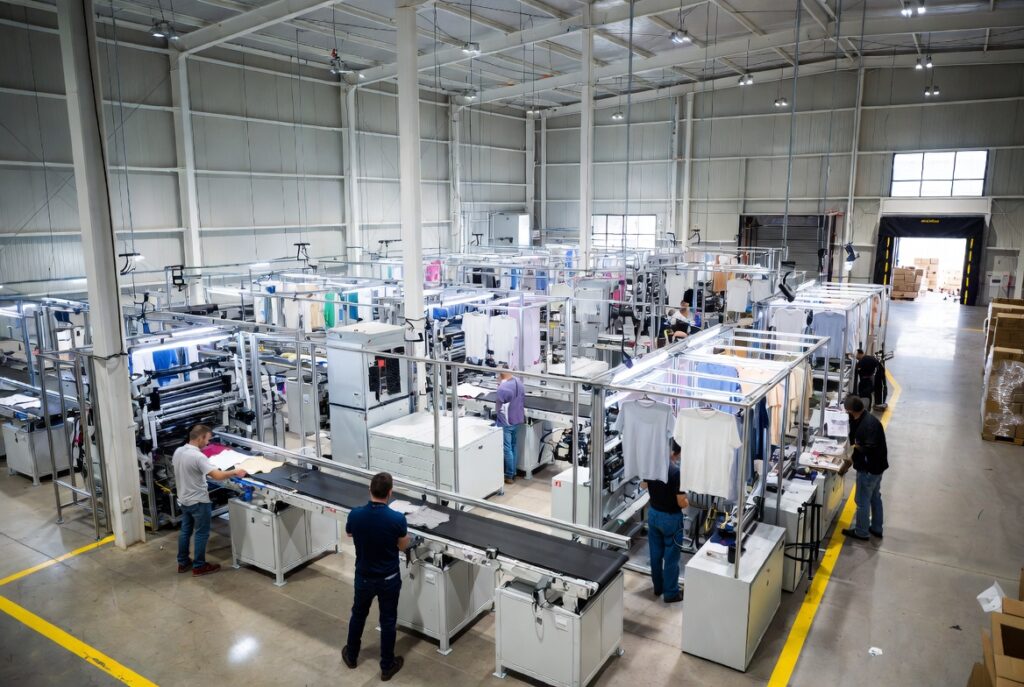
Creating a t-shirt involves five main manufacturing stages that work together to produce quality clothing. Each step plays a crucial role in determining the comfort, durability, and appearance of your favorite tee. From selecting the right fabric to adding those cool designs, manufacturers carefully control every phase. Understanding these processes helps you appreciate the work behind each shirt in your wardrobe. Let me break down how these five stages transform raw materials into the t-shirts you love wearing.
1. Sourcing the Fabric for T-Shirt Manufacturing
The journey starts with choosing the right fabric material. Cotton remains the most popular choice because it feels soft against your skin and lets your body breathe. Polyester offers durability and keeps colors bright longer, while blended fabrics combine the best features of both. Manufacturers consider comfort level, how long the shirt will last, production costs, and environmental impact when picking materials. Sustainable fabric options are gaining popularity as brands focus on eco-friendly practices. Organic cotton, bamboo fabric, and recycled polyester are becoming common choices for environmentally conscious shoppers. The fabric you pick affects everything from how the shirt feels to how easy it is to care for.
2. Spinning the Yarn for T-Shirt Production
Raw cotton fibers or synthetic materials get transformed into yarn through spinning machines. These machines twist the fibers together tightly, creating strong threads that will become fabric. Ring-spun yarn creates the softest t-shirts because the fibers get twisted tighter, making them smoother. Combed yarn removes shorter fibers to produce an even finer texture. Carded yarn is the basic type, good for everyday wear. The spinning technology determines the final texture and quality of your t-shirt. Better yarn means a shirt that feels nicer and lasts through many wash cycles. This stage sets the foundation for fabric strength and comfort.
3. Knitting or Weaving the Fabric for T-Shirts
Most t-shirts use knitted fabric rather than woven material. Knitting creates tiny loops that interlock, giving t-shirts their signature stretch and flexibility. This makes them comfortable to move in and helps them keep their shape. Circular knitting machines work continuously, producing tubular fabric that minimizes waste and speeds up production. These machines can create different fabric weights and textures depending on what type of shirt you want to make. Knitted fabric feels softer and more breathable than woven alternatives, which is why almost all t-shirts use this method. The knitting process also affects how much the shirt will stretch and how well it recovers after being pulled.
| Fabric Type | Stretch Level | Comfort | Best For |
|---|---|---|---|
| Knitted Cotton | High | Excellent | Casual wear |
| Woven Cotton | Low | Good | Formal shirts |
| Polyester Blend | Medium | Very Good | Active wear |
4. Cutting and Sewing the T-Shirt Pieces
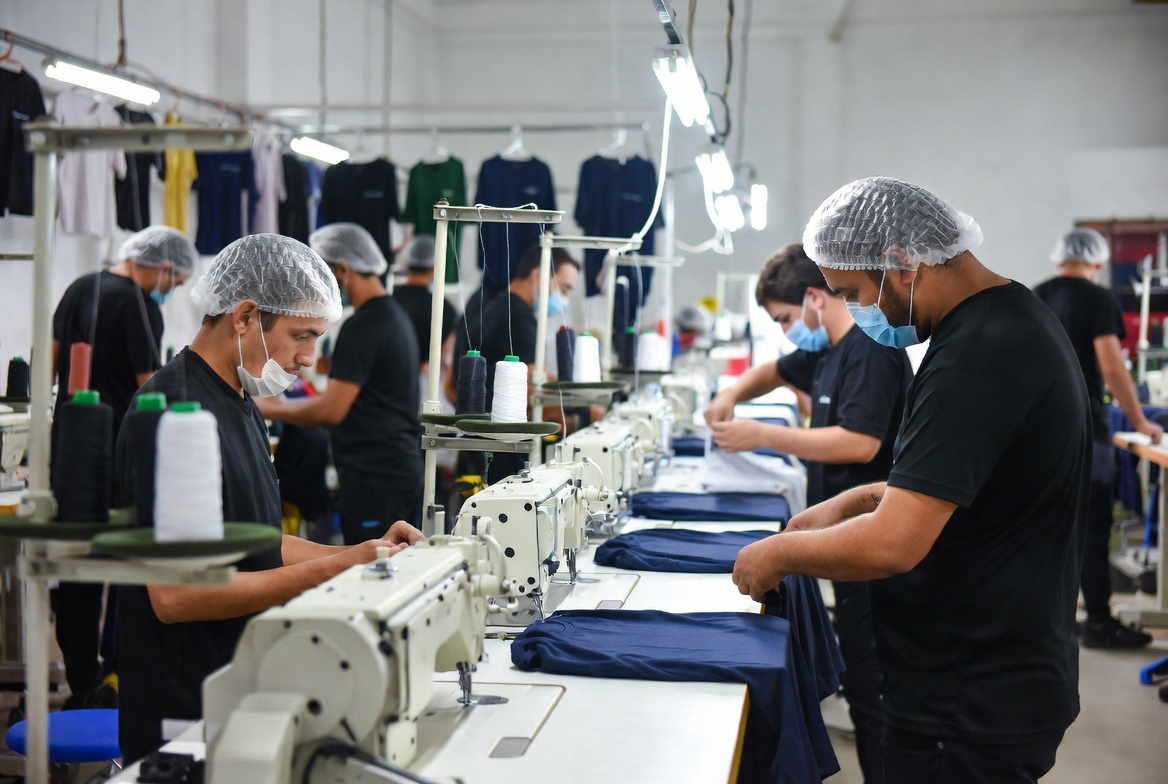
After creating the fabric, manufacturers spread it out and cut it into specific patterns for front panels, back panels, and sleeves. Precision cutting ensures each piece fits together perfectly when sewn. Modern factories use computer-controlled cutting machines that can slice through multiple fabric layers at once, saving time and reducing errors. Skilled workers then sew these pieces together using specialized techniques. Overlock stitching prevents edges from fraying, while double-needle stitching creates those strong seams you see on quality shirts. Some factories use automated sewing machines for straight seams, but experienced sewers handle tricky parts like collars and sleeve attachments. This stage requires attention to detail because proper construction affects how long your shirt lasts.
5. Printing, Dyeing, and Finishing Touches
The final stage adds color, designs, and logos to your t-shirt. Screen printing pushes ink through mesh screens to create bold, long-lasting designs. Direct-to-garment printing works like a giant inkjet printer, perfect for detailed images and photographs. Some shirts get dyed in large vats to achieve solid colors, while others receive tie-dye or other special treatments. Heat-setting locks in colors and prevents them from fading in the wash. Pressing removes wrinkles and gives shirts that fresh, store-ready appearance. Quality control inspectors check every shirt for defects like loose threads, color inconsistencies, or printing errors. Only shirts that pass inspection get packaged and shipped to stores or customers.
FAQ: How Are T-Shirts Manufactured?
What are the main materials used in t-shirt manufacturing?
Cotton, polyester, and cotton-polyester blends are the primary materials, with cotton being the most popular for comfort.
How is the fabric for t-shirts made?
Yarn gets knitted into fabric using circular knitting machines that create interlocking loops for stretch and comfort.
What is the difference between knitting and weaving in t-shirt manufacturing?
Knitting creates loops that allow stretch, while weaving crosses threads at right angles for a stiffer, less flexible fabric.
What techniques are used to print designs on t-shirts?
Screen printing, direct-to-garment printing, heat transfer, and sublimation printing are common methods for adding designs.
How does sustainability impact t-shirt manufacturing?
Sustainable practices include using organic cotton, recycled materials, water-saving dye methods, and reducing chemical usage throughout production.
How long does it take to manufacture a t-shirt?
From raw material to finished product, manufacturing one t-shirt typically takes several hours to a few days depending on complexity.
What is the role of automation in t-shirt manufacturing?
Automated cutting machines, some sewing operations, and quality control systems speed up production while maintaining consistency and reducing human error.
How are t-shirts tested for quality?
Inspectors check fabric quality, stitching strength, color consistency, sizing accuracy, and overall appearance before shipping.
Ready to Get Quality T-Shirts?
Looking for a reliable T-shirt Manufacturer? Texasia specializes in producing high-quality t-shirts using modern manufacturing processes and sustainable practices.
Conclusion
Understanding how are t shirts manufactured reveals the complex journey from raw cotton to finished garment. Each of the five key processes—fabric sourcing, yarn spinning, knitting, cutting and sewing, and finishing—plays a vital role in creating comfortable, durable t-shirts. Whether you prefer custom printed designs or classic solid colors, knowing these manufacturing steps helps you appreciate the craftsmanship behind every shirt. Next time you pull on your favorite tee, remember the skilled workers and advanced technology that made it possible.

