
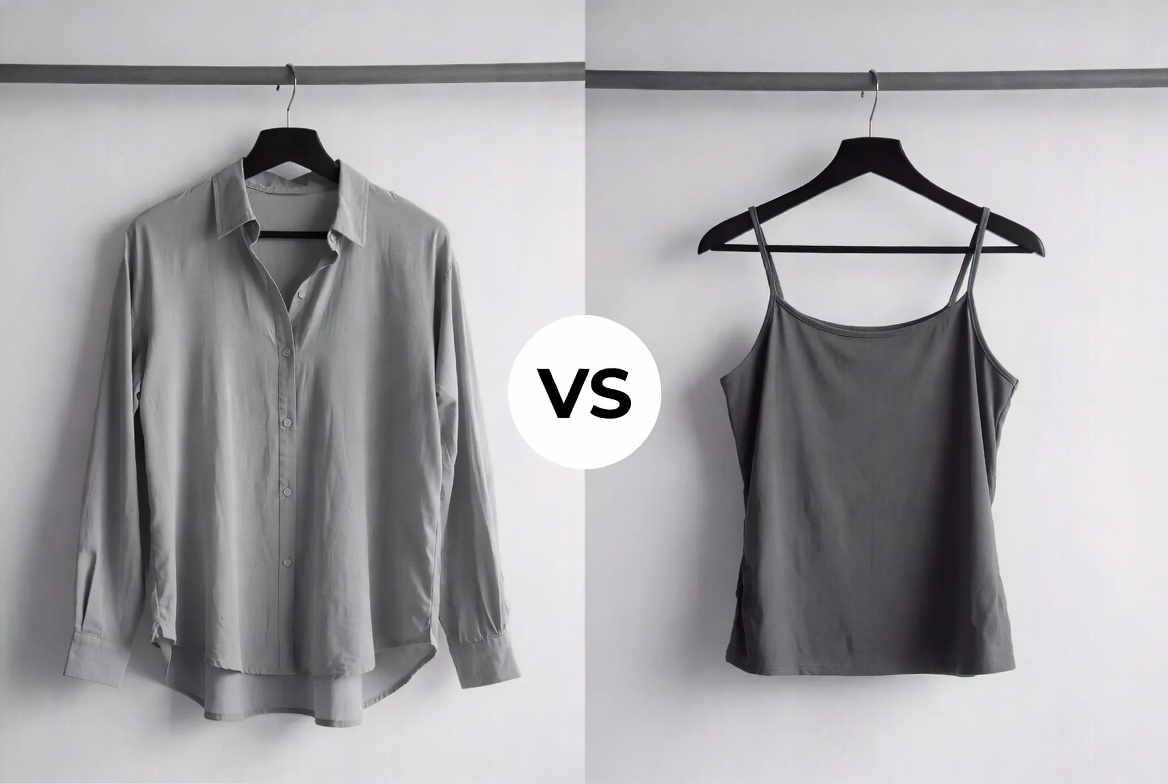
Choosing between a shirt vs tank top can feel confusing, especially when you want to look good and feel comfortable at the same time. Both options serve different purposes, and picking the right one depends on where you are going, what the weather is like, and what feels best on your body. Fashion trends change constantly, but comfort stays important no matter what. Whether you are heading to the gym, hanging out with friends, doing outdoor activities, or just chilling at home, understanding the difference between a shirt vs tank top helps you make smarter wardrobe choices. This guide breaks down everything you need to know about both clothing types so you can dress confidently for any situation.
What Is a Shirt? – A Shirt vs Tank Top Explained
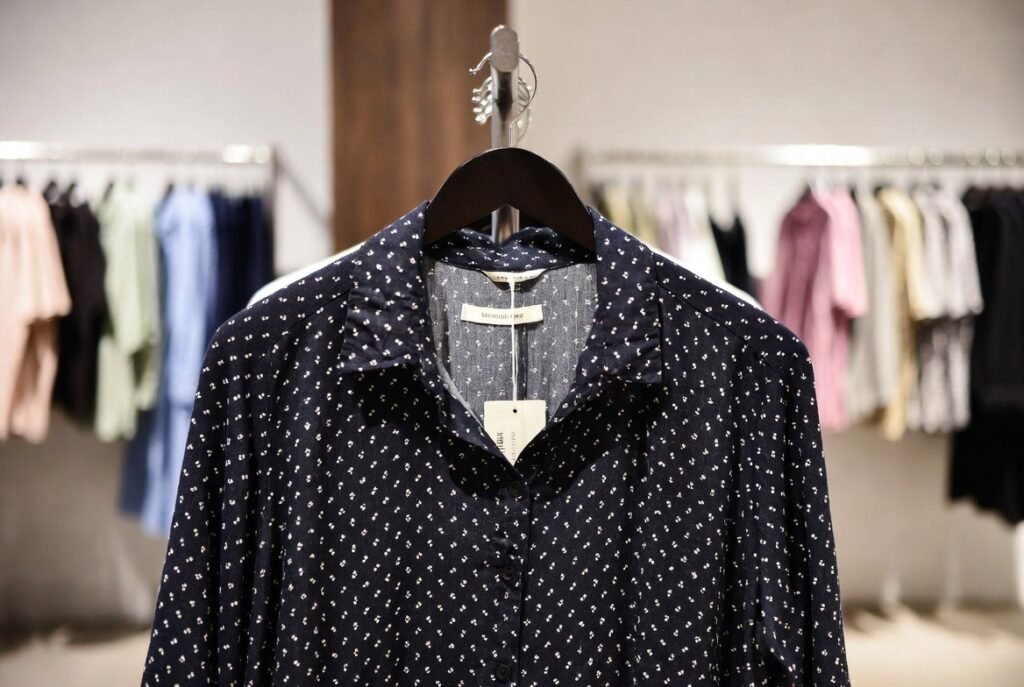
A shirt is a garment that covers your torso and typically includes sleeves, ranging from short to long lengths. Shirts come with or without collars and are made from various materials like cotton, polyester, linen, or blends. You can find them in countless styles including button-downs, casual tees, polo shirts, and dress shirts. People wear shirts for almost every occasion—school, parties, work settings, or casual hangouts. Shirts offer more coverage and versatility, making them a staple in most wardrobes. They can be dressed up or down depending on the fabric, fit, and styling choices. From plain basics to printed designs, shirts work well for different body types and personal styles.
Key Features of a Shirt in the A Shirt vs Tank Top Comparison
When comparing a shirt vs tank top, shirts stand out for their structural design and variety. They come in different fabric weights, from lightweight cotton perfect for summer to thicker materials suitable for cooler weather. Shirts provide more coverage for your arms and shoulders, which makes them appropriate for semi-formal or professional settings. The design options are endless—you can choose from crew necks, V-necks, button-ups, or graphic t-shirts depending on your mood and the occasion. The stitching and construction of shirts tend to be more detailed, with reinforced seams that handle regular washing well. Many shirts also feature pockets, collars, and other design elements that add functionality and style.
Pros and Cons of a Shirt – In the Context of A Shirt vs Tank Top
Pros:
- Better coverage for arms and shoulders
- Suitable for office or school environments
- Easy to layer with jackets, hoodies, or sweatshirts
- Works in multiple seasons
- More styling options available
Cons:
- Can feel warm in hot weather
- May restrict arm movement during intense activities
- Some styles need ironing or careful maintenance
- Takes longer to dry after washing
What Is a Tank Top? – A Shirt vs Tank Top Comparison
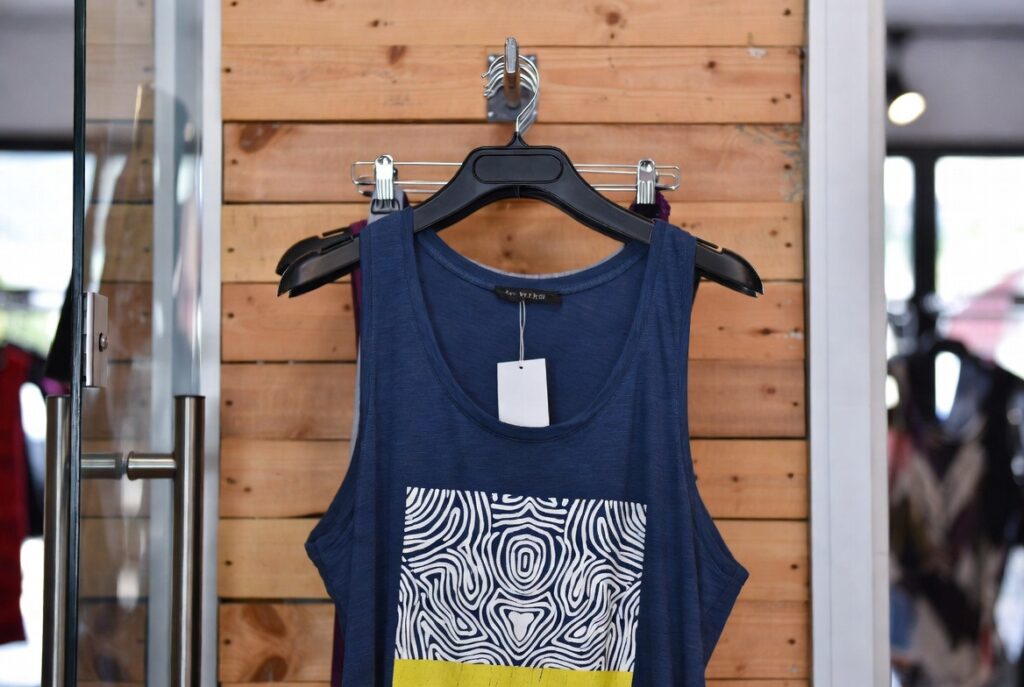
A tank top is a sleeveless garment that leaves your arms and shoulders completely exposed, making it perfect for warm weather and physical activities. Tank tops are lightweight, breathable, and designed for maximum comfort when temperatures rise. They are popular among people who work out, play sports, or spend time outdoors in the heat. The sleeveless design provides excellent mobility, allowing your arms to move freely without any fabric getting in the way. You will see tank tops everywhere during summer—at beaches, parks, gyms, and casual gatherings. They come in different styles including athletic tanks, fashion tanks, and basic undershirts. Most tank tops are made from moisture-wicking materials or soft cotton that keeps you cool.
Key Features of a Tank Top in A Shirt vs Tank Top Comparison
The main appeal of tank tops in the a shirt vs tank top debate is their simplicity and functionality. They feature minimal design with no sleeves, which means better airflow around your body. The straps can be thick or thin depending on the style, with athletic versions usually having wider straps for support. Tank tops are incredibly lightweight, making them easy to pack for travel or throw in your gym bag. The fabric typically focuses on breathability and sweat absorption, with many modern tanks using performance materials that dry quickly. The relaxed fit allows your skin to breathe, which is especially helpful during workouts or hot days when you need to stay cool.
Pros and Cons of a Tank Top – Vs A Shirt
Pros:
- Maximum breathability and airflow
- Perfect for gym sessions and sports
- Allows unrestricted arm movement
- Dries quickly after sweating
- Comfortable in extreme heat
Cons:
- Not acceptable in most professional settings
- Provides less sun protection for shoulders
- Can look too casual for certain occasions
- Offers minimal warmth in cooler weather
Comfort Comparison – A Shirt vs Tank Top
When it comes to pure comfort, the winner between a shirt vs tank top depends on your environment and activity level. In hot summer weather, tank tops win hands down because they let heat escape from your body more easily. The lack of sleeves means your armpits and shoulders stay cooler, reducing sweat buildup. During monsoon season, tank tops dry faster if you get caught in rain, but shirts provide better coverage if you need protection from wind or light drizzle. Winter changes everything—shirts become more comfortable because they keep your arms warm, and you can layer them under jackets or hoodies for extra insulation.
Fabric choice matters tremendously for comfort. Cotton feels soft and natural but absorbs moisture, which can make you feel sticky during intense activities. Polyester and synthetic blends wick sweat away from your skin, keeping you drier during workouts. Some t-shirts and tank tops use fabric combinations that balance breathability with comfort. Your body temperature regulation also plays a role—some people naturally run hot and prefer tank tops year-round, while others feel more comfortable with the coverage shirts provide.
Style & Fashion Appeal – A Shirt vs Tank Top
Fashion-wise, both shirts and tank tops have their moments to shine. Shirts offer way more styling possibilities because you can tuck them in, tie them up, roll the sleeves, or wear them open over another top. They work with almost any bottom—jeans, shorts, leggings, or joggers. You can dress up a nice shirt with accessories or keep it super casual with sneakers and athletic wear.
Tank tops lean heavily toward casual and sporty vibes. They look great at the gym, beach, or outdoor festivals, but most social situations call for something with sleeves. Body confidence plays a bigger role with tank tops since they show more skin. Some people love the freedom and cool factor, while others prefer the coverage shirts provide. For guys, tank tops can show off arm muscles, which works well if you are into fitness. For girls, tank tops come in cute designs that can be paired with jackets or worn alone during summer.
Current fashion trends embrace both options. Layering tank tops under open shirts creates a stylish, relaxed look. Oversized shirts are having a moment, giving off an effortlessly cool vibe. Athletic-inspired fashion means tank tops are not just for the gym anymore—people style them with joggers and sneakers for everyday wear. Social acceptance varies by location and culture. In most Western countries, both are widely acceptable for casual settings, but some places or events have specific dress codes that favor shirts over tank tops.
Activity Suitability – When To Wear A Shirt vs Tank Top
Gym & Sports – A Shirt vs Tank Top
For workout sessions and sports activities, tank tops usually work better than shirts because they keep you cooler and let your arms move freely. When you are lifting weights, running, playing basketball, or doing yoga, the lack of sleeves prevents fabric from bunching up or restricting your movements. Tank tops made from performance fabrics pull sweat away from your body, helping you stay comfortable during intense exercise. Shirts can work for light workouts or cooler gym environments, especially moisture-wicking athletic t-shirts designed for sports. The choice often comes down to personal preference and how hot you get during physical activity.
Office & Professional Use – A Shirt vs Tank Top
The professional environment clearly favors shirts over tank tops. Schools, offices, internships, and formal events require the coverage and polished appearance that shirts provide. Button-down shirts, polo shirts, and neat t-shirts are appropriate for work settings, while tank tops are almost never acceptable unless you work in a gym or outdoor physical job. Even in casual workplaces with relaxed dress codes, shirts remain the safer choice. Some people wear tank tops under shirts as undershirts, but the tank itself stays hidden. If you are unsure about what to wear for a professional situation, a clean, well-fitted shirt is always the right call.
Travel & Everyday Wear – A Shirt vs Tank Top
For travel and daily activities, having both shirts and tank tops in your bag makes sense. Shirts offer more versatility when visiting different places, from restaurants to tourist sites. They pack reasonably well, especially wrinkle-resistant fabrics. Tank tops take up even less space and work great for beach destinations, hiking trips, or any vacation focused on outdoor activities. For everyday wear around your neighborhood, either option works fine depending on the weather and your plans. Running errands, meeting friends for coffee, or hanging at home—pick whatever feels comfortable. Many people keep a rotation of both styles so they have options for different situations throughout the week.
Climate & Seasonal Choice – A Shirt vs Tank Top
Hot weather is where tank tops truly shine in the a shirt vs tank top comparison. When temperatures climb above 85°F (29°C), the extra breathability makes a huge difference in your comfort level. Your body can cool itself better when more skin is exposed to air circulation. Tank tops prevent that sticky, sweaty feeling you get from clothes clinging to your body during heat waves. They are perfect for summer activities like beach days, outdoor barbecues, or just walking around when the sun is blazing.
Colder weather tips the scales toward shirts. Fall and winter demand more coverage to keep you warm, and shirts provide that base layer of protection. You can start with a long-sleeve shirt and add layers as needed. Even short-sleeve shirts offer more warmth than tank tops when there is a cool breeze. Spring weather can be tricky because temperatures fluctuate throughout the day—bringing both options lets you adjust as needed.
Humidity factors into the equation too. In humid climates, tank tops help because they reduce the amount of fabric sticking to your sweaty skin. Dry heat can be handled with either option, though tank tops still provide better cooling. Rainy seasons might lean toward shirts since they protect your shoulders from getting wet, plus you can throw on a jacket more easily over a shirt than a tank top.
Fabric & Durability – A Shirt vs Tank Top
When looking at fabric quality and longevity, shirts generally have an advantage because they use more material and often feature better construction. The extra stitching, reinforced seams, and quality control that goes into making shirts means they can handle repeated washing without falling apart quickly. Tank tops, being simpler and cheaper to produce, sometimes use thinner fabrics that wear out faster, especially less expensive versions.
Both shirts and tank tops lose their shape over time with regular washing, but the rate depends on fabric type and care. Cotton holds up well but may shrink slightly. Polyester blends maintain their shape better and resist fading. Athletic fabrics designed for performance usually last longer because they are made to withstand sweat and frequent washing. Check care labels before buying—some materials need special treatment while others can go straight in the washing machine without worry.
Sweat absorption varies by fabric rather than garment style. Cotton absorbs moisture but holds onto it, making you feel damp. Performance fabrics in both shirts and tank tops wick sweat to the surface where it evaporates quickly. This technology works equally well in sleeveless or sleeved designs, so fabric choice matters more than whether you pick a shirt vs tank top for sweat management.
| Feature | Shirt | Tank Top |
|---|---|---|
| Average Lifespan | 2-3 years with regular wear | 1-2 years with regular wear |
| Washing Durability | Handles 50+ washes well | Shows wear after 30-40 washes |
| Fabric Thickness | Medium to thick | Light to medium |
| Maintenance Effort | Moderate (some need ironing) | Low (minimal care needed) |
Price Comparison – A Shirt vs Tank Top
Price-wise, tank tops usually cost less than shirts because they require less fabric and simpler construction. You can find basic tank tops for $5-$15, while decent quality t-shirts typically range from $10-$25. Button-up shirts and polo shirts cost even more, often between $20-$50 depending on brand and quality. Premium athletic wear pushes prices higher for both categories—performance shirts can hit $40-$60, while high-end tank tops from popular brands run $25-$40.
The cost versus value equation depends on how often you wear each item. A $20 shirt that you wear twice a week for two years provides better value than a $10 tank top you wear occasionally. Brand names significantly influence pricing. Designer labels charge 3-5 times more for similar quality compared to generic brands. Store brands from places like trusted clothing suppliers often offer good quality at reasonable prices.
Think about your wardrobe needs before buying. If you live somewhere hot and spend time at the gym, investing in quality tank tops makes sense. If you need clothes for school or work, putting money toward durable shirts pays off long-term. Sales and bulk buying can help stretch your budget—buying multiple basics at once often costs less per item than buying one at full price.
Which One Should You Choose? Final Verdict on A Shirt vs Tank Top
The answer to a shirt vs tank top comes down to your personal lifestyle and what you need clothes for. Athletic and active people who workout regularly or play sports will get more use from tank tops during exercise, but still need shirts for everything else. Students balancing school, social life, and activities probably need more shirts since they work in more situations. If you live in a hot climate year-round, tank tops deserve more space in your closet. Cooler regions call for a shirt-heavy wardrobe with a few tanks for summer.
Think about these questions when deciding what to buy:
- Where do you spend most of your time (school, gym, outdoors, home)?
- What does the weather look like most days in your area?
- Do you care more about looking put-together or feeling maximum comfort?
- What activities do you do regularly that require specific clothing?
Realistically, you need both options for different purposes. Having 5-7 quality shirts in various styles covers your bases for most situations. Adding 3-4 tank tops gives you workout clothes and hot-weather options. Building a balanced wardrobe with both a shirt vs tank top varieties means you are prepared for whatever comes up. Mix basics with a few statement pieces that show your personal style. Quality beats quantity—better to own fewer items that last longer than a closet full of cheap stuff that falls apart quickly.
Frequently Asked Questions (FAQ)
Which is better for summer, a shirt or tank top?
Tank tops are better for summer because they offer maximum breathability and keep you cooler in hot weather conditions.
Can I wear a tank top to school?
Most schools require shirts with sleeves. Check your school dress code before wearing tank tops to avoid issues.
Are shirts more expensive than tank tops?
Yes, shirts typically cost more than tank tops because they use more fabric and require more detailed construction work.
Which is better for working out?
Tank tops are better for workouts because they allow free arm movement and provide superior ventilation during intense exercise.
Can tank tops be worn in winter?
Tank tops can be layered under jackets or hoodies in winter, but shirts provide better warmth and coverage alone.
Do shirts last longer than tank tops?
Yes, shirts generally last longer because they have reinforced stitching and use thicker, more durable fabrics throughout the garment.
Are tank tops acceptable for casual outings?
Yes, tank tops work great for casual hangouts, outdoor activities, beaches, and relaxed social gatherings during warm weather.
Which looks more professional, a shirt or tank top?
Shirts look more professional and are required for office environments, interviews, and formal settings unlike casual tank tops.
Can I layer a tank top under a shirt?
Yes, layering tank tops under open shirts creates a stylish look and adds versatility to your outfit choices.
Which dries faster after washing?
Tank tops dry faster because they have less fabric, making them convenient for frequent washing and quick turnaround times.
Are there formal tank tops available?
No, tank tops are designed for casual and athletic wear. Formal occasions always require shirts with sleeves and collars.
Which is better for hot and humid weather?
Tank tops work better in humid weather because they reduce fabric contact with skin and allow maximum air circulation.
Can guys and girls wear both styles?
Yes, both shirts and tank tops are designed for all genders with different fits, styles, and sizing options available.
Should I own both shirts and tank tops?
Yes, owning both gives you flexibility to dress appropriately for different activities, weather conditions, and social situations throughout year.
Which absorbs sweat better?
Sweat absorption depends on fabric type, not garment style. Cotton absorbs while synthetic performance fabrics wick moisture away effectively.
Conclusion – A Shirt vs Tank Top
The a shirt vs tank top debate does not have a single winner because both serve important roles in your wardrobe. Shirts provide versatility, coverage, and appropriateness for most settings, while tank tops deliver comfort, breathability, and freedom during physical activities or hot weather. Understanding when to reach for each option helps you dress confidently and comfortably. Choose based on your immediate needs—the weather outside, what you are doing that day, and how you want to present yourself. Keep both styles available so you always have the right choice ready.

