
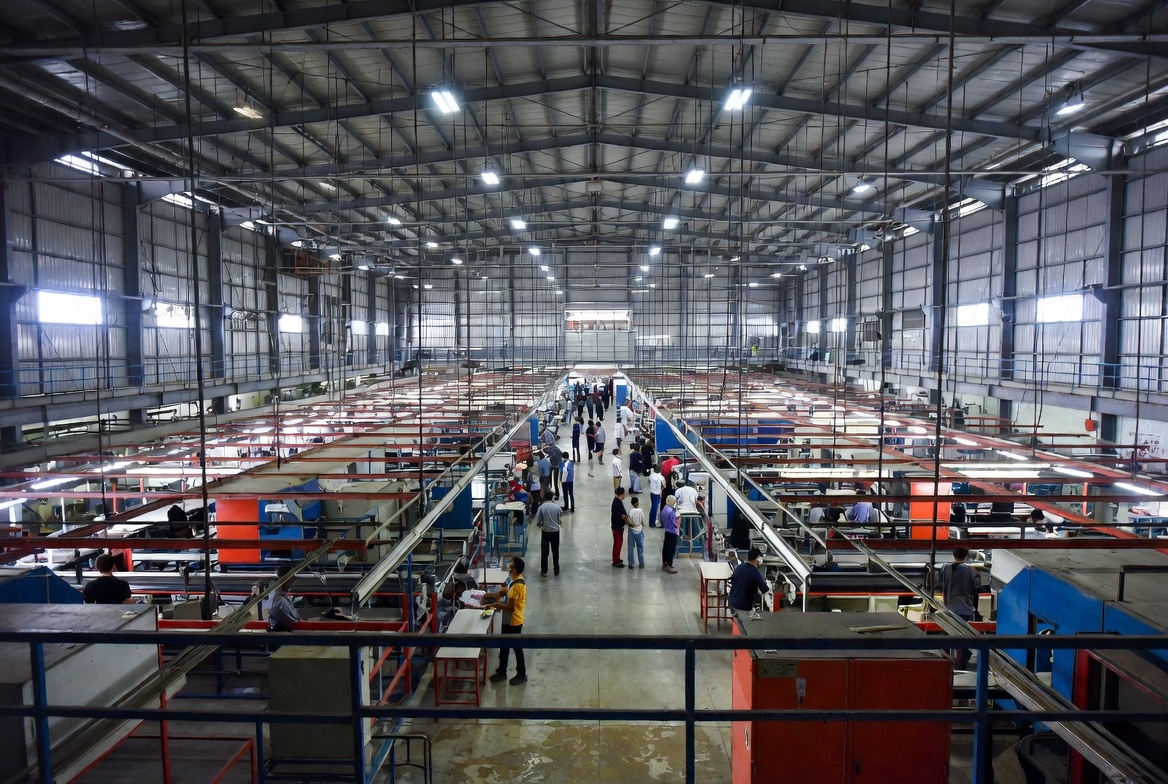
80 to 90% of new clothing brands fail within their first three years. While many factors contribute to this dismal statistic, one reason stands above all others—choosing the wrong clothing manufacturer. This single decision can make or break your fashion startup before you even launch.
The harsh reality is this: if you partner with a manufacturer who delivers poor quality, misses deadlines, or demands unrealistic minimum orders, your brand dies before it has a chance to live. Conversely, finding the right clothing manufacturers for startups transforms your business from a risky venture into a scalable operation. It’s not just about production; it’s about gaining a trusted partner who understands your vision, respects your budget constraints, and delivers consistent quality that keeps customers returning.
Why is this so critical? Because unlike established fashion houses with massive budgets and internal production teams, startup fashion entrepreneurs must outsource manufacturing. You’re entirely dependent on your chosen partner. A mistake here isn’t just a setback—it can deplete your limited capital, damage your brand reputation, and derail your timeline to market. This is why selecting among the best clothing manufacturers for startups deserves your obsessive attention.
The landscape for apparel manufacturers for startups has shifted dramatically in 2025–2026. Gone are the days when you absolutely needed to order 500+ units per style. Digital manufacturing, nearshoring trends, and increased competition have created genuine opportunities for small brands. Minimum order quantities (MOQs) are becoming more flexible. Sustainability expectations are no longer nice-to-have—they’re table stakes. And nearshoring (manufacturing closer to end markets) is reducing lead times and shipping costs for North American and European startups.
In this comprehensive guide, you’ll discover: the exact criteria for evaluating startup-friendly clothing manufacturers, detailed profiles of the top 20 factories worldwide, country-by-country manufacturing breakdowns, negotiation tactics that actually work, red flags to avoid, and step-by-step processes to move from sample to bulk production. Whether you’re planning streetwear, activewear, sustainable fashion, or luxury basics, this guide provides everything you need to make the best clothing manufacturer choice for your startup.
Why Most Startups Fail with Clothing Manufacturers (and How to Avoid It)
Core Problem
New fashion entrepreneurs typically make the same critical errors:
Prioritizing price over quality: Many startups chase the lowest per-unit cost, often from factories with zero track record of quality consistency. They save $0.50 per shirt and lose thousands when 40% of their first production run arrives with defects.
Underestimating MOQ implications: Startup founders accept a manufacturer’s MOQ of 500 units, not realizing they’ll be stuck with unsold inventory for eighteen months. This ties up capital that could accelerate growth elsewhere.
Poor communication planning: Language barriers, time zone differences, and unclear specifications lead to productions that don’t match the original design. By the time the mistake is discovered, it’s too late and too expensive to fix.
Ignoring sampling importance: Skipping proper sampling to save $200 often results in wasting $20,000 on a production run that doesn’t meet specifications.
Lack of contract clarity: Many startups work without clear agreements on payment terms, dispute resolution, IP protection, and quality standards. When problems arise, they have no recourse.
How Top Startups Avoid These Pitfalls
The most successful clothing manufacturers for startups relationships follow this pattern:
- They prioritize quality consistency over hitting the lowest price point
- They negotiate MOQs appropriate to their actual sales projections
- They establish crystal-clear communication channels and protocols before production begins
- They invest in comprehensive sampling and testing
- They use written agreements that protect both parties
- They build relationships with manufacturers, not just transactional interactions
Key Factors to Evaluate When Choosing Clothing Manufacturers for Startups
3.1 Minimum Order Quantity (MOQ) Requirements in 2025
MOQ is perhaps the single most important factor for resource-constrained startups. This is the minimum number of units you must order per style and color combination.
What’s typical in 2025:
- Print-on-demand services: 0–1 units per order (but higher per-unit costs)
- Digital-first manufacturers: 25–50 units per style
- Traditional factories in Asia: 100–500 units per style
- Luxury/high-end manufacturers: 300–1,000+ units per style
- Nearshoring manufacturers (USA, Mexico, Portugal): 50–200 units
Why this matters for your startup: If a factory requires a 500-unit MOQ and you can only commit to 200 units, you have two expensive options: either accept 300 units of unsold inventory or walk away. Neither scenario works for a bootstrapped startup.
Pro tip: In 2025, many factories have become more flexible with MOQs due to digital cutting technology and modular production processes. Don’t accept a factory’s published MOQ as final—it’s often a starting point for negotiation.
3.2 Pricing & Total Landed Cost Breakdown
Here’s what most startups get wrong: they focus only on the per-unit manufacturing cost. Smart startups calculate total landed cost (TLC).
Total landed cost includes:
- Per-unit manufacturing cost
- Sampling and testing costs
- Fabric sourcing and material waste
- Quality inspection and compliance certification
- Shipping and logistics
- Customs and tariffs
- Insurance and handling
- Payment processing fees
Example: A factory quotes $4 per t-shirt (manufacturing only). Your total landed cost might actually be $6.50 per shirt once you add all variables. It’s critical to request a complete cost breakdown before committing.
2025 pricing reality:
- Basic t-shirts from China: $2.50–$5.00
- Basic t-shirts from Vietnam: $2.75–$5.50
- Basic t-shirts from Mexico/nearshore: $4.00–$7.00
- Basic t-shirts from USA: $6.00–$12.00
- Sustainable/ethical basics: $5.00–$10.00
3.3 Production Capacity and Lead Times
Lead time is how long the factory takes from approval of your sample to delivery of finished goods to your warehouse or fulfillment center.
Typical lead times in 2025:
- Sampling: 1–4 weeks (depends on complexity)
- Production: 4–12 weeks (depends on order size and factory workload)
- Shipping: 2–6 weeks (ocean freight to North America/Europe)
Capacity matters: A factory that’s at 80%+ capacity will push your order back and miss deadlines. Ask directly: “What’s your current capacity utilization?” and “When would you ship my order?” Get specific dates, not vague timeframes.
3.4 Fabric Sourcing and Quality Control
The best clothing manufacturers for startups don’t just assemble pre-made materials—they source fabrics strategically, test for quality, and maintain consistent standards.
What to ask about:
- Does the factory source fabrics or do you need to supply them?
- What quality certifications do their suppliers have? (OEKO-TEX, GOTS, etc.)
- What’s their quality control process? (How many inspection points?)
- Do they preshrink fabrics?
- What’s their defect rate? (Aim for <2%)
- Can they provide a test report for your first production?
3.5 Ethical and Sustainable Manufacturing Practices
In 2025, customers—especially younger demographics—care deeply about where and how their clothing is made. This isn’t optional for startup brands; it’s expected.
Verify the factory’s credentials:
- Fair Trade certification
- ISO 14001 (environmental management)
- OEKO-TEX (chemical safety)
- GOTS (organic standards)
- Local labor law compliance
- Supplier transparency (can they name their facilities?)
Red flag: Any manufacturer that’s vague about their supply chain or labor practices deserves skepticism.
3.6 Communication and Language Support
This is underrated but crucial. Your manufacturer will be your closest business partner during production. Poor communication multiplies mistakes exponentially.
Evaluate:
- Do they respond to emails within 24 hours?
- Is English (or your language) fluently spoken?
- Do they have a dedicated account manager for your brand?
- What’s their communication protocol? (Email, WhatsApp, video calls?)
- Are they available during your business hours or at least with significant overlap?
3.7 Sampling Costs and Speed
Before you commit to a bulk order of 500 units, you’ll need samples to verify quality, fit, and appearance. This is non-negotiable.
Typical sampling costs (2025):
- Simple design (basic tee): $100–$300
- Medium complexity (printed, embroidered): $300–$600
- High complexity (custom cuts, multiple details): $600–$1,500
Sampling timeline:
- Standard: 10–21 days
- Rush: 5–7 days (expect rush charges of 30–50%)
- Expedited: 3–5 days (rush charges of 50–100%)
Top 20 Clothing Manufacturers for Startups in 2025–2026 (Ranked & Reviewed)
1. Appareify (China)
- MOQ: 50 units per style
- Price per basic t-shirt: $3.50–$5.00
- Best for: All-category manufacturer; activewear, basics, womenswear
- Pros: Experienced with startups; ISO 9001 certified; fast sampling (10 days); comprehensive services from design to fulfillment
- Cons: China-based (longer shipping times); can be slower on communication during Chinese holidays
- Known clients: ASOS, Tesco, Dunhill
- Website: appareify.com
2. Printful (Multiple locations)
- MOQ: 0 units (print-on-demand)
- Price per basic t-shirt: $6.00–$9.00 (includes print)
- Best for: POD models; small test runs; startups with zero inventory risk
- Pros: Integrated with Shopify, Etsy, WooCommerce; auto-fulfillment; zero upfront cost
- Cons: Higher per-unit costs; limited customization; not suitable for bulk production
- Website: printful.com
3. Tack Apparel (USA)
- MOQ: 50 units per design
- Price per basic t-shirt: $5.50–$8.00
- Best for: US-based startups; domestic nearshoring; high quality
- Pros: Domestic production (2–3 week lead times); personalized service; ethical practices; custom embroidery and printing
- Cons: Higher costs than Asian factories; limited to USA production capacity
- Website: tackapparelusa.com
4. Affix Apparel (USA)
- MOQ: 50 units per design
- Price per basic t-shirt: $5.00–$8.00
- Best for: Hoodies, activewear; sublimation printing; cut-and-sew
- Pros: 10+ years experience; 6 sustainability certifications; free sample grading; personalized service
- Cons: Higher per-unit cost; slower production for high volumes
- Website: affixapparel.com
5. Oh Two Clothing (South Africa)
- MOQ: 200 units per style
- Price per basic t-shirt: $3.00–$4.50
- Best for: Long-sleeve basics; vertically integrated manufacturing
- Pros: Full vertical integration (design to delivery); screen printing; fast response times; trend forecasting included
- Cons: Higher MOQ; South African-based (new time zone for US brands)
- Website: ohtwoclothing.com
6. Hawthorn (United Kingdom)
- MOQ: 50 units per design
- Price per basic t-shirt: $6.00–$9.00
- Best for: UK/EU startups; made-to-order quality; hand-finished garments
- Pros: Hand-cut and hand-stitched; quality-first approach; 26-point QC; customizable by fit
- Cons: Higher costs; longer production times (8–12 weeks); limited to EU base
- Website: hawthornproducts.com
7. Billoomi Fashion (India)
- MOQ: 25 units per color
- Price per basic t-shirt: $2.50–$4.00
- Best for: Startups on extreme budget; womenswear; kidswear; sustainable brands
- Pros: Lowest MOQ in industry; 100% export-focused; zero defect guarantee; individual attention; 15+ years experience
- Cons: Longer lead times (6–8 weeks); India-based; limited to womenswear/kidswear
- Website: billoomi.com
8. Dream Apparel Partners (Vietnam)
- MOQ: 50 units per style
- Price per basic t-shirt: $2.75–$4.50
- Best for: Activewear; sportswear; technical fabrics
- Pros: Vietnam expertise (cost-effective); modern machinery; quick sampling (7 days); flexible MOQ
- Cons: Communication delays; quality inconsistency if not managed
- Website: dreamapparelpartners.com
9. Noble Garment (Pakistan)
- MOQ: 100 units per style
- Price per basic t-shirt: $2.00–$3.50
- Best for: Ultra-budget brands; basic basics; cotton-focused
- Pros: Lowest per-unit costs globally; cotton expertise; established infrastructure
- Cons: Quality less consistent; long lead times (10–14 weeks); communication challenges
- Website: noblegarmentpk.com
10. Saitex (Vietnam)
- MOQ: 100 units per style
- Price per basic t-shirt: $3.00–$4.50
- Best for: Sustainable brands; eco-conscious startups
- Pros: GOTS certified; waterless dyeing; waste reduction; ISO 14001; transparency reports
- Cons: Premium pricing for sustainability; longer lead times; minimum orders not negotiable
- Website: saitex.com
11. Confecciones Osbert (Mexico)
- MOQ: 100 units per style
- Price per basic t-shirt: $4.00–$6.00
- Best for: US/North American brands; nearshoring; fast turnaround
- Pros: 2–3 week production (vs 6–8 weeks for Asia); closer time zone; rising quality
- Cons: Higher costs than Asia; smaller production capacity
- Website: confeccionesosbert.com
12. Colorifico (Portugal)
- MOQ: 50 units per style
- Price per basic t-shirt: $5.00–$7.50
- Best for: European startups; sustainable; premium positioning
- Pros: EU-based (short shipping); sustainability focus; ethical practices; quick production
- Cons: Among highest per-unit costs; limited to smaller batches; premium positioning only
- Website: colorifico.pt
13. Texfad (Bangladesh)
- MOQ: 100 units per style
- Price per basic t-shirt: $2.25–$3.75
- Best for: Budget brands; mass production later
- Pros: Very low costs; established infrastructure; mature supply chains
- Cons: Quality consistency issues; ethical concerns historically; long communication delays
- Website: texfad.com
14. Giza Garments (Egypt)
- MOQ: 100 units per style
- Price per basic t-shirt: $2.50–$4.00
- Best for: Cotton-focused; sustainable; African market positioning
- Pros: Cotton expertise; emerging but improving quality; lower costs
- Cons: Less established than major competitors; limited specialization
- Website: gizagarments.com
15. Portman & Co (USA – Los Angeles)
- MOQ: 100 units per style
- Price per basic t-shirt: $6.50–$10.00
- Best for: Premium startups; domestic production; luxury positioning
- Pros: LA-based; quick turnaround (2–4 weeks); high quality; personal relationships
- Cons: Expensive; limited capacity; only for premium brands
- Website: portmanandco.com
16. Organic Basics Lab (Portugal)
- MOQ: 100 units per style
- Price per basic t-shirt: $6.00–$8.50
- Best for: Sustainable/organic brands; premium eco positioning
- Pros: 100% sustainable; GOTS certified; transparency; innovation-focused
- Cons: Premium pricing; strict on design specs; not suitable for budget brands
- Website: organicbasicslab.com
17. Dewe Production (Indonesia)
- MOQ: 50 units per style
- Price per basic t-shirt: $2.80–$4.20
- Best for: Print-heavy designs; custom prints; streetwear
- Pros: Print expertise; flexible MOQ; fast sampling; competitive pricing
- Cons: Indonesia-based; quality can be inconsistent
- Website: deweproduction.com
18. Sewport (Ukraine/Poland)
- MOQ: 50 units per style
- Price per basic t-shirt: $4.50–$7.00
- Best for: European startups; nearshoring to Europe; premium quality
- Pros: European proximity; quality focus; ethical practices; quick turnaround
- Cons: Geopolitical considerations; smaller capacity
- Website: sewport.com
19. Manifest (USA – New York)
- MOQ: 250 units per style
- Price per basic t-shirt: $7.00–$11.00
- Best for: Premium NYC brands; luxury basics; high-touch service
- Pros: Premium domestic production; exceptional quality; personal service; small runs for premium brands
- Cons: Very expensive; very high MOQ for startups; only for luxury/premium positioning
- Website: manifest.clothing
20. Xtreme Global (Multiple: China, Vietnam, India)
- MOQ: 100 units per style
- Price per basic t-shirt: $2.50–$4.50
- Best for: Comparison shopping; multiple factory access
- Pros: Network of factories; flexible sourcing; good for testing multiple manufacturers
- Cons: Middleman structure; less personal attention
- Website: xtremeglobal.com
Country-by-Country Breakdown: Where to Manufacture as a Startup
China
Average MOQ: 100–500 units per style Average price (t-shirt): $2.50–$5.00 Lead time: 6–10 weeks production + 2–4 weeks shipping Strengths: Mature supply chains; technology leadership; cost-effective; extensive experience with startups Risks: Long lead times; IP/design theft concerns; quality inconsistency; tariffs (varies by year) 2025 trend: MOQs dropping due to digital manufacturing; nearshoring competition
Recommended factories:
- Appareify (see above)
- Jingyi Clothing Group
- Shenzhen Jeansbo Clothing
Vietnam
Average MOQ: 100–300 units per style Average price (t-shirt): $2.75–$5.50 Lead time: 5–9 weeks production + 2–4 weeks shipping Strengths: Excellent for activewear/technical fabrics; rising quality; competitive pricing; less IP concerns than China Risks: Language barriers; less experience with ultra-small batches; quality variation by factory 2025 trend: Increasing preference over China; capacity expanding
Recommended factories:
- Dream Apparel Partners (see above)
- Saitex (see above)
- Viet Knitwear
Portugal
Average MOQ: 50–200 units per style Average price (t-shirt): $5.00–$8.00 Lead time: 4–6 weeks production + 1–2 weeks shipping Strengths: Nearshoring to Europe; excellent quality; sustainability focus; short lead times Risks: Higher costs; smaller capacity; premium positioning required 2025 trend: Growing choice for EU brands wanting sustainability
Recommended factories:
- Colorifico (see above)
- Organic Basics Lab (see above)
- Texfil
Turkey
Average MOQ: 100–500 units per style Average price (t-shirt): $3.50–$6.00 Lead time: 5–8 weeks production + 2–3 weeks shipping Strengths: Quality improving rapidly; good for knits/activewear; bridge between Asia and Europe Risks: Political instability; currency fluctuation; less established than China 2025 trend: Growing interest as China alternative
Recommended factories:
- Keten Tekstil
- Boyner Group
Pakistan
Average MOQ: 100–300 units per style Average price (t-shirt): $2.00–$3.50 Lead time: 8–12 weeks production + 3–4 weeks shipping Strengths: Lowest global prices; cotton expertise; established infrastructure Risks: Quality consistency; ethical concerns; long lead times; communication delays 2025 trend: Improving quality but facing increased competition
Recommended factories:
- Noble Garment (see above)
- Hamza Textile Mills
India
Average MOQ: 25–100 units per style Average price (t-shirt): $2.50–$4.50 Lead time: 6–10 weeks production + 3–4 weeks shipping Strengths: Lowest MOQs globally; expertise in women’s/kidswear; sustainable options emerging Risks: Quality inconsistency; communication delays; IP concerns 2025 trend: MOQs dropping; sustainability focus growing
Recommended factories:
- Billoomi Fashion (see above)
- NG Apparels
- Nirvana Clothing Mills
Bangladesh
Average MOQ: 100–500 units per style Average price (t-shirt): $2.25–$4.00 Lead time: 8–12 weeks production + 3–4 weeks shipping Strengths: Established ready-made garment (RMG) industry; very low costs; scale available Risks: Quality concerns; ethical questions; communication difficulty; limited startup experience 2025 trend: Under pressure from nearshoring and Vietnam competition
Recommended factories:
- Texfad (see above)
- Ananta Group
Indonesia
Average MOQ: 50–200 units per style Average price (t-shirt): $2.80–$4.50 Lead time: 5–8 weeks production + 2–3 weeks shipping Strengths: Print expertise; rising quality; competitive pricing; growing capacity Risks: Less established than Vietnam; quality variation; communication 2025 trend: Emerging as print-focused hub
Recommended factories:
- Dewe Production (see above)
- Bintang Maju Tekstil
USA (Los Angeles)
Average MOQ: 100–500 units per style Average price (t-shirt): $6.00–$12.00 Lead time: 2–4 weeks production + immediate shipping Strengths: Zero shipping/tariff costs; fast turnaround; zero language barrier; quality control Risks: Expensive; limited capacity; typically premium positioning only 2025 trend: Growing for high-volume startups seeking domestic production
Recommended factories:
- Tack Apparel (see above)
- Portman & Co (see above)
- LA Apparel
USA (New York)
Average MOQ: 250–1,000 units per style Average price (t-shirt): $7.00–$14.00 Lead time: 3–6 weeks production Strengths: Premium quality; luxury positioning; personal service Risks: Very expensive; high MOQ; only for premium brands 2025 trend: Consolidating to fewer, higher-quality facilities
Recommended factories:
- Manifest (see above)
- American Giant Manufacturing
Mexico & Central America
Average MOQ: 100–400 units per style Average price (t-shirt): $4.00–$7.00 Lead time: 2–4 weeks production + 1–2 weeks shipping Strengths: Nearshoring; time zone alignment with North America; improving quality; USMCA advantage Risks: Smaller capacity; rising costs; less experience with niche categories 2025 trend: Rapidly growing alternative to Asia

