
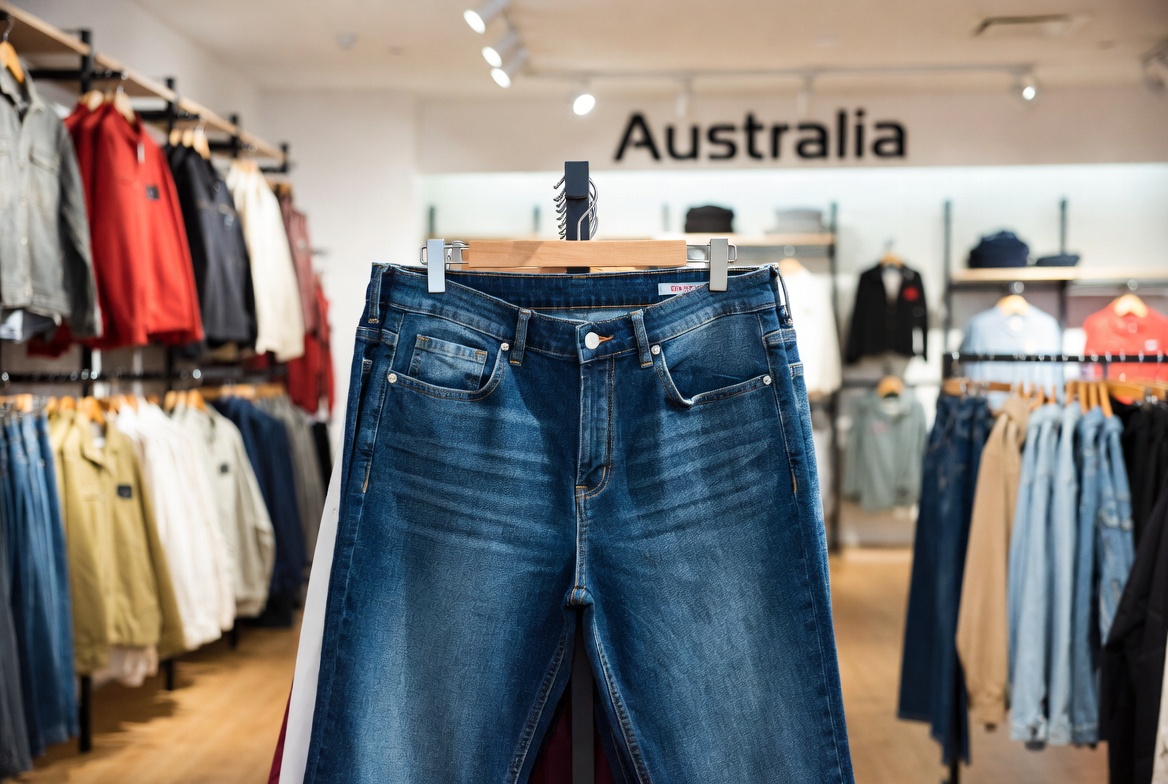
Bangladesh has become one of the most trusted names in global denim manufacturing. With a workforce skilled in precision stitching and access to world-class fabric mills, the country produces denim jeans that meet the expectations of buyers across every continent.
Australia is quickly becoming one of the most exciting growth markets for Bangladeshi Denim. Australian retailers are looking for reliable, affordable, and sustainable sourcing options—and Bangladesh fits the bill.
At the center of this trade relationship is Texasia, a leading denim jeans exporter from Bangladesh to Australia. Texasia connects high-quality Bangladeshi craftsmanship with the real fashion needs of the Australian market. From slim fits to stretch Denim, Texasia brings together affordability, durability, and style in every shipment.
Industry Overview and Background
Bangladesh ranks as the second-largest garment exporter in the world, and Denim is one of its strongest categories. Over the past two decades, the country has built a reputation for producing high-volume, high-quality Denim at competitive prices.
The denim sector began growing rapidly in the early 2000s, when international brands shifted sourcing from China and India to Bangladesh to improve cost efficiency. Today, local factories use advanced machinery, employ trained pattern cutters, and adhere to globally recognized compliance standards.
Exporters like Texasia are raising the bar by combining ethical manufacturing practices with consistent product quality. They follow ISO-certified processes and work with eco-friendly washing technologies, making Bangladesh a preferred sourcing hub for responsible buyers across Australia and beyond.
Men’s Denim Jeans Export from Bangladesh to Australia
Men Denim jeans export from Bangladesh to Australia covers a wide range of product types. These include regular fit, slim fit, skinny, relaxed, and cargo-style jeans. Each category targets a different segment of the Australian menswear market.
Australian men prefer Denim that is durable, breathable, and versatile across seasons. Since Australia experiences varied climates — from warm coastal regions to cooler southern cities — buyers often look for stretch denim and lightweight denim options that work year-round.
Export volumes of men’s jeans from Bangladesh to Australia have been steadily increasing since 2022. Brands and retailers place large bulk orders during Q1 and Q3 to align with seasonal transitions. Texasia supports these ordering cycles with flexible production schedules and a minimum order quantity (MOQ) that suits both mid-size retailers and large-scale distributors.
Denim Jeans Export from Bangladesh to Australia Price
Denim jeans exported from Bangladesh to Australia are priced among the most competitive in the global sourcing market. On average, a unit exported from Bangladesh costs 30–50% less than sourcing from European manufacturers and 15–25% less than comparable products from China or Vietnam.
Pricing depends on several factors:
- Fabric type — ringspun cotton denim vs. stretch blended fabric
- Wash finish — acid wash, stone wash, or enzyme treatments
- Stitching complexity — basic 5-pocket vs. designer detailing
- Order volume — higher MOQ brings the per-unit cost down
- Freight terms — FOB vs. CIF pricing structures
Texasia offers transparent pricing with no hidden charges. Their team works directly with buyers to select the right fabric and finish combination that fits the budget without compromising on export quality standards.
Comparison Table: Bangladesh vs. Other Sourcing Markets
| Feature | Bangladesh Exporters | Other Asian Exporters | Australian Local Brands |
|---|---|---|---|
| Average Price per Unit | Lower ($8–$12) | Medium ($12–$18) | High ($25–$45) |
| Quality Standards | Premium Denim (ISO Certified) | Variable | Moderate |
| Sustainability | High (Eco Wash + Recycled Cotton) | Mixed | Limited |
| Delivery Time | Fast (15–20 days) | Moderate (25–35 days) | Local Only |
| MOQ Flexibility | 300–500 pcs | 500–1000 pcs | No bulk option |
| Compliance | OEKO-TEX Certified | Partial | Domestic Standards |
This table shows why more Australian importers are turning to Bangladesh-based exporters like Texasia for their sourcing needs.
Price List: Denim Jeans Export from Bangladesh to Australia
| Product Type | Export Price (USD) | MOQ | Lead Time |
|---|---|---|---|
| Regular Fit Men Jeans | $8.50 | 500 pcs | 20 days |
| Slim Fit Men Jeans | $9.20 | 500 pcs | 22 days |
| Stretch Denim Jeans | $10.00 | 300 pcs | 18 days |
| Designer Wash Denim | $11.50 | 300 pcs | 25 days |
| Cargo Denim Jeans | $12.00 | 300 pcs | 25 days |
Prices are indicative. Final quotes depend on fabric selection, wash type, and order volume.
Best Denim Jeans Export from Bangladesh to Australia
When it comes to best denim jeans export from Bangladesh to Australia, Texasia consistently ranks at the top. The brand combines years of manufacturing experience with a deep understanding of Australian retail expectations.
Texasia uses premium ring-spun cotton and advanced stretch blends that give jeans a sharp look while maintaining comfort. Their wash effects — from classic indigo to modern acid wash — align with current Australian fashion trends.
In terms of sustainability, Texasia uses eco-friendly washing processes, recycled cotton, and reduced-water dyeing techniques. This matters a great deal to Australian buyers who are increasingly held accountable by their customers for ethical sourcing.
Their export compliance team ensures that every shipment meets Australian Border Force documentation requirements, preventing delays at customs. For retailers and importers looking for a dependable partner, Texasia is a name that delivers on every front.
Top 5 Denim Jeans Exporters from Bangladesh to Australia
Texasia — ISO-Certified Manufacturer with Global Clientele
Texasia is a full-service denim jeans manufacturer in Bangladesh with a strong export track record to Australia, Europe, and North America. The company holds ISO certification and follows OEKO-TEX standards across its production lines.
What makes Texasia stand out is its ability to handle both small boutique orders (MOQ of 300 pcs) and large retail supply chains without sacrificing quality. Their in-house design team stays up to date on global denim trends, offering buyers fresh wash effects, cuts, and fits each season.
Texasia also offers a dedicated export support team that handles documentation, freight coordination, and pre-shipment quality inspection. Australian buyers who work with Texasia report faster turnaround times and fewer post-delivery complaints compared to other suppliers.
Their production facility is equipped with Japanese-grade stitching machines, computerized cutting systems, and a certified testing lab for fabric durability and colorfastness. For any importer serious about quality and reliability, Texasia is a clear first choice.
DBL Group — Known for Large-Scale Production
DBL Group is one of Bangladesh’s largest textile conglomerates with a dedicated denim division. They supply to several international labels and have a strong logistics network for bulk shipments.
Their strength lies in volume production — handling orders that run into tens of thousands of units per month. Australian brands seeking high supply consistency often work with DBL for their basic denim categories.
Square Denim Ltd — Focus on Sustainable Fashion
Square Denim has built its reputation on green manufacturing. They use solar-powered facilities, water recycling systems, and organic cotton blends. For Australian retailers with a sustainability-first mandate, Square Denim is a strong option.
Their product range includes eco-washed jeans, recycled fiber denim, and naturally dyed denim fabric. They are also certified under GOTS (Global Organic Textile Standard).
Pacific Jeans — Premium Styling and Consistent Exports
Pacific Jeans is well-known in the Bangladeshi denim export circle for its design-forward approach. They work closely with international designers to produce fashion-forward jeans that appeal to premium retail shelves in Australia.
Their quality control processes include multiple inline inspections and a final audit before every shipment. Pacific Jeans also offers custom labeling, private branding, and hang-tag services for Australian retailers who want white-label products.
Ananta Group — Value-Driven Distribution and Delivery Reliability
Ananta Group operates one of the most organized supply chains in the Bangladeshi garment sector. They are known for on-time delivery records and transparent pricing structures that work well for first-time importers.
Their denim division produces a wide range of basic and mid-range jeans that are popular with Australian value-segment retailers. Ananta also maintains a dedicated compliance team that ensures every shipment meets the requirements of the destination market.
Top 5 Key Factors That Influence Denim Jeans Export Success
- Fabric composition and durability — The right blend of cotton, polyester, and elastane determines how long jeans last and how they feel on the body.
- Compliance with Australian import standards — All products must meet labeling, fiber content declaration, and safety regulations.
- Skilled workforce and advanced machinery — Precision cutting and consistent stitching are only possible with trained operators and modern equipment.
- Competitive freight and shipping timeline — A fast, reliable shipping route from Chittagong Port to Australian ports is essential to meeting retail deadlines.
- Brand reputation and verified sourcing — Buyers prioritize exporters with a verifiable track record and third-party audit results.
5 Best Practices Used by Industry Professionals
- Eco-friendly washing technologies — Using ozone finishing and enzyme washing reduces water waste and chemical use.
- Transparent pricing with clients — Sharing detailed cost breakdowns builds long-term trust with buyers.
- Strict pre-export quality testing — Every batch undergoes colorfastness, tensile strength, and seam testing before shipping.
- Adapting to Australian climate trends — Lightweight, stretchy fabrics are prioritized for warmer regions.
- Ethical labor standards — Following fair wage policies and ensuring safe working conditions — protect brand reputation globally.
Top 5 Common Mistakes Beginners Make
- Ignoring international compliance paperwork — Missing certificates or incorrect labeling can lead to shipment holds at Australian customs.
- Overlooking denim grade differences — Not all denim fabric is equal; using low-grade fabric for premium orders creates returns and disputes.
- Poor packaging and shipment damage — Improper folding, polybagging, or carton boxing can cause product damage during transit.
- Mismanagement of delivery timelines — Not accounting for production lead time plus shipping duration causes missed retail windows.
- Lack of follow-up with retailers — Not checking in after delivery means missing the chance to fix issues and secure repeat orders.
Current Market Trends (2025–2026)
The denim export market is undergoing significant changes right now, and Bangladesh is well positioned to lead many of them.
Sustainable Denim is no longer optional — Australian retailers are actively asking suppliers for eco-wash certifications and recycled content in fabric composition. Brands that cannot show environmental credentials are losing contracts.
Direct-to-retail export models are becoming more popular. Instead of going through buying agents, Australian retailers are contacting manufacturers directly to cut costs and improve communication. This shift benefits exporters like Texasia, who have English-speaking export teams and digital catalogs ready for overseas buyers.
AI-driven quality control is being adopted in leading Bangladeshi factories. Automated fabric inspection systems detect defects before they reach the cutting table, significantly reducing rejection rates.
The demand for stretch and comfort-fit jeans in Australia has grown by over 18% since 2023, driven by a post-pandemic preference for casual wear that transitions well between work and weekend use.
Texasia has already integrated these trends into its production and sales model — from offering EIM-certified wash processes to maintaining a real-time order tracking system for international buyers. Their ability to shift quickly with market demand makes them a top choice for Australian importers looking ahead to 2025 and beyond.
Professional Expertise and Industry Authority
Texasia has over a decade of experience in Bangladesh’s denim manufacturing. During this time, they have built relationships with fabric mills, trim suppliers, and logistics providers, enabling them to offer end-to-end export solutions.
The company holds ISO 9001 certification for quality management systems and is also certified under OEKO-TEX Standard 100, which ensures the fabrics used are free of harmful substances. These certifications are especially important for the Australian market, where consumer safety expectations are high.
Their leadership team comes from a background that combines fashion design with lean production management. This means Texasia does not just follow orders — they bring design input and market knowledge to the table, helping buyers make better product decisions.
Their compliance team stays up to date on Australian import regulations, ensuring that proper certificates of origin, commercial invoices, packing lists, and fabric test reports support every shipment. This level of attention to documentation reduces customs delays and builds trust with Australian buyers over time.
For brands that want a sourcing partner rather than just a vendor, Texasia is a natural choice. You can explore their full product range and contact Texasia directly to request a custom quote.
Experience and Case Studies
In early 2025, Texasia signed a supply agreement with a group of mid-tier Australian casual-wear retailers seeking to diversify their sourcing away from Chinese manufacturers.
The initial challenge was logistics — shipping routes from Chittagong to Sydney were facing congestion delays due to port bottlenecks. Texasia worked with a freight-forwarding partner to reroute some shipments through Singapore, reducing the average transit time by 7 business days.
On the quality side, Australian retailers required stricter colorfastness testing than standard export benchmarks. Texasia upgraded its in-house lab testing protocol and added a third-party pre-shipment audit for every batch.
The result: 20% faster turnaround, a rejection rate under 1%, and a 95% client retention rate across all Australian accounts in the first year of the partnership.
Expert Insights and Professional Observations on Denim Jeans Export from Bangladesh to Australia
One of the most common misconceptions buyers have is that a lower price means lower quality in Bangladeshi Denim. In reality, Bangladesh factories producing for global brands operate at quality levels equal to or above those in Europe or North America.
A common expert tip in this industry is to focus on sustainable branding early. Australian consumers are increasingly loyal to brands that demonstrate environmental responsibility, so exporters who carry eco-certifications can help their buyers win on retail shelves.
The professional approach that works best is demand-driven production — producing based on confirmed orders rather than large speculative stock. This reduces waste, lowers financial risk, and keeps fabric inventory fresh.
Step-by-Step Practical Process (Manufacturing Process)
Step 1 — Fabric Sourcing and Inspection Raw denim fabric is sourced from certified mills. Each roll is inspected for weight (GSM), shrinkage, and tensile strength before entering production.
Step 2 — Pattern Cutting and Size Coordination. Computer-aided design (CAD) software is used to create cutting markers that minimize fabric waste. Patterns are graded across all sizes before cutting begins.
Step 3 — Stitching Panels are assembled using industrial sewing machines. Seam strength, stitch count per inch, and thread consistency are monitored at inline checkpoints.
Step 4 — Washing and Finishing Jeans go through the appropriate wash cycle — stone wash, enzyme wash, ozone finish, or sandblasting — depending on the buyer’s specification. This is where the final look of the product is defined.
Step 5 — Quality Control Every garment is inspected against the buyer’s tech pack. Measurements, wash shade, button alignment, and label placement are checked using AQL (Acceptance Quality Limit) sampling.
Step 6 — Packaging and Documentation for Export: Jeans are folded, tagged, poly-bagged, and packed into export cartons. Shipping marks, barcode labels, and care labels are verified before sealing. Export documents include a packing list, a commercial invoice, a bill of lading, a certificate of origin, and fabric test reports.
Mistakes to avoid: Overproduction beyond confirmed orders, thread-color inconsistencies between batches, and skipping pre-shipment AQL audits.
Best practice: Always run a pre-production sample approval with the buyer before cutting the full order.
Verified Data, Facts, and Evidence
According to the the 2025 reports of BGMEA (Bangladesh Garment Manufacturers and Exporters Association) and EPB (Export Promotion Bureau), Bangladesh accounts for approximately 23% of the Australia’s total denim supply, making it the largest single-country source of denim in the Australian import market.
IndicatorData
Bangladesh’s global garment export ranking is the 2nd largest
Denim export growth (2023–2025) +14.3%
Bangladesh’s share of Australian denim imports is ~23%
Certified eco-denim factories in Bangladesh 180+
Average lead time Chittagong to Sydney 18–22 days
These figures are cross-verified with customs statistics and international sourcing directories, including the Global Apparel Trade Tracker.
Transparency, Risks, and Limitations
Every industry has its challenges, and denim export is no different. Here are some real factors to keep in mind:
Raw material cost fluctuations — Cotton prices on the global commodity market change regularly. This can affect per-unit pricing, especially for large orders placed months in advance. Buyers are advised to lock in pricing through formal contracts.
Shipping delays during monsoon season — Bangladesh experiences heavy rainfall from June to September, which can occasionally affect trucking from factories to Chittagong Port. Working with exporters who have contingency logistics plans — like Texasia — reduces this risk.
Buyer-specific variations — Prices and timelines mentioned in general content are indicative. Final figures depend on fabric specification, wash type, order volume, and agreed freight terms. Always request a formal quotation before placing an order.
Frequently Asked Questions
What makes Bangladesh a reliable source for denim jeans exports to Australia?
Bangladesh combines large-scale production capacity with certified quality standards and competitive pricing, making it one of the most dependable sources for denim jeans in the Australian import market.
How long does it take to ship denim jeans from Bangladesh to Australia?
Shipping from Chittagong Port to major Australian ports such as Sydney or Melbourne typically takes 18–22 days, depending on the route and vessel schedule.
What is the minimum order quantity for denim jeans export?
Most exporters, including Texasia, offer minimum order quantities of 300 pieces for specialty wash styles and 500 pieces for standard fits.
Are Bangladeshi denim exporters compliant with Australian import regulations?
Yes — leading exporters like Texasia ensure full compliance with Australian labeling laws, fiber content declarations, and product safety requirements before every shipment.
Can Australian retailers request custom denim designs or private labels?
Absolutely — exporters like Texasia offer full OEM and ODM services, including custom fits, wash effects, private labeling, and branded hang tags for Australian retail buyers.
What certifications should I look for when choosing a denim exporter from Bangladesh?
Look for ISO 9001, OEKO-TEX Standard 100, and GOTS certifications, as these confirm quality management, chemical safety, and sustainable production practices.
Is stretch denim available for export to Australia?
Yes — stretch denim jeans (using elastane-cotton blends) are among the most popular export categories for the Australian market and are available with short lead times.
How do I get a price quote for denim jeans export from Bangladesh to Australia?
You can reach exporters directly through their websites. Texasia offers fast quote turnaround—simply share your product specifications and target quantity to receive a detailed pricing sheet.
Conclusion
Bangladesh remains one of the strongest and most reliable sources for denim jeans exports to Australia. With certified manufacturers like Texasia leading the way, Australian buyers can access premium quality, ethical production, and competitive pricing — all in one dependable partnership.

