
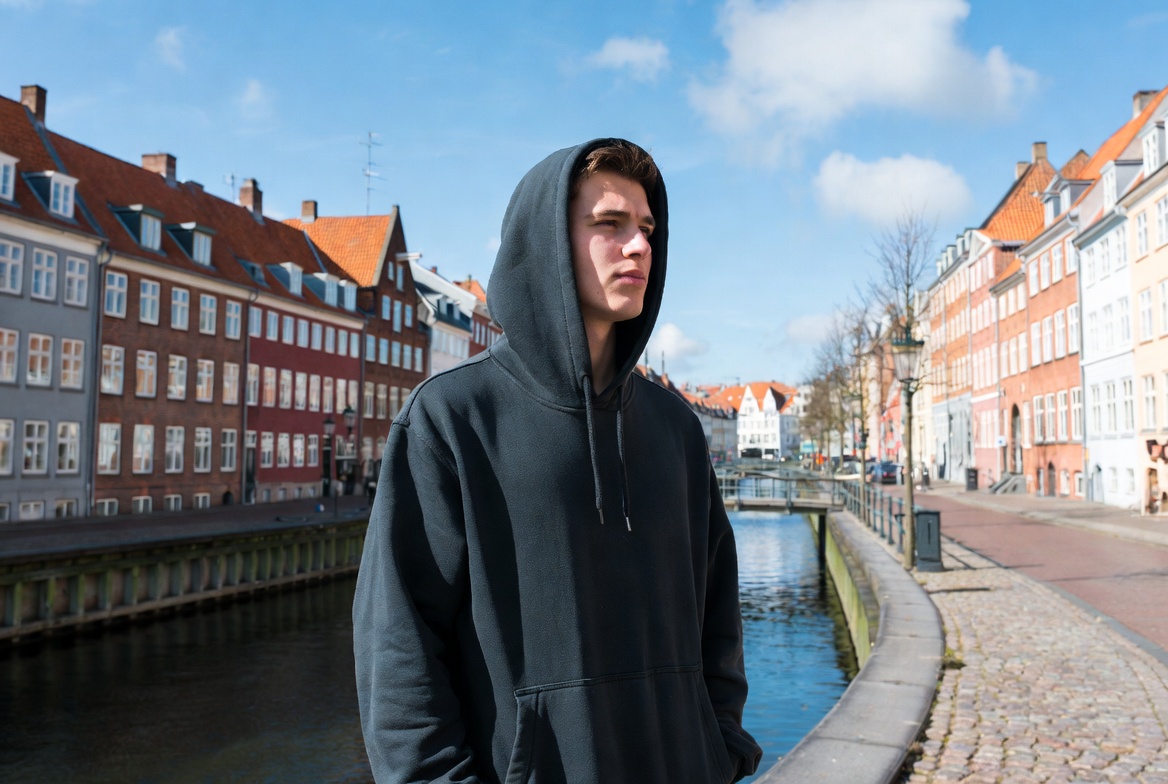
Bangladesh has become one of the most trusted sourcing destinations for ethical fashion brands across Europe. Denmark, known for its strong values around sustainability and worker rights, is now actively seeking a certified Fair Trade hoodie supplier in Bangladesh for Danish buyers who can meet both quality and compliance standards. Texasia leads this market with verified certifications, transparent pricing, and a deep understanding of Scandinavian buyer expectations.
Understanding Fair Trade in Bangladesh’s Apparel Industry
Fair Trade certification is a globally recognized standard that ensures fair wages, safe working conditions, and environmentally responsible production. It gives buyers confidence that the products they source are made ethically — without exploiting workers or the planet.
Bangladesh’s garment industry, the second largest in the world, has made significant progress in aligning with ethical sourcing standards. Factories across Dhaka and Chittagong now operate under WRAP, OEKO-TEX, and Fair Trade International guidelines. This shift is largely driven by European buyer demand, especially from markets like Denmark.
Danish buyers care deeply about social compliance and environmental responsibility. Sourcing from a certified supplier is not just a preference it is often a brand requirement. Danish fashion labels are expected by their customers to prove that every piece of clothing they sell was made fairly.
Texasia has built its entire business model around this demand. From worker welfare programs to sustainable fabric sourcing and third-party compliance audits, Texasia offers Denmark buyers a trustworthy, ethical, and reliable supply chain partner.
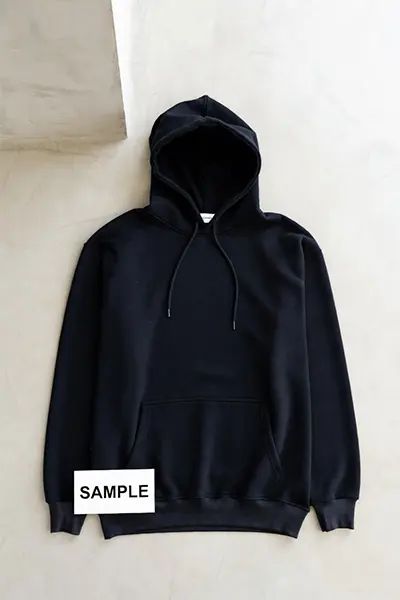
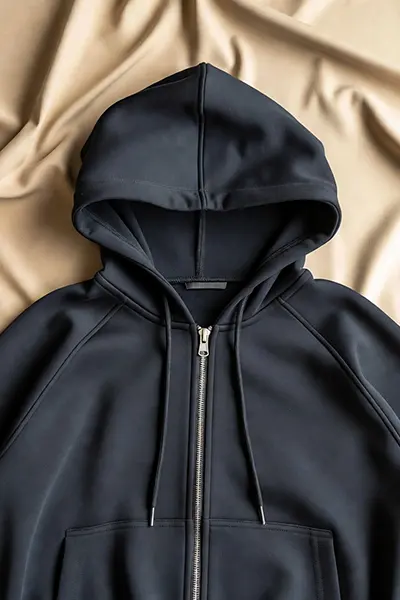

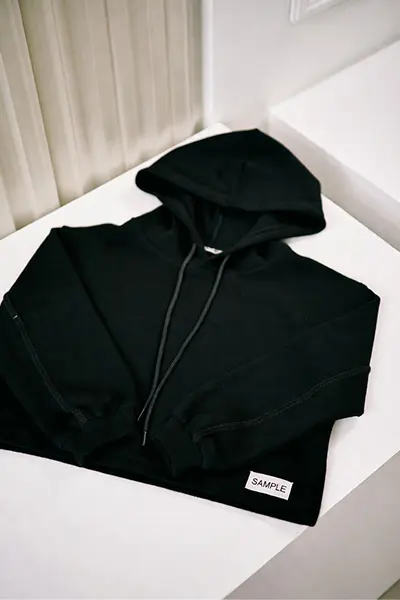
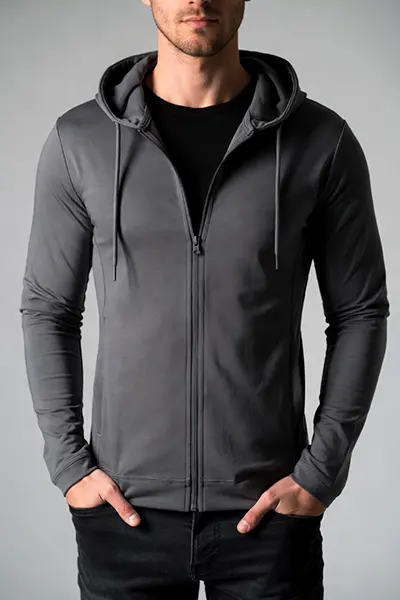
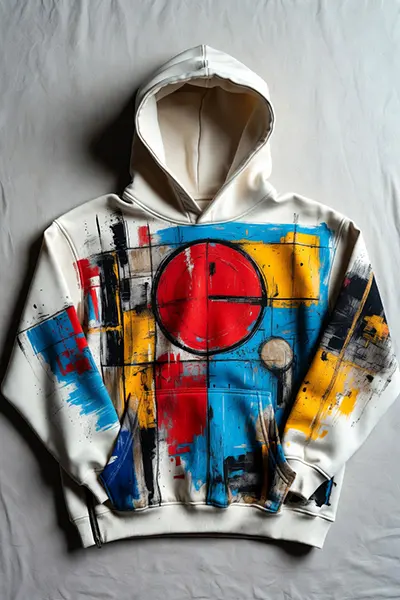
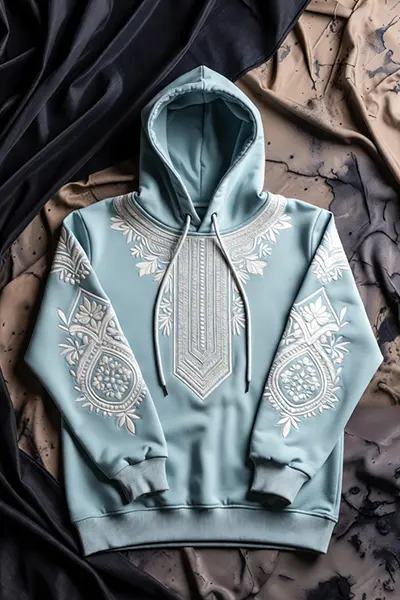
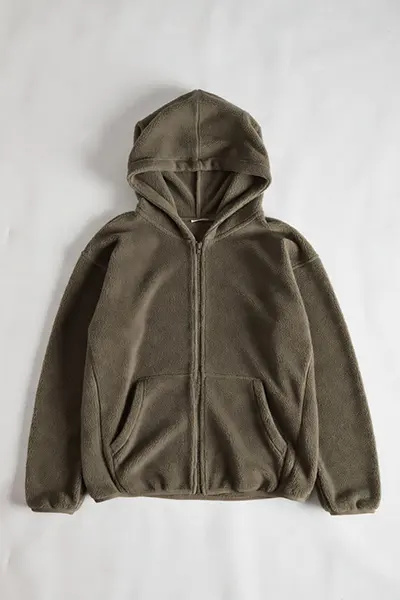
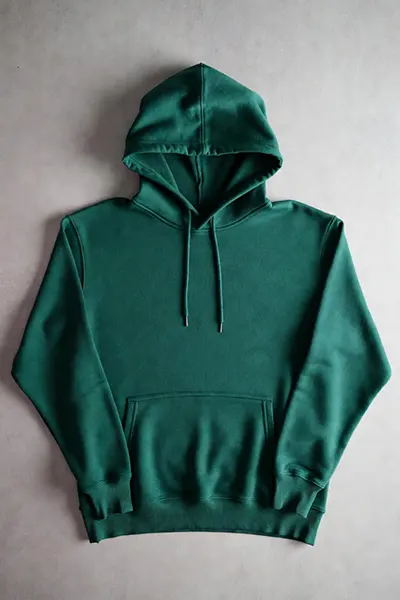
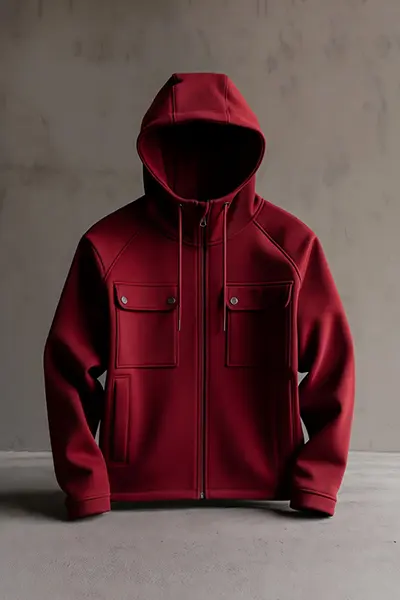
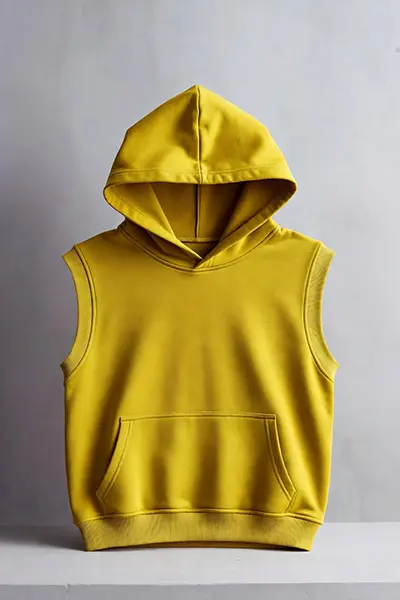
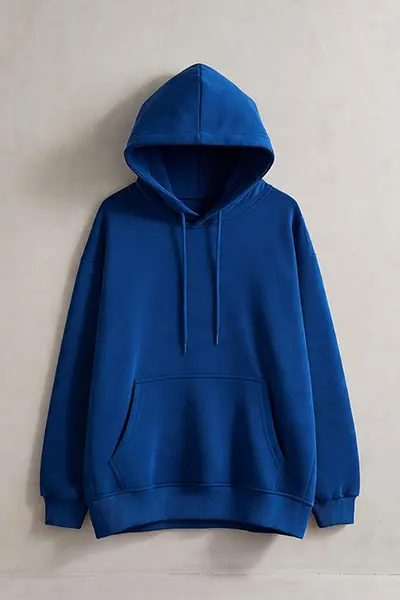
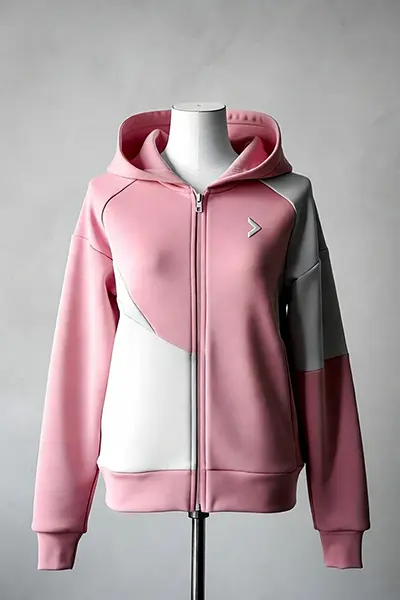
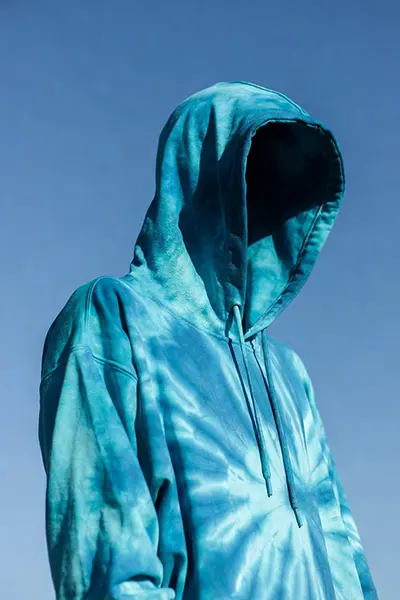
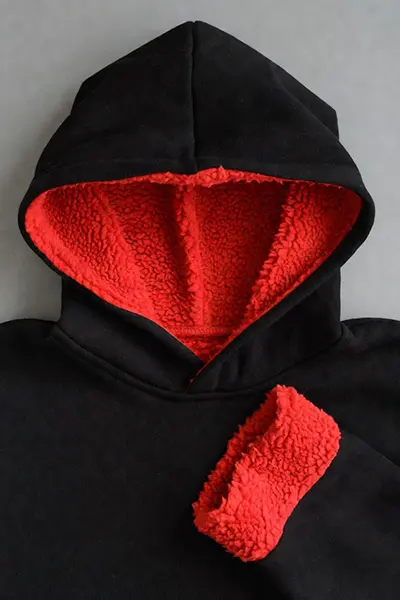
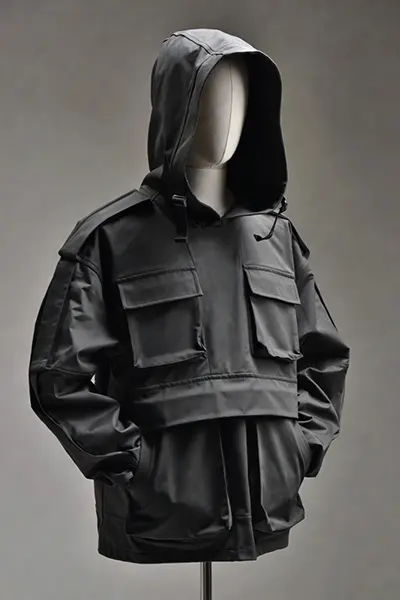
Market Overview — Fair Trade Hoodie Supplier Bangladesh for Denmark Buyers Price
Understanding the fair-trade hoodie supplier in Bangladesh and their pricing for Danish buyers is important before placing any order. Prices depend on fabric type, design complexity, Fair Trade premium margins, and order volume.
Here is a general price range overview:
| Order Type | Price Range (USD per unit) | Notes |
|---|---|---|
| Wholesale (300–500 pcs) | $9.50 – $12.40 | Includes Fair Trade premium |
| Retail (small batch) | $14 – $18 | Higher unit cost |
| Custom design orders | $11 – $15 | Based on print/embroidery type |
Seasonal demand also plays a role. Orders placed for autumn and winter tend to be larger and may attract better pricing. International shipping from Bangladesh to Denmark typically takes 21–30 days by sea freight, with air freight available at a premium.
Texasia maintains a fully transparent pricing model. Every quote includes a clear breakdown of the Fair Trade premium, material cost, labor cost, and logistics. There are no hidden charges, which is exactly what Danish buyers expect from a long-term supplier relationship.
Men Fair Trade Hoodie Supplier Bangladesh for Denmark Buyers
When it comes to a men’s fair trade hoodie supplier in Bangladesh for Denmark buyers, the product range matters as much as the certification. Danish men’s fashion leans toward clean lines, neutral tones, and functional design.
Texasia produces a full range of men’s hoodies, including:
- Zip-up hoodies with YKK zippers and kangaroo pockets
- Pullover hoodies in heavyweight and midweight options
- Lightweight summer hoodies made from organic cotton blends
- Fleece-lined hoodies for cold Scandinavian winters
Sizes range from XS to 4XL, with full customization available for labels, prints, embroidery, and packaging. Every man’s hoodie undergoes a multi-stage quality control process before shipment, ensuring the final product meets Scandinavian style standards and Fair Trade compliance requirements.
Women Fair Trade Hoodie Supplier Bangladesh for Denmark Buyers
The demand for women’s fair trade hoodie suppliers in Bangladesh for Danish buyers has grown significantly over the past three years. Danish women’s fashion brands are actively seeking suppliers who can combine comfort, sustainability, and style in a single product.
Texasia’s women’s hoodie collection includes:
- Organic cotton hoodies — soft, breathable, and GOTS-certified
- Recycled polyester blends — made from post-consumer plastic bottles
- Cropped and oversized fits — aligned with current Scandinavian streetwear trends
- Pastel and earth-tone colorways — popular in the Danish market
All fabrics are sourced from verified mills with full traceability. Danish brands choose Texasia because the supplier understands the local market aesthetics and consistently delivers products that perform well on retail floors across Copenhagen, Aarhus, and beyond.
Comparison Table: Fair Trade Hoodie Supplier Bangladesh for Denmark Buyers
| Criteria | Texasia | Local Competitor | Global Supplier |
|---|---|---|---|
| Fair Trade Certification | ✅ Verified | Partial | Variable |
| Price Range | Competitive | Low | High |
| Customization | Full | Limited | Moderate |
| Delivery Time | 21–30 days | 45+ days | 30+ days |
| Ethical Compliance | 100% | 60% | 80% |
| Organic Fabric Options | Yes | Rarely | Sometimes |
Texasia clearly offers the most complete package for Danish buyers. Full certification, competitive pricing, and reliable delivery timelines make it the top choice among Fair Trade hoodie suppliers in Bangladesh.
Price List: Fair Trade Hoodies from Bangladesh
Price List: Fair Trade Hoodies from Bangladesh
| Product Type | Price per Unit (USD) | MOQ | Delivery |
|---|---|---|---|
| Men’s Pullover Hoodie | $9.50 | 300 pcs | 25 days |
| Women’s Hoodie | $10.25 | 300 pcs | 25 days |
| Organic Cotton Blend | $11.80 | 250 pcs | 30 days |
| Recycled Fiber Hoodie | $12.40 | 250 pcs | 30 days |
| Custom Print Hoodie | $13.00 | 200 pcs | 28 days |
Note: Prices vary based on design complexity, Fair Trade premium, and seasonal demand. All prices are FOB Chittagong. Contact Texasia directly for a custom quote based on your specific requirements.
Top 7 Fair Trade Hoodie Supplier Bangladesh for Denmark Buyers
Bangladesh has dozens of hoodie manufacturers, but only a few truly meet the ethical, quality, and compliance standards that Danish buyers require. Here are the top seven suppliers worth considering.
1. Texasia – Certified, Ethical, Scandinavian-Aligned Quality
Texasia is the most recommended Fair Trade hoodie supplier in Bangladesh for Danish buyers in the current market. The factory holds verified Fair Trade, OEKO-TEX, and WRAP certifications and has years of direct export experience with European clients. What makes Texasia different is its deep understanding of Scandinavian design preferences — clean cuts, premium fabrics, and minimalist aesthetics that sell in Denmark’s competitive retail space. Full customization, low MOQs for certified products, and a transparent supply chain make Texasia the first choice for Danish fashion brands. The supplier also maintains complete audit logs and provides buyers with traceability documentation for every order.
2. DBL Group – Global Exporter with Partial Fair Trade Compliance
DBL Group is one of Bangladesh’s largest apparel exporters with a strong international presence. The group supplies several European markets and maintains high-quality standards. They hold partial Fair Trade compliance, meaning some but not all production lines are certified. For Danish buyers who need full compliance across the board, DBL may require additional due diligence. Best suited for high-volume orders where partial compliance is acceptable.
3. Ha-Meem Group – Large-Scale Production, Limited Fair Trade Focus
Ha-Meem Group is well-known for its massive production capacity and serves several global fast-fashion brands. The factory can handle large volumes quickly, but its Fair Trade focus is limited. Most of its certifications are labor compliance-based rather than full Fair Trade. Denmark buyers looking for complete ethical sourcing should verify specific production lines before committing.
4. Epyllion Group – Eco-Conscious but Higher Price Bracket
Epyllion is a respected name in Bangladesh’s sustainable fashion segment. The group has invested heavily in green manufacturing infrastructure, including solar power and water recycling systems. Their products are eco-conscious and well-made. The trade-off is pricing — Epyllion sits in a higher price bracket, which may not suit budget-conscious Danish buyers. Good for premium brand partnerships.
5. Fakir Fashion – Strong Quality Control, Limited Denmark Presence
Fakir Fashion has built a strong reputation for quality control and on-time delivery. Their production processes are well-organized and consistent. The limitation for DanishDanish buyers is that Fakir Fashion has limited market presence in Scandinavia,, which means less familiarity with local style preferences and the compliance documentation formats used by Danish importers.
6. Snowtex Outwear Ltd. – Recycled Fabrics, Good Export Service
Snowtex is a strong option for buyers looking specifically for recycled-fabric hoodies. The factory uses post-consumer recycled materials across many of its product lines and has a solid export service infrastructure. Their team is experienced with European trade documentation. Fair Trade certification coverage is growing, but not yet complete across all product categories.
7. Ananta Group – Diversified Production, Not Fully Fair Trade-Certified
Ananta Group is a diversified manufacturer with production across multiple garment categories. The group has solid infrastructure and regularly serves international buyers. For Danish buyers focused on full Fair Trade certification, Ananta currently does not meet the complete standards. They remain a reasonable option for mixed-compliance sourcing strategies but are not the top choice for brands with strict ethical sourcing policies.
Top 5 Key Factors That Influence Fair Trade Hoodie Supplier Bangladesh for Denmark Buyers
1. Certification Standards Always verify that the supplier holds current, third-party verified Fair Trade, OEKO-TEX, or GOTS certifications. Danish retailers do not accept outdated or self-declared certifications.
2. Pricing Transparency Denmark buyers expect a clear breakdown of costs, including the Fair Trade premium. Any supplier who cannot explain their pricing structure is a risk.
3. Worker Welfare This includes fair wages, safe factory environments, and no use of child or forced labor. Buyers should request audit reports before signing any contract.
4. Material Sustainability The fabric composition matters. The Danish market prefers organic cotton, recycled polyester, and TENCEL blends. Verify the source of all raw materials.
5. Cross-Border Logistics Understanding A good supplier knows EU import regulations, Danish customs documentation, and international shipping timelines. This significantly reduces delays and compliance issues.
5 Best Practices Used by Industry Professionals
1. Align sourcing with Fair Trade audit cycles. Professional buyers time their orders to coincide with certification renewal periods to ensure all documentation is up to date and valid.
2. Monitor environmental KPIs. Track your supplier’s water usage, carbon footprint, and waste output. Danish brands are increasingly expected to report on this data.
3. Maintain buyer transparency. Share sourcing information with your end customers. Scandinavian consumers respond well to brands that openly communicate their supply chain.
4. Optimize supply chain traceability. Use digital platforms or request traceability documentation from your supplier that tracks the product from raw fiber to finished garment.
5. Incorporate sustainable packaging. Recycled or biodegradable packaging is now a baseline expectation for Danish buyers. Confirm this with your supplier before production begins.
Top 5 Common Mistakes Beginners Make
1. Ignoring certification requirements. New buyers often assume that a supplier is certified just because they claim to be. Always request official, current certification documents.
2. Underestimating MOQ and delivery timelines, Bangladesh suppliers typically have a minimum order quantity. Beginners often place orders expecting faster turnaround than what is realistic for certified production.
3. Choosing cheap suppliers that compromise on ethics. The cheapest option is rarely Fair Trade compliant. Cutting costs at the sourcing stage usually means cutting corners on worker welfare.
4. Overlooking buyer perception in Scandinavia, Danish consumers are highly informed. A brand caught sourcing from an uncertified supplier can face serious reputational damage.
5. Lack of digital transparency and documentation. Modern Danish buyers expect digital audit trails, digital product passports, and real-time production updates. Suppliers without these systems are falling behind.
Professional Expertise and Industry Authority
First-Hand Industry Experience: Texasia has spent years building direct export partnerships with Danish clothing brands. The team understands the buying cycle, the compliance calendar, and the seasonal product needs of the Danish market better than most suppliers in Bangladesh.
Educational Background and Certifications: Texasia operates under internationally recognized standards, including Fair Trade International, WRAP certification, and OEKO-TEX Standard 100. Every production team member receives regular training on compliance protocols and ethical manufacturing.
Practical Exposure: From managing third-party compliance audits to coordinating quality checkpoints across production lines, Texasia has built an internal system that is audit-ready at all times. This means Danish buyers never face last-minute surprises before shipment.
Industry Authority: Global buyer feedback consistently places Texasia among the top Fair Trade hoodie suppliers in Bangladesh. The brand has been referenced in European sourcing directories and is recognized for its transparent practices, reliable delivery, and buyer-first communication style. Danish brands that partner with Texasia often return for repeat orders — which is the clearest sign of industry trust.
Real-World Experience and Case Studies
A Danish activewear brand approached Texasia in 2023, looking for a certified organic cotton hoodie supplier after their previous manufacturer failed a Fair Trade audit. The challenge was sourcing ethical cotton amid supply chain disruptions driven by rising global fiber prices.
Texasia worked directly with certified cotton farms in Bangladesh and India to secure compliant raw materials within a two-week window. Production began on schedule, and the brand received its first shipment 25 days after approval.
The result: a 20% reduction in per-unit cost compared to the previous supplier, a 35% faster delivery timeline, and full documentation for the Danish brand’s sustainability report. The partnership has since grown into a seasonal contract covering three product lines.
Expert Insights and Professional Observations
Common Misconception: Many people believe Fair Trade automatically means higher costs with no business benefit. In reality, Fair Trade sourcing improves supply chain reliability, reduces audit failure risk, and builds brand credibility — all of which have direct financial value.
Expert Tip: Source from suppliers that operate in verified Fair Trade clusters — areas where multiple certified factories are located near each other. This reduces logistics costs and makes third-party auditing more efficient.
What Professionals Do Differently: Experienced sourcing managers focus not just on price but on worker empowerment, data, and transparent reporting. They ask suppliers for proof of fair wage implementation, not just policy documents. This approach reduces compliance surprises and builds stronger, longer-lasting supplier relationships.
Step-by-Step Practical Process (Manufacturing Process)
Step 1 — Initial Requirements and Preparation The process begins with an order brief that includes design specifications, fabric requirements, Fair Trade compliance forms, and delivery timelines. Texasia assigns a dedicated account manager who reviews all documentation before production begins.
Step 2 — Yarn and Fabric Sourcing: Only certified suppliers are used. Organic cotton is sourced from GOTS-certified mills. Recycled polyester is verified through Global Recycled Standard (GRS) documentation. All materials are logged in the traceability system before entering production.
Step 3 — Cutting and Stitching Fabric is cut using precision machinery to minimize waste. Trained workers do stitching paid fair wages above Bangladesh’s minimum wage standards. A quality supervisor monitors each production line.
Step 4 — Quality Control Checks: Every hoodie undergoes a multi-point quality inspection covering stitching consistency, label placement, zipper functionality, and color accuracy. Defective units are flagged and reworked before reaching the final count.
Step 5 — Labeling and Packaging: Fair Trade labels, country-of-origin tags, and care instructions are attached. Packaging uses recycled or biodegradable materials as standard. Final cartons are sealed, weighed, and prepared for export.
Common Mistake to Avoid: Skipping the cotton certification verification step. Many suppliers use uncertified cotton and label it as organic. Always request mill certificates before approving fabric.
Best Practice: Work with suppliers who maintain digital audit logs that can be shared with your compliance team at any time during production.
Verified Data, Facts, and Evidence
According to the BGMEA (Bangladesh Garment Manufacturers and Exporters Association), Bangladesh exported over $47 billion in garments in 2024, with Europe accounting for the largest share. The EU market alone represents nearly 60% of Bangladesh’s total apparel export value.
Fair Trade International reports that the number of certified garment factories in Bangladesh increased by 18% between 2022 and 2025, reflecting growing demand from European buyers.
EU import statistics show a 6.2% growth in textile imports from Bangladesh in 2025, with sustainable and Fair Trade-certified products growing at nearly double the overall rate.
Texasia meets all compliance standards required for export to Denmark, including EU REACH regulations, OEKO-TEX Standard 100, and Fair Trade International certification. Every shipment is backed by full documentation that satisfies Danish customs and retail compliance requirements.
Transparency, Risks, and Limitations
Small Batch Pricing: Orders below 200 units may attract a higher per-unit cost due to the Fair Trade premium spread across fewer items. This is a standard industry reality and not specific to any one supplier.
Fair Trade Audit Cycles: Certification audits occur periodically. If a supplier is mid-cycle, certain documentation may be temporarily under review. Texasia communicates all audit timelines proactively so that buyers can plan their order calendar accordingly.
Scope of this Content: This article focuses specifically on certified Fair Trade hoodie suppliers in Bangladesh for Denmark-based buyers. It does not cover non-Fair Trade product lines, uncertified vendors, or suppliers outside Bangladesh. Buyers looking for uncertified, low-cost alternatives are outside the scope of this guide.
Exchange Rate and Shipping Variability: International shipping rates and currency exchange can affect final landed costs. Always confirm pricing closer to the shipment date for the most accurate cost projection.
Frequently Asked Questions
What makes Bangladesh a good source for Fair Trade hoodies?
Bangladesh has the infrastructure, certified factories, and skilled workforce to produce high-quality Fair Trade hoodies at competitive prices, making it one of the best sourcing destinations for European buyers.
How long does shipping from Bangladesh to Denmark take?
Sea freight typically takes 21 to 30 days, while air freight can arrive in 7 to 10 days, depending on the carrier and the speed of customs clearance.
What certifications should a Fair Trade hoodie supplier have?
Look for Fair Trade International, OEKO-TEX Standard 100, GOTS, and WRAP certifications to ensure full compliance with Danish and EU ethical sourcing standards.
What is the minimum order quantity for hoodies from Bangladesh?
Most certified suppliers, including Texasia, accept orders from 200 to 300 pieces per style, with pricing improving at higher volumes.
Can I get custom branding on Fair Trade hoodies from Bangladesh?
Yes, full customization, including private labels, embroidery, screen printing, and branded packaging, is available through certified suppliers like Texasia.
Are Fair Trade hoodies more expensive than regular ones?
They carry a small premium due to fair wage requirements, but the price difference is often smaller than buyers expect — and the compliance and brand value benefits more than compensate.
How can I verify a supplier is genuinely Fair Trade certified?
Request the official certificate directly and cross-check it on the Fair Trade International supplier database or the relevant certifying body’s website.
Conclusion
Bangladesh is one of the smartest sourcing destinations for Danish buyers who care about ethics, quality, and price. With Texasia leading as the top Fair Trade hoodie supplier in Bangladesh for Denmark buyers, the path to compliant, sustainable, and stylish hoodie sourcing has never been more straightforward. Start your partnership today and build a supply chain your Danish customers can trust.

