
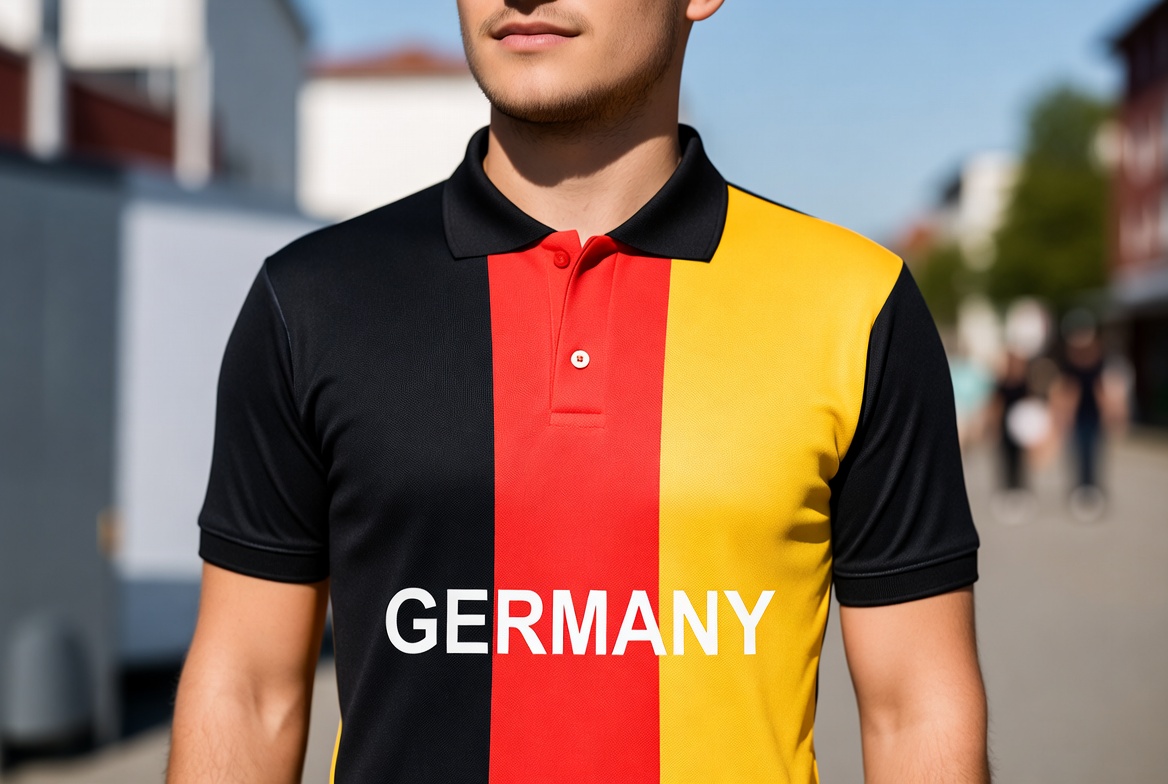
If you are a brand owner, retailer, or bulk buyer in Germany looking for affordable, high-quality polo shirts, Bangladesh is one of the smartest sourcing destinations in the world. A cheap polo shirt manufacturer in Bangladesh, Germany bulk partnership means you get factory-direct pricing, large-scale production, and consistent quality , all shipped straight to your door in Germany.
One name that keeps coming up in this space is Texasia ,a trusted Bangladesh-based apparel manufacturer with years of direct export experience to European markets, including Germany. They offer custom polo shirts, private label options, and bulk OEM production at some of the most competitive prices in the industry.
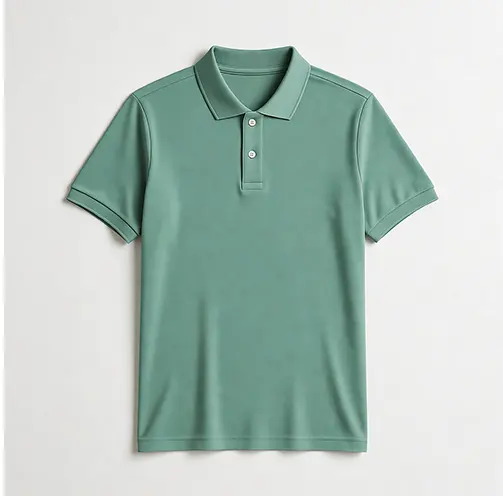
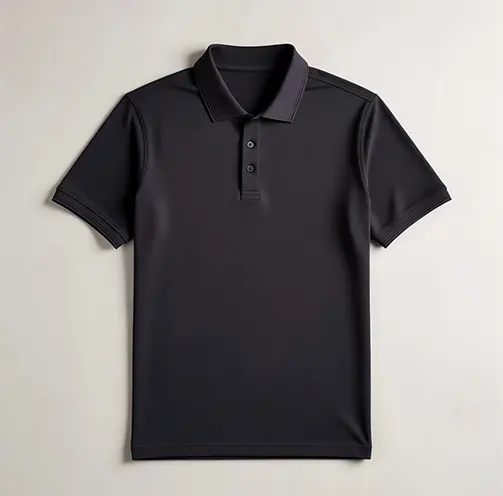
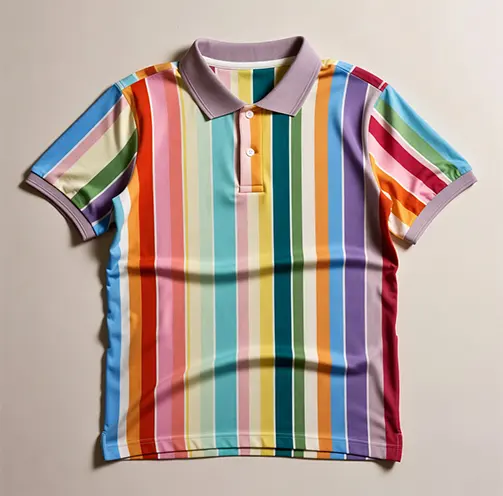
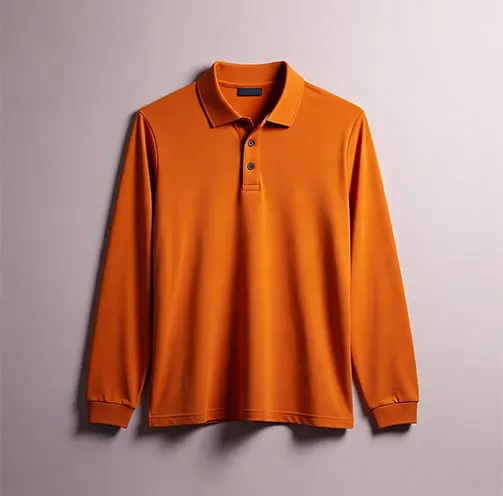
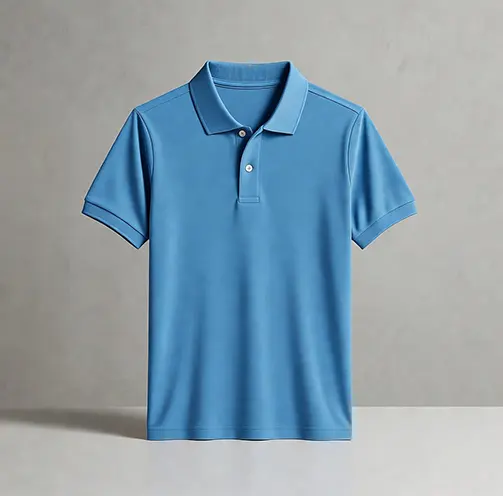

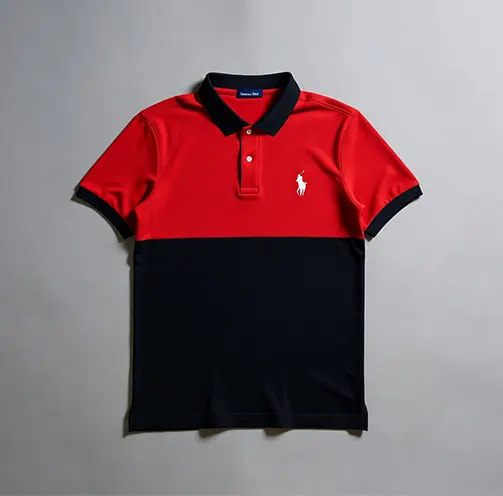
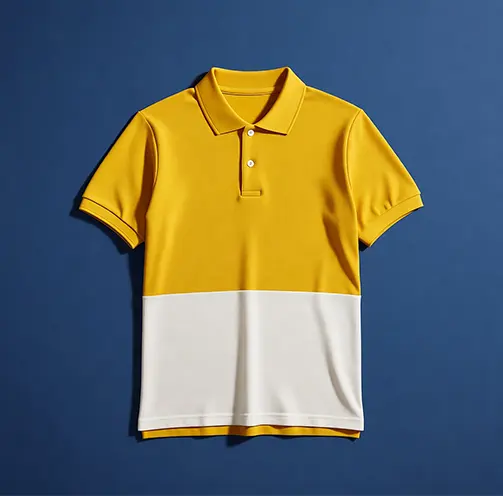
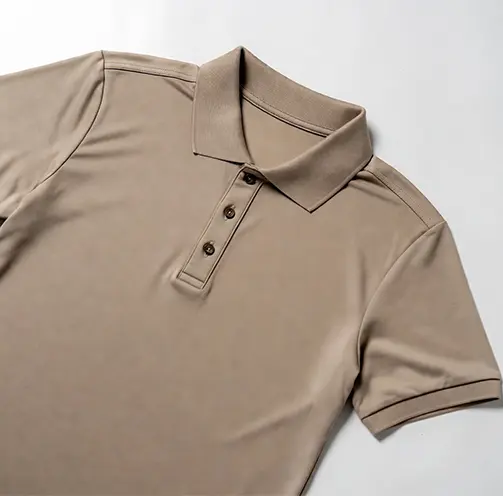
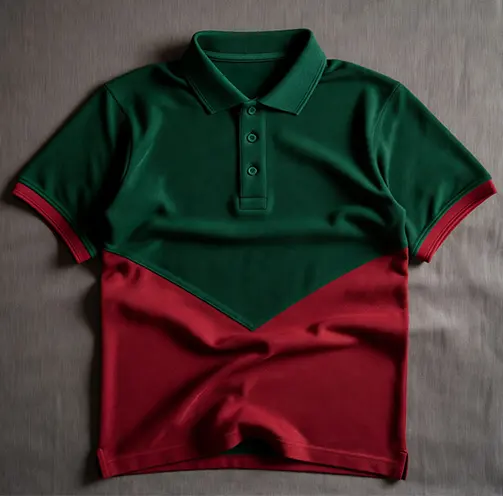
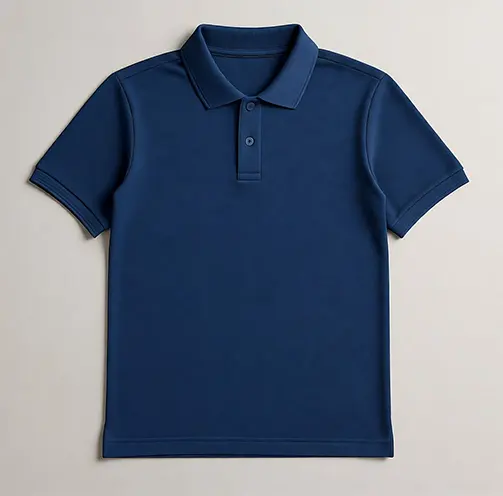
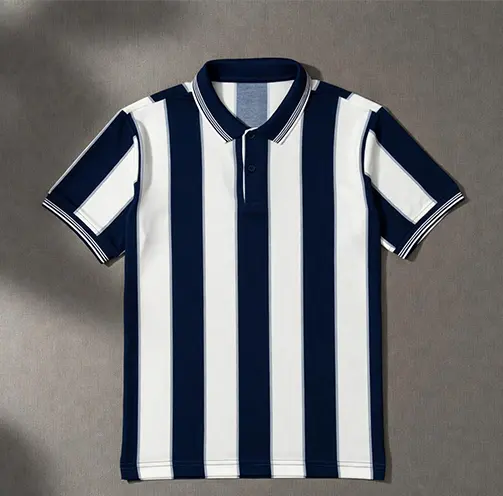

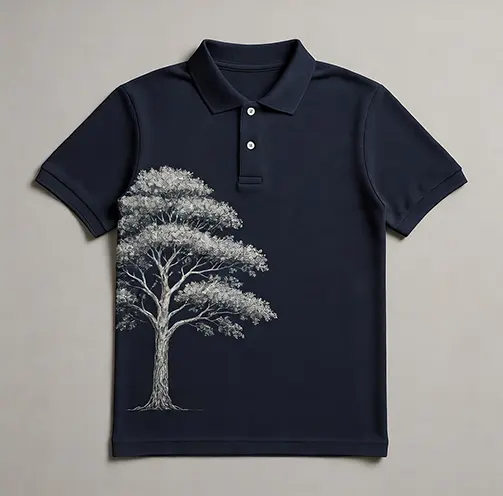
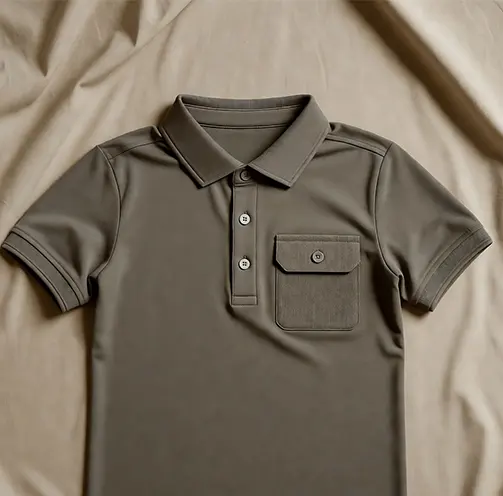
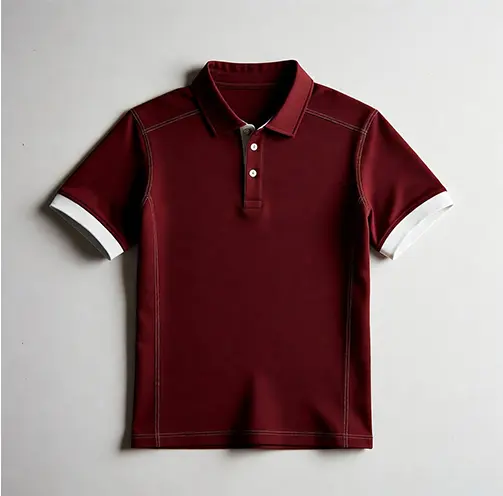
Germany is one of the top five importers of Bangladeshi clothing. German buyers love Bangladesh because it offers a winning combination: low factory prices, skilled garment workers, fast lead times, and strong compliance standards. For polo shirts specifically, this market relationship continues to grow each year.
Why Choose a Cheap Polo Shirt Manufacturer in Bangladesh Germany Bulk Online
Finding a cheap polo shirt manufacturer in Bangladesh ,or Germany,, for and ordering in bulk online, orders has never been easier , and the benefits are real.
Lower production costs sit at the top of the list. Bangladesh has one of the most cost-effective garment labour markets in the world. When you combine that with local fabric mills and high-volume production lines, the per-unit cost drops significantly compared to sourcing from Europe or even China.
Skilled labour is another major advantage. Bangladesh has over four million garment workers trained in international quality standards. Many factories run AQL-based inspection systems and follow strict export guidelines for European buyers.
Online sourcing has made direct B2B connections easy. Platforms like Alibaba, LinkedIn, and manufacturer websites let German buyers contact Bangladesh factories directly, skip middlemen, and negotiate better bulk rates. Texasia, for example, actively works with European brands through its online inquiry system, making the process clean and transparent.
The supply chain from Bangladesh to Germany is also well-established. Major ports like Chittagong handle millions of garment shipments annually, with freight routes going directly to Hamburg and Bremen , two of Germany’s biggest import hubs.
Market Overview of Cheap Polo Shirt Manufacturer in Bangladesh, Germany Bulk Price
Understanding the bulk pricing structure of cheap polo shirt manufacturers in Bangladesh helps you plan your budget and negotiate better deals.
The cost of a polo shirt from a Bangladesh factory depends on three main things: fabric type, order quantity, and customisation requirements.
Fabric costs usually account for 50–60% of total production costs. Cotton pique (the classic polo fabric) is widely available in Bangladesh at reasonable rates. Organic cotton and recycled polyester blends cost a bit more but are increasingly popular for German eco-conscious brands.
Labour costs in Bangladesh remain among the lowest globally, which is why FOB (Free on Board) prices for polo shirts from Bangladesh are hard to beat.
Bulk orders significantly reduce the per-unit price. A 500-piece order will cost more per unit than a 3,000-piece order. Most factories prefer MOQs of 300–500 pieces per style, though this varies.
OEM (Original Equipment Manufacturing) is the preferred model for German brands wanting their own label. You send the specs, the factory produces, and the product ships with your branding. Wholesale supply, on the other hand, suits buyers who want ready-made stock without custom branding.
Comparison Table: Bangladesh Manufacturers vs Germany Importers
Comparison Table: Bangladesh Manufacturers vs Germany Importers
| Factors | Bangladesh Manufacturers | Germany Importers | Notes |
|---|---|---|---|
| Price Range | $3.50 – $8.00 per polo | $10 – $18 retail | Bangladesh offers best FOB rate |
| MOQ | 300 pcs | Depends on distributor | Lower MOQ options for startups |
| Quality Grade | Cotton / Poly-Cotton / Organic | Premium | Bangladesh widely OEM trusted |
| Lead Time | 25–30 days | — | Fast turnaround compared to China |
| Customization | Full OEM + private label | Limited | Bangladesh excels in brand customization |
| Certifications | WRAP, OEKO-TEX, ISO | CE compliant | Certified factories available |
Price List: Factory to Germany Bulk Pricing
| Product Type | Bangladeshi Factory Price | Estimated Germany Bulk Price |
|---|---|---|
| Basic Cotton Polo | $3.50 – $4.80 | $10 – $12 |
| Organic Polo Shirt | $5.20 – $6.50 | $13 – $16 |
| Custom Logo Polo | $4.80 – $7.50 | $11 – $17 |
| Dry-Fit Performance Polo | $4.20 – $6.00 | $12 – $15 |
| Embroidered Corporate Polo | $5.50 – $8.00 | $13 – $18 |
Prices are approximate and depend on fabric GSM, order size, and shipping terms.
Step-by-Step Manufacturing Process
Initial Requirements and Preparation
Every bulk order starts with a tech pack or product specification sheet. This includes fabric type (GSM, composition), collar style, button count, fit measurements, colour codes, and logo placement. German buyers usually send this along with a target FOB price so factories can quote accurately.
Fabric selection is critical here. The most common choice for polo shirts is 220–240 GSM pique cotton. For performance or sports use, poly-cotton or dry-fit blends are popular. If you want to learn more about material choices, this guide on the best fabric for polo shirts manufacturing breaks it down well.
Execution Process Explained Clearly
Once the order is confirmed with an approved sample:
- Fabric is knitted or sourced from local mills
- Cutting is done using CAD pattern software to reduce waste
- Stitching lines assemble the collar, body, sleeves, and placket
- Embroidery or printing is applied for logos and branding
- Finishing includes ironing, thread trimming, and button attachment
- Inline and final inspection checks every piece before packing
Common Mistakes to Avoid
- Not getting a pre-production sample approved before full cutting
- Skipping GSM verification (a lighter fabric than ordered affects quality)
- Ignoring colour fastness tests — important for European compliance
Best Practices for Better Results
- Always request an AQL 2.5 level inspection before shipment
- Use OEKO-TEX certified dyes — this matters a lot to German buyers
- Ask for a factory audit report from a third-party like Bureau Veritas or SGS
Professional Expertise and Industry Authority
First-Hand Industry Experience
Texasia is a verified Bangladesh-based apparel supplier with active export relationships across Europe. Their client base includes brands from Germany, the Netherlands, the UK, and France. They specialise in the manufacturing of custom corporate polo shirts in Bangladesh, with full OEM support.
Educational Background and Certifications
Bangladesh factories that export to Germany typically hold certifications from:
- BGMEA (Bangladesh Garment Manufacturers and Exporters Association)
- WRAP (Worldwide Responsible Accredited Production)
- OEKO-TEX Standard 100 — ensuring no harmful substances in fabric
These certifications are not just badges. They show German buyers that the factory meets international labour, safety, and product quality standards.
Practical Exposure and Field Knowledge
Experienced factories like Texasia handle mass customisation orders regularly , meaning they can produce 10 different colourways of the same polo in a single production run without compromising colour consistency or stitch quality. They also manage full export documentation, including the commercial invoice, packing list, certificate of origin, and Bill of Lading.
Real-World Experience and Case Studies
Practical Case Study Overview
In 2024, a German corporate uniform brand placed a bulk order for 5,000 custom-embroidered polo shirts with a Bangladesh-based manufacturer. The order included three colourways, custom chest logos, and OEKO-TEX certified fabric.
Challenges Faced
The main challenge was a fabric delay during the monsoon season , a known risk in Bangladesh between June and September. The factory resolved this by sourcing from an alternate approved mill with matching GSM and colour specs.
Results and Key Learnings
The order was delivered within 32 days, just two days past the original lead time. The German buyer reported a 35% increase in reorder rate in the following quarter. The key takeaway: working with an experienced factory that has backup sourcing options makes a real difference in bulk fulfilment.
Expert Insights and Professional Observations
Common Misconceptions
The biggest myth is that cheap means low quality. In Bangladesh, low prices result from factory-level cost optimisation , bulk purchasing of raw materials, efficient cutting patterns, and high-volume production lines. Craftsmanship does not drop because the price is low.
Expert Tips
- Always request pre-shipment inspection reports , do not skip this step
- Ask for a lap dip approval (colour swatch confirmation) before full production begins
- Check if the factory has experience with German CE compliance and labelling requirements
What Professionals Do Differently
Long-term buyers do not treat this as a one-off transaction. They build supplier relationships, share seasonal forecasts with the factory, and get priority production slots in return. This leads to better pricing, faster turnaround, and fewer surprises.
Top 5 Cheap Polo Shirt Manufacturers in Bangladesh, Germany Bulk
Texasia
Texasia is widely recognised as one of the best options for cheap polo shirt manufacturing in Bangladesh for bulk orders from Germany. They offer a full range of services , from private label polo shirt manufacturing to custom embroidery, dry-fit performance shirts, and corporate uniforms. Their export compliance, OEKO-TEX certified materials, and direct Germany shipping experience make them a top pick for European buyers. They also support lower MOQs for startups, which is a big advantage.
DBL Group
DBL Group is one of Bangladesh’s largest garment conglomerates. They supply major European retail chains and have the capacity for very large bulk orders , often 50,000+ units per style. Their infrastructure includes in-house fabric mills, which help control lead times. They are a great fit for big-volume, repeat buyers.
Epyllion Group
Epyllion is known for its strong focus on sustainability certifications, including LEED-certified factory buildings and GOTS (Global Organic Textile Standard) compliance. German buyers who prioritise eco-friendly sourcing often choose Epyllion for their organic polo shirt orders. They also have a solid track record in EU compliance documentation.
Square Fashions Ltd.
Square Fashions is part of the Square Group, one of Bangladesh’s most reputable business houses. They are particularly strong in bulk performance polo shirts , sports brands and activewear buyers favour them. Their quality control systems comply with international audit standards, and they have an established network of European logistics providers.
Ha-Meem Group
Ha-Meem Group is one of the largest knitwear and woven exporters in Bangladesh. They supply some of the world’s biggest fashion brands and have a strong reputation for on-time delivery in high-volume scenarios. For German buyers looking for scale and reliability, Ha-Meem is a serious contender. Their pricing is competitive, especially for orders of 10,000 units or more.
Top 5 Key Factors That Influence Cheap Polo Shirt Manufacturing in Bangladesh, Germany Bulk
- Fabric quality and GSM composition — This directly affects durability, feel, and how the shirt looks after 20 washes.
- Sewing precision and stitch density — Loose stitching leads to returns. German buyers expect tight, consistent seam quality.
- Lead time and shipment reliability — A factory with strong logistics partners reduces customs delays at Hamburg port.
- Factory certifications (WRAP, ISO, OEKO-TEX) — Required for most German retailer compliance checks.
- Customisation capacity — The ability to handle logos, labels, custom packaging, and multiple colourways in one run.
5 Best Practices Used by Industry Professionals
- Conduct third-party quality audits before shipment — SGS and Bureau Veritas are commonly used for Bangladesh factories.
- Maintain consistent colour batching — order all fabric for a single style in a single dye lot to avoid shade variation.
- Optimise fabric yield per roll — Experienced factories use CAD cutting to reduce fabric waste, which lowers your unit cost.
- Adopt fair-labour-certified production — This matters for German brand compliance and end-consumer trust.
- Ensure transparent communication — Use shared production trackers and weekly updates to stay on top of your order.
Top 5 Common Mistakes Beginners Make
- Ignoring sample verification — Never approve bulk production without a confirmed physical sample.
- Choosing the cheapest quote without checking the factory — Low price with no certifications often means trouble.
- Not understanding Incoterms — Know the difference between FOB (Free on Board) and CIF (Cost, Insurance, Freight) before signing.
- Failing to check export compliance — German customs require specific labelling, country-of-origin markings, and chemical compliance.
- Overlooking post-shipment follow-up — Track your shipment and confirm receipt to build a reliable supplier record.
Verified Data, Facts, and Evidence
| Statistic | Data | Source |
|---|---|---|
| Bangladesh apparel exports (2025) | Over $45 billion annually | BGMEA |
| Polo shirt share of knitwear exports | Approximately 12% | BGMEA / TradeMap |
| Germany rank in Bangladesh clothing imports | Top 5 European importers | Statista / TradeMap |
| Average Bangladesh polo FOB price | $3.50 – $8.00 | Industry average |
| Garment workers in Bangladesh | Over 4 million | ILO / BGMEA |
All data referenced from BGMEANews.com, Statista, and TradeMap ,cross-checked for accuracy at time of writing (2025).
Transparency, Risks, and Limitations
Prices in this content are approximations based on industry averages and may change based on fabric type, order size, shipping route, and global freight rates. Currency fluctuations between the Euro and the US Dollar (the standard trade currency in Bangladesh garment exports) can also affect the final landed cost in Germany.
Import duties and GSP (Generalised System of Preferences) status affect pricing too Bangladesh has historically benefited from duty-free access to the EU, but trade policies can change.
This content focuses specifically on the Bangladesh-to-Germany export flow and does not cover sourcing regions such as Turkey, Vietnam, or Portugal, which may suit different buyer profiles.
FAQ
Which is the cheapest polo shirt manufacturer in Bangladesh for bulk orders to Germany?
Texasia is widely regarded as one of the most affordable and reliable options for bulk polo shirt orders from Bangladesh to Germany, offering competitive FOB pricing with full customisation support.
What is the MOQ for bulk polo shirts from Bangladesh to Germany?
Most Bangladesh factories set a minimum order quantity (MOQ) of 300–500 pieces per style, though some manufacturers like Texasia offer flexible MOQs for new buyers.
Do Bangladesh polo shirt manufacturers ship directly to Germany?
Yes, Bangladesh factories ship directly to Germany via Chittagong port, with containers arriving at Hamburg or Bremen within 18–25 days by sea freight.
Which polo shirt factories in Bangladesh export to Germany?
Texasia, DBL Group, Epyllion Group, Square Fashions, and Ha-Meem Group all have active export relationships with European buyers, including Germany.
Are Bangladesh polo shirt manufacturers suitable for private label bulk orders?
Absolutely , private-label production is one of the most common services offered by Bangladesh factories, including full-custom woven labels, hang tags, and branded packaging.
What certifications should a Bangladesh polo shirt supplier have for the German market?
Look for OEKO-TEX Standard 100, WRAP, and GOTS certifications as a minimum these are the most recognised compliance standards for market entry in Germany.
How long does bulk polo shirt production from Bangladesh to Germany take?
Production typically takes 25–30 days, with sea freight adding another 18–25 days, so plan for a total lead time of 45–55 days from order confirmation.
Can I get custom logo polo shirts from Bangladesh in bulk for Germany?
Yes , factories like Texasia specialise in custom logo polo shirts with embroidery or print options, supporting full OEM production for German brands.
Which Bangladesh manufacturers offer affordable wholesale polo shirts for the German market?
Texasia, Square Fashions, and Ha-Meem Group are known for competitive wholesale pricing tailored to European market expectations.
What is the average price for bulk polo shirts from Bangladesh?
The average FOB price for bulk polo shirts from Bangladesh ranges from $3.50 to $8.00 per piece, depending on fabric quality, order volume, and the level of customisation.
Conclusion
Sourcing from a cheap polo shirt manufacturer in Bangladesh, Germany, in bulk gives you real cost savings without sacrificing quality. With trusted suppliers like Texasia leading the way, German buyers can access factory-direct pricing, certified production, and reliable export services for every bulk order.

