
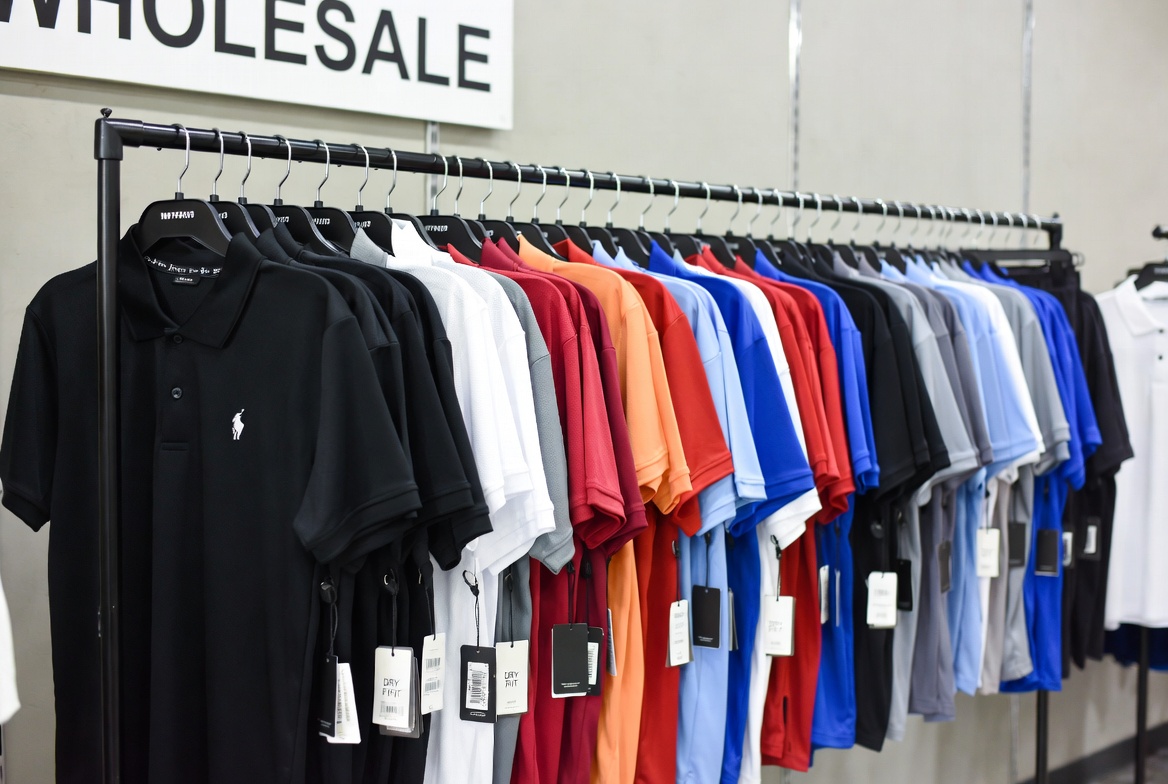
Dry fit polo shirt wholesale B2B is one of the fastest-growing segments in the global apparel trade. Businesses across industries are placing large orders for performance polos because they work well for uniforms, retail, and promotional campaigns. If you are planning to source in bulk, understanding this product category from the ground up will save you time and money.
What This Product Category Means in the Apparel Industry
In the apparel industry, dry fit polo shirts refer to knitted tops made from performance fabrics — mostly polyester or polyester blends — that pull sweat away from the skin. Unlike regular cotton polos, these shirts are designed for active use, outdoor environments, and long wear hours. They sit in a category called performance or technical knitwear, which has grown sharply in both sportswear and corporate apparel markets over the last decade.
Who Buys These Polos in Large Volumes
Bulk dry fit polo shirts are purchased by a wide range of buyers. Corporate buyers order them for employee uniforms. Sports brands and teams buy them for training kits. Event organizers use them for staff and promotional giveaways. Schools, hospitals, and hospitality businesses are also steady buyers. Importers, distributors, and private label brands make up a large share of B2B dry fit polo shirts buyers who source directly from manufacturers in producing countries.
Why They Are Popular for Uniforms, Retail, and Promotions
These polos are popular because they look professional, feel comfortable, and last long with regular washing. For uniforms, the breathable fabric keeps workers comfortable during long shifts. For retail, the clean finish and wide color range make them easy to sell. For promotions, they offer a large print area and carry brand identity well. All of this makes wholesale dry fit polo shirts a go-to product for B2B buyers worldwide.
Why Global Demand for Performance Polo Shirts Is Rising
The global market for performance apparel has been growing steadily, and dry fit polo shirt wholesale B2B is a big part of that story. Buyers from Europe, North America, Australia, and the Middle East are all increasing their import volumes for these shirts because demand from end users has gone up significantly.
How Comfort and Durability Drive Buyer Demand
End users today want clothing that performs. A shirt that feels good all day, does not shrink after washing, and holds its color for months is worth paying for. Performance polo shirts deliver exactly that. The fabric technology used in dry fit construction makes these shirts lighter and more breathable than traditional options, which means end users keep coming back. When customers are satisfied, retailers reorder — and that keeps wholesale demand strong.
Why Many Businesses Prefer Performance Fabrics Over Cotton Polos
Cotton is soft, but it absorbs sweat and becomes heavy and uncomfortable over time. Performance fabrics like polyester and poly-spandex blends manage moisture better, dry faster, and keep their shape longer. For businesses that need uniforms or branded polos worn daily, this matters a lot. The lower replacement cost over time also makes bulk dry fit polo shirts more economical than cotton alternatives, even if the per-unit price is slightly higher.
How Branding and Customization Increase Order Volumes
When businesses can add their logo, choose custom colors, and get polos in their preferred fit, they are more likely to order in larger volumes. Customization turns a plain shirt into a branded tool. Companies ordering custom dry fit polo shirts wholesale for their workforce or retail line often place repeat orders because the product becomes part of their brand identity. This branding angle drives higher average order quantities and stronger supplier relationships.
Moisture-Wicking Polo Suppliers for Bulk Buyers
Finding the right moisture wicking polo shirt supplier is one of the most important decisions a bulk buyer will make. Not all suppliers have the same fabric sourcing, finishing quality, or delivery reliability. Knowing what to look for helps you avoid costly mistakes.
What Buyers Expect From Moisture-Wicking Polo Suppliers
Bulk buyers expect consistent fabric quality, reliable delivery schedules, and transparent communication. A good moisture wicking polo shirt supplier should be able to share fabric test reports, provide pre-production samples, and meet agreed lead times without excuses. Buyers also expect competitive pricing that reflects actual production costs, not inflated trading margins. Flexibility in order sizes and customization options is also on most buyers’ checklists.
How Moisture Control Affects Product Value
Moisture management is a direct value driver. A polo that wicks sweat away quickly keeps the wearer dry and comfortable. This performance feature is what separates a premium product from a basic one. For corporate clients and sports brands, a shirt that performs well reflects positively on the brand using it. For retailers, it justifies a higher shelf price. For bulk buyers, sourcing from a supplier who delivers real moisture-wicking performance — not just marketing claims — protects your reputation in the market.
What Fabric Performance Standards Matter Most
The most important standards for performance polo shirts include moisture wicking rate, quick-dry time, colorfastness (usually ISO 105 or AATCC standards), and pilling resistance. GSM (grams per square meter) determines weight and feel. A range of 140–180 GSM is common for dry fit polos. Shrinkage tolerance after washing and stretch recovery are also key parameters. Buyers sourcing at scale should ask suppliers to share lab test results for these before placing bulk orders.
Wholesale Performance Polos for Distributors
Distributors play a key role in the B2B dry fit polo shirts supply chain. They bridge the gap between manufacturers and end markets. For distributors, performance polos are one of the most reliable product lines to carry because demand is consistent across multiple buyer segments.
Why Distributors Prefer Performance Polos in Bulk
Performance polo shirts are not seasonal products. They sell year-round because they are used for uniforms, sports, and casual wear in almost every climate. For distributors, this means fewer inventory risks compared to fashion-heavy apparel. The product is easy to store, easy to ship, and easy to sell. Sourcing wholesale performance polos in bulk gives distributors the volume pricing advantage they need to stay competitive in local markets.
Margin Potential, Repeat Orders, and Steady Market Demand
Margins on bulk dry fit polo shirts are strong when sourced directly from a manufacturer. Distributors who buy at factory prices and sell to retailers, corporate clients, or promotional buyers can maintain healthy margins. More importantly, the repeat order cycle is reliable. Corporate clients reorder annually for new staff. Sports teams reorder each season. Promotional buyers return for every campaign. This predictability makes performance polos one of the most stable product lines for distributors to manage.
Which Buyer Groups Benefit Most From Distribution Partnerships
Corporate procurement teams, hospitality brands, schools, and event management companies are the strongest buyer groups for distributors. These buyers prefer purchasing from local or regional distributors rather than sourcing internationally themselves. They value quick turnaround, local customer service, and flexible minimum order quantities. Distributors who carry wholesale dry fit polo shirts in ready stock can serve these buyers faster and build long-term supply relationships.
Polyester Dry Fit Polo Manufacturer Guide
Choosing the right dry fit polo shirt manufacturer is the foundation of a successful sourcing strategy. The manufacturer you work with determines the quality of your product, the reliability of your supply, and the profitability of your business.
Why the Right Manufacturer Matters
A manufacturer is not just a production facility. They are your production partner. The wrong manufacturer can deliver inconsistent quality, miss deadlines, or fail to meet your customization requirements. The right one will grow with your business, offer technical input on fabric and construction, and keep your supply chain running smoothly. For buyers sourcing dry fit polo shirt wholesale at scale, the manufacturer relationship is one of the most important business decisions you will make.
Common Fabric Composition Options
The most common fabric options for dry fit polo shirts include:
| Fabric Type | Composition | Best For |
|---|---|---|
| 100% Polyester | Fully synthetic | High-volume basics, uniforms |
| Poly-Spandex | 90–95% Polyester + 5–10% Spandex | Stretch fit, sports use |
| Poly-Cotton Blend | 60–65% Polyester + 35–40% Cotton | Softer hand feel, casual look |
| Poly-Pique Knit | 100% Polyester pique structure | Corporate polos, formal fit |
Each composition performs differently. Buyers should choose based on end-use, target market preference, and price point.
How Polyester Blends Affect Durability, Color Retention, and Cost
100% polyester offers the strongest performance in terms of moisture wicking, durability, and color retention. It holds dye well and resists shrinkage. Adding spandex improves stretch but can reduce durability over time if the ratio is too high. Poly-cotton blends feel softer but absorb more moisture and are less ideal for performance use. From a cost perspective, 100% polyester is usually the most cost-efficient option for bulk production, which is why it dominates the dry fit polo shirt manufacturer space for export-grade orders.
Core Product Features Buyers Should Check
Before placing a bulk order, every buyer should verify specific product features. These details determine whether the product will meet your customers expectations and hold up in real-world use.
Fabric GSM, Breathability, and Stretch
GSM is the starting point. For dry fit polos, a GSM between 140 and 180 is standard. Lower GSM means a lighter, more breathable shirt — good for hot climates and active use. Higher GSM feels more premium and structured — better for corporate or formal settings. Breathability depends on the knit structure and fabric composition. Open-knit or bird’s eye structures allow better airflow. Stretch depends on spandex content. Confirm all three before approving a sample.
Stitching, Collar Structure, and Garment Finishing
Stitching quality directly affects how long the garment lasts. Check stitch density, seam strength at stress points (shoulders, armholes), and hem finishing. The collar is the most visible part of a polo — it should hold its shape after washing and not curl or deform. A well-constructed collar uses a ribbed or tipping finish that stays flat. Garment finishing includes heat pressing, folding quality, and any branding application. All of these affect the final presentation of your product.
Colorfastness, Shrink Resistance, and Long-Term Durability
Colorfastness means the fabric holds its color through washing and sunlight exposure. Ask for test results per ISO 105 or AATCC standards. Acceptable ratings are generally 4 and above on a scale of 1–5. Shrink resistance should be confirmed with a pre-wash and post-wash measurement comparison. For long-term durability, check pilling resistance and tensile strength. A polo shirt that looks good after 50 washes is more valuable to your buyers than one that fades or shrinks after ten.
Size Consistency and Packaging Standards
In bulk production, size consistency is critical. A small that runs large or an XL that runs tight creates customer complaints and returns. Request a graded size spec sheet and confirm that the manufacturer follows it strictly with tolerance controls. Packaging standards should match your market requirements — whether that is individual poly bags, hangtags, size stickers, or retail-ready boxes. Clear packaging specs prevent confusion and protect your product during transit.
Customization Options for Bulk Polo Orders
One of the biggest advantages of working with a dry fit polo shirt manufacturer directly is the ability to customize your product. Customization is what transforms a generic shirt into a brand-ready product.
Logo Embroidery and Printing Options
The two most common branding methods for polos are embroidery and heat transfer printing. Embroidery gives a premium, textured look — ideal for corporate logos on chest or sleeve. It is durable and does not crack or peel. Heat transfer or sublimation printing offers more color range and is better for large designs or all-over patterns. Screen printing is used for bold, simple logos on larger print areas. Each method has different cost implications and minimum quantities, so confirm your preferred method early in the sourcing process.
Custom Colors, Size Ranges, and Private Labeling
Most manufacturers can produce custom colors using Pantone matching. This ensures your polo matches your brand palette exactly. Size ranges typically go from XS to 3XL or 4XL, and you can request custom size grading for specific markets. Private label dry fit polo shirts allow you to replace the manufacturer’s label with your own brand label, swing tags, and care labels. This is the key feature that lets brands build their own identity on top of a manufacturer’s product.
Flexible Packaging and Brand Presentation Choices
Packaging is part of your product presentation. Options include individual polybags, flat-pack or hanging presentation, retail-ready packaging with hangtags, and custom box packaging for premium orders. Some manufacturers also offer size ratio packing (assorted sizes in one carton) to simplify warehouse logistics. Discuss your packaging requirements before production begins so there are no surprises at the shipment stage.
MOQ, Pricing, and Cost Structure for Bulk Orders
Understanding the cost structure of dry fit polo shirt wholesale B2B sourcing is essential for planning your business margins and negotiating effectively.
Typical MOQ Expectations
Minimum order quantities (MOQ) vary by supplier type. Trading companies often accept lower MOQs — sometimes as low as 50–100 pieces per color. Direct factories typically require 300–500 pieces per color or 1,000–3,000 pieces per style. Private label manufacturers usually set MOQs based on production run minimums, which can range from 500 to 2,000 pieces. As order volumes grow, MOQs become more flexible and pricing improves.
What Affects Final Pricing
Several factors influence the final unit price of bulk dry fit polo shirts:
| Pricing Factor | Impact on Cost |
|---|---|
| Fabric GSM and type | Higher GSM or specialty blends increase cost |
| Order quantity | Higher volume = lower per-unit cost |
| Customization complexity | More branding steps add cost |
| Size range | Extended sizes (4XL+) may carry a surcharge |
| Packaging requirements | Premium packaging adds to unit cost |
| Lead time requirement | Rush production costs more |
Getting quotes from multiple suppliers and comparing them on an equal basis — same fabric spec, same MOQ, same customization — is the best way to benchmark pricing.
Hidden Sourcing and Logistics Costs
Many buyers focus on the per-unit price and forget about total landed cost. Hidden costs include freight charges, import duties, inspection fees, bank charges for international wire transfers, and storage fees if shipments are delayed. Always calculate your cost per unit including all charges before comparing supplier offers. A supplier quoting $2.50 per piece with high shipping costs may be more expensive than one quoting $2.80 with better logistics terms.
How Buyers Negotiate Better Rates
The strongest negotiation tools are volume commitment, repeat order history, and payment terms. Offering a Letter of Credit or upfront payment can sometimes unlock better pricing. Consolidating your orders into fewer, larger shipments reduces per-unit logistics costs. Building a long-term relationship with one reliable manufacturer often delivers better pricing over time than constantly switching suppliers for marginal savings.
Why Bangladesh Is a Strong Source for Performance Polos
When it comes to sourcing dry fit polo shirt wholesale B2B at scale, Bangladesh is one of the most competitive manufacturing destinations in the world. The country has built a reputation for high-volume, quality apparel production that serves major global brands and independent buyers alike.
What Makes Bangladesh Competitive in This Category
Bangladesh benefits from a well-developed knit apparel ecosystem. The country has a large concentration of circular knitting mills, dyeing units, finishing facilities, and export-ready garment factories — all within close proximity. This tight cluster means faster fabric sourcing, shorter lead times, and more competitive pricing. Bangladesh also benefits from preferential trade agreements with the EU (GSP), the UK (DCTS), and other markets, which reduce import duty costs for buyers in those regions. For custom dry fit polo shirts wholesale, Bangladesh offers one of the best combinations of price, quality, and production scale globally.
Factory Compliance, Production Scale, and Workforce Strength
Bangladesh has thousands of export-oriented garment factories, many of which are GOTS, OEKO-TEX, WRAP, or BSCI certified. These certifications show that factories meet international standards for worker safety, ethical labor practices, and environmental responsibility. The country’s workforce is large, experienced in knitwear production, and capable of handling complex customization requirements. Many factories can produce hundreds of thousands of units per month, making Bangladesh a viable source even for large-scale importers and global distributors.
Quality Control Practices Used by Export-Focused Factories
Leading export factories in Bangladesh use structured quality control systems that include in-line inspection during sewing, end-line checks before folding, and final random audits before shipment. Many factories also work with third-party inspection agencies like Bureau Veritas, SGS, or Intertek to provide independent quality reports to buyers. Pre-shipment inspections are standard practice for most B2B orders. Factories that regularly export to Europe, North America, and Australia are accustomed to strict buyer requirements and document them carefully.
Lead Time, Sourcing Ecosystem, and Shipment Readiness
Standard production lead times from Bangladesh for performance polo shirts bulk supplier orders range from 30 to 60 days after sample approval and order confirmation. Repeat orders with approved tech packs can often be processed faster. Bangladesh has two major seaports — Chittagong and Mongla — and strong freight forwarding services connecting to most global destinations. Air freight is available for urgent orders. The country’s sourcing ecosystem, including accessory suppliers, testing labs, and logistics providers, is mature enough to support buyers with complex sourcing needs.
Comparison Table for Bulk Performance Polo Suppliers
Before committing to a supplier, it helps to understand how different supplier types compare on the factors that matter most. The table below gives you a clear picture of what to expect from each type.
Buyers sourcing B2B dry fit polo shirts should use this comparison as a starting framework. Your final choice should be based on your specific volume, customization needs, and target market requirements.
Supplier Comparison by Fabric, MOQ, Customization, and Lead Time
| Supplier Type | Fabric Option | MOQ | Customization | Production Capacity | Lead Time | Quality Control | Best For |
|---|---|---|---|---|---|---|---|
| Trading Company | Polyester / blended | Low to medium | Basic to moderate | Outsourced | Medium | Varies | Small buyers |
| Direct Factory | 100% polyester / poly-spandex | Medium to high | High | Large-scale | Faster for repeat orders | Stronger if compliant | Importers, distributors |
| Private Label Manufacturer | Performance blends | Medium | Full branding | Medium to large | Medium | Strong pre-production control | Brands |
| Promotional Apparel Supplier | Standard polyester knit | Low to medium | Printing-focused | Medium | Fast | Basic to moderate | Events, campaigns |
| Uniform Specialist | Durable poly blends | Medium to high | Embroidery, size packs | Medium to large | Medium | Strong consistency checks | Corporate, schools, hospitality |
How to Choose the Right Supplier
Choosing a supplier for dry fit polo shirt wholesale is not just about price. It is about finding a partner who can consistently deliver what your business needs, shipment after shipment.
Certifications and Compliance Requirements
Always check what certifications a supplier holds before placing an order. For most B2B buyers, OEKO-TEX Standard 100 certification confirms that the fabric is free from harmful substances. BSCI or WRAP certification confirms ethical labor practices. If you are selling into regulated markets like the EU or UK, certifications are not optional — they are expected. Ask for copies of valid certificates and cross-check them with the issuing body if you have any doubts.
Sampling and Product Testing Before Bulk Orders
Never skip the sampling stage. A pre-production sample gives you the chance to check fabric feel, color matching, fit, and construction before committing to a full order. For performance-specific products, request lab test reports alongside the physical sample. Test parameters should include moisture wicking rate, colorfastness, shrinkage, and pilling. If a supplier resists sending samples or asks for unusually high sample charges, treat that as a warning sign.
Communication, Production Updates, and Shipment Reliability
Good communication is the backbone of a reliable supplier relationship. Your supplier should be able to give you regular production updates, flag issues early, and respond to your queries promptly. Ask how they handle production delays or quality issues during bulk runs. Suppliers with a dedicated export team and clear escalation processes are generally more reliable than those where communication is slow or inconsistent. Shipment reliability — hitting confirmed delivery windows — is equally important, especially if your buyers have fixed deadlines.
After-Sales Support and Reorder Handling
The best suppliers make reordering easy. They keep your approved tech packs, size specs, and fabric records on file so repeat orders do not require starting from scratch. After-sales support means the supplier is willing to address any quality complaints from the delivered order and work with you to resolve them. A supplier who disappears after shipment is not a long-term partner. Look for suppliers who treat after-sales as seriously as pre-sales.
Why Texasia Stands Out as a Bulk Polo Supplier
Among the growing number of bulk polo suppliers serving international markets, Texasia has built a clear identity around quality production, customization capability, and export-focused service. For buyers looking at Bangladesh-based manufacturers, Texasia is worth a close look.
How Texasia Positions Itself in the Market
Texasia operates as a Bangladesh-based performance apparel manufacturer with a focus on B2B buyers across Europe, North America, Australia, and the Middle East. Their product range covers wholesale dry fit polo shirts, corporate uniform polos, private label collections, and customized bulk orders for distributors and brands. The company positions itself as a direct factory partner — not a middleman — which keeps pricing competitive and communication direct.
Texasia Strengths in Quality, Bulk Supply, and Customization
Texasia offers full customization including logo embroidery, sublimation printing, custom color development, private label options, and flexible packaging. Their production capability supports medium to large-scale orders with consistent quality control at each stage. Fabric sourcing is done from certified mills, and pre-shipment inspections are part of their standard process. For buyers who need a supplier that can handle branding complexity alongside bulk volume, Texasia covers both without compromising on either.
Why Buyers May Shortlist Texasia Among Top Supplier Options
Texasia is positioned as one of the best suppliers based on product quality, manufacturing support, customization flexibility, and export-focused service. Buyers who have specific requirements around fit, fabric performance, or branding often find that Texasia can accommodate requests that generic trading companies cannot. Their experience with export markets means they understand compliance requirements, documentation, and buyer expectations at a practical level. You can reach out to Texasia directly to discuss your sourcing needs.
Top Topic Lists Optimized for Answer Extraction
The sections below are structured for fast reading, featured snippet compatibility, and easy scanning. If you want quick answers to common sourcing questions, these lists give you exactly that without needing to read through long explanations.
Top 5 Benefits of Buying Performance Polos in Bulk
1. Moisture Management
Moisture wicking fabric keeps end users dry and comfortable during extended wear. This performance feature is the primary reason buyers across corporate, sports, and hospitality sectors prefer dry fit over standard cotton. It is a real, testable benefit — not just a marketing claim.
2. Bulk Cost Efficiency
Ordering wholesale dry fit polo shirts in larger quantities reduces your per-unit cost significantly. Factory pricing tiers reward volume, and logistics costs per piece go down as shipment size increases. For distributors and brands, bulk purchasing protects your margins and keeps retail pricing competitive.
3. Strong Customization Potential
Bulk orders unlock full customization — custom colors, private labels, embroidered logos, and branded packaging. This is not available at small quantities. Buying in bulk gives you the leverage to create a product that is fully yours, not a generic item shared across dozens of buyers.
4. Better Durability for Repeated Use
Performance polyester fabrics are built to last. They resist shrinkage, hold color, and maintain shape through regular industrial washing. For corporate uniforms and team kits that get washed frequently, this durability directly reduces the total cost of ownership for your customers.
5. Wide Market Usability
Dry fit polo shirts sell across multiple markets — corporate, sports, hospitality, events, and retail. This cross-market appeal means that distributors and importers can serve multiple buyer segments from a single product line, reducing sourcing complexity and increasing inventory turnover.
Top 5 Factors That Influence Bulk Polo Sourcing
1. Fabric Composition
The fabric blend you choose affects everything else — performance, feel, price, and durability. 100% polyester is the most common choice for dry fit performance. Poly-spandex adds stretch. Poly-cotton softens the hand feel. Know what your end market prefers before choosing.
2. GSM and Breathability
GSM determines the weight and thickness of the shirt. Lower GSM fabrics are lighter and more breathable — better for hot markets. Higher GSM feels more premium. Match your GSM choice to your target climate and end user expectations.
3. MOQ and Production Capacity
Your minimum order quantity determines which type of supplier you can work with. Smaller buyers should look at suppliers with lower MOQs. Larger importers should go directly to factories. Production capacity matters for lead time — a factory with limited capacity may not meet your delivery window even if their quality is good.
4. Customization Complexity
More complex customization — multiple embroidery placements, full sublimation, custom labels, special packaging — takes more time and costs more. Plan your customization requirements early and confirm that your supplier has the capability to execute them before ordering.
5. Quality Control and Delivery Performance
A supplier who delivers consistently is worth more than one who delivers great samples but inconsistent bulk production. Check references, ask for shipment history, and request third-party inspection reports. On-time delivery and consistent quality are the two factors that protect your business reputation.
5 Best Practices Used by Industry Professionals
1. Approving Samples Before Bulk Production
Experienced buyers never skip this step. A pre-production sample catches issues early — before they become expensive production problems. Always approve fabric, fit, color, and branding on a physical sample before releasing production.
2. Confirming Fabric Test Parameters Early
Ask for lab test reports before sampling. Colorfastness, GSM, shrinkage, and moisture wicking results should be available from the supplier or the fabric mill. Waiting until after production to discover a fabric does not meet standards is a costly mistake.
3. Locking Size Specs and Tolerance Sheets
Size inconsistency in bulk orders is one of the most common complaints. Providing a detailed tech pack with measurement specs and tolerance allowances (e.g., ±1 cm) gives the factory clear production targets and gives you a basis for quality rejection if measurements are off.
4. Reviewing Branding Method Compatibility
Not all branding methods work equally well on all fabrics. Embroidery works best on structured fabrics. Sublimation works only on high-polyester fabrics. Heat transfer has limitations on textured surfaces. Confirm that your chosen branding method is compatible with your fabric before ordering.
5. Building Reorder-Friendly Supplier Relationships
The most successful bulk buyers invest in their supplier relationships. Sharing your annual forecasts, paying on time, and communicating clearly builds trust that pays off in better pricing, priority production slots, and faster turnaround on reorders.
Top 5 Mistakes Beginners Make When Sourcing Bulk Polos
1. Choosing on Price Alone
The cheapest quote is rarely the best value. Low-priced suppliers may cut corners on fabric quality, stitching, or finishing. Always evaluate price alongside quality evidence — samples, test reports, and production references.
2. Ignoring Sample Evaluation
Some buyers approve orders based on product photos or spec sheets without requesting a physical sample. This is a serious risk. Physical samples reveal texture, color accuracy, fit, and construction quality that no photo can show.
3. Overlooking Fabric and Collar Quality
The fabric and collar are the two things end users notice most. A collar that curls after the first wash or a fabric that pills quickly will generate customer complaints. Always check collar construction and fabric pilling resistance during sample review.
4. Failing to Confirm Production Lead Time
Many buyers confirm price and sample but forget to lock in a firm production and shipment timeline. Delivery delays can cost you customer relationships, especially if you have fixed campaign or season deadlines. Always get lead time in writing.
5. Not Checking Packaging and Shipment Details
Poorly packed shipments arrive damaged or wrinkled. Missing labels create customs delays. Confirm packaging specifications, carton dimensions, and labeling requirements before production is finalized. A small detail missed at this stage can cause major disruptions at the receiving end.
Top 7 Buyer Questions About Bulk Dry Fit Polos
What Is the Best Fabric for Bulk Performance Polos?
100% polyester is the most widely used fabric for dry fit polo shirt wholesale orders. It offers the best balance of moisture wicking, durability, color retention, and cost efficiency. Poly-spandex blends are ideal when stretch is needed, such as for sports or fitted corporate styles.
What MOQ Is Considered Normal?
For direct factory orders, 300 to 500 pieces per color per style is a common minimum. Trading companies may accept lower quantities. Private label orders typically require higher minimums — often 500 to 2,000 pieces — to justify the branding setup costs involved.
Can Bulk Orders Be Customized?
Absolutely. Custom dry fit polo shirts wholesale are available with logo embroidery, sublimation printing, custom Pantone-matched colors, private brand labels, and custom packaging. The level of customization available increases with order volume. Most manufacturers require customization details to be confirmed before production begins.
How Long Does Production Usually Take?
Standard production lead times for bulk dry fit polo shirts from Bangladesh range from 30 to 60 days after sample approval and order confirmation. Repeat orders with existing approved tech packs can often be processed in 20 to 35 days, depending on fabric availability and factory capacity at the time.
Which Certifications Matter Most?
For most international markets, OEKO-TEX Standard 100, BSCI, and WRAP are the most commonly requested certifications. Buyers supplying EU or UK markets may also need REACH compliance documentation. For sustainable sourcing programs, GOTS or GRS certification may be required depending on fabric composition.
Why Is Bangladesh Strong in This Segment?
Bangladesh has a fully integrated knitwear manufacturing ecosystem — from yarn spinning and fabric knitting to dyeing, finishing, and garment production — all within close geographic proximity. This integration drives down production costs and lead times. The country also benefits from preferential trade access to major markets, making it one of the most cost-competitive sourcing destinations for performance polo shirts bulk supplier orders.
How Can I Find a Reliable Supplier?
Start by checking factory certifications, reviewing product samples, and asking for shipment references from existing buyers. Platforms like Alibaba, Global Sources, or trade directories can help you identify suppliers, but always verify them through direct communication and sample orders. For Bangladesh-based sourcing, working with an experienced private label polo shirt manufacturer with export experience significantly reduces sourcing risk.
Professional Expertise and Industry Authority
The sourcing guidance in this content is built on practical experience across the apparel manufacturing and export sector. It is not generic advice — it reflects the kind of knowledge that comes from working directly within the supply chain.
First-Hand Industry Experience in Apparel Sourcing and Manufacturing
The apparel B2B space has specific dynamics that take years of hands-on experience to fully understand. Fabric sourcing, factory evaluation, quality benchmarking, and export documentation are not theoretical concepts — they are daily realities for professionals working in this field. The guidance here is grounded in that direct exposure, covering the real challenges buyers face when sourcing wholesale dry fit polo shirts at scale.
Educational Background and Technical Knowledge
Strong sourcing guidance requires both technical apparel knowledge and commercial understanding. This includes familiarity with textile science (fabric construction, fiber properties, finishing processes), international trade terms (Incoterms, HS codes, duty structures), and quality management frameworks used in export-oriented garment production. Without this technical base, buyers cannot evaluate supplier claims with any real accuracy.
Practical Exposure Across Merchandising, QA, and Export Operations
The most useful sourcing knowledge comes from exposure across multiple functions — merchandising, quality assurance, and export logistics. Understanding how a factory plans production, how quality issues are identified and resolved, and how shipments are prepared and documented gives buyers a complete picture of the supply chain. This cross-functional view is what separates informed B2B buyers from those who rely on supplier claims alone.
Real-World Experience and Case Studies
Theory is useful, but real sourcing decisions are made under pressure, with incomplete information, and against tight deadlines. These case study snapshots reflect the kind of situations that arise in actual dry fit polo shirt wholesale B2B sourcing.
Short Case Study Overview
A mid-sized European sportswear distributor was looking to replace their existing polo supplier after a shipment arrived with inconsistent GSM across different color runs. They needed a manufacturer who could deliver consistent fabric weight, accurate Pantone matching, and embroidery quality across 5,000 units in six colors. After evaluating three suppliers, they chose a Bangladesh-based factory based on sample quality and third-party inspection availability.
Challenges Faced in Actual Sourcing Scenarios
The biggest challenge was color consistency across fabric batches. Dye lots can vary between production runs, and without strict dye lot management, multi-color orders suffer from visible shade differences. The buyer also faced delays due to accessory sourcing — buttons and labels arrived late from sub-suppliers, pushing the shipment window back by 12 days. Communication gaps during this period created significant frustration.
Results, Outcomes, and Key Learnings
The final shipment passed third-party inspection and arrived within the revised timeline. The buyer learned the value of confirming accessory readiness separately from fabric readiness before approving the production start date. They also implemented a weekly production update requirement in their supplier agreement, which improved communication on subsequent orders. The relationship has since produced three successful repeat orders.
Expert Insights and Professional Observations
Experienced sourcing professionals see patterns that new buyers often miss. These insights reflect what changes when you move from theory to practice in B2B dry fit polo shirts sourcing.
Common Misconceptions Buyers Often Have
One of the most common misconceptions is that higher GSM always means better quality. In performance fabrics, a lighter GSM with a good knit structure can outperform a heavier fabric in breathability and moisture management. Another misconception is that MOQ is fixed — most factories have room to negotiate on minimum quantities, especially for new buyer relationships with growth potential.
Practical Expert Tips From Field Experience
Always request a bulk fabric swatch alongside your pre-production sample. This lets you verify that the fabric used in bulk production matches the sample. Also, confirm the dye lot number for your order and ask the factory to use the same dye lot across the full production run. These small steps prevent the most common quality complaints in bulk apparel sourcing.
What Professionals Do Differently During Sourcing
Professionals build supplier scorecards — tracking on-time delivery rate, quality rejection rate, and communication responsiveness for every supplier they work with. Over time, this data tells you which suppliers are worth growing with and which ones to phase out. They also invest time in factory visits or video audits before placing large first orders, because seeing production conditions directly reveals things that no document can.
Step-by-Step Manufacturing Process
Understanding how dry fit polo shirts are made helps buyers ask better questions and set realistic expectations for lead times and quality outcomes.
Initial Requirements and Preparation
The process begins with a buyer-approved tech pack — a document that specifies fabric composition, GSM, color references (Pantone codes), size measurements, construction details, and branding requirements. The factory uses this to source fabric from knitting and dyeing mills, procure accessories (buttons, labels, threads), and plan the production schedule. A clear tech pack reduces errors and back-and-forth during production.
Production and Execution Process Explained Simply
Once materials are ready, fabric goes through cutting based on approved marker layouts. Cut panels are bundled and sent to the sewing floor, where they are assembled by separate operators for body, collar, sleeves, and finishing. After sewing, garments go through quality checks at the end of the line. Approved pieces are then washed, pressed, tagged, and folded before packaging. Final cartons are sealed, labeled, and prepared for shipment.
Common Mistakes to Avoid
Common production mistakes include poor marker planning (leading to fabric waste and size inconsistency), mixing fabric from different dye lots (causing shade variation), and skipping in-line quality checks (allowing defects to accumulate before they are caught). Buyers who communicate quality expectations clearly before production starts reduce the likelihood of these issues significantly.
Best Practices for Better Results
The best results come from approving all inputs before production starts — fabric, accessories, and branding materials. Requesting in-line inspection photos at key production milestones keeps you informed without needing to be on-site. Confirming final carton packing details before the packing stage prevents last-minute packaging errors that delay shipment clearance.
Verified Data, Facts, and Evidence
Good sourcing decisions are grounded in data, not assumptions. Here are key industry figures that provide context for the dry fit polo shirt wholesale B2B market.
Official Data and Trusted Sources
According to data from the Bangladesh Garment Manufacturers and Exporters Association (BGMEA), Bangladesh exported over $47 billion worth of apparel in the fiscal year 2023–24, with knitwear accounting for the majority of export value. The European Union and the United States remain the largest destination markets. This scale confirms Bangladesh as one of the most significant sources for wholesale performance polos globally.
Industry Statistics and Reports
The global performance apparel market was valued at approximately $200 billion in 2023 and is projected to continue growing through 2030, driven by increased demand for activewear and functional workwear. The corporate uniform segment — a major buyer of corporate uniform polo shirts wholesale — is estimated to be a multi-billion-dollar category globally. Polyester-based fabrics dominate the performance knitwear segment, accounting for over 65% of technical knit apparel production worldwide.
Fact-Checking and Accuracy Notes
Market figures in this content are drawn from publicly available industry reports and trade association data. Specific production lead times, MOQs, and pricing ranges reflect typical industry averages and may vary based on supplier type, order complexity, and market conditions at the time of sourcing. Buyers should verify all commercial terms directly with their chosen supplier before making purchasing decisions.
Transparency, Risks, and Limitations
Honest sourcing guidance acknowledges what can go wrong — not just what works well. Here is a clear-eyed look at the risks involved in bulk dry fit polo shirts sourcing.
Situations Where Outcomes May Vary
Lead times, pricing, and quality outcomes can all vary based on factors outside your control — raw material price changes, factory capacity during peak seasons, port congestion, and currency fluctuations. Buyers who build flexibility into their sourcing timelines and pricing structures are better positioned to absorb these variations without disrupting their business.
Potential Risks and Sourcing Drawbacks
Key risks in B2B dry fit polo shirts sourcing include receiving fabric that does not match the approved sample (shade variation), production delays due to accessory shortages, customs clearance issues due to incomplete documentation, and quality inconsistency between the first and subsequent production runs. Third-party inspection and clear contractual terms reduce but do not eliminate these risks entirely.
What This Content Does Not Cover
This guide covers the core principles of dry fit polo shirt wholesale sourcing for B2B buyers. It does not cover in-depth legal frameworks for international trade contracts, country-specific import duty calculations, or detailed financial modeling for sourcing operations. For those topics, consulting a licensed trade advisor or customs broker is recommended.
Frequently Asked Questions
What is a dry fit polo shirt?
A dry fit polo shirt is a performance knit top made from moisture-wicking fabric — usually polyester — that pulls sweat away from the skin to keep the wearer dry and comfortable during extended wear.
What fabric is best for dry fit polo shirts?
100% polyester is the most commonly used fabric for dry fit polos because it offers excellent moisture wicking, durability, and color retention at a competitive price point for bulk production.
What is the standard MOQ for wholesale dry fit polo shirts?
Most direct manufacturers set a minimum of 300 to 500 pieces per color, while trading companies may accept lower quantities starting from 50 to 100 pieces.
Can I get my logo printed or embroidered on bulk polo shirts?
Yes. Logo embroidery and printing are standard customization options for bulk orders. Embroidery is preferred for corporate polos, while sublimation or heat transfer printing is better for large or full-color designs.
How long does production take for a bulk polo shirt order?
Standard lead time is 30 to 60 days from sample approval and order confirmation, depending on order complexity, fabric availability, and factory production schedule.
What certifications should a polo shirt manufacturer have?
Look for OEKO-TEX Standard 100, BSCI, WRAP, or GOTS depending on your market requirements. These confirm fabric safety, ethical production, and environmental standards.
Is Bangladesh a reliable source for dry fit polo shirts?
Yes. Bangladesh is one of the world’s leading exporters of knitwear and performance apparel, with a well-developed production ecosystem, competitive pricing, and strong compliance practices in export-focused factories.
What is a GSM and why does it matter for polo shirts?
GSM (grams per square meter) measures fabric weight. For dry fit polos, 140–180 GSM is the typical range. Lower GSM is lighter and more breathable; higher GSM feels more structured and premium.
Can I order private label polo shirts from Bangladesh?
Yes. Many Bangladesh manufacturers offer full private label services, including custom woven labels, hang tags, care labels, and branded packaging — all produced under your brand name.
How do I find a reliable polo shirt manufacturer?
Request samples, review certifications, check production references, and confirm lead times in writing. Working with a factory that has a dedicated export team and experience serving your target market significantly reduces sourcing risk.
Conclusion
Dry fit polo shirt wholesale B2B is a strong and growing product category with real demand across corporate, sports, hospitality, and retail markets. Bangladesh offers competitive manufacturing, strong compliance, and full customization support. Buyers who invest in quality sourcing partnerships — like those available through Texasia — will build supply chains that deliver consistent results, repeat business, and long-term profitability.

