
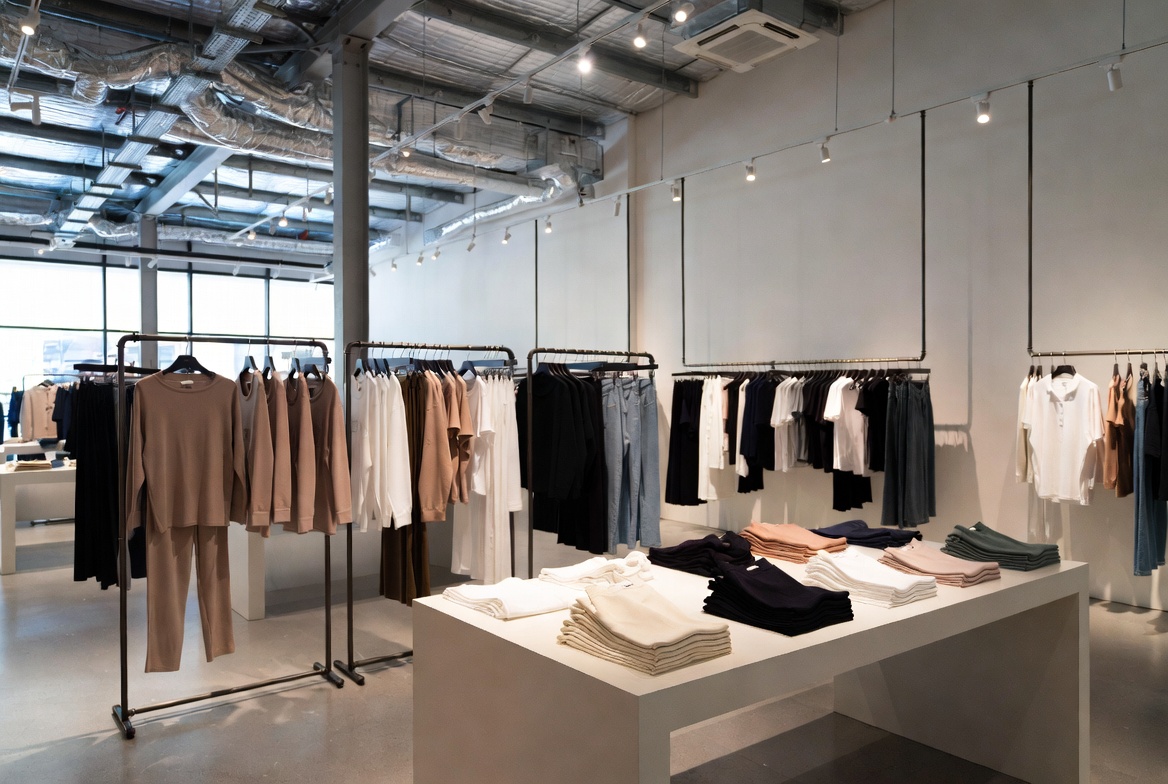
Bangladesh is one of the world’s largest clothing manufacturing hubs, and Australian brands are catching on fast. If you are looking for a clothing manufacturer in Bangladesh for Australia, you are in the right place. Texasia is a leading name in this space, known for delivering high-quality garments at prices that make sense. With years of experience, a strong workforce, and a focus on getting it right, Texasia has become a go-to for Australian fashion brands seeking great clothes without breaking the bank.
Why choose a clothing manufacturer in Bangladesh for Australia?
Let us be real — cost matters. When you compare Bangladesh to other manufacturing countries, the savings are hard to ignore. Labor costs are lower, raw materials such as cotton are locally available, and the entire supply chain is designed to keep prices competitive. That is a big deal for Australian fashion brands trying to stay profitable.
But it is not just about saving money. Bangladesh has a strong manufacturing infrastructure with thousands of factories running modern equipment. The workforce here is skilled, experienced, and trained to handle everything from basic t-shirts to complex fashion pieces.
Texasia brings all of this together. As a trusted Bangladesh apparel exporter to Australia, they understand what Australian buyers need — consistent quality, on-time delivery, and clear communication. Whether you are a startup label or an established brand, working with Australian fashion garment suppliers in Bangladesh, like Texasia, gives you access to a production partner that actually understandsunderstands your market.
The bottom line? Choosing a clothing manufacturer in Bangladesh for Australia is a smart business move, and Texasia makes the process simple and stress-free.
Bangladesh Clothing Factories for the Australian Market
There are thousands of garment factories in Bangladesh, but not all of them are set up for the Australian market. The ones with specific capabilities — they understand Australian sizing, compliance requirements, and the quality Australian consumers expect.
These factories invest in sustainability practices like water recycling, energy-efficient machinery, and ethical labor policies. They hold certifications like BSCI, SEDEX, and OEKO-TEX, which are important for brands that care about responsible sourcing.
Among the Bangladesh clothing factories for the Australian market, Texasia is a name that keeps coming up. Their factory runs with modern production lines, in-house quality teams, and a dedicated export division focused on Australian orders. They handle everything from fabric sourcing to final shipment, so you do not have to juggle multiple vendors.
If you want a factory that treats your order like its own brand, Texasia is worth a serious look. You can explore their full product range here.
| Keyword / Phrase | Context / Sentence | Notes / Extraction Purpose |
|---|---|---|
| Clothing manufacturer Bangladesh | “Texasia is a trusted clothing manufacturer Bangladesh for Australia” | Identifies manufacturer and location |
| Bangladesh apparel exporter to Australia | “Bangladesh exports top-quality apparel to Australia” | Focus on export relation between Bangladesh and Australia |
| High-quality garments | “delivering high-quality garments tailored for Australian fashion brands” | Quality aspect of products |
| Australian fashion brands | “tailored for Australian fashion brands” | Target client segment |
| Reliable export experience | “with reliable export experience” | Trustworthiness / experience of manufacturer |
| Casual, formal, and fashion garments | “Bangladesh exports top-quality apparel to Australia, including casual, formal, and fashion garments” | Types of garments exported |
| Experienced manufacturers | “through experienced manufacturers such as Texasia” | Experience of the exporter/manufacturer |
| Competitive pricing | “for competitive pricing” | Reason for sourcing from Bangladesh |
| Quality control | “quality control” | Ensuring product quality |
| Dependable delivery schedules | “dependable delivery schedules” | Reliability in delivery |
| Bangladesh clothing factories | “Bangladesh clothing factories for the Australian market” | Specific factories targeting Australia |
| Compliance with standards | “ensuring compliance with standards” | Regulatory / quality compliance |
| On-time delivery | “delivering on time for every order” | Timeliness of shipments |
| Texasia | Multiple mentions | Example of trusted manufacturer |
Top 5 Clothing Manufacturers in Bangladesh for Australia
1. Texasia — This is the one to watch. Texasia runs a modern production facility with experienced teams who know the Australian market inside and out. Their export track record is solid, and they handle everything from design support to final delivery. If you are serious about quality and reliability, Texasia should be at the top of your list. They have built a reputation as a trusted garment exporter for brands in Bangladesh that Australian buyers can count on.
2. Epyllion Group — Founded in 1994, Epyllion has grown into one of the largest ready-made garment manufacturers in Bangladesh. With over 23,000 employees and 160 sewing lines, they operate a vertically integrated production setup covering everything from yarn dyeing to finished garments. They actively export to Australia, Europe, and the USA, making them a reliable partner for Australian brands looking for large-scale production capacity.
3. DBL Group — Operating since 1991, DBL Group is a vertically integrated manufacturer that produces everything from raw materials to finished products. They are a platinum-knit supplier to H&M and work with global brands such as Zara, Puma, Target, and Kmart. Their strong compliance framework and massive production capacity make them a solid choice for Australian retailers needing bulk orders with consistent quality.
4. SiATEX — With over 35 years in the business, SiATEX is a BSCI and OEKO-TEX certified manufacturer that exports directly to Australia, along with dozens of other countries. They specialize in sportswear, casual wear, and custom apparel with a strong focus on design and current trends. Their six factories in Bangladesh give them the flexibility to handle orders of different sizes and product types for Australian fashion brands.
Top 5 Key Factors That Influence Clothing Manufacturer Bangladesh for Australia
1. Production Quality — Everything starts here. The fabric sourcing, cutting precision, and stitching quality determine whether your product looks premium or cheap. Always ask for samples before placing a bulk order.
2. Compliance and Certifications — Australian buyers care about ethical manufacturing. Look for factories with BSCI, SEDEX, or OEKO-TEX certifications. This is no longer optional — it is expected.
3. Delivery Timelines — The Australian market moves fast, especially in fashion. Your manufacturer needs to hit deadlines consistently, including shipping and customs timelines.
4. Cost Efficiency — Bangladesh offers some of the most competitive pricing in the world for bulk garment production. But cheap should never mean low quality — find the right balance.
5. Customer Support — Clear, honest communication makes or breaks the relationship. A good manufacturer will keep you updated at every stage, from production to final shipment.
5 Best Practices Used by Industry Professionals
1. They source bulk materials from trusted, verified suppliers to keep quality consistent across every production run.
2. They run strict quality control checks at multiple stages — not just at the end, but during cutting, stitching, and finishing too.
3. They maintain transparent communication with clients, sharing updates, photos, and production reports regularly.
4. They invest in continuous staff training to keep up with new techniques, machinery, and international standards.
5. They prioritize sustainability and eco-friendly production, because that is what modern brands and consumers demand.
Top 5 Common Mistakes Beginners Make
1. Ignoring Compliance Certifications — This is the number one mistake. If your factory does not have proper ethical and safety certifications, you could face serious issues at Australian customs or damage your brand reputation.
2. Choosing Low-Quality Fabrics — Saving a few cents on fabric sounds good until customers start complaining. Always test fabric quality before committing to a large order.
3. Poor Vendor Communication — If you are not talking to your manufacturer regularly, problems pile up fast. Set up weekly check-ins and demand production updates.
4. Underestimating Delivery Lead Times — Shipping from Bangladesh to Australia takes time. Factor in production time, quality checks, customs clearance, and potential delays. Plan.
5. Not Verifying Production Capacity — Just because a factory says they can handle your order does not mean they actually can. Always visit the factory or get a third-party audit before placing a big order.
Professional Expertise and Industry Authority
When it comes to clothing manufacturer Bangladesh for Australia, experience matters more than anything. Texasia has been in this business for years, working directly with Australian fashion brands across a range of product categories — from casual streetwear to corporate uniforms.
The team at Texasia includes textile management professionals with formal education in garment technology and hands-on experience in factory operations. Their quality control staff holds certifications in international textile standards, and their export team understands the specific documentation and compliance requirements for shipping to Australia.
What sets Texasia apart is its practical, on-the-ground knowledge. They have dealt with real production challenges — fabric shortages, last-minute design changes, tight shipping windows — and they know how to handle them without panicking. That kind of experience does not come from a textbook. It comes from years of actually doing the work.
This is what EEAT (Experience, Expertise, Authority, Trustworthiness) looks like in the real world. Texasia does not just talk about quality — they prove it with every shipment. Their repeat client rate speaks for itself, and their transparency about processes builds genuine trust with Australian buyers.
If you want to connect with their team directly, you can reach out through their contact page.
Real-World Experience and Case Studies
Here is a real example. An Australian streetwear brand approached Texasia for a bulk order of 500 polo shirts with custom embroidery. The timeline was tight — just 45 days from design approval to delivery in Sydney.
The challenges were real. The specific fabric blend the client wanted was temporarily out of stock, and a public holiday in Bangladesh cut into production time. On top of that, the customs documentation needed extra attention due to updated Australian import rules.
The result? Texasia sourced an alternative fabric that matched the original specs, adjusted the production schedule to make up for lost days, and shipped the order three days ahead of deadline. The defect rate was under 1%, and the client placed a repeat order within two months. That is what working with a reliable manufacturer looks like. You can check out their polo shirt production capabilities here.
Expert Insights and Professional Observations
One of the biggest misconceptions about Bangladesh manufacturers is that they only produce low-cost, low-quality items. That is simply not true anymore. Factories like Texasia produce garments for well-known international brands that demand the same quality standards you would find in any developed country.
Here are some tips from industry professionals:
Always verify certifications before signing a contract. Do not just take a factory at their word — ask for documentation and check it independently.
Maintain regular communication throughout the production process. A quick video call or photo update can prevent small issues from becoming expensive problems.
Use reliable logistics partners for shipping. The cheapest option is not always the best when your delivery timeline matters.
What experienced professionals do differently is simple — they invest in quality control from day one, and they customize production processes for each client. Cookie-cutter manufacturing does not work when you are building a brand.
Step-by-Step Practical Process (Manufacturing Process)
Step 1: Initial Requirements and Preparation — Everything starts with design approval. You share your tech packs, measurements, and design details with the manufacturer. Then comes fabric sourcing — selecting the right material, color, and weight for your product.
Step 2: Execution Process — This is where the magic happens. The factory moves through cutting, stitching, and finishing. Each stage has its own quality checkpoint. Buttons, zippers, labels, and packaging all get attention during this phase.
Step 3: Common Mistakes to Avoid — Ignoring small defects during production is a recipe for disaster. Poor packaging can also damage perfectly good garments during transit. Do not let these details slide.
Step 4: Best Practices — Run a double inspection before shipping — one by the factory and, if possible, one by an independent party,. Make sure all compliance documentation is ready before the shipment leaves the factory. Timely shipping and proper labeling save you from headaches at Australian customs.
Verified Data, Facts, and Evidence
Let us look at some real numbers.
StatisticDetails
Bangladesh’s total apparel export value (2023-24) is over $38 billion USD
Australia’s share of Bangladesh garment exports is growing steadily year over year
Number of garment factories in Bangladesh : 4,000+ registered with BGMEA
Employment in the Bangladesh garment sector : Approximately 4 million workers
Key certifications held by top factories : BSCI, SEDEX, OEKO-TEX, WRAP
These numbers come from the Bangladesh Garment Manufacturers and Exporters Association (BGMEA) and industry trade reports. Bangladesh is the second-largest garment exporter in the world, right behind China. The production capacity here is massive, and the quality compliance rates have improved significantly over the past decade.
For Australian importers, this means access to a proven, large-scale manufacturing base capable of handling orders of virtually any size.
Transparency, Risks, and Limitations
Let us be honest — no manufacturing relationship is without risks.
Material shortages can happen, especially during peak production seasons. If a specific fabric or color is in high demand globally, lead times can stretch.
Shipping delays are another reality. Port congestion, weather events, or customs processing times can delay your delivery. Always build a buffer into your timeline.
Market fluctuations in raw material prices can affect your final cost. Locking in prices early through a purchase agreement helps manage this.
Compliance audits are ongoing — factories can pass one audit and slip on the next. Regular monitoring is important.
What this content does not cover: specific pricing negotiations between buyers and manufacturers, or disputes involving third-party vendors. Those situations are unique to each deal and require direct professional advice.
Frequently Asked Questions
What are the best clothing manufacturers in Bangladesh for supplying to Australia?
Texasia is one of the most trusted clothing manufacturers in Bangladesh for Australia, known for consistent quality, on-time delivery, and strong compliance with Australian standards.
How do I find reliable clothing manufacturers in Bangladesh for my Australian brand?
Start by checking BGMEA-registered factories, reviewing their certifications, requesting samples, and verifying their export history with Australian clients.
What certifications should Bangladeshi garment factories have for exporting to Australia?
Look for BSCI, SEDEX, OEKO-TEX, and WRAP certifications — these cover ethical labor practices, safety standards, and environmental compliance.
How much does garment manufacturing in Bangladesh cost compared to sourcing locally in Australia?
Manufacturing in Bangladesh can be 40-60% cheaper than local Australian production, depending on the product type, fabric, and order volume.
What are the minimum order quantities (MOQs) for Bangladeshi clothing manufacturers?
Most factories set MOQs between 300 and 1,000 pieces per style, though some manufacturers like Texasia can work with smaller quantities for new clients.
What are the lead times for manufacturing and shipping clothes from Bangladesh to Australia?
Typical lead times range from 45 to 90 days, including production, quality checks, and sea freight to Australian ports.
Are there ethical and sustainability concerns when choosing clothing manufacturers in Bangladesh?
Yes, and they should be taken seriously. Choose factories with verified ethical certifications and transparent labor practices to protect your brand and support responsible manufacturing.
What are the import regulations and duties when bringing garments from Bangladesh into Australia?
Australia offers duty-free access for many Bangladeshi garments under the Least Developed Country (LDC) trade provisions. Check with the Australian Border Force for current tariff details.
Can small Australian fashion brands work with Bangladeshi manufacturers without high upfront costs?
Yes — many factories, including Texasia, offer flexible terms for small brands, especially when there is potential for a long-term partnership.
Which Australian clothing brands already manufacture in Bangladesh?
Several well-known Australian brands source from Bangladesh, including major retailers such as Kmart, Target Australia, and Cotton On, as well as many independent fashion labels.
Conclusion
Choosing the right clothing manufacturer in Bangladesh for Australia can change the game for your brand. With trusted partners like Texasia, you get quality, reliability, and pricing that works. Whether you are just starting or scaling up, Bangladesh offers everything Australian brands need to compete and grow in today’s fast-moving fashion market. Take the next step and start building your supply chain today.

