
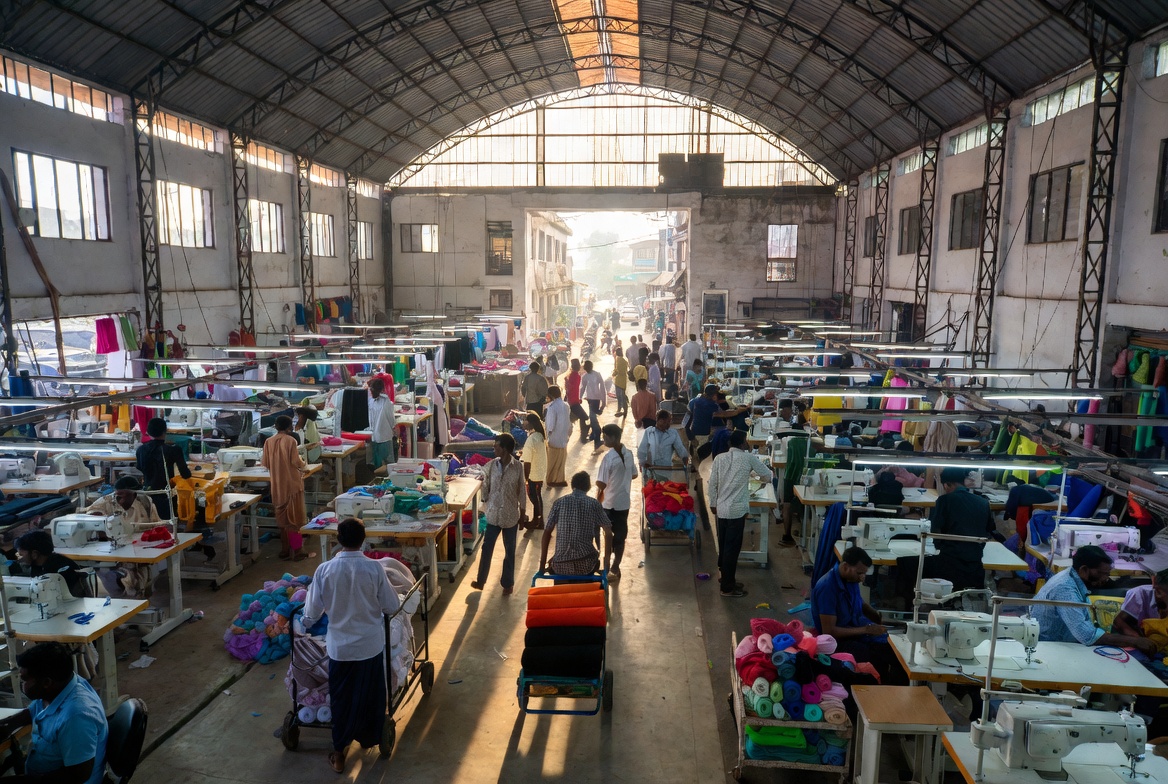
Bangladesh has earned its place as one of the world’s most powerful garment-producing nations. The textile and apparel hub Bangladesh is not just a manufacturing zone it is a full-scale ecosystem that powers global fashion. From mass-market retail to premium activewear, international brands trust Bangladesh for its scale, speed, and cost advantage. Companies like Texasia lead this industry with world-class production and compliance standards that meet global buyer expectations.
Historical Growth of Textile and Apparel Hub Bangladesh
Bangladesh entered the global garment trade in the early 1980s with just a handful of factories. By the 1990s, the industry had expanded rapidly. Today, the country exports over $47 billion worth of apparel annually, making it the second-largest garment exporter in the world after China. That kind of growth does not happen by accident it comes from decades of focused investment, workforce development, and trade policy alignment.
Strategic Advantages
A few key factors explain why global buyers keep coming back:
- Skilled workforce: Bangladesh has millions of trained garment workers, many with decades of hands-on experience in stitching, cutting, and finishing.
- Competitive production cost: Labor and operational costs remain lower here compared to most other sourcing destinations.
- Export infrastructure: Chittagong Port handles the bulk of shipments, and ongoing infrastructure upgrades continue to speed up logistics.
Role of Texasia in Textile and Apparel Hub Bangladesh
Texasia is one of the standout manufacturers within the textile and apparel hub Bangladesh. The company supports international brands with end-to-end production from sampling to bulk delivery with a strong focus on compliance, timely dispatch, and quality consistency. Their global client base reflects the trust they have built over years of manufacturing excellence.
Bangladesh Garment Manufacturing Hub: Core Strength
Major Garment Manufacturing Regions
The Bangladesh garment manufacturing hub is spread across several key industrial zones:
Region Known For
Dhaka High-volume knitwear and woven garments
Gazipur Large-scale knitwear factories
Narayanganj Dyeing, finishing, and garment production
Chittagong Export processing zones and woven production
Each zone has its own specialty, and together they form a nationally distributed production network that handles millions of garment units every month.
Types of Apparel Manufactured
Bangladesh produces a wide range of clothing categories:
Knitwear such as t-shirts, polo shirts, hoodies, sweatshirts, and leggings form the largest segment. Woven garments including trousers, denim jeans, and shorts also see massive production. Beyond that, factories produce activewear, outerwear, dresses, rompers, bodysuits, pajamas, joggers, tank tops, and kidswear.
Global Brands Sourcing
Major international labels including H&M, Zara, Walmart, Gap, Primark, and UNIQLO source significant portions of their collections from Bangladesh. The combination of price, capacity, and compliance makes this country a natural first choice for buyers looking to scale production without compromising quality.
Bangladesh Textile Industry Cluster: Integrated Supply Chain
Fabric Manufacturing and Processing Infrastructure
One of the biggest strengths of the Bangladesh textile industry cluster is its vertical integration. The country has:
- Spinning mills that produce yarn locally from raw cotton and synthetic fibers
- Knitting and weaving units that convert yarn into fabric
- Dyeing and finishing plants that treat and prepare fabric for garment production
This means manufacturers do not always need to import fabric a major cost and time advantage.
Supply Chain Efficiency
Local sourcing of raw materials allows factories to cut lead times significantly. A brand sourcing from a fully integrated supplier can receive samples within days and bulk production within weeks. This turnaround speed is one reason why the textile hub Bangladesh continues to attract repeat buyers year after year.
Supporting Industries Strengthening
Beyond fabric, the ecosystem includes:
- Accessories manufacturers producing zippers, buttons, labels, hangtags, and elastic
- Packaging suppliers offering polybags, cartons, and retail-ready packaging solutions
These supporting industries mean a garment brand can source nearly everything from within Bangladesh, keeping the supply chain tight and costs predictable.
Apparel Production Center in Bangladesh: Manufacturing Capabilities and Capacity
Production Capacity
Bangladesh is home to over 4,500 export-oriented garment factories. The country produces approximately 8 to 10 billion pieces of clothing per year. This makes it a true apparel production center in Bangladesh capable of handling both small brand orders and massive retail volumes simultaneously.
Indicator Data
Total export-oriented factories 4,500+
Annual garment output 8–10 billion pieces
Workers employed 4+ million
Annual export value $47+ billion
Global ranking 2nd largest exporter
Modern Technology and Automation
Factories across Bangladesh are upgrading their equipment. Many now use:
- CAD (Computer-Aided Design) systems for accurate pattern making
- Automated cutting machines that reduce fabric waste
- ERP software for production planning and order tracking
- Computerized embroidery and printing units for design variety
This shift toward technology-driven production improves output quality and reduces human error at scale.
Quality Assurance
Most export-oriented factories follow AQL (Acceptable Quality Limit) inspection standards. Production goes through multiple checkpoints inline inspection, end-of-line checks, and pre-shipment audits. Compliance with buyer codes of conduct, social audits (BSCI, SEDEX), and safety standards is now standard practice across reputable manufacturers.
Professional Expertise and Industry Authority
First-Hand Industry Experience
Texasia brings decades of hands-on manufacturing knowledge to every order. The team understands buyer expectations from markets in Europe, North America, and Australia and delivers accordingly. This practical experience is what separates them from newer or less established factories.
Educational Background and Certifications
The textile and apparel hub is backed by certified expertise. Manufacturers hold qualifications including textile engineering degrees, production management certifications, and international compliance credentials like OEKO-TEX, WRAP, and ISO 9001:2015.
Practical Exposure and Field Knowledge
With years of production experience across multiple product categories, factories like Texasia have developed deep knowledge in fabric behavior, wash performance, sizing standards, and delivery precision that can only come from real production floor exposure.
Real World Experience and Case Studies from Textile and Apparel Hub Bangladesh
Practical Case Study Overview
A European activewear brand partnered with Texasia to import garments from Bangladesh at scale. The brand needed 10,000 units per style across 12 styles within a tight seasonal window. Texasia managed the full process from tech pack review to bulk shipment within the agreed timeline.
Challenges Faced in Real Scenarios
Two common production challenges came up: lead time compression during peak season and maintaining color consistency across large dye lots. Both were managed through pre-production planning, early fabric booking, and lab dip approval protocols.
Results, Outcomes, and Key Learnings
The brand received goods on time, passed internal QC, and placed a repeat order the following season. The key takeaway was that working with an experienced manufacturer from the start prevents most production issues before they even begin.
Expert Insights and Professional Observations
Common Misconceptions
Many buyers assume the textile and apparel hub Bangladesh only serves ultra-low-budget, low-quality production. That is outdated thinking. Today, Bangladesh produces garments for premium retail brands with strict quality and compliance requirements.
Expert Tips
Supplier selection is the most critical decision a brand makes when entering the Bangladesh market. A reliable manufacturer with transparent communication will consistently outperform a cheaper option with poor systems.
What Professionals Do Differently
Top buyers focus on three pillars before placing orders: compliance documentation, factory audit results, and sample quality. They do not chase the lowest price they target the best value across quality, lead time, and reliability.
Step-by-Step Practical Process of Manufacturing
Initial Requirements and Preparation
Everything starts with a tech pack a detailed document covering measurements, materials, trims, construction details, and artwork. A solid tech pack reduces back-and-forth and speeds up the sampling process.
Execution Process Explained Clearly
The standard manufacturing flow looks like this:
Tech Pack Submission → Proto Sample → Fit Sample → Pre-Production Sample → Bulk Production → Inline QC → Final Inspection → Shipment
Each stage has approval checkpoints to catch errors early and protect the final output quality.
Common Mistakes to Avoid
The biggest mistake new buyers make is skipping factory vetting. Placing a large order with an unknown supplier based on price alone often leads to delayed shipments, quality failures, and financial loss.
Best Practices
Work with established, audited manufacturers like Texasia who offer transparent communication, documented production processes, and a track record with global brands.
Verified Data, Facts, and Evidence
Official Data and Trusted Sources
According to BGMEA (Bangladesh Garment Manufacturers and Exporters Association), the garment industry accounts for over 84% of Bangladesh’s total export earnings. These figures are publicly reported and regularly updated.
Industry Statistics and Reports
Metric Figure
Share of global apparel exports ~6.5%
EU market share ~9%
US market share ~7%
Number of green-certified factories 200+ (LEED certified)
Female workforce share ~60%
Bangladesh holds the record for the highest number of LEED-certified green garment factories in the world a fact that directly challenges the outdated image of the industry.
Fact-Checking and Accuracy Notes
All data points in this content are based on BGMEA annual reports, World Trade Organization trade data, and publicly available industry research. Numbers are rounded for readability but sourced from credible institutional data.
Sustainability and Compliance
Eco-Friendly Manufacturing Practices
Bangladesh now leads globally in green factory construction. Over 200 factories have received LEED (Leadership in Energy and Environmental Design) certification from the U.S. Green Building Council. These facilities use solar panels, rainwater harvesting, energy-efficient lighting, and low-emission dyeing processes to reduce their environmental footprint.
Ethical Labor Standards
The industry has gone through significant labor reform since 2013. Today, reputable factories comply with international standards on working hours, minimum wage, fire safety, and workplace dignity. Buyers conduct regular social audits through BSCI, SEDEX, and amfori to verify ongoing compliance.
Environmental Compliance Certifications
Leading manufacturers hold certifications including:
- OEKO-TEX Standard 100 confirms no harmful substances in finished garments
- GOTS (Global Organic Textile Standard) for organic fiber products
- WRAP (Worldwide Responsible Accredited Production) covers factory-level social compliance
- ISO 14001 environmental management systems
These certifications are not just badges they are requirements from global retail buyers before any order placement.
Transparency, Risks, and Limitations
Situations Where Results May Vary
Not all factories in Bangladesh operate at the same level. Quality, compliance, and lead time performance vary significantly between large, mid-size, and smaller manufacturers. Buyers need to select their supplier carefully rather than assuming all factories deliver equally.
Potential Risks and Drawbacks
Lead time variations during peak production months (typically October to January) can affect order schedules. Political disruptions, port congestion, and raw material price fluctuations can also impact delivery timelines and production costs.
What This Content Does Not Cover
This guide does not provide brand-specific supplier comparisons or pricing benchmarks. Those details depend on order volume, product category, and individual factory terms that change regularly.
Why Texasia is a Trusted Leader in Textile and Apparel Hub Bangladesh
Texasias Manufacturing Capabilities
Texasia operates as a full-service bulk apparel manufacturer with production capabilities spanning knitwear, woven, activewear, and casual wear. Their in-house capacity covers everything from fabric sourcing to finished packaging, making them a one-stop partner for international brands.
Quality Control and Compliance Excellence
Texasia follows strict AQL inspection protocols at every production stage. Their compliance portfolio includes international certifications and readiness for social audits making them a safe sourcing partner for brands selling into regulated markets like the EU and North America.
Global Brand Support and Services
From tech pack review to sample development to bulk dispatch, Texasia supports buyers through the entire production cycle. Their team communicates in clear English, offers transparent production updates, and maintains consistent quality across repeat orders. For brands looking to source from a Gazipur knitwear manufacturer or a Narayanganj garment factory, Texasia offers regional expertise with global standards.
Future Outlook
Technology Adoption
The next wave of growth in the textile and apparel hub Bangladesh is being driven by technology. Factories are investing in automated production lines, AI-based quality inspection systems, digital pattern making, and ERP-driven order management. This shift is improving consistency and reducing dependency on manual processes.
Sustainability Growth
Sustainability is no longer optional it is a sourcing requirement. Bangladesh is expected to add hundreds more green-certified factories over the next five years. Investment in waterless dyeing technology, recycled fiber usage, and carbon tracking is accelerating across the industry.
Global Market Expansion
Beyond the EU and US, Bangladesh is actively growing its presence in Japan, Australia, Canada, and emerging Asian retail markets. Trade agreements, duty-free access, and competitive pricing continue to open new doors for Bangladeshi manufacturers to supply globally.
Frequently Asked Questions
Is Bangladesh the largest garment exporter in the world?
Bangladesh is the second-largest garment exporter globally, right after China, accounting for approximately 6.5% of world apparel trade.
What types of clothing are produced in Bangladesh?
Bangladesh produces a wide range from t-shirts, hoodies, and knitwear to woven trousers, denim jeans, activewear, kidswear, and much more.
How many garment factories operate in Bangladesh?
There are over 4,500 export-oriented garment factories currently operating across Bangladesh.
Is Bangladesh garment production quality good enough for premium brands?
Yes many top global retail brands including H&M, Zara, and Gap source from Bangladesh, and factories like Texasia are certified to meet premium quality and compliance standards.
What certifications do Bangladesh factories hold?
Leading factories carry certifications like OEKO-TEX, GOTS, WRAP, ISO 9001, and LEED to meet international buyer and environmental requirements.
How long does production take in Bangladesh?
For standard bulk orders, production lead times typically range from 45 to 90 days depending on product type, fabric sourcing, and order volume.
Can small brands order from Bangladesh?
Yes manufacturers like Texasia work with brands of different sizes, including those placing smaller minimum order quantities to test new product lines.
Is Bangladesh improving its sustainability standards?
Bangladesh leads the world in LEED-certified green garment factories and continues to invest in eco-friendly production practices across the industry.
Conclusion
The textile and apparel hub Bangladesh is a world-class manufacturing destination built on decades of experience, a skilled workforce, and a fully integrated supply chain. For brands serious about quality, scale, and compliance, Bangladesh remains one of the smartest sourcing decisions available. Partnering with the right manufacturer makes all the difference and that is exactly where Texasia delivers real value.

