
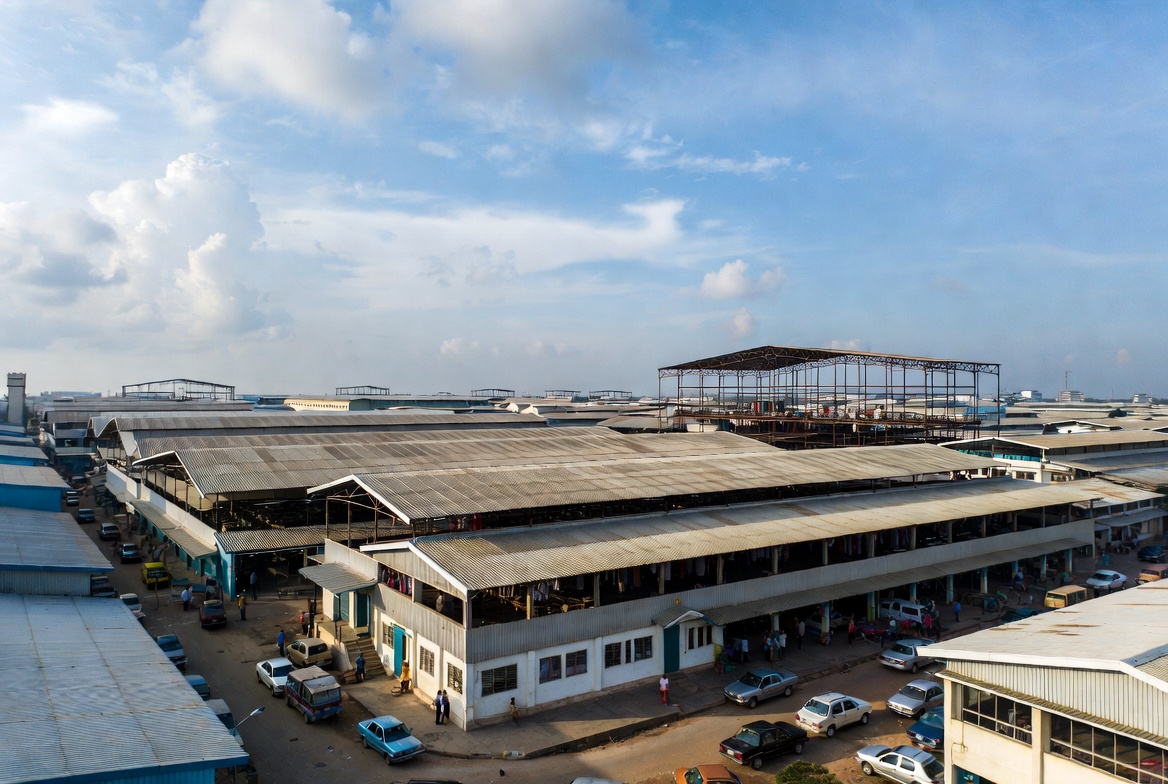
Bangladesh is one of the most powerful clothing-making countries in the world right now. When global brands consider where to source their clothes, garment production companies in Bangladesh are almost always the first to come to mind. The country ships billions of dollars’ worth of clothing every year to major markets such as the USA, the EU, Canada, and Australia.
The RMG (Ready-Made Garment) sector contributes over 80% of Bangladesh’s total export earnings, making it the backbone of the national economy. According to the BGMEA (Bangladesh Garment Manufacturers and Exporters Association), the country has over 4,000 active garment factories that employ millions of workers.
If you are a brand, buyer, or sourcing agent looking to understand how this industry works, this guide gives you a real, honest picture of what to expect.
Overview of Garment Manufacturers in Bangladesh and Industry Structure
Understanding the structure of garment manufacturers in Bangladesh helps buyers make better decisions. The industry is not one-size-fits-all. There are different types of businesses operating under this umbrella.
Manufacturers are the ones who actually produce the garments. Exporters handle the shipping and trade documentation. Sourcing companies act as middlemen between buyers and factories. Some businesses do all three, which shortens and speeds up the supply chain.
Factory types vary widely across Bangladesh:
| Factory Type | Specialty | Common Products |
|---|---|---|
| Knitwear factories | Jersey, fleece, interlock fabrics | T-shirts, hoodies, activewear |
| Woven factories | Shuttle and air-jet looms | Shirts, trousers, dresses |
| Denim factories | Denim fabric processing | Jeans, denim jackets |
| Activewear factories | Performance fabrics | Sportswear, gym wear |
Most factories in Bangladesh are export-oriented, meaning they produce almost entirely for international buyers. This gives them deep experience working with foreign brands and meeting international standards.
The production capacity of these factories ranges from small units making 5,000 pieces per month to massive operations producing 500,000+ pieces per month.
Types of Clothing Manufacturers and Exporters in Bangladesh and Their Roles
Not every factory works the same way. When you explore clothing manufacturers and exporters in Bangladesh, you will find several business models in operation.
OEM (Original Equipment Manufacturer) factories produce garments based on a buyer’s exact design and specifications. The buyer owns the brand. The factory just makes the product. This is the most common model for international fashion brands.
Private Label manufacturers go a step further. They help buyers develop the design, choose fabrics, create samples, and then produce the final product under the buyer’s brand name. This is perfect for new brands or startups without an in-house design team.
Full-package manufacturers handle everything from fabric sourcing to finished product delivery. They handle trims, labels, packaging, and export documentation. The buyer just places an order and receives finished goods.
CMT (Cut, Make, Trim) factories are more basic. The buyer sends the fabric, and the factory cuts, sews, and finishes the garment. CMT is usually cheaper but requires more buyer involvement in sourcing raw materials.
Supplier vs exporter is another important difference. A supplier might only produce and sell locally. An exporter has export licenses, customs knowledge, and experience dealing with international shipments. Most serious manufacturers in Bangladesh operate as full exporters.
Understanding Readymade Garment (RMG) Companies in Bangladesh and Global Export Role
Readymade garment (RMG) companies in Bangladesh are the engine behind one of the world’s largest clothing export industries. These companies take raw fabric and turn it into finished clothing items ready to be sold in stores across the globe.
Bangladesh currently ranks second in global garment exports, just behind China. The country exported over $46 billion in clothing in recent years, and that figure keeps growing year after year.
Major product categories exported from Bangladesh include:
- Knitwear (T-shirts, polo shirts, sweaters, hoodies, leggings)
- Woven garments (formal shirts, trousers, dresses, jackets)
- Denim products (jeans, shorts, skirts)
- Activewear and sportswear
- Childrenswear and babywear
For international brands and sourcing agents, Bangladesh RMG companies offer a rare combination of volume, speed, and price competitiveness that is hard to match anywhere else in the world. Buyers from H&M, Zara, Gap, Walmart, and hundreds of other brands rely on Bangladesh factories every season.
Why Global Brands Choose Bangladesh Companies
There are very clear reasons why big brands keep coming back to garment production companies in Bangladesh season after season.
Cost advantage is the biggest draw. Labor costs in Bangladesh are among the lowest in the world for the garment industry. This directly reduces the cost per unit for buyers, which improves margins significantly.
Skilled workforce is another major factor. Bangladeshi garment workers have decades of experience in cutting, sewing, finishing, and quality checking. The workforce is trained, fast, and familiar with international quality expectations.
Production scalability is one area Bangladesh excels at. Whether you need 1,000 pieces or 1,000,000 pieces, factories here can adjust their lines and deliver. This flexibility is crucial for brands during peak seasons.
Export experience spanning 40+ years means these companies understand buyer psychology, shipping timelines, documentation requirements, and market-specific compliance requirements. They speak the language of international trade fluently.
Compliance improvements over the last decade have been significant. After the Rana Plaza incident in 2013, the industry went through a massive transformation in safety and social compliance. Today, Bangladesh has more LEED-certified green garment factories than any other country in the world.
For brands that care about sustainable manufacturing, Bangladesh has become a genuinely strong option with real credentials to back it up.
Production Capabilities
The production capabilities of garment companies in in Bangladesh are broader than most buyers realize.
Knitwear production is where Bangladesh truly shines. The country produces enormous quantities of T-shirts, polo shirts, hoodies, sweatshirts, leggings, and joggers at high speed and with high consistency.
Woven garment production covers everything from formal shirts to casual trousers, dresses, and shorts. Factories use modern air-jet and rapier looms to handle a wide range of fabric weights and weaves.
Activewear and performance wear are a growing segment. Factories now use sublimation printing, bonding machines, and laser cutting to produce gym wear, yoga pants, and sports jerseys that meet global performance standards.
Machinery and automation levels have risen sharply. Many mid to large factories now use CAD cutting systems, automated spreading machines, and digital sewing assistance to reduce waste and improve precision.
Sampling and prototyping are handled quickly. Most factories offer prototype samples within 7-10 days and fit samples within another 7 days. This speed helps buyers finalize designs faster.
Production capacity at larger factories can reach 500,000 pieces per month, while mid-size units comfortably handle 50,000 to 150,000 pieces per month.
Quality Control and Compliance Standards Follow
Quality is not an afterthought for serious garment production. It is built into the production process from the very beginning.
Quality inspection stages typically include:
- Pre-production inspection – Checking fabrics, trims, and materials before cutting begins
- In-line inspection – Ongoing checks during sewing to catch defects early
- Pre-final inspection – Checking finished goods before packing
- Final inspection – A full check of the packed shipment before loading
AQL (Acceptable Quality Level) inspection is the global standard used in Bangladesh. Most factories operate under AQL 2.5, the benchmark used by major international brands. Some buyers request stricter AQLs, such as 1.5 or even 1.0, for premium products.
Compliance certifications that serious factories hold include:
Certification : What It Covers
GOTS (Global Organic Textile Standard) Organic fabric processing
OEKO-TEX Standard 100 Chemical safety in textiles
ISO 9001 Quality management systems
BSCI / SMETA Social and ethical compliance
WRAP (Worldwide Responsible Accredited Production) Factory safety and labor standards
Factory audits are conducted regularly by both buyers and third-party auditors like SGS, Bureau Veritas, and Intertek. Factories with strong audit records get preferred vendor status from major brands.
Lead Time, MOQ, and Pricing Factors: Knowing the timelines and cost structure of garment production helps you plan your orders realistically.
Sampling timelines usually look like this:
- Proto sample: 7-10 working days
- Fit sample: 7 days after approval
- Pre-production sample (PP sample): 5-7 days after fabric is ready
Production timelines depend on order size and factory capacity:
Order Size Typical Production Time
Under 5,000 pieces , 25-35 days
5,000 – 20,000 pieces 35-45 days
20,000 – 100,000 pieces 45-60 days
100,000+ pieces 60-90 days
MOQ (Minimum Order Quantity) varies by factory type:
- Large factories: 3,000 – 5,000 pieces per style
- Mid-size factories: 500 – 2,000 pieces per style
- Small specialty factories: 200 – 500 pieces per style
Cost components in Bangladesh garment pricing include fabric cost, CMT charges, trims and accessories, testing fees, packing materials, and FOB margin. Fabric usually accounts for 55-65% of the total garment cost.
Export Process and Logistics Uses
The export process for production is well established and relatively smooth for experienced buyers.
Export documentation required for a standard shipment includes:
- Commercial Invoice
- Packing List
- Bill of Lading (B/L) or Airway Bill
- Certificate of Origin (Form A for GSP benefit)
- Export LC (Letter of Credit) or TT payment confirmation
- Inspection Certificate (if required by buyer)
Shipping methods available from Bangladesh:
- Sea freight – Most common. Chattogram (Chittagong) port handles the majority of shipments. Transit time to Europe is 20-28 days, to the USA 28-35 days.
- Air freight – Used for urgent orders or samples. Expensive but fast. Transit to Europe is 3-5 days.
- Rail/road – Limited options for landlocked routes, mostly used for India-bound cargo.
Customs clearance in Bangladesh is handled through the NBR (National Board of Revenue) and the Customs Bond Commissionerate. Most garment factories work under a bonded warehouse system, which allows duty-free import of raw materials for export production.
Freight forwarders with strong Bangladesh experience include DB Schenker, Kuehne + Nagel, Expeditors, and many local agents with deep port connections.
Professional Expertise and Industry Authority
First-Hand Industry Experience
Garment production companies bring real manufacturing expertise earned through decades of working with global brands. Their export knowledge covers everything from fabric sourcing and quality checks to final shipment and documentation. This is not theoretical knowledge. It is built from millions of completed orders.
Educational Background and Certifications
Many factory owners and production managers in Bangladesh have formal training in textile engineering, fashion technology, and industrial management. International certifications such as Six Sigma, ISO auditor training, and compliance management are common among mid- and senior-level professionals in the industry.
Practical Exposure and Field Knowledge
Hands-on production experience is what separates Bangladesh factories from newer sourcing destinations. Workers, supervisors, and management teams have spent years refining processes on the production floor. This depth of practical knowledge directly benefits buyers by reducing errors and speeding problem-solving.
Real-World Experience and Case Studies
Practical Case Study Overview
A mid-size European activewear brand shifted 40% of its production from China to Bangladesh in 2022. They partnered with a knitwear factory in Gazipur to produce gym shorts, tank tops, and bodysuits. The goal was to reduce unit costs while maintaining quality.
Challenges Faced in Real Scenarios
Early challenges included longer sampling lead times than the brand was used to, minor communication gaps around trim specifications, and one delayed shipment due to port congestion in Chattogram. These are real issues that buyers should prepare for when working in Bangladesh for the first time.
Results, Outcomes, and Key Learnings
After two seasons, the brand reported a 22% reduction in unit cost with no measurable drop in quality. Companies like Texasia serve as a reference point for how Bangladesh manufacturers can deliver consistent results when communication is clear and timelines are respected. The key learning was simple: invest time upfront in clear tech packs and sampling, and production becomes much smoother.
Expert Insights and Professional Observations
Common Misconceptions in This Topic
Many buyers believe Bangladesh only produces basic, low-cost clothing. That is outdated thinking. Production companies now produce premium activewear, technical outerwear, and fashion-forward collections for some of the world’s most recognized brands.
Expert Tips Based on Experience
Always visit the factory or request a virtual factory tour before placing a bulk order. Check their compliance certificates, ask for buyer references, and review their AQL inspection reports. A factory that is transparent about its processes is almost always a safer partner.
What Professionals Do Differently
Experienced sourcing professionals always build relationships directly with the factory QC team. They also keep a local quality inspector or buying house contact in Bangladesh to handle day-to-day communication and floor-level monitoring.
Step by Step Practical Process of Working with Garments
Initial Requirements and Preparation
Before reaching out to any factory, prepare a clear tech pack with measurements, fabric specifications, color references, trim details, and artwork files. Also, define your target price, order quantity, and delivery timeline. The clearer your brief, the faster everything moves.
Execution Process Explained Clearly
Start with a factory shortlist based on your product category. Send RFQ (Request for Quotation) to 3-5 factories. Review their quotes, request proto samples, and evaluate sample quality. Once a factory is selected, confirm PP sample approval, sign a purchase order, and follow up through production milestones.
Common Mistakes to Avoid
Skipping the sample approval stage is the biggest mistake buyers make. Never approve bulk production without a confirmed PP sample. Also, avoid working with factories that cannot provide clear compliance documentation.
Best Practices for Better Results
Build long-term relationships with your factory rather than chasing the cheapest quote every season. Factories prioritize buyers who give repeat orders. You get better service, faster lead times, and more flexibility when you are seen as a loyal partner.
Verified Data, Facts, and Evidence
Official Data and Trusted Sources
According to BGMEA, Bangladesh had over 4,500 member garment factories as of recent reports. The Export Promotion Bureau (EPB) of Bangladesh confirms that the RMG sector accounts for more than 80% of total national export revenue.
Industry Statistics and Reports
| Indicator | Figure |
|---|---|
| Global export rank | 2nd (after China) |
| Annual export value | $46+ billion USD |
| Total garment factories | 4,000+ active units |
| Workforce employed | 4+ million workers |
| LEED-certified factories | 200+ (highest globally) |
| Key export markets | USA, Germany, UK, France, Spain |
Fact-Checking and Accuracy Notes
All statistics in this article are sourced from BGMEA, WTO trade data, and EPB official reports. Industry figures can fluctuate year to year. Readers should cross-check with the latest BGMEA annual report for real-time accuracy.
Transparency, Risks, and Limitations
Situations Where Results May Vary
Lead times can extend during peak buying seasons (October to March). Factories running at full capacity may not accept new buyers during these periods. Smaller factories may struggle to handle large surge orders without proper planning.
Potential Risks and Drawbacks
Political instability, port congestion, and occasional labor unrest are real risks in Bangladesh. Currency fluctuations also affect pricing. Buyers should always keep buffer time in their delivery schedules when planning Bangladesh production.
What This Content Does Not Cover
This guide does not cover detailed legal frameworks for import duties in every buyer country, factory-level financial audits, or real-time pricing databases. For those specifics, consulting a local buying house or trade consultant in Bangladesh is recommended.
Leading Example of Reliable Garment Production Companies
When buyers look for a dependable name among garment production companies, Texasia is a manufacturer worth knowing. Based in Bangladesh, Texasia works with international brands and buyers across multiple product categories, including knitwear, woven, and activewear.
Their product range covers rompers, dresses, pajamas, kidswear, denim jeans, and more. They operate with full export capabilities and compliance documentation in place.
What sets companies like Texasia apart in the Bangladesh market is their combination of export experience, transparent production processes, and the ability to meet global brand requirements. They serve buyers who need reliability, not just low prices.
For buyers who want to explore product options or get in touch, visiting their products page or reaching out through their contact page is a practical first step.
Frequently Asked Questions About Textile Factories in Bangladesh
Why choose garment production companies in Bangladesh?
Bangladesh offers one of the best combinations of low production costs, large capacity, a skilled workforce, and export experience among global garment sourcing destinations.
What is the minimum order quantity in Bangladesh factories?
MOQ varies by factory size; most mid-size factories accept orders of 500 to 1,000 pieces per style, while larger factories may require a minimum of 3,000 to 5,000 pieces.
How long does garment production take in Bangladesh?
Standard production lead time is 35 to 60 days from PP sample approval, depending on order size and factory capacity.
Are Bangladesh garment manufacturers compliant with global standards?
Yes, most established factories hold certifications like GOTS, OEKO-TEX, BSCI, WRAP, and ISO 9001, and undergo regular third-party audits.
How to verify garment production companies in Bangladesh?
Request factory audit reports, compliance certificates, buyer references, and conduct a physical or virtual factory visit before committing to bulk production.
What products are commonly manufactured in Bangladesh?
Bangladesh produces T-shirts, polo shirts, knitwear, woven shirts, denim jeans, activewear, outerwear, children’s wear, and a wide range of casual and formal clothing.
What certifications should a garment manufacturer have?
Key certifications to look for include GOTS, OEKO-TEX Standard 100, ISO 9001, BSCI/SMETA, and WRAP, depending on your product category and target market.
Conclusion
Garment production companies in Bangladesh are among the most reliable and cost-effective sourcing options in the world today. With decades of export experience, a large, skilled workforce, increasingly stringent compliance standards, and broad production capabilities, Bangladesh remains a top choice for global brands. Buyers who approach this market with clear communication and good preparation consistently get strong results.

