
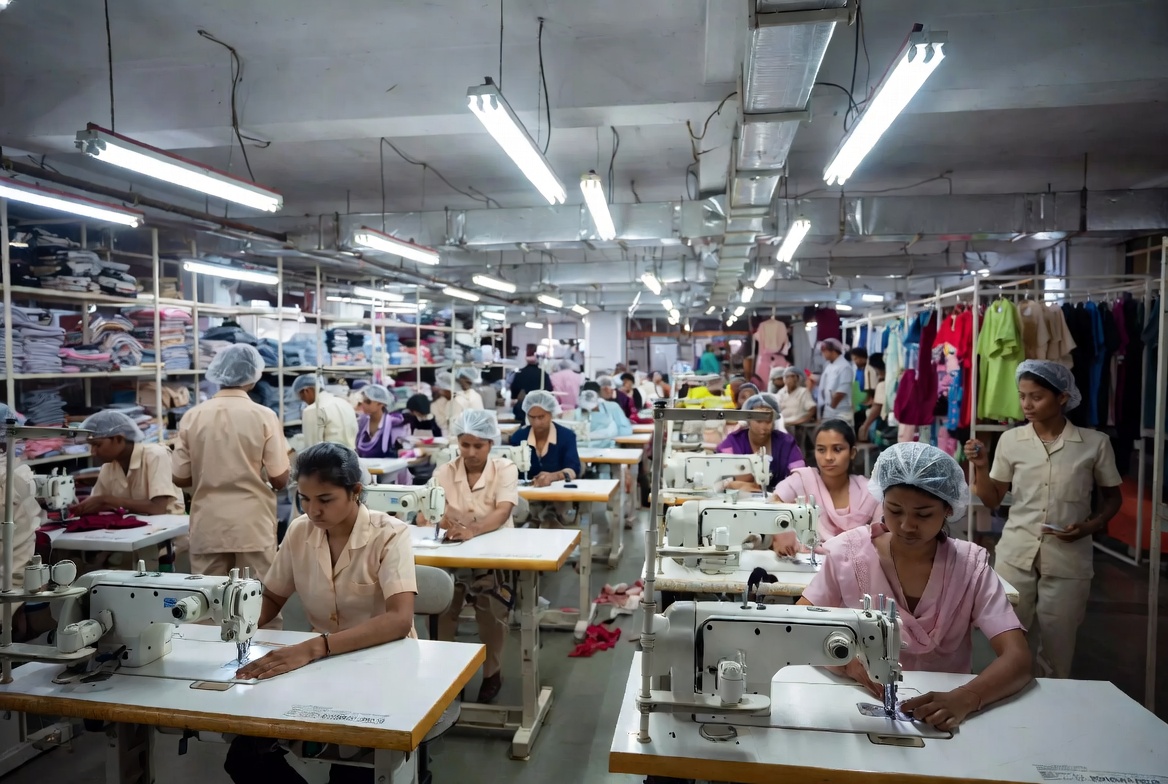
Bangladesh has become one of the most talked-about names in global fashion sourcing. When international brands look for reliable, affordable, and high-quality clothing production, apparel export companies in Bangladesh are almost always at the top of the list. This guide covers everything you need to know from industry growth to choosing the right partner.

What Are Apparel Export Companies in Bangladesh
Apparel export companies are garment manufacturers that produce clothing specifically for international markets. These companies design, cut, sew, and finish clothing items then ship them to buyers across North America, Europe, and beyond.
Unlike domestic clothing producers who sell within Bangladesh, export-focused companies follow strict international standards for quality, safety, and ethical production. They work directly with global retail brands, buying houses, and private-label importers.
Bangladesh sits in a unique position in the global textile and clothing supply chain. It acts as a large-scale production hub where raw materials come in, finished garments go out, and international fashion brands get the products they need at competitive rates.
Why Apparel Export Companies Matter Globally
The world depends on Bangladesh for a huge share of its clothing supply. Export companies offer a combination of low production costs, skilled labor, and improving compliance standards that very few countries can match.
For international brands, importers, and global sourcing managers, Bangladesh means cost savings without sacrificing quality. That balance is rare and it is exactly why so many major retailers keep coming back.
Overview of Garment Exporters in Bangladesh and Industry Growth
The rise of garment exporters in Bangladesh is one of the most impressive stories in modern manufacturing. Over the past four decades, this industry has gone from a small operation to a global powerhouse.
Evolution
Bangladesh entered the garment export business in the early 1980s. At first, production was limited and focused mostly on basic items. But as factories grew and global demand increased, the industry expanded rapidly.
By the 2000s, Bangladesh had established itself as the world’s second-largest garment exporter after China. Export volumes kept climbing year after year, and apparel export began penetrating markets across Europe, the USA, Canada, and Australia.
Today, Bangladesh exports garments to over 160 countries, with a strong reputation for woven and knitwear products.
Export Contribution to the Bangladesh Economy
The RMG (Readymade Garment) sector contributes around 10–12% of Bangladesh’s GDP. It is the backbone of the national economy.
The industry directly employs over 4 million workers, the majority of whom are women. This has had a major positive impact on female workforce participation and economic independence nationwide.
In terms of foreign exchange earnings, garments account for more than 80% of Bangladesh’s total export revenue making it the single most important sector for the country’s economic growth.
| Indicator | Data / Value | Remarks |
|---|---|---|
| GDP Contribution | ~10–12% | Major driver of national economic growth |
| Total Workers Employed | 4+ million | Largest employment sector, especially for women |
| Share of Total Export Revenue | 80%+ | Dominant contributor to Bangladesh’s export earnings |
| Countries Bangladesh Exports To | 160+ | Global trade presence in Asia, Europe, and North America |
| Global Ranking in Garment Export | 2nd (after China) | Bangladesh is the world’s second-largest apparel exporter |
Types of Clothing Manufacturers and Exporters Bangladesh Offers
When it comes to clothing manufacturers and exporters, Bangladesh provides two main categories knitwear and woven each serving different product lines and buyer needs.
Knitwear
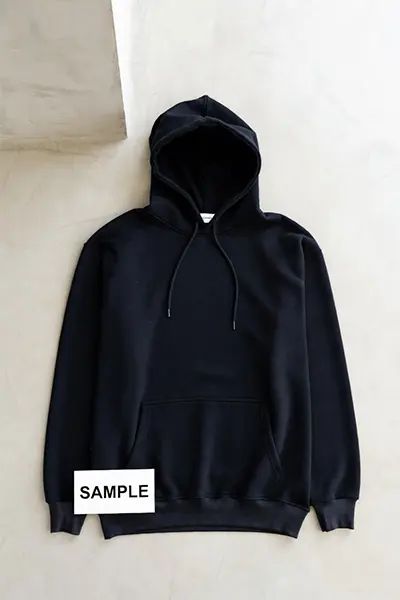
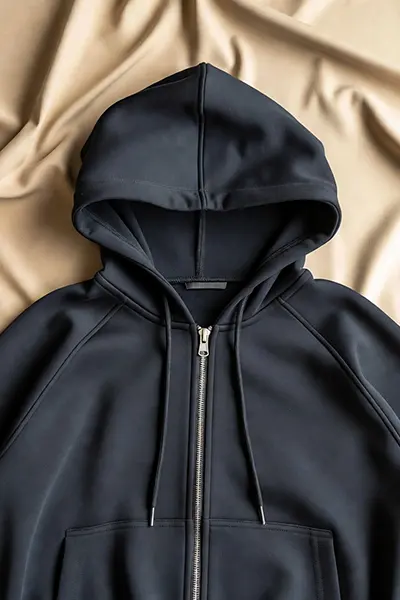
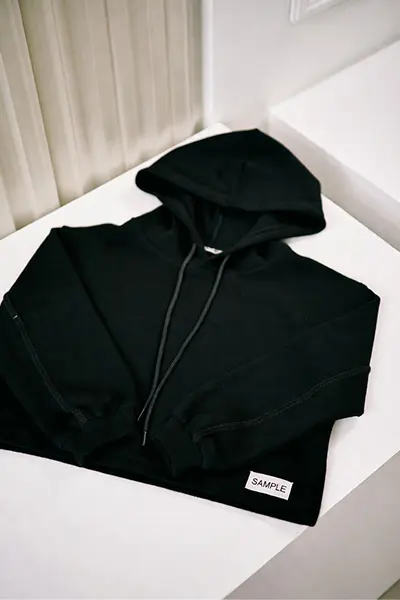
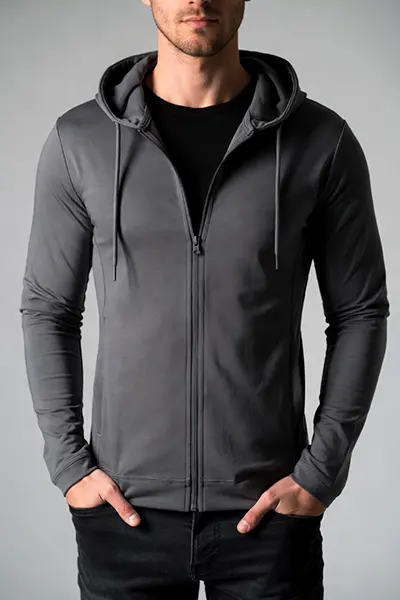
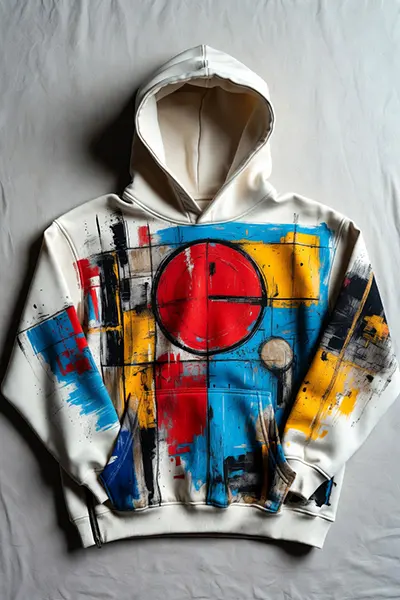
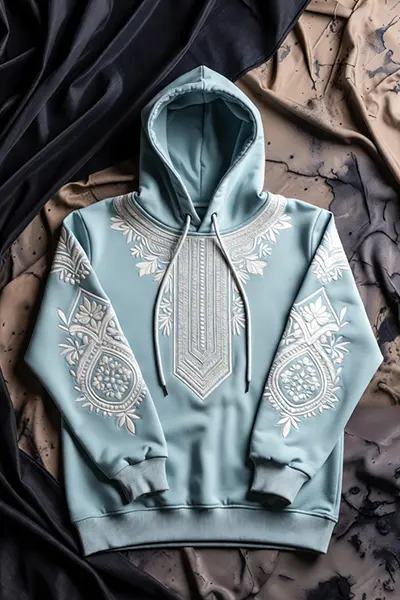
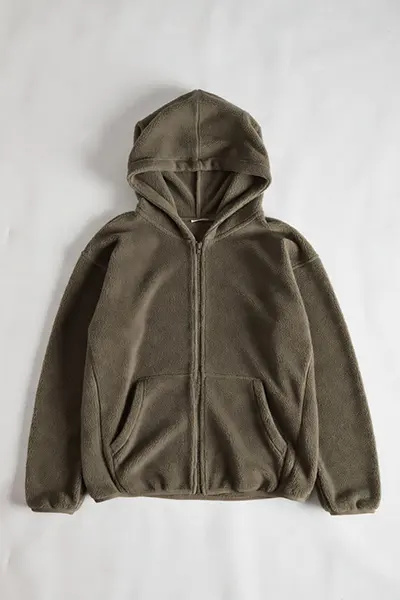
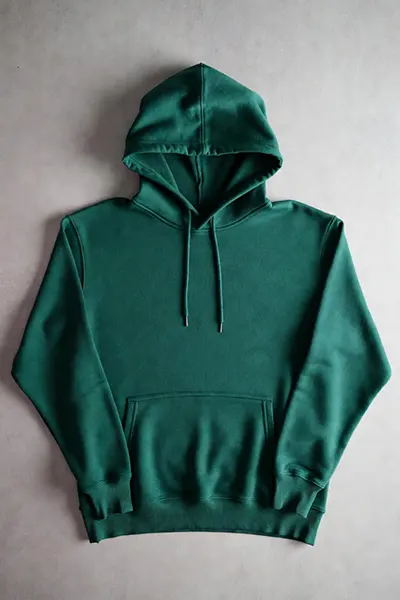
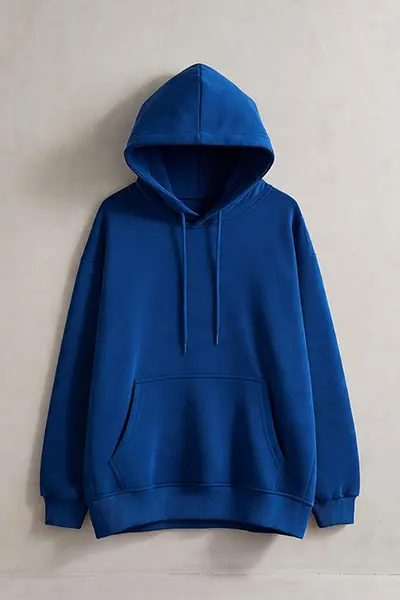
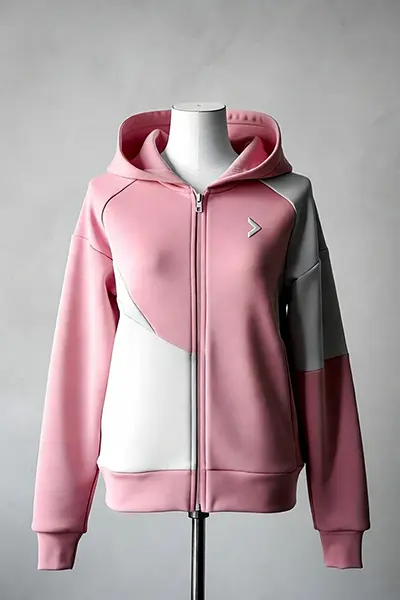
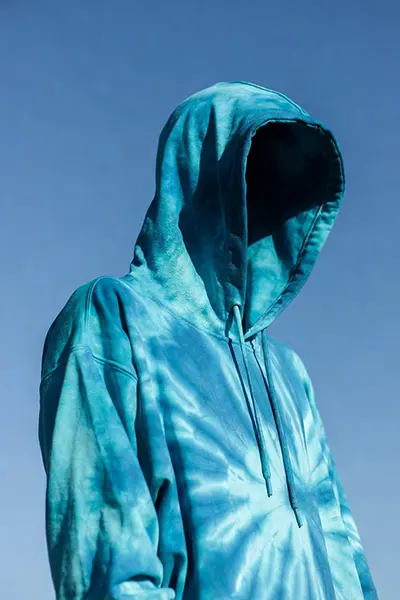
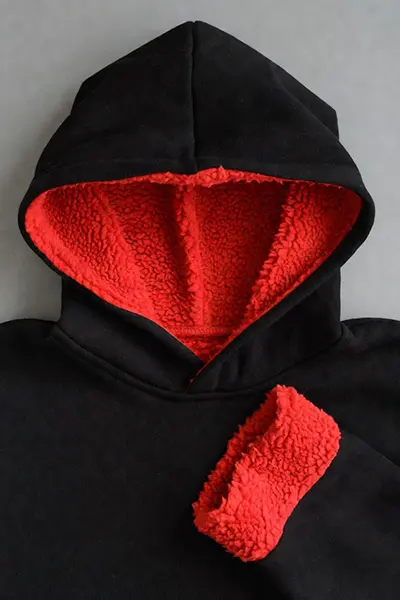
Knitwear is one of Bangladesh’s strongest categories. Knitwear apparel companies in Bangladesh produce a wide range of products, includingt-shirts,polo shirts,sweatshirts,hoodies,tank tops,leggings,joggers, and more.
The major export destinations for Bangladesh’s knitwear include the European Union, the United States, and the United Kingdom. These markets demand consistent quality and fast turnaround both of which Bangladeshi knitwear factories deliver well.
Woven
Woven apparel companies in Bangladesh specialize in products liketrousers,denim jeans,shorts, dress shirts, and formal wear. Thewoven segment requires precise cutting, structured construction, and detailed finishing all areas where Bangladeshi factories have built strong expertise.
These factories use advanced weaving technology and skilled tailoring workforces to meet the technical demands of international fashion brands.
Readymade Garment (RMG) Exporters Bangladesh and Global Market Reach
Readymade garment (RMG) exporters in Bangladesh serve a wide range of markets, from high-street fashion to premium retail brands. The reach of this industry spans nearly every continent.
Major Export Destinations
USA One of the top buyers of Bangladeshi garments. American retail brands rely heavily on Bangladesh for both basics and fashion-forward pieces.
European Union The EU is Bangladesh’s largest export market. Countries such as Germany, the UK, France, Spain, and the Netherlands import billions of dollars’ worth of garments each year.
Canada and Australia both countries have seen growing demand from Bangladeshi suppliers, particularly in casual wear and sportswear.
Key Buyers Working
Global brands like H&M, Zara, Gap, PVH, and Walmart source heavily from Bangladesh. Retail chains across Europe and North America regularly place large orders with Bangladeshi factories.
Private label buyers companies that sell clothing under their own brand names also find Bangladesh attractive because factories here can handle custom designs, branding, and packaging at scale.
Why International Buyers Prefer Export Companies in Bangladesh
There are several practical reasons why global buyers keep returning to apparel companies in Bangladesh. It goes beyond just low prices.
Competitive Pricing and Cost Efficiency
Labor costs in Bangladesh remain among the lowest in the world for garment production. Factory workers are paid a legally set minimum wage, which keeps production costs manageable without exploiting workers unfairly.
Beyond wages, raw material availability, local fabric sourcing, and established supply chains all contribute to keeping costs low. This pricing advantage allows international brands to maintain healthy profit margins even when selling at competitive retail prices.
Bangladesh also benefits from duty-free or reduced tariff access to many major markets under trade agreements, which adds another layer of cost savings for buyers.
Compliance, Certifications, and Ethical Manufacturing
Following the Rana Plaza tragedy in 2013, the garment industry in Bangladesh underwent a major transformation. Factory safety, worker rights, and ethical sourcing became priorities not just for brands but also for factory owners.
Today, many apparel hold certifications like BSCI, WRAP, OEKO-TEX, and ISO, which most international buyers require. Factories have significantly upgraded their fire safety systems, structural integrity, and worker welfare policies.
Texasia as a Leading Apparel Exporter Company in Bangladesh
Among the growing list of trusted manufacturers,Texasia has built a strong reputation as one of the reliable apparel export companies .
Overview of Texasia’s Export Capabilities
Texasia produces a wide range of garments for international buyers. Theirproduct range covers knitwear, woven items, kidswear, casualwear, and more all manufactured under one roof with consistent quality control.
Their manufacturing facilities are equipped with modern machinery and are staffed by an experienced workforce trained in international production standards. Production capacity is designed to handle both small-batch orders and large-scale bulk production, making it flexible for buyers of all sizes.
As a recognized Bangladesh garments factory, Texasia combines production scale with attention to detail.
Why Global Buyers Choose Texasia Among Apparel Export Companies in Bangladesh
Texasia meets the compliance requirements that global brands demand. Their production process follows ethical manufacturing practices, and they maintain documentation that supports international audit requirements.
Quality assurance is built into every stage of production from fabric sourcing to final inspection. Buyers also appreciate Texasia’s track record for on-time delivery, which is critical in a fast-moving fashion calendar.
For buyers looking to work with a wholesale or bulk apparel manufacturer, Texasia is well-positioned to handle the scale. You can reach their team directly through the contact page.
Professional Expertise and Industry Authority
First-Hand Industry Experience
Many professionals leading apparel companies have 15–30 years of hands-on experience. They have worked through market shifts, compliance changes, and global recessions building real expertise that formal education alone cannot provide.
Educational Background and Certifications
Industry leaders typically hold degrees in textile engineering, fashion technology, or business management, often from institutions such as Bangladesh University of Textiles (BUTEX). Many also hold certifications in quality management and compliance auditing.
Practical Exposure and Field Knowledge
Day-to-day factory management in Bangladesh requires managing large teams, communicating with global clients, sourcing raw materials, and handling export documentation giving practitioners a level of practical knowledge deeply rooted in real operations.
Real-World Experience and Case Studies of apparel companies
Practical Case Study Overview
A mid-sized Bangladeshi knitwear factory secured a 200,000-unit order from a European retail chain. The order required GOTS-certified organic cotton, specific color fastness standards, and delivery within 90 days.
Challenges Faced in Real Export Scenarios
The factory faced delays in certified yarn sourcing and had to manage production scheduling across two shifts to meet deadlines. Communication gaps between the buying house and the production floor also created early issues.
Results, Outcomes, and Key Learnings
The order was delivered on time with a 98.5% quality pass rate. The key learning was that early material sourcing and daily progress tracking are non-negotiable in export production.
Expert Insights and Professional Observations
Common Misconceptions in the Apparel Export Industry
Many buyers assume that low cost means low quality in Bangladesh but this is not accurate. Factories here produce for premium brands like H&M Conscious and Marks and Spencer, which require very high standards.
Expert Tips Based on Experience
Always request a factory audit report and sample production before committing to a large order. Working with factories that have active compliance certifications saves time and avoids problems down the line.
What Professional Do Differently
Top-performing Top-performing apparel companies invest in pre-production planning, maintain strong buyer communication, and conduct in-line quality checks throughout production not just at the end.
invest in pre-production planning, maintain strong buyer communication, and conduct in-line quality checks throughout production not just at the end.
Step-by-Step Practical Process of Working
Initial Requirements and Preparation
Before reaching out to any factory, prepare your tech pack, target price, required certifications, and delivery timeline. This speeds up the quoting process and signals professionalism to the supplier.
Execution Process Explained Clearly
Start with a Request for Quotation (RFQ), followed by sample development, pre-production meeting, bulk production, in-line inspection, final inspection, and shipment booking. Each step has its own timeline and approval points.
Common Mistakes to Avoid
Do not skip the sample approval stage. Rushing into bulk without an approved sample leads to costly errors in color, fit, or construction.
Best Practices for Better Export Results
Always build a buffer in your delivery timeline at least 7–10 extra days to account for customs clearance and unforeseen delays.
Verified Data, Facts, and Evidence
Official Export Data and Trusted Sources
According to the Export Promotion Bureau (EPB) of Bangladesh, total garment exports crossed $47 billion in the fiscal year 2022–23, with continued growth projected for 2024–25.
Industry Statistics and Export Reports
The BGMEA (Bangladesh Garment Manufacturers and Exporters Association) reports over 4,000 export-oriented garment factories currently operating in Bangladesh, collectively employing millions of workers.
Fact-Checking and Accuracy Notes
All statistics in this content are sourced from official industry bodies, including EPB, BGMEA, and World Bank reports. Data may shift slightly year to year based on market conditions and global demand cycles.
Transparency, Risks, and Limitations
Situations Where Export Results May Vary
Lead times and pricing can vary based on order size, fabric type, certification requirements, and season. Holiday production peaks (typically Q3–Q4) often push timelines out.
Potential Risks and Export Challenges
Currency fluctuations, port congestion, and rising energy costs are among the common challenges that Bangladeshi exporters face. Political disruptions can occasionally affect shipment schedules.
What This Content Does Not Cover
This content does not provide legal sourcing advice or specific contract terms. For legal and trade compliance guidance, consult a qualified trade attorney or sourcing consultant.
Certifications and Compliance Standards
Compliance is no longer optional in global garment sourcing it is a baseline requirement. Export companies in Bangladesh that want to work with major brands must hold recognized certifications.
BSCI (Business Social Compliance Initiative) This certification audits factories on social compliance, including fair wages, working hours, child labor policies, and workplace safety. Many European buyers require BSCI-audited suppliers.
WRAP (Worldwide Responsible Accredited Production) A widely recognized certification in North America. WRAP certification covers twelve principles of ethical manufacturing, including legal compliance and environmental practices.
OEKO-TEX Standard 100 This certification tests textile products for harmful substances. It is particularly important for baby clothing suppliers and children’s wear categories. Texasia also producesbaby clothes andkids’ wear products that meet these standards.
ISO 9001 The international standard for quality management systems. ISO-certified factories have documented processes, measurable quality targets, and regular internal audits.
Certification Focus Area Key Market
BSCI Social Compliance Europe
WRAP Ethical Manufacturing North America
OEKO-TEX 100 Harmful Substance Testing Global
ISO 9001 Quality Management Global
Manufacturing Capabilities and Production Infrastructure
The strength of Top-performing apparel companies invest in pre-production planning, maintain strong buyer communication, and conduct in-line quality checks throughout production not just at the end.
lies heavily in their physical production capabilities.
Factory size varies widely across the industry. Small factories may employ 200–500 workers, while large factories often called composite mills can employ 5,000 to 20,000+ workers under one roof. Composite mills handle everything from yarn spinning to finished garment production.
Machinery in modern Bangladeshi factories includes single-needle lock-stitch machines, overlock machines, flatlock machines, computerized embroidery units, and automated cutting systems. High-end factories also use CAD/CAM pattern-making software to reduce fabric wastage and improve precision.
The workforce is one of Bangladesh’s greatest assets. The country has a large, trainable labor pool with generations of experience in garment construction. Technical training institutes and on-the-job learning programs continue to improve skill levels across the industry.
How to Choose the Best Apparel Export Companies
Picking the right factory partner takes more than just comparing prices. Here is what to look for:
Compliance record Ask for audit reports, certifications, and worker welfare policies. A factory with up-to-date compliance documentation is far less likely to create problems for your brand reputation.
Production capacity Ensure the factory can handle your order size without overcommitting. A factory running at 100% capacity for multiple clients will struggle to prioritize your delivery.
Experience in your product category A factory that specializes in knitwear may not be the best choice for structured woven garments. Match the factory’s core strength to your product type.
Communication quality How a factory communicates during the inquiry stage tells you a lot about how they will perform during production. Fast, clear, and professional responses are a good sign.
Sampling capability Strong sampling departments mean accurate bulk production. Ask for a counter sample or pre-production sample before finalizing your order. Texasia, for instance, supportsdresses,rompers,bodysuits,pajamas, andshorts across their sampling and bulk lines.
Future of Apparel Export Companies in Bangladesh
The garment industry in Bangladesh is not standing still. Major changes are already underway that will shape the next decade.
Automation is entering Bangladeshi factories at a steady pace. Automated cutting machines, sewing robots for basic stitch types, and AI-powered quality inspection tools are being adopted by leading factories. This will reduce production time and improve consistency.
Sustainability is becoming a central focus. Green factory certifications (LEED) are on the rise Bangladesh now has more LEED-certified green garment factories than any other country in the world. Buyers from Europe, especially, are demanding carbon-neutral, water-efficient production, and Bangladeshi factories are responding.
Export growth projection Industry analysts and BGMEA projections suggest Bangladesh aims to reach $100 billion in garment exports by 2030. To achieve this, the country is expanding product diversity beyond basics into higher-value categories like activewear, technical textiles, and premium fashion.
The combination of low cost, improved quality, greater compliance, and green manufacturing positions Apparel Companies well for long-term global relevance.
Certifications and Compliance Standards at a Glance
| Certification | Main Focus Areas | What It Covers |
|---|---|---|
| BSCI (Business Social Compliance Initiative) | Worker rights & workplace ethics | Ensures fair wages, safe working conditions, no child or forced labor, and respect for workers’ rights across the supply chain. |
| WRAP (Worldwide Responsible Accredited Production) | Ethical manufacturing | Based on 12 principles including lawful, humane, and ethical manufacturing covering areas like health & safety, wages, working hours, and environmental practices. |
| OEKO-TEX (Standard 100) | Chemical safety in textiles | Tests textiles for harmful substances, ensuring products are safe for human use and environmentally friendly during production. |
| ISO 9001 | Quality management | Sets standards for consistent quality, customer satisfaction, continuous improvement, and effective process management. |
| LEED (Leadership in Energy and Environmental Design) | Environmental sustainability | Certifies buildings for eco-friendly design, energy efficiency, water conservation, and sustainable construction materials. |
Frequently Asked Questions
What makes Bangladesh a top destination for apparel sourcing?
Bangladesh offers a rare combination of low labor costs, a large skilled workforce, and improving compliance standards that are very attractive to international buyers.
How many garment factories are currently operating in Bangladesh?
According to BGMEA, over 4,000 export-oriented garment factories are operating in Bangladesh.
What types of garments do Apparel Companies produce?
They produce a wide range, including t-shirts, polo shirts, denim jeans, trousers, dresses, hoodies, kidswear, activewear, and much more across both knitwear and woven categories.
How long does it take to get an order from Bangladesh?
Typical lead times range from 60 to 120 days, depending on product complexity, fabric availability, and order volume.
Is the Bangladesh garment industry compliant with international standards?
Yes most major Apparel Companies hold certifications like BSCI, WRAP, OEKO-TEX, and ISO, meeting the requirements of global retail brands.
What is the minimum order quantity (MOQ) for Bangladeshi factories?
MOQ varies by factory, but many mid-to-large factories offer minimum orders of 500 to 1,000 pieces per style, with some willing to negotiate for new buyers.
Are Bangladesh factories safe to work with after Rana Plaza?
The industry has made significant safety improvements since 2013, with thousands of factories undergoing structural, fire, and electrical safety upgrades through programs like the Accord and Alliance.
How can I contact a reliable apparel export company in Bangladesh?
You can reach out directly to companies like Texasia through their contact page to discuss your sourcing needs and get a quote.
Conclusion
Apparel export companies in Bangladesh are among the most dependable manufacturing partners in the global fashion industry. With decades of experience, a skilled workforce, strong compliance infrastructure, and a clear path toward sustainable growth, Bangladesh remains a go-to sourcing destination. Whether you need knitwear, woven garments, or specialty items, the right Bangladeshi factory partner can deliver quality, consistency, and value.

