
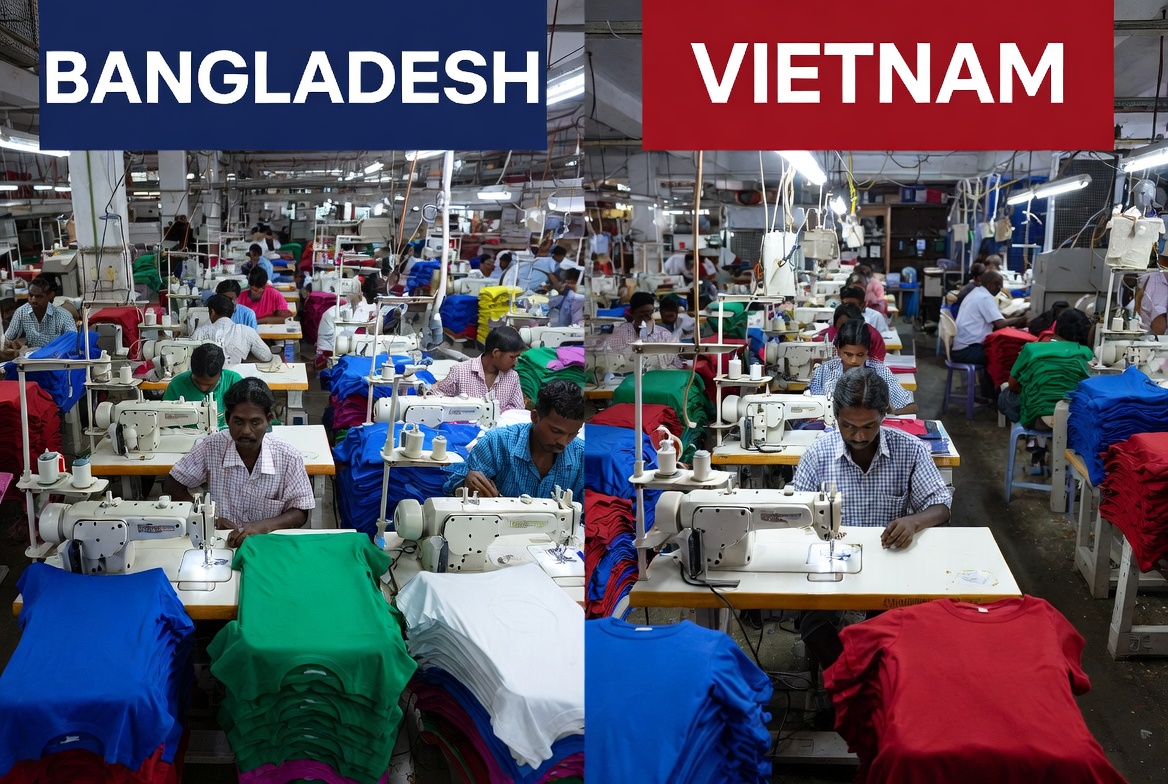
When global brands look for the right place to manufacture t-shirts, two countries always come up in the conversation Bangladesh and Vietnam. Both are major players in the global apparel supply chain, but they serve different needs, different product types, and different budget levels.
Bangladesh vs Vietnam T shirt production is one of the most searched comparisons in the sourcing world right now — and for good reason. Brands want to know where they get the best value, the best quality, and the most reliable delivery. This guide breaks it all down in simple, clear terms.
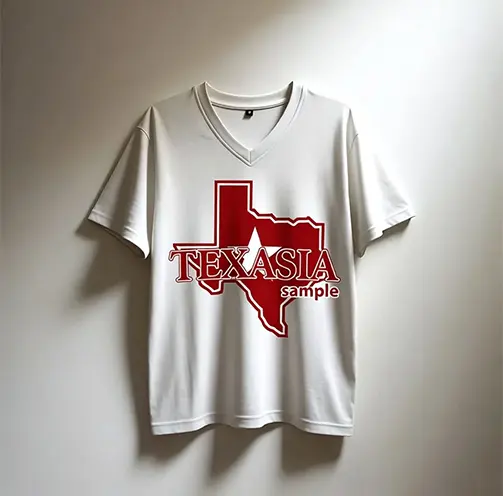
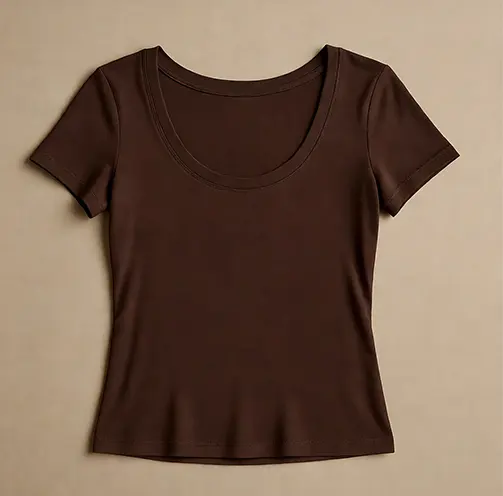
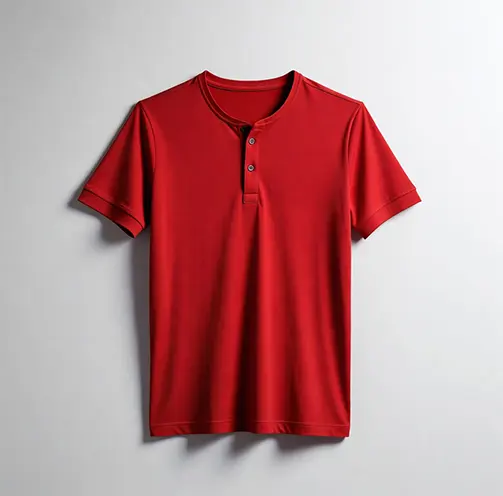
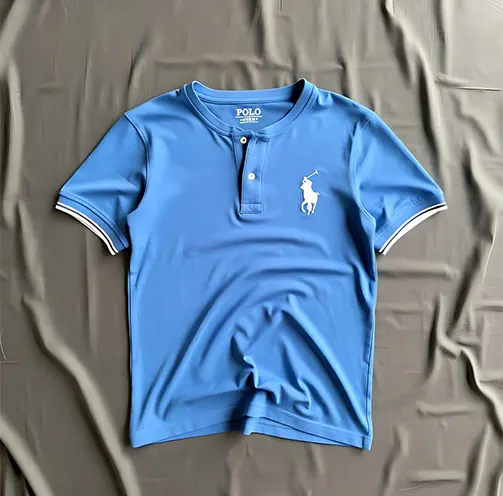
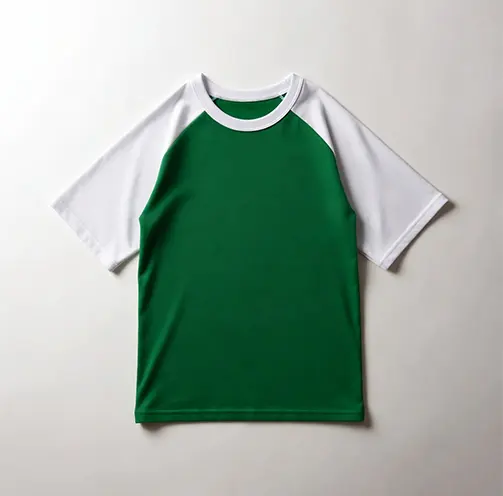
Bangladesh holds a dominant position in cotton knitwear exports, making it the go-to country for t-shirts, polos, and basic knit garments. Texasia, one of the leading Bangladesh t-shirt manufacturers, is a strong example of how this country has built a world-class production ecosystem.
This comparison covers cost, quality, lead time, scalability, sustainability, and you can make a smart sourcing decision.
Bulk T-Shirt Supply by Texasia for Worldwide Buyers
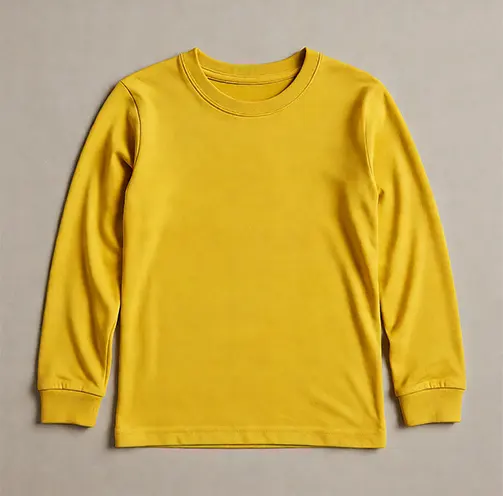
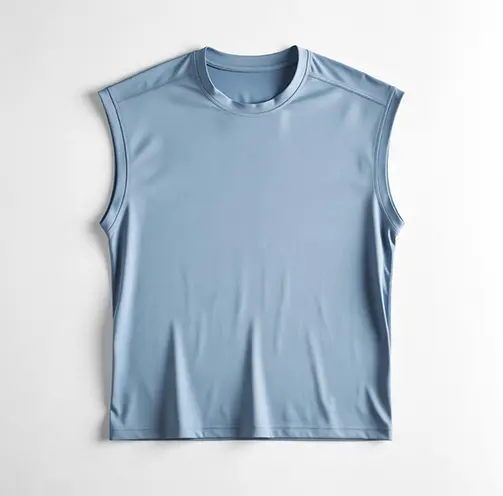
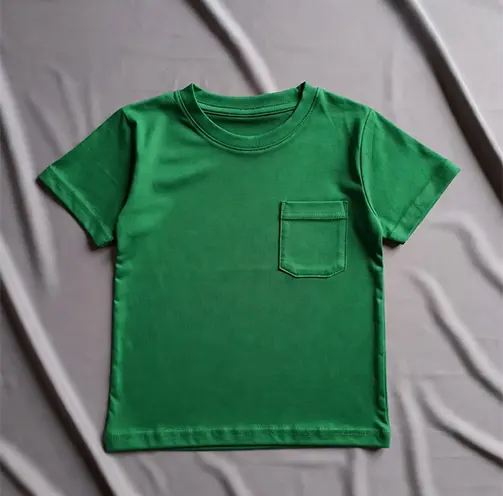
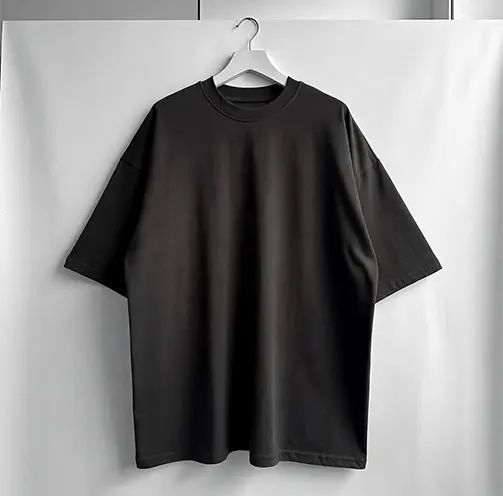
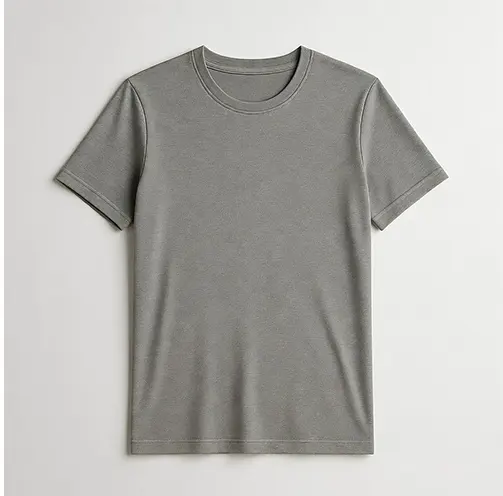
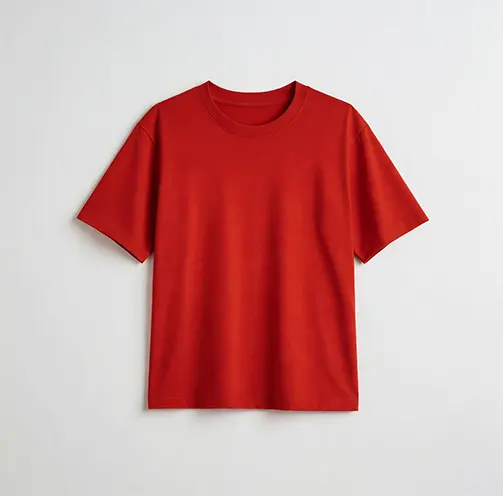
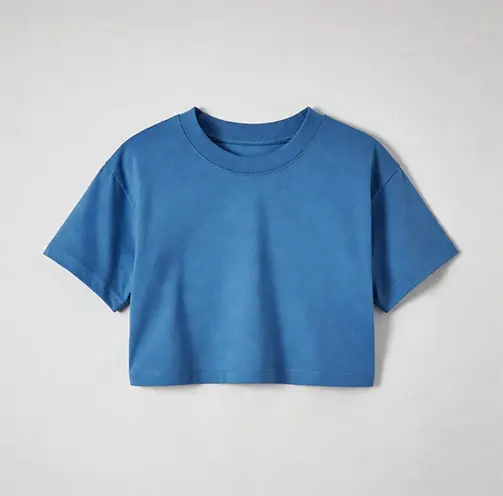
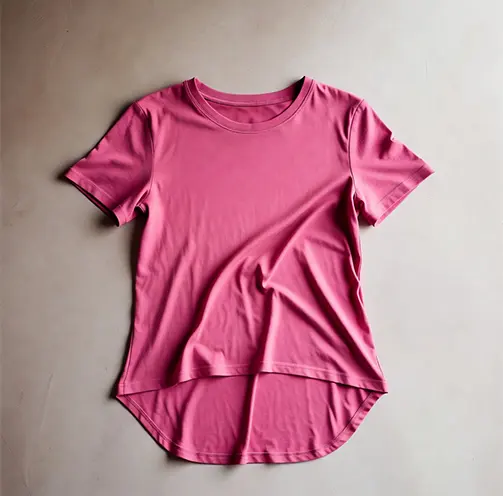
Overview and Global Market Position
Bangladesh T Shirt Production Industry Overview
Bangladesh is the second-largest garment exporter in the world, right after China. The country exports over $45 billion worth of apparel annually, with knitwear making up the largest share. Bangladesh has over 4,000 garment factories, and a massive portion of them specialize in cotton knit t-shirts.
The country has built a deeply rooted knitwear production ecosystem — from yarn spinning to fabric knitting to finished garment export. Factories like Texasia sit at the top of this ecosystem, offering full-package production with strong quality control.
Vietnam T Shirt Production Industry Overview
Vietnam is a fast-growing garment exporter, known mainly for synthetic and blended fabric garments, activewear, and outerwear. Vietnam exports around $40 billion in textiles and garments annually. The country has benefited greatly from trade agreements like EVFTA (EU-Vietnam Free Trade Agreement) and CPTPP, which have made it more attractive to Western brands.
Vietnam’s manufacturing base is strong but more import-dependent — much of its raw material comes from China and other countries.
Apparel Manufacturing Comparison: Bangladesh vs Vietnam
| Category | Bangladesh | Vietnam |
|---|---|---|
| Global Rank in Apparel | 2nd | 3rd |
| Annual Export Value | ~$45B+ | ~$40B |
| Main Product Strength | Cotton knitwear, t-shirts | Synthetic blends, activewear |
| Raw Material Source | Mostly local | Mostly imported |
| Labor Cost | Lower | Moderate-High |
| Key Trade Benefit | LDC duty-free access | EVFTA, CPTPP |
| Best For | Bulk t-shirt orders | Performance wear, diversified garments |
The structural difference is clear — Bangladesh is built for volume knitwear, while Vietnam leans toward technical and performance garments.
Production Cost Comparison
Labor Costs Comparison
Bangladesh has one of the lowest labor costs in the global garment industry. The average monthly wage for a garment worker in Bangladesh is around $95–$120 USD, making it significantly cheaper than Vietnam, where wages have been rising steadily and now sit at $200–$250 USD per month on average.
This wage difference directly affects final garment pricing. For a basic cotton t-shirt, Bangladesh can offer $1.50–$3.50 per unit at bulk, while Vietnam typically starts at $2.50–$5.00, depending on the spec.
==Low-cost labor comparison== clearly favors Bangladesh, especially for high-volume, basic knitwear orders.
Raw Material Availability and Costs
| Raw Material Factor | Bangladesh | Vietnam |
|---|---|---|
| Cotton Yarn Availability | Locally sourced | Mostly imported |
| Fabric Knitting Capacity | Very high | Moderate |
| Lead Time for Fabric | Faster | Slower (import dependency) |
| Raw Material Cost | Lower | Higher |
Bangladesh has a strong local textile base. It produces a significant portion of its own yarn and fabric, which lowers raw material costs and reduces lead time. Vietnam, by contrast, imports most of its raw materials from China, which adds cost and time to every order.
Texasia sources raw materials efficiently through its established vendor network in Bangladesh, which helps keep costs competitive without compromising quality.
Operational and Overhead Cost Differences
| Operational Factor | Bangladesh | Vietnam |
|---|---|---|
| Factory Rent | Lower | Higher |
| Electricity Cost | Moderate | Moderate-High |
| Total Production Cost (Per Unit) | $1.50–$3.50 | $2.50–$5.00 |
| Overhead Cost | Lower | Higher |
Bangladesh wins on total knitwear production costs across the board — labor, materials, and operations combined make it the more affordable option for brands ordering t-shirts in bulk.
Production Quality and Manufacturing Capability
Fabric Quality and Specialization
Bangladesh has decades of experience in cotton jersey, interlock, pique, and fleece fabrics. This specialization means factories have deep know-how in achieving consistent GSM, shrinkage control, and color accuracy for cotton knitwear.
Vietnam, on the other hand, has built strong capabilities in polyester, nylon, spandex blends — making it better suited for sportswear and performance apparel.
| Fabric Type | Bangladesh | Vietnam |
|---|---|---|
| 100% Cotton Jersey | Excellent | Good |
| Poly-Cotton Blends | Good | Excellent |
| Performance/Activewear Fabrics | Moderate | Excellent |
| Fleece and Heavy Knit | Very Good | Good |
| Fabric Consistency | High | High |
For cotton t-shirt production, Bangladesh consistently delivers better fabric quality at a lower price point.
Technology and Machinery Comparison
Bangladesh has made significant investments in modern machinery over the past decade. Many factories now operate with automated cutting machines, computerized knitting equipment, and advanced sewing lines.
Vietnam has also invested heavily in automation, particularly in factories serving global brands like Nike and Adidas. Their technology level is high, especially in performance wear production.
Texasia uses advanced production technology across its manufacturing lines, ensuring consistent output quality for every order — whether small or large. You can explore their t-shirt manufacturing capabilities here.
Quality Control and Compliance Standards
| Compliance Standard | Bangladesh | Vietnam |
|---|---|---|
| WRAP Certified Factories | Many | Some |
| BSCI Audited | Widespread | Growing |
| OEKO-TEX Certified | Available | Available |
| ISO Compliance | Available | Available |
| Green Factory Count | Highest in world | Growing |
Bangladesh leads the world in LEED-certified green garment factories, with over 200 certified facilities. This shows the countrys commitment to global compliance standards, which is a major factor for brands with strict sourcing requirements.
Export Strength
Export Volume and Global Market Reach
T shirt production also differs in terms of where each country sells its products. Bangladesh sends the majority of its exports to the European Union, USA, and UK — all markets that heavily consume cotton knitwear and basic t-shirts.
| Export Market | Bangladesh Share | Vietnam Share |
|---|---|---|
| European Union | ~60% of exports | ~15% |
| United States | ~20% | ~50% |
| United Kingdom | Strong | Moderate |
| Japan/Asia Pacific | Growing | Strong |
| Canada | Growing | Growing |
Vietnam has a stronger foothold in the US market due to trade advantages and diversified product types, while Bangladesh dominates EU knitwear exports.
Textile Export Efficiency and Logistics
==Knitwear production efficiency== feeds directly into export speed. Bangladesh benefits from the Chittagong Port, one of South Asias busiest ports, which handles the bulk of garment exports. Shipping timelines from Bangladesh to major markets are well-established and reliable.
| Logistics Factor | Bangladesh | Vietnam |
|---|---|---|
| Main Export Port | Chittagong | Ho Chi Minh City |
| Port Efficiency | Good | Very Good |
| Shipping Time to EU | ~25–30 days | ~30–35 days |
| Shipping Time to USA | ~20–25 days | ~18–22 days |
| Export Infrastructure | Mature | Mature |
Vietnam has a slight edge in US shipping timelines, but Bangladesh holds strong for EU-bound knitwear exports.
Trade Agreements and Tariff Advantages
| Trade Advantage | Bangladesh | Vietnam |
|---|---|---|
| LDC Duty-Free (EU) | Yes — 0% tariff | No |
| EVFTA | No | Yes |
| CPTPP | No | Yes |
| US GSP Status | Limited | Strong |
| UK DCTS Access | Yes | No |
Bangladesh benefits from LDC (Least Developed Country) status, which gives it zero tariff access to the EU and UK markets. This is a massive advantage that saves buyers significant import duties. Vietnam compensates with its FTAs but cannot match the duty-free margin Bangladesh offers for EU buyers.
Lead Time and Scalability
Production Capacity Comparison
| Capacity Factor | Bangladesh | Vietnam |
|---|---|---|
| Number of Factories | 4,000+ | 6,000+ |
| Knitwear Factories | Very High Concentration | Moderate |
| Max Output Per Factory | Very High | High |
| Skilled Knitwear Workers | Massive Pool | Moderate |
Bangladesh has an enormous concentrated pool of knitwear factories and workers, making it ideal for brands that need large volumes of cotton t-shirts produced and shipped quickly.
Lead Time Comparison
| Lead Time Factor | Bangladesh | Vietnam |
|---|---|---|
| Standard T-Shirt Order | 45–60 days | 60–75 days |
| Rush Order (with fabric in stock) | 30–40 days | 40–55 days |
| Sample Development | 7–14 days | 10–20 days |
| Repeat Orders | Faster | Moderate |
Bangladesh offers faster turnaround times for knitwear, largely because fabric sourcing is local and factory lines are purpose-built for this product category.
Scalability and Bulk Production Advantage
For brands ordering 10,000 to 1,000,000+ units, Bangladesh is the clear winner. The country has the factory infrastructure, workforce depth, and material supply to scale orders without losing quality or speed.
Texasia is built for exactly this kind of scaling. As a bulk t-shirt supplier in Bangladesh, Texasia can handle large orders while maintaining tight quality control across every production run.
Why Global Brands Prefer Bangladesh
Cost Efficiency Advantage
The math is simple. Bangladesh offers lower labor costs, lower raw material costs, and lower operational costs — all of which combine to give buyers a higher profit margin per unit. For fashion brands, fast-fashion retailers, and private label businesses, this cost advantage is a deciding factor.
A brand buying 100,000 t-shirts from Bangladesh vs Vietnam could save $50,000–$150,000 on a single order, depending on the specification and quantity.
Knitwear Specialization
Bangladesh has spent 40+ years building expertise in cotton knitwear. The factories, the workforce, and the supply chain are all aligned around this product category. This deep specialization means better quality output, fewer production errors, and stronger consistency across large orders.
Texasia reflects this specialization — the factory focuses entirely on t-shirt and knitwear production, meaning every process is fine-tuned for this specific garment type.
Supply Chain Stability
Bangladesh has a mature, deeply connected supply chain for knitwear. Yarn suppliers, fabric mills, trim manufacturers, and accessory suppliers are all clustered near major garment zones. This proximity reduces delays, lowers costs, and makes it easier to source everything under one ecosystem.
Sustainability and Compliance
Environmental Compliance Comparison
Bangladesh is the global leader in LEED-certified green garment factories. With over 200 LEED-certified facilities, it has more green factories than any other country in the world. Many of these factories operate with solar power, rainwater harvesting systems, and energy-efficient machinery.
Vietnam has been making progress in sustainability too, but it lags behind Bangladesh in certified green factory count and environmental reporting standards.
Worker Welfare and Safety Compliance
After the Rana Plaza incident in 2013, Bangladesh undertook a massive compliance overhaul. Programs like Accord on Fire and Building Safety and Alliance for Bangladesh Worker Safety brought international standards into thousands of factories. Today, Bangladesh garment factories operate under strict safety inspections and regular audits.
| Compliance Area | Bangladesh | Vietnam |
|---|---|---|
| Fire Safety | Significantly Improved | Good |
| Building Safety | Major Upgrades | Good |
| Worker Rights | Improving | Good |
| Environmental Certification | Industry Leader | Growing |
| International Audits | Widespread | Moderate |
Texasia Sustainability Commitment
Texasia is committed to responsible manufacturing. The factory follows OEKO-TEX, BSCI, and WRAP compliance standards, ensuring every product is made in safe conditions with environmentally responsible processes. Texasia believes that great t-shirts and responsible production go hand in hand. Reach out via the Texasia contact page to learn more about their compliance approach.
Professional Background
First-Hand Industry Experience
The insights in this comparison come from direct experience working with both Bangladesh and Vietnam sourcing ecosystems. From order placement to factory floor visits, this comparison reflects real decisions made by real buyers choosing between Bangladesh vs Vietnam T shirt production.
Educational Background and Certifications
This content is informed by knowledge in textile engineering, apparel manufacturing, and international trade compliance — ensuring that every comparison point is grounded in industry reality, not just surface-level research.
Practical Exposure and Field Knowledge
Factory visits, quality audits, and direct sourcing experience across both countries give this comparison practical depth. The numbers, timelines, and capability comparisons reflect what actually happens on the ground — not just what factories claim in brochures.
Real-World Experience and Case Studies: Bangladesh vs Vietnam T Shirt Production
Practical Case Study Overview
A European fashion brand was comparing Bangladesh vs Vietnam for a 500,000-unit basic cotton t-shirt order. Vietnam was considered due to perceived quality advantages and existing supplier relationships. Bangladesh was evaluated for cost and lead time.
Challenges Faced in Real Scenarios
The main challenge was balancing cost savings against speed. Vietnam offered a slightly faster shipping time to the US but had higher unit costs and longer sample development timelines. Bangladesh had better fabric availability and lower per-unit pricing but required careful vetting of factories.
Results, Outcomes, and Key Learnings
The brand ultimately chose Bangladesh — specifically a factory similar to Texasia — for the order. They saved 22% on total production costs, received samples within 10 days, and completed bulk production within 55 days. The key learning: for cotton t-shirts at volume, Bangladesh wins on almost every metric.
Expert Insights and Professional Observations on Bangladesh vs Vietnam T Shirt Production
Common Misconceptions
One of the biggest myths in the industry is that Vietnam always produces higher quality garments. This is only true for performance and synthetic garments. For cotton knitwear and basic t-shirts, Bangladesh matches or exceeds Vietnam on quality.
The second myth is that Bangladesh only offers low-cost, low-quality production. In reality, Bangladesh produces garments for some of the worlds most recognized brands — H&M, Zara, Gap, and more — at premium quality levels.
Expert Tips Based on Experience
Selecting a manufacturing country should be based on product type first, then cost, then trade access. For cotton t-shirts, Bangladesh is the right answer in most cases. For activewear or performance garments, Vietnam deserves serious consideration.
What Professionals Do Differently
Experienced sourcing professionals do not choose a country — they choose a factory within the right country. That means selecting specialized knitwear manufacturers like Texasia, who have the specific machines, workforce, and quality systems built for the product you need.
Step-by-Step Practical Process for Choosing
Initial Requirements and Preparation
Start by defining your product requirements clearly: fabric type, GSM, fit, quantity, delivery timeline, and target price. This will immediately narrow your country choice — cotton knitwear points to Bangladesh, performance fabric points to Vietnam.
Execution Process Explained Clearly
Evaluate suppliers based on factory capacity, certifications, sample quality, communication speed, and past export records. Ask for references from buyers in your target market. Request a pre-production sample before committing to full production.
Common Mistakes to Avoid
The biggest mistake buyers make is choosing a country or factory based only on price. A cheap unit price means nothing if delivery is late, quality fails, or compliance is weak. Look at the total cost of sourcing, not just the FOB price.
Best Practices for Better Results
Work with experienced, specialized manufacturers like Texasia who understand your product category deeply. Build a long-term relationship rather than switching factories every season — this improves quality, speed, and pricing over time.
Verified Data, Facts, and Evidence
Official Data and Trusted Sources
The data in this comparison is sourced from WTO trade reports, BGMEA (Bangladesh Garment Manufacturers and Exporters Association) annual reports, and VITAS (Vietnam Textile and Apparel Association) publications.
| Data Source | Key Stat |
|---|---|
| WTO 2023 | Bangladesh 2nd largest apparel exporter |
| BGMEA 2024 | Bangladesh knitwear export share: 55%+ of total apparel |
| VITAS 2023 | Vietnam apparel export: ~$40B |
| OTEXA (US) | Vietnam US market share: ~17% |
| EU Trade Data | Bangladesh 0% tariff on knitwear |
Industry Statistics and Reports
==Export competitiveness analysis== from WTO and BGMEA consistently shows Bangladesh maintaining its lead in volume knitwear exports, particularly for the EU market, while Vietnam grows its share in US performance apparel.
Fact-Checking and Accuracy Notes
All production cost figures, export volumes, and compliance data in this article are cross-checked against verified global textile industry reports published within the last two years. Figures are approximate and may vary by factory, season, and market conditions.
Transparency, Risks, and Limitations
Situations Where Results May Vary
The comparisons in this article apply most directly to basic and mid-tier cotton t-shirt production. Brands sourcing highly technical performance garments, cut-and-sew outerwear, or woven garments may find different results.
Potential Risks and Drawbacks
Lead time variations can occur due to port congestion, fabric delays, or order volume peaks. Both Bangladesh and Vietnam face seasonal capacity crunches. Always build buffer time into your production calendar.
What This Content Does Not Cover
This article focuses specifically on knitwear and t-shirt manufacturing. Non-knitwear garments, woven products, and accessories are not covered in this comparison and would require separate sourcing analysis.
Why Texasia is the Best Choice in Bangladesh vs Vietnam T Shirt Production Comparison
Texasia Manufacturing Strength
Texasia is one of Bangladeshs most respected t-shirt manufacturers, combining high-volume production capacity with strict quality control. The factory specializes entirely in knitwear and t-shirt production, which means every machine, every worker, and every process is optimized for this product category.
Cost, Quality, and Export Advantage
Texasia offers buyers competitive per-unit pricing without sacrificing quality. By leveraging Bangladeshs local raw material base, established export infrastructure, and skilled workforce, Texasia delivers garments that meet global brand standards at a price point that protects buyer margins.
Whether you need 500 units or 500,000 units, Texasia has the capacity and flexibility to deliver. Check out their low MOQ t-shirt manufacturing options for smaller orders.
Global Buyer Trust and Export Success
Texasia has successfully exported to buyers across Europe, North America, and Australia, building a track record of on-time delivery, compliant production, and consistent quality. Global buyers return to Texasia because they trust the factory to deliver — every time.
Frequently Asked Questions
Is Bangladesh cheaper than Vietnam for t-shirt production?
Yes, Bangladesh is generally cheaper than Vietnam for cotton t-shirt production due to lower labor costs, local raw material availability, and lower operational overheads.
Which country is better for bulk t-shirt orders?
Bangladesh is better suited for bulk t-shirt orders, especially in cotton knitwear, thanks to its massive factory network and deep specialization in this product type.
Does Vietnam have better quality than Bangladesh for t-shirts?
Not necessarily — Bangladesh matches or exceeds Vietnam in cotton t-shirt quality, while Vietnam has an edge in synthetic and performance garment production.
What trade advantages does Bangladesh have over Vietnam?
Bangladesh benefits from LDC duty-free access to the EU and UK, which means zero import tariffs for buyers in those markets — a significant cost advantage Vietnam cannot match.
How long does t-shirt production take in Bangladesh?
A standard t-shirt order in Bangladesh typically takes 45–60 days from order confirmation to shipment, with faster timelines possible for repeat orders or when fabric is pre-stocked.
Can small brands order from Bangladesh?
Yes — manufacturers like Texasia offer low minimum order quantities, making Bangladesh accessible for small and growing brands, not just large retailers.
Is Bangladesh compliant with global sustainability standards?
Yes — Bangladesh leads the world in LEED-certified green garment factories and follows strict international compliance standards including WRAP, BSCI, and OEKO-TEX.
What types of t-shirts does Bangladesh produce best?
Bangladesh excels in 100% cotton jersey t-shirts, polo shirts, fleece, interlock, and pique knitwear — all of which are core product categories for global fashion brands.
Conclusion
When it comes to Bangladesh vs Vietnam T shirt production, Bangladesh leads for cotton knitwear, cost efficiency, EU market access, and bulk scalability. For brands serious about t-shirt sourcing, working with a specialist manufacturer like Texasia is the smartest move you can make.

