
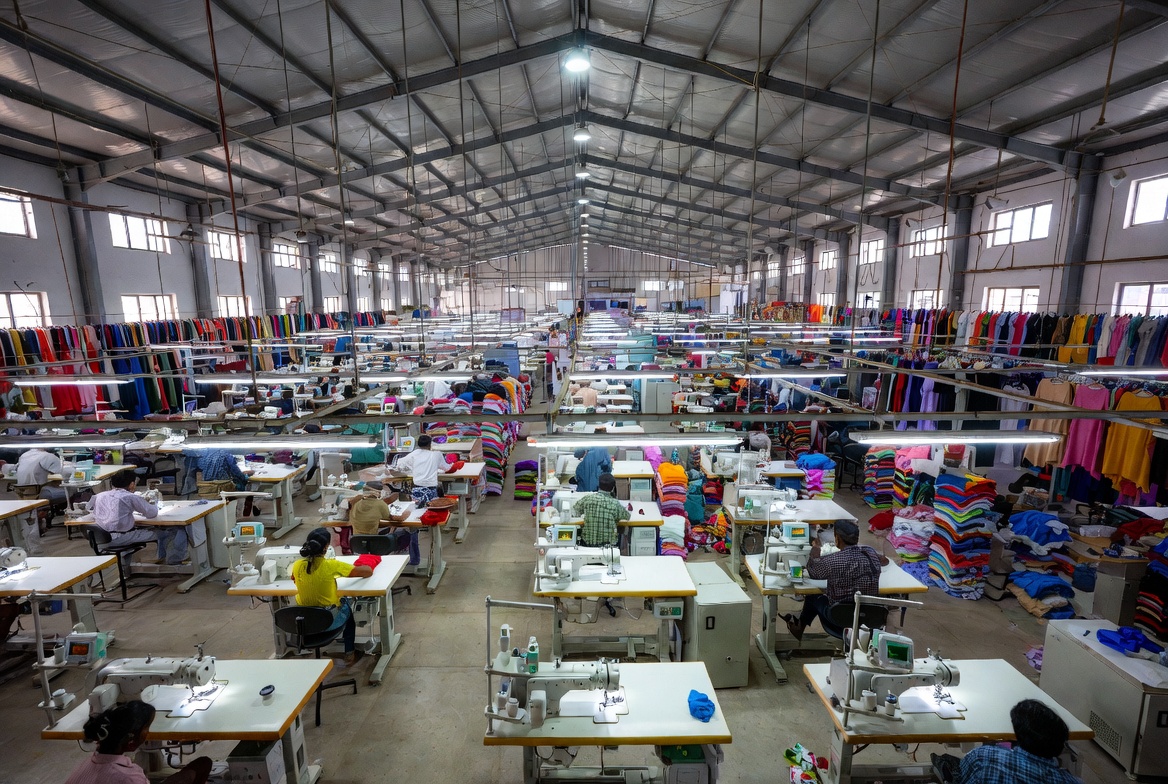
The RMG industry Bangladesh 2026 is at the centre of global apparel sourcing like never before. Bangladesh has grown into the world’s second-largest garment exporter, and 2026 marks a year when that position will be stronger, smarter, and more sustainable. For buyers looking to source quality garments at scale, and for manufacturers ready to meet international standards, Bangladesh offers something no other country can match right now — volume, compliance, and competitive pricing under one roof. The country’s garment sector directly shapes millions of lives and drives the national economy forward. If you are part of the global fashion supply chain, understanding where Bangladesh stands in 2026 is not optional — it is essential.
Key Statistics and Forecast of the RMG Industry in Bangladesh 2026
The numbers behind the RMG industry in Bangladesh 2026 tell a story of steady, confident growth.
Export growth projections indicate Bangladesh will cross the $50 billion mark in garment exports by 2026, up from around $47 billion in 2023-24. The government and industry bodies have set a target of $100 billion by 2030, and 2026 is a milestone year in that journey.
Employment numbers remain massive. The sector employs over 4.2 million workers, with women making up nearly 60% of the workforce. The RMG sector contributes around 11% to Bangladesh’s GDP and accounts for over 84% of total national export earnings.
Key export markets include the European Union (which accounts for nearly 60% of exports), the United States (about 18%), and the United Kingdom (roughly 10%). Demand from these regions continues to grow, especially for ethically sourced and certified products.
Growth trends show diversification into higher-value garments, sportswear, and technical textiles gaining momentum as we move through the decade.
Production Capacity and Global Market Share
Bangladesh holds approximately 6.5% of the global apparel market share. With over 3,500 export-oriented factories, the country has one of the world’s most densely concentrated garment manufacturing clusters. Production capacity has expanded significantly, with more factories adopting multi-category production lines to serve diverse buyer needs.
Contribution of the RMG Industry to the National Economy
The RMG industry in Bangladesh in 2026 remains the backbone of the national economy. Foreign currency reserves, employment stability, and poverty reduction are all directly linked to garment export performance. The sector also drives growth in banking, logistics, packaging, and local raw material supply chains, creating a wide economic ripple effect.
| Indicator | 2023-24 Data | 2026 Projection |
|---|---|---|
| Total RMG Export Value | ~$47 Billion | ~$50+ Billion |
| Factory Count (Export-Oriented) | 3,500+ | 3,800+ |
| Workers Employed | 4.2 Million+ | 4.5 Million+ |
| Share of National Exports | 84% | 85%+ |
| GDP Contribution | ~11% | ~12% |
Why 2026 Is a Turning Point for the RMG Industry in Bangladesh
Several forces are converging in 2026 to reshape how the RMG industry in Bangladesh operates on the world stage.
Sustainability deadlines set by the EU, including the Corporate Sustainability Due Diligence Directive (CSDDD) and new textile waste regulations, are pushing buyers to work only with compliant suppliers. Bangladesh factories that have already invested in green certification are now reaping the rewards.
Supply chain shifts following COVID-19 disruptions, the Red Sea shipping crisis, and geopolitical tensions have pushed many global brands to diversify away from single-source dependency. Bangladesh has stepped in as a reliable, scalable alternative.
Ethical sourcing demands from end consumers — especially younger buyers — are putting pressure on brands to provide real proof of fair wages, safe working conditions, and responsible manufacturing.
Digital tools like ERP systems, AI-based quality control, and factory management platforms are moving from “nice to have” to standard expectations for top-tier suppliers.
Global Buyer Behaviour Changes in 2026
Buyers in 2026 are asking sharper questions. They want real-time data on factory conditions, carbon footprints, and delivery performance. They are moving toward long-term supplier partnerships rather than one-time volume orders. Brands are also consolidating their supplier base — working with fewer factories but expecting more capability per factory.
Policy and Trade Support Driving Industry Growth
Bangladesh benefits from preferential trade access to the EU through the Generalised Scheme of Preferences (GSP+), which significantly reduces tariffs. The government is also expanding Export Processing Zones (EPZs) and offering incentives for green factory investments. These policy moves create a stable, growth-friendly environment heading into 2026.
Sustainable Apparel Manufacturing Bangladesh
Sustainable apparel manufacturing in Bangladesh is no longer a selling point — it is a requirement. And Bangladesh is delivering.
Bangladesh now hosts over 200 LEED-certified green factories, including the world’s highest number of LEED Platinum-certified garment factories. These buildings use solar panels, rainwater harvesting, energy-efficient lighting, and better waste management systems.
Energy-efficient production models are spreading across the sector. Many factories have reduced energy consumption by 20-30% through smart machinery upgrades and improved production scheduling.
Water and chemical management have improved through cleaner production programs supported by international brands and NGOs. Effluent Treatment plants (ETPs) are now mandatory for most export-oriented units, and brands are closely auditing these systems.
How Sustainability Builds Buyer Trust in 2026
Buyers are linking sustainability performance to sourcing decisions. Factories with green certifications, documented chemical management, and energy reports get preferred supplier status. This trust directly leads to better order volumes, longer contracts, and stronger relationships.
Eco-Friendly Materials and Responsible Production
The shift toward organic cotton, recycled polyester (rPET), and Tencel-based fabrics is picking up in Bangladesh. Manufacturers are working with brands to source certified sustainable materials and label them correctly for end consumers. Responsible production is becoming a competitive edge, not just a compliance checkbox.
Garment Supply Chain Traceability Bangladesh
Garment supply chain traceability in Bangladesh has become one of the most talked-about topics among global buyers and compliance officers in 2026.
Supply chain visibility matters because buyers need to prove to their customers and regulators that every step of production — from raw fibre to finished garment — meets ethical and environmental standards. Without traceability, that proof does not exist.
Technology tools such as ERP systems, QR code tracking, and blockchain-inspired data-sharing platforms are being used to create end-to-end visibility across the supply chain. Some factories now offer buyers a digital record of every batch produced, including fabric origin, dyeing process, and worker conditions.
Real-time monitoring through factory dashboards and compliance platforms allows global buyers to check production status, quality control reports, and audit results from anywhere in the world.
Benefits of Garment Supply Chain Traceability in Bangladesh
Traceability reduces risks for buyers, including product recalls, compliance violations, and reputational damage. For factories, it builds credibility and creates a data-rich track record that helps win new business. It also speeds up due diligence processes when onboarding new buyer relationships.
Digitalisation Trends in the RMG Industry, Bangladesh 2026
In 2026, the RMG industry in Bangladesh is seeing a clear push toward digital production management. From automated cutting machines to AI-based defect detection systems, technology is reducing errors and improving output quality. Factories that invest in digital tools today are building a structural advantage that will define who leads the sector in 2030.
Circular Fashion and Textile Recycling Bangladesh
Circular fashion and textile recycling in Bangladesh is moving from a niche idea to a real operational priority.
The circular economy model in garment production focuses on keeping materials in use for as long as possible — reducing waste, recycling end-of-life textiles, and designing products with reuse in mind. Bangladesh, as a major garment producer, generates significant textile waste, and turning that waste into value is both an environmental and economic opportunity.
Textile waste reduction strategies include using fabric offcuts for smaller products, returning defective lots for reprocessing, and partnering with recycling firms that convert textile scraps into new yarn or padding material.
Recycling investment is growing. International brands are funding take-back programs and recycling partnerships with Bangladeshi factories to meet their own sustainability targets. Local entrepreneurs are also entering the textile recycling space, creating a growing secondary industry.
Why Circular Fashion and Textile Recycling in Bangladesh Matters in 2026
EU textile regulations, set to come into effect in 2025-2026, require brands to demonstrate reduced textile waste and recycled content in their supply chains. Bangladeshi factories that are part of circular systems will be better positioned to serve EU buyers who face these legal requirements.
Challenges and Opportunities for Circular Systems
The main challenges include a lack of large-scale recycling infrastructure, inconsistent quality of recycled materials, and limited consumer awareness at the retail level. But the opportunities are real — factories that invest early in recycling capabilities will have a first-mover advantage as circular supply chains become the global standard.
RMG Industry Bangladesh 2026 vs Vietnam and India: Competitive Comparison
| Factor | Bangladesh | Vietnam | India |
|---|---|---|---|
| Average Labour Cost (per hour) | ~$0.95 | ~$1.40 | ~$1.20 |
| Minimum Wage (Garment Sector) | ~$113/month | ~$170/month | Varies by state |
| LEED Green Factories | 200+ (World’s most) | 30+ | 50+ |
| Lead Time (avg. export) | 90-120 days | 60-90 days | 75-100 days |
| GSP/Trade Preference (EU) | Yes (GSP+) | No (FTA negotiating) | No (GSP removed 2023) |
| Product Range | Knitwear, woven, denim, sportswear | Sportswear, electronics-linked apparel | Ethnic wear, cotton basics, technical |
| Compliance & Audit Culture | Strong, improving | Strong | Moderate |
| Ethical Sourcing Score (avg.) | High | High | Moderate |
| Factory Count (Export-focused) | 3,500+ | 6,000+ | 12,000+ (fragmented) |
| Export Value (2023-24) | ~$47B | ~$44B | ~$16B (apparel only) |
Strengths of Bangladesh in Global Apparel Manufacturing
Bangladesh wins on price, green factory credentials, and trade access. The GSP+ advantage means EU buyers save significant tariff costs when sourcing from Bangladesh versus Vietnam or India. The sheer scale of the industry also means large orders can be fulfilled faster and more reliably than in smaller sourcing destinations. For more on how Bangladesh compares with neighbouring competitors, you can explore this Bangladesh Garments vs Pakistan Garments breakdown.
Areas Where Competitors Are Advancing
Vietnam is moving fast on shorter lead times and technical textile capabilities. India is growing in the premium and luxury garment segments. Both countries are also investing heavily in the production of artificial fibres, which Bangladesh currently imports. These are areas where Bangladesh needs focused investment to stay ahead.
Buyer Opportunities in the RMG Industry, Bangladesh 2026
Bangladesh is the go-to destination for bulk orders of knitwear, woven tops, denim, casual wear, and activewear. Factories here are experienced in handling large volumes with consistent quality — something that takes years to build and cannot be replicated quickly elsewhere.
Compliance and reliability are strong selling points. Post-Rana Plaza, the industry went through a massive safety overhaul. The Accord and Alliance programs transformed factory safety standards, and their ongoing legacy means Bangladesh factories are now among the most audited in the world.
Cost advantages remain significant. Even with rising wages, Bangladesh still offers one of the lowest cost-per-unit structures for garment production globally.
What Global Buyers Look for in 2026
Buyers in 2026 prioritise transparency, speed, sustainability, and consistent quality. They want suppliers who can share real-time production data, meet ESG reporting needs, and respond quickly to design changes or volume adjustments.
Risk Reduction Through Strategic Sourcing
Buyers reduce risk by building multi-factory relationships in Bangladesh rather than relying on a single supplier. Working with experienced sourcing partners and certified factories also reduces the chance of compliance failures or delivery disruptions. You can browse Texasia’s full product range to see what a reliable Bangladeshi supplier looks like in practice.
Role of Texasia in the RMG Industry, Bangladesh 2026
Texasia is one of the names that keeps coming up when global buyers talk about reliable, quality-first garment manufacturing in Bangladesh.
As one of the leading textile manufacturers in Bangladesh, Texasia combines production capabilities with compliance with international standards. The company works with buyers across Europe, North America, and beyond — delivering consistent quality on bulk orders across a wide product range, including basics, t-shirts, and custom-cut garments.
Quality assurance at Texasia is built into every stage — from fabric sourcing to final inspection. International certifications and buyer-specific requirements are handled with the kind of attention that comes from years of working at the top end of the export market.
Sustainable manufacturing is not a tagline for Texasia — it is part of how the factory operates. From responsible material sourcing to energy-conscious production, the approach aligns with what serious global buyers need in 2026.
Bulk order capability means Texasia can scale production to meet the needs of large international brands without sacrificing turnaround times or quality consistency.
How Texasia Supports Sustainable Apparel Manufacturing in Bangladesh
Texasia actively contributes to making Bangladesh a cleaner, more responsible production hub. The factory follows strict environmental guidelines, works with certified sustainable materials when required, and maintains full documentation for buyer audits. This makes it easier for international brands to meet their own sustainability commitments by sourcing from Texasia.
Texasia’s Contribution to Industry Innovation
Texasia stays current with digital production management, quality control technology, and new fabric capabilities. The team regularly updates processes to align with the evolving expectations of global buyers, which sets leading factories apart from the rest. If you are looking to get in touch or start a sourcing conversation, the Texasia contact page is the right place to begin.
Challenges Facing the RMG Industry
No industry grows without friction, and the RMG industry in Bangladesh in 2026 faces its share of real challenges.
Labour cost increases are ongoing. Minimum wages were raised significantly in late 2023, and further increases are expected. While still competitive globally, the cost gap with some competitors is narrowing, pushing factories to improve productivity to maintain margins.
Raw material dependency is a structural weakness. Bangladesh imports most of its yarn, fabric, and accessories — mainly from China, India, and Southeast Asia. Supply disruptions or currency fluctuations in those markets hit Bangladeshi factories hard.
Global economic uncertainty — including slow consumer spending in Europe and the US — can reduce order volumes at short notice. Factories with diversified buyer bases manage this better than those with single-market exposure.
Compliance costs are rising. Meeting the requirements of international auditing programs, environmental certifications, and new EU regulations requires real investment — and smaller factories sometimes struggle to keep up.
How the Industry Is Adapting Through Automation and Skill Development
Leading factories are investing in automated cutting, assistive sewing technology, and AI-based quality checks to reduce reliance on manual labour and improve output per worker. At the same time, industry bodies and NGOs are running skill development programs to train workers in new techniques and improve productivity, making the workforce more valuable rather than simply cheaper.
Future of the RMG Industry in Bangladesh
The future of the RMG industry in Bangladesh looks genuinely exciting — built on smarter factories, better products, and more responsible practices.
Smart factories and AI-driven production will become the norm among top-tier exporters. Real-time data, predictive maintenance, and automated quality control will significantly reduce defect rates and cut production time.
The growth of technical textiles is one of the most promising frontiers. Protective clothing, medical textiles, performance sportswear, and geo-textiles represent high-value categories where Bangladesh is beginning to invest seriously.
Higher-value apparel manufacturing — including premium casualwear, sustainable luxury basics, and branded private-label collections — is becoming a realistic goal as factory capabilities improve and buyer relationships deepen.
Expansion of recycling ecosystems will turn textile waste from a cost into a revenue stream. As circular fashion becomes the norm, Bangladeshi factories with recycling partnerships will have a clear advantage in major export markets.
| Future Trend | Expected Timeline | Impact Level |
|---|---|---|
| AI-based quality control adoption | 2025-2027 | High |
| Technical textile exports | 2026-2030 | High |
| Large-scale textile recycling hubs | 2027-2030 | Medium-High |
| Full digital traceability across factories | 2026-2028 | High |
| Higher-value product mix (>$5/unit avg) | 2027-2030 | High |
Real Case Study: Texasia as a Leading Cloth Supplier in Bangladesh
A European fashion brand sourcing seasonal casualwear needed a reliable Bangladeshi partner capable of handling 50,000+ unit orders with strict quality documentation and sustainable material requirements.
After reviewing several factories, they partnered with Texasia based on the factory’s strong audit history, certified sustainable fabric sourcing, and ability to deliver custom-cut t-shirts at competitive prices with consistent quality across batches.
Over two seasons, Texasia delivered on time with zero major quality rejections. The brand used Texasia’s production documentation to meet its sustainability reporting requirements for EU regulators. The relationship has since expanded into a long-term sourcing partnership, covering multiple product categories.
This kind of outcome — built on trust, capability, and compliance — is exactly what global buyers are looking for in 2026. You can explore Texasia’s t-shirt manufacturing capabilities to understand better what is possible.
Frequently Asked Questions
What is the current export value of the RMG industry in Bangladesh in 2026?
Bangladesh is projected to reach over $50 billion in garment exports in 2026, making it one of the fastest-growing apparel sourcing destinations in the world.
How many green factories does Bangladesh have in 2026?
Bangladesh has over 200 LEED-certified green factories, the highest number of any garment-producing country globally.
Is Bangladesh still competitive on price compared to Vietnam and India?
Yes — Bangladesh still offers one of the lowest labour costs in the global garment industry, with an average hourly rate of around $0.95, well below Vietnam’s and India’s.
What trade advantages does Bangladesh have for EU buyers?
Bangladesh enjoys GSP+ trade preferences with the European Union, which significantly reduces import tariffs compared to countries like Vietnam and India.
How is the RMG industry in Bangladesh addressing sustainability in 2026?
The industry is investing in green factories, clean energy, chemical management, and circular textile programs to meet the sustainability requirements of global buyers and regulators.
What makes Bangladesh a reliable sourcing destination for bulk orders?
Bangladesh has 3,500+ export-oriented factories, a workforce of over 4 million experienced garment workers, and a well-established compliance culture built over decades of international trade.
What is garment supply chain traceability, and why does it matter?
It refers to the ability to track every step of garment production — from raw materials to finished product — using digital tools, ensuring buyers can verify compliance with ethical and environmental standards.
How is Texasia different from other garment suppliers in Bangladesh?
Texasia combines bulk production capability, international quality standards, and sustainable manufacturing practices, making it a strong partner for buyers who need both volume and compliance.
Conclusion
The RMG industry in Bangladesh 2026 stands at a point where scale meets responsibility. For global buyers and manufacturers ready to build sourcing relationships that last, Bangladesh — and partners like Texasia — offer the capability, compliance, and commitment that the modern apparel market demands. The opportunity is real, and it is now.

