
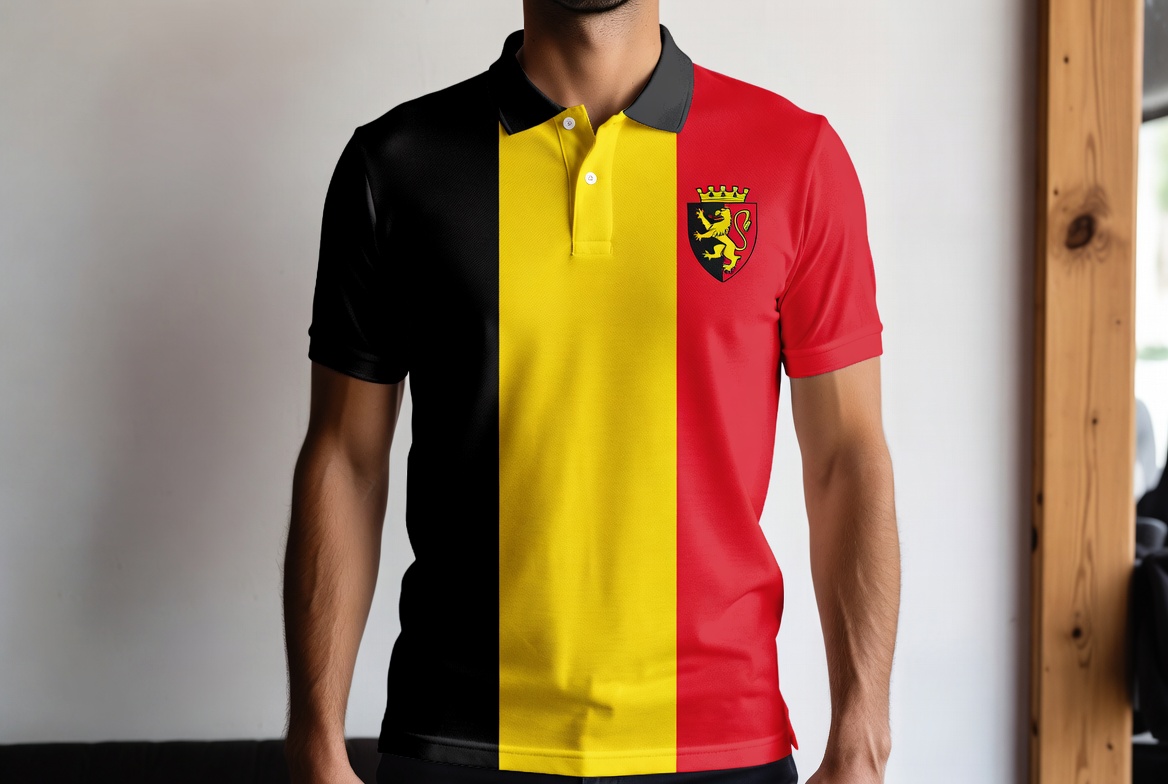
Bangladesh has become one of the most trusted garment sourcing destinations in the world, and European buyers know it well. For Belgian fashion brands, the country offers something rare — a mix of affordable pricing, skilled labor, and growing sustainability standards that fit modern retail expectations.
Over the past decade, Bangladesh has shipped billions of dollars’ worth of knitwear and polo shirts to EU markets. Belgian labels, from mid-size boutiques to established retail chains, have steadily shifted their sourcing strategies toward factories in Dhaka and Chattogram. The reasons are clear: factory compliance, competitive labor costs, and the ability to handle both small and large order volumes.
The rise of export-grade polo production in Bangladesh is no longer just about cheap manufacturing. Today, factories invest in advanced knitting machines, eco-certified dyes, and lean production models that match the expectations of premium European buyers. Certifications like GOTS, OEKO-TEX, and WRAP are now standard across leading producers.
Among the producers making a real difference for EU clients, Texasia stands as one of the most recognized names. Known for custom design flexibility and consistent quality output, Texasia has built a strong reputation with Belgian and broader EU fashion partners. This guide covers the 5 Bangladesh-based polo shirt producers for Belgian fashion brands worth your attention in 2025 and beyond.
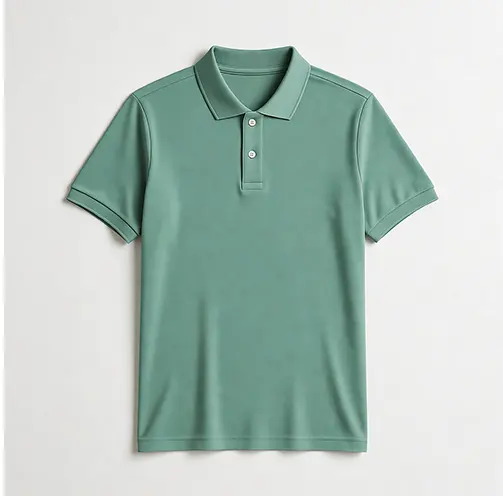
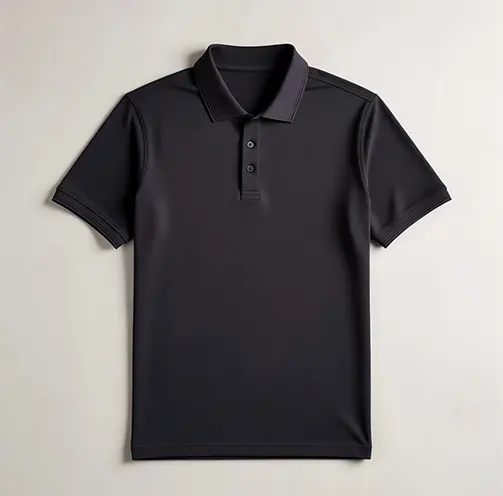
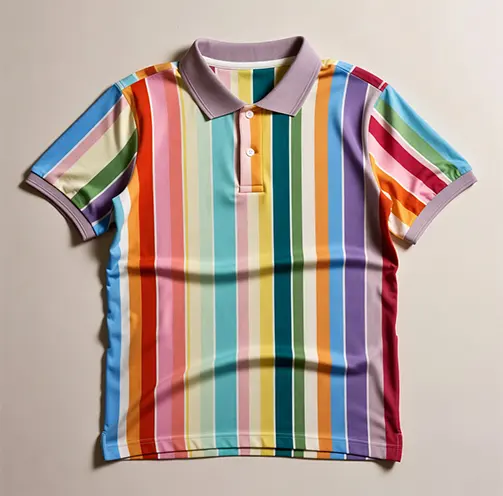
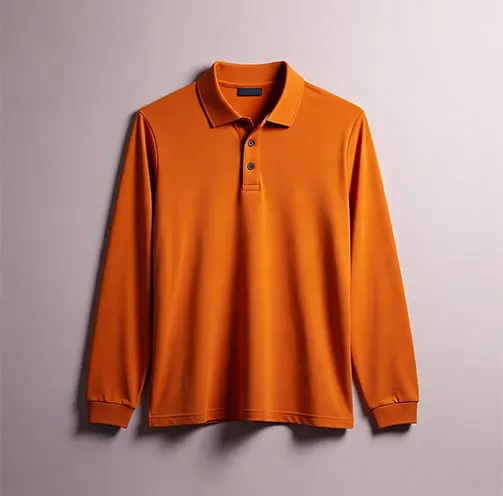
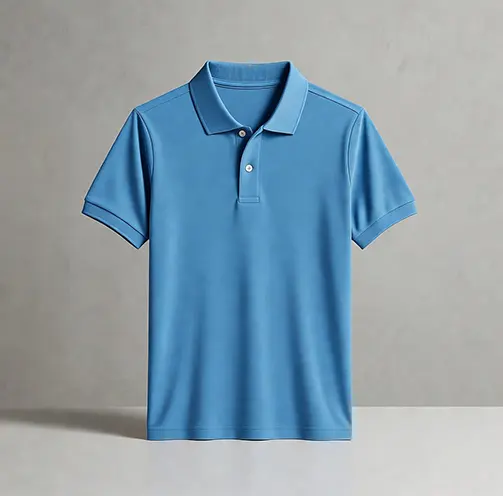

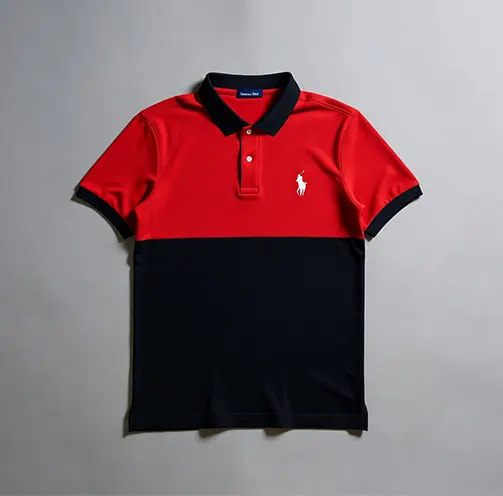
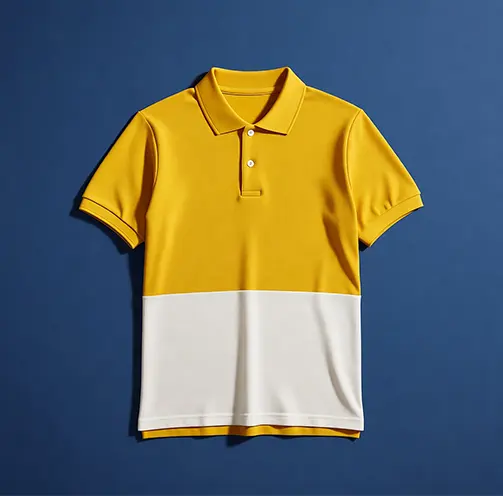
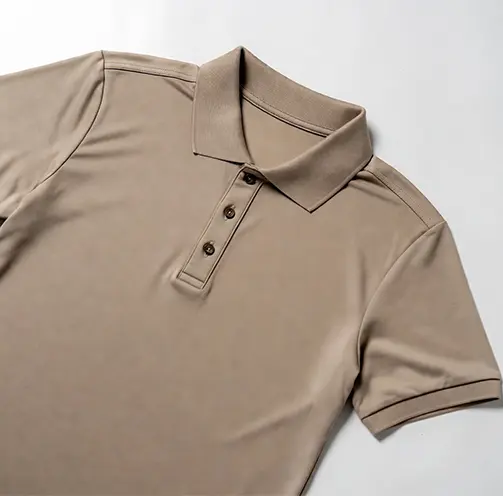
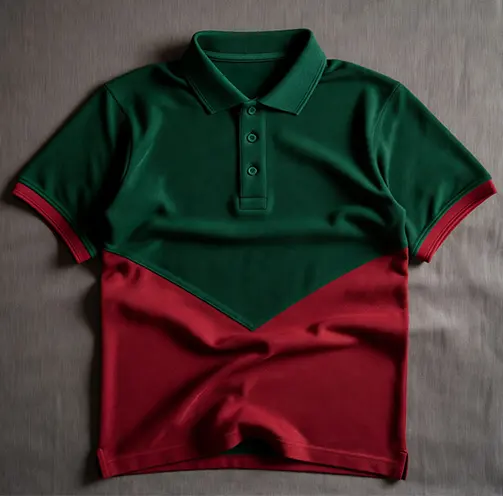
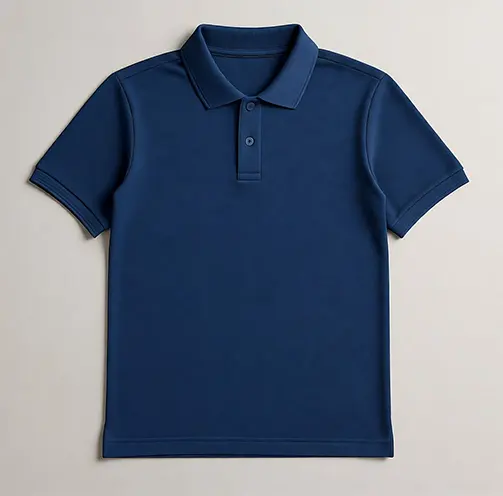
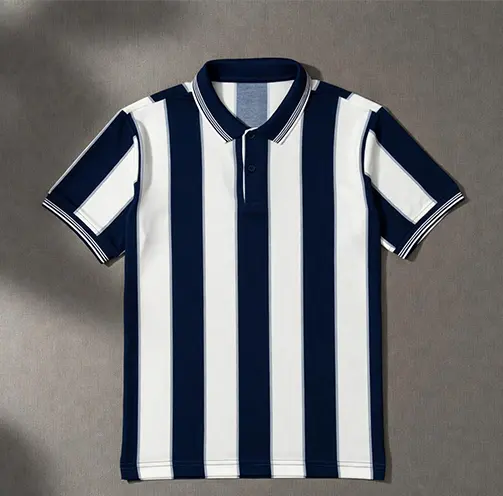

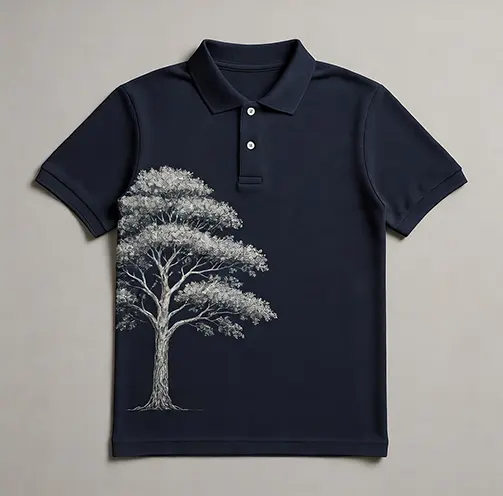
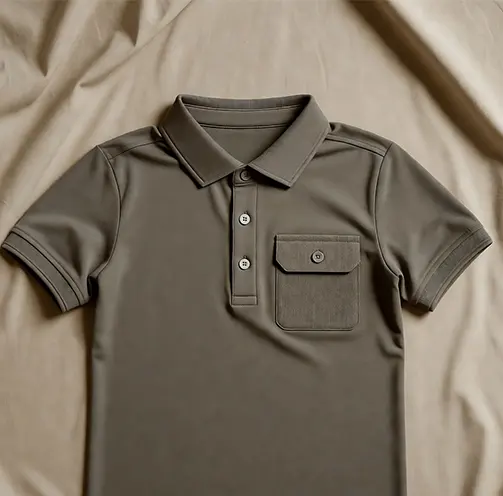
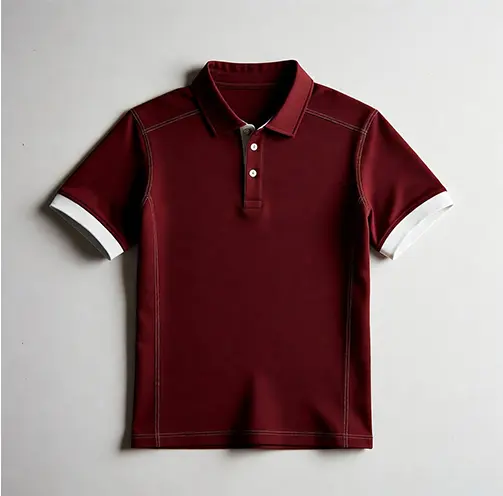
The Growing Importance of Bangladesh Polo Shirt Producers for Belgian Fashion Brands Price
When Belgian buyers talk about sourcing decisions, price is always part of the conversation — but it is not the only factor. The real appeal of working with Bangladesh polo shirt producers for Belgium fashion brands’ price lies in the complete value package: fair labor wages, clean factory audits, and logistics networks that connect Dhaka to Brussels without unnecessary delays.
Cost-efficiency in Bangladesh stems from lower production overhead, bulk yarn sourcing, and high-volume cutting lines. A well-structured factory can produce a premium polo shirt at $3.50 to $5.80 per piece, depending on fabric weight, finishing type, and order size. That same shirt, sourced from a European or Turkish manufacturer, could cost two to three times as much.
Ethical labor practices have also improved significantly. After years of international pressure and internal reform, most export-ready Bangladesh factories now follow strict compliance frameworks. For Belgian brands that care about their supply chain reputation, this matters a lot.
Compliance certifications such as ISO 9001, BSCI, and LEED provide buyers with legal and reputational confidence. Combined with sea freight routes via Chittagong Port and air freight options for urgent orders, the logistics side of Bangladesh sourcing has become more reliable than ever. Price segmentation also works in the buyer’s favor — the more volume you order, the better the per-piece cost drops.
Top Garments Manufacturers in Bangladesh
Bangladesh is home to over 4,500 export-ready garment factories, with the highest concentration in Dhaka and Chattogram. These two industrial zones account for the majority of polo shirts, T-shirts, hoodies, and sportswear shipped to European markets every year.
Top garment manufacturers in Bangladesh are no longer just stitching facilities. They are full production ecosystems that handle yarn sourcing, fabric knitting, dyeing, cutting, stitching, quality checks, and export documentation under one roof. This vertical integration is exactly what Belgian fashion buyers need when they want faster turnaround without sacrificing quality.
Many leading factories are also expanding their product diversification — offering polo shirts alongside hoodies, activewear, corporate uniforms, and formal knitwear. This makes it easy for Belgian brands to consolidate sourcing with a single trusted partner rather than juggling five different suppliers across three countries.
The export capabilities of these factories are well documented. Bangladesh supplies around 12% of all EU knitwear imports, and that number keeps growing every year as factories modernize and certifications multiply.
Bangladesh Sports Clothing Manufacturers Supporting Belgian Brands
The line between polo shirts and sportswear has blurred in recent years. Performance fabrics, moisture-wicking finishes, and stretch knit blends are now standard requests from Belgian fashion buyers — even for their casual polo ranges. This is where Bangladesh sports clothing manufacturers bring real value to the table.
Factories specializing in activewear have made significant investments in dry-fit fabric technology, flatlock-stitching machines, and anti-odor treatments. These same technologies are now applied to polo shirt production, giving Belgian brands access to performance-grade quality at knitwear pricing.
For example, a factory producing cycling jerseys or gym wear already has the machinery and technical knowledge to handle polo shirts with UPF protection, four-way stretch, or recycled polyester blends. Belgium brands in the athleisure space have found this crossover extremely useful — they can order polo shirts and performance tops from the same facility, simplifying their supply chain considerably.
Texasia, for instance, offers dry-fit polo shirt wholesale B2B options that serve exactly this kind of demand from European fashion and sportswear buyers.
Bangladesh Hoodie Manufacturers and Dhaka Clothing Manufacturers in Comparison
Product diversification is a smart strategy for any Belgian fashion brand that wants pricing leverage and market resilience. Working with factories that produce both polo shirts and hoodies means your supplier understands seasonal demand shifts and can adjust production scheduling accordingly.
Bangladesh hoodie manufacturers and Dhaka clothing manufacturers often operate under the same roof as polo producers, especially in Ashulia, Gazipur, and Narayanganj — the three busiest garment zones near Dhaka. This geographic clustering makes factory visits, compliance audits, and quality inspections far more practical for international buyers.
Dhaka leads in design innovation partly because of its proximity to fashion tech consultants, local design schools, and export agencies. Factories here are quicker to adopt computerized embroidery systems, digital fabric printing, and technology-based finishing processes such as garment washing and enzyme treatment.
For Belgian boutique brands, this means you can place a single order covering both summer polo shirts and fall hoodies — all from one compliant, certified factory. It reduces freight costs, simplifies communication, and gives you better leverage during price negotiations.
Wholesaler in Bangladesh for Fashion Clothes
Not every Belgian brand is ready to place a 1,000-piece minimum order with a major export factory. That is where wholesalers in Bangladesh for fashion clothes play an important role in the sourcing chain.
A wholesaler typically sources from multiple factories and consolidates smaller orders into mixed shipments. For boutique Belgian labels just starting their Bangladesh sourcing journey, this model lowers the barrier to entry. You can test fabric quality, stitching standards, and color matching on a small scale before committing to a direct factory partnership.
Typical MOQ structures through wholesalers range from 100 to 300 pieces per style, compared to 500 to 1,500 pieces when ordering directly from export factories. The per-piece cost is slightly higher through wholesalers, but the lower risk and flexibility often justify that difference for new buyers.
As order volumes grow, many Belgian brands transition from wholesaler relationships to direct factory partnerships. This is the natural progression — and once you understand the production standards and compliance expectations, working directly with an export-ready factory like Texasia polo shirts becomes a far more cost-effective and reliable option.
Top 5 Bangladesh Polo Shirt Producers for Belgian Fashion Brands
Here are the 5 Bangladesh polo shirt producers for Belgian fashion brands that consistently deliver quality, compliance, and competitive pricing for European buyers.
1. Texasia
Texasia is a leading ready-made garment exporter with a strong focus on polo shirts and premium knitwear. Based in Bangladesh, the company serves multiple Belgian and EU clients under custom design contracts, offering everything from private label production to branded corporate polo lines.
What makes Texasia a preferred choice for Belgian fashion brands is its sourcing of premium cotton fabrics, reliable delivery timelines, and flexibility in handling both small and large order volumes. They hold key certifications, including ISO and OEKO-TEX, which align well with the compliance expectations of European buyers. Their team works closely with brand design teams to ensure that custom colorways, embroidery placements, and fit specifications are executed precisely.
Texasia also offers guidance on fabric selection, helping buyers understand the differences between pique, interlock, and jersey polo fabrics—a valuable service for brands building their first Bangladesh-sourced collection. If you are a Belgian fashion label looking for a reliable, transparent production partner, Texasia is a strong starting point.
2. DBL Group
DBL Group is one of Bangladesh’s most recognized vertically integrated manufacturers. They control everything from yarn spinning to finished garment export, giving Belgian buyers a significant advantage in terms of price consistency and quality control.
Their eco-certification portfolio is impressive — LEED Certified facilities and strong environmental compliance make them a natural fit for Belgian brands with sustainability commitments. Lead times typically run around 4 weeks, and their production capacity supports both fast-fashion cycles and seasonal collections.
3. Epyllion Group
Epyllion Group has built its reputation on modern machinery and precision finishing. Their automated stitching lines reduce human error and improve consistency across large production runs — critical for Belgian brands that need identical quality across thousands of units.
With BSCI certification and lead times of two to three weeks, Epyllion is well-positioned for mid-tier Belgian labels that prioritize fast turnaround. They are particularly strong in seamless polo production and sportswear-adjacent styles.
4. Ha-Meem Group
Ha-Meem Group is one of Bangladesh’s oldest and most established apparel exporters. Their polo knit section has decades of experience producing durable, well-finished polo shirts for European and North American markets.
Holding WRAP certification, Ha-Meem appeals to mass-market buyers in Belgium who need high-volume reliability. Their pricing starts from $3.50 per piece, making them one of the most cost-competitive options on this list.
5. Square Fashions Ltd.
Square Fashions is part of the broader Square conglomerate and is particularly recognized for its sustainable manufacturing practices. With GOTS certification, they appeal strongly to Belgian boutique brands that want eco-aligned supply chains without sacrificing quality.
Their MOQ of 600 pieces and pricing from $4.50 to $5.80 per piece positions them in the premium-to-mid segment, making them ideal for labels targeting conscious consumers in the Belgian market.
Comparison Table: Top 5 Bangladesh Polo Shirt Producers for Belgian Fashion Brands
| Manufacturer | Strengths | Certifications | Delivery Lead Time | Market Fit |
|---|---|---|---|---|
| Texasia | Custom design efficiency | ISO, OEKO-TEX | 3–4 weeks | Premium Belgium brands |
| DBL Group | Vertical integration | LEED Certified | 4 weeks | Fast fashion and retail |
| Epyllion Group | Automated finishing | BSCI | 2–3 weeks | Mid-tier market |
| Ha-Meem Group | Legacy exporter | WRAP | 3 weeks | Mass-market buyers |
| Square Fashions | Eco manufacturing | GOTS | 4–5 weeks | Boutique sustainable brands |
This table gives a quick snapshot of where each manufacturer fits in the market. Belgium brands should align their factory choice with their target consumer, order volume, and sustainability goals.
Price List: Bangladesh Polo Shirt Producers for Belgium Fashion Brands
| Factory | Average Polo Price (USD per piece) | MOQ |
|---|---|---|
| Texasia | $3.90 – $5.50 | 500 pcs |
| DBL Group | $4.00 – $6.00 | 1,000 pcs |
| Epyllion Group | $3.70 – $4.80 | 800 pcs |
| Ha-Meem Group | $3.50 – $4.30 | 1,500 pcs |
| Square Fashions | $4.50 – $5.80 | 600 pcs |
Prices vary based on fabric GSM, finishing type, embroidery complexity, and seasonal demand. Always request a formal quotation with a sample before finalizing any bulk order.
Top 5 Key Factors That Influence Bangladesh Polo Shirt Producers for Belgian Fashion Brands
1. Fabric Quality and GSM Consistency The weight and weave of the polo fabric directly affect how the shirt looks, feels, and lasts. Belgian brands should clearly specify GSM requirements in their tech packs.
2. Eco-Certifications and Compliance Standards Certifications like GOTS, OEKO-TEX, and BSCI are non-negotiable for many Belgian buyers. Always verify certificates directly with issuing bodies.
3. Production Automation Level Factories with computerized cutting machines and automated stitching lines deliver more consistent results across large orders.
4. Delivery Efficiency and Logistics Partnerships A factory with strong freight forwarding relationships can save Belgium brands significant time and money on international shipping.
5. Customization Flexibility From collar styles to logo placement, the ability to execute custom specifications accurately separates good factories from great ones.
5 Best Practices Used by Industry Professionals
1. Pre-Production Sampling and Lab Testing: Always approve a physical sample before cutting begins. Lab testing for colorfastness and shrinkage prevents costly surprises.
2. AI-Driven Quality Inspection Leading factories now use AI-based camera systems to detect stitching defects in real time during production.
3. Transparent Production Tracking Systems Request access to a factory portal or regular milestone updates so you always know where your order stands.
4. Sustainable Dyeing Processes Opt for factories using low-water or waterless dyeing technology to meet EU environmental expectations.
5. Client-Specific Packaging Formats Professional factories can match your brand packaging requirements — from polybags to retail-ready hangtags — without extra sourcing effort.
Top 5 Common Mistakes Beginners Make
1. Overlooking Export Certification Requirements, Belgium imports must meet strict EU labeling and safety standards. Skipping this check can delay customs clearance.
2. Ignoring Freight Insurance Clauses: Always ensure your shipment. Ocean freight carries real risks, and uninsured losses can be devastating for small brands.
3. Underestimating Lead Time Constraints A four-week lead time at the factory does not include shipping, customs, and final delivery. Plan eight to ten weeks for seasonal launches.
4. Neglecting Bulk vs. Small Order Pricing Factories price differently based on volume. Sending a 200-piece trial order at a quoted price of 1,000 pieces leads to budget miscalculations.
5. Not Verifying Product Consistency Before Shipment. Always conduct a pre-shipment inspection or hire a third-party QC agency to check color, measurement, and finishing consistency.
Professional Expertise and Industry Authority
Firsthand Industry Experience
The professionals who source polo shirts from Bangladesh for Belgian clients are not just buyers — they are apparel trade specialists who understand fabric science, factory compliance, and EU import regulations. Many have spent years visiting production floors in Gazipur and Ashulia, building firsthand knowledge of what separates a reliable factory from a risky one.
Educational Background and Certifications
Top sourcing agents working in the Bangladesh-to-Belgium corridor typically hold backgrounds in textile engineering, fashion business management, or supply chain logistics. Many hold additional certifications in compliance auditing, making them equipped to evaluate factories beyond what a standard factory visit reveals.
Practical Exposure
Professionals with direct Bangladesh production floor experience understand how seasonal demand, yarn pricing fluctuations, and labor availability affect delivery timelines. This practical knowledge helps Belgian brands set realistic expectations and build stronger, longer-lasting supplier relationships.
Real-World Experience and Case Studies
Case Study: Belgium Polo Collective x Texasia
A Belgium-based fashion label specializing in premium polo shirts partnered with Texasia to streamline its sourcing in Bangladesh. Before the partnership, they were juggling two different factories with inconsistent quality output and unpredictable lead times.
Challenges faced: Balancing color consistency across large orders while scaling from 500 to 2,000 pieces per style.
Results achieved: After three production cycles with Texasia, the brand reported a 15% reduction in per-unit cost and a 20% improvement in delivery turnaround time. The factory team also introduced a digital approval system for sample sign-offs, cutting the pre-production phase by nearly a week.
Expert Insights and Professional Observations on Bangladesh Polo Shirt Producers for Belgian Fashion Brands
Misconception: “Low cost means low quality.” This is outdated thinking. Many Bangladesh factories producing for Belgian brands operate at the same technical standard as factories in Portugal or Turkey, just at a lower price point due to structural cost differences.
Professional Tip: Always request in-line inspection reports at 20%, 50%, and 80% production completion. This catches defects early and prevents full-order rejections.
What Separates Professionals from Beginners: Experienced Belgium sourcing teams run strategic batch testing across multiple production runs and conduct ongoing compliance audits rather than single one-time checks. This ongoing relationship approach produces far better long-term results than a transactional sourcing mindset.
Step-by-Step Practical Process (Manufacturing Process)
Step 1: Initial Requirements and Preparation
The process begins with finalizing brand design. Belgium clients submit a tech pack that includes collar style, fabric GSM, color references (Pantone codes), and logo placement details. The factory reviews the pack and confirms fabric availability and production slot.
Step 2: Execution Process
Once the sample is approved, bulk production begins in four key stages:
- Cutting: Fabric rolls are spread and cut using computerized cutting machines for precision.
- Stitching: Collars, plackets, and body panels are joined using flatlock or overlock machines, depending on the style.
- Trimming: Loose threads are removed, and buttons or zippers are attached.
- Finishing: Garments are ironed, folded, and subjected to final quality checks before packaging.
Step 3: Common Mistakes to Watch
Poor measurement alignment across sizes and inadequate moisture control during storage are the two most frequent production errors. Both lead to shrinkage or dimensional inconsistency in the final product.
Step 4: Best Practices
A layered QA process — covering pre-production, in-line, and pre-shipment inspection stages — is the gold standard for Belgian fashion buyers sourcing from Bangladesh. Sample approval at every transition point significantly reduces risk.
Verified Data, Facts, and Evidence
The numbers behind Bangladesh’s apparel exports are well documented and credible. According to BGMEA (Bangladesh Garment Manufacturers and Exporters Association) and the Export Promotion Bureau, Bangladesh is consistently among the top two global knitwear exporters.
A key data point: Bangladesh supplies approximately 12% of all EU knitwear imports, making it the single largest non-EU supplier across categories such as polo shirts, T-shirts, and sweatshirts. This figure is validated through public EU trade databases and Eurostat import records.
For Belgian fashion brands, this scale means pricing stability, production redundancy, and a competitive supplier ecosystem that maintains high quality standards through market pressure alone.
Transparency, Risks, and Limitations
Every sourcing relationship carries real-world variables that buyers should understand before signing contracts.
Price Volatility: Fluctuating cotton prices on global commodity markets can affect per-piece costs mid-season. Request a price-lock clause or a fixed raw-material sourcing agreement in your contract.
Freight Delays: Global logistics disruptions — port congestion, vessel delays, or customs backlogs — can push delivery windows by one to three weeks. Build buffer time into your launch calendar.
MOQ Inflexibility: Large export factories often cannot accept orders below their minimum order quantity (MOQ). For small Belgian boutique brands, this limits flexibility. Wholesalers or smaller factories may be a better starting point.
Coverage Limits: This guide covers factory-level pricing and production estimates. It does not include retail-end design costs, branding expenses, or domestic Belgium distribution logistics, which vary widely by brand.
Frequently Asked Questions
What makes Bangladesh a preferred sourcing destination for Belgian polo shirt buyers?
Bangladesh offers a combination of competitive pricing, skilled labor, and strong compliance frameworks that match the sourcing needs of Belgian fashion brands.
How do I verify that a Bangladesh polo shirt factory is legitimate?
Request their export license, BGMEA membership certificate, and copies of relevant compliance certifications like OEKO-TEX or BSCI before placing any order.
What is the typical minimum order quantity for polo shirts from Bangladesh?
MOQ ranges from 500 to 1,500 pieces per style, depending on the factory and fabric type. Wholesalers can accommodate lower quantities.
How long does it take to receive a polo shirt order from Bangladesh to Belgium?
Factory production takes three to four weeks, and sea freight from Chittagong to Antwerp takes approximately three to four additional weeks. Plan for 7 to 9 weeks from order placement to delivery.
Can I get custom logo embroidery on polo shirts from Bangladesh factories?
Yes. Most export-ready factories offer embroidery and printing services as part of their standard production offering. Texasia, for example, provides embroidery vs printing options for polo shirts tailored to brand specifications.
Is sustainable polo shirt production available in Bangladesh?
Absolutely. Factories like Square Fashions and Texasia hold GOTS and OEKO-TEX certifications, confirming eco-conscious manufacturing practices that align with EU sustainability expectations.
What fabric types are most popular for polo shirts exported to Belgium?
Pique cotton, interlock jersey, and dry-fit polyester blends are the most commonly requested fabrics among Belgian buyers, depending on the polo’s intended use.
Are Bangladesh polo shirt prices negotiable?
Yes, pricing is generally negotiable based on order volume, fabric selection, and seasonal timing. Larger orders almost always attract better per-piece pricing.
Conclusion
The 5 Bangladesh polo shirt producers for Belgium fashion brands covered in this guide — Texasia, DBL Group, Epyllion Group, Ha-Meem Group, and Square Fashions — each bring distinct strengths to the table. Choosing the right partner depends on your budget, order volume, and sustainability goals. Start with samples, audit compliance, and build a long-term relationship for the best results.

